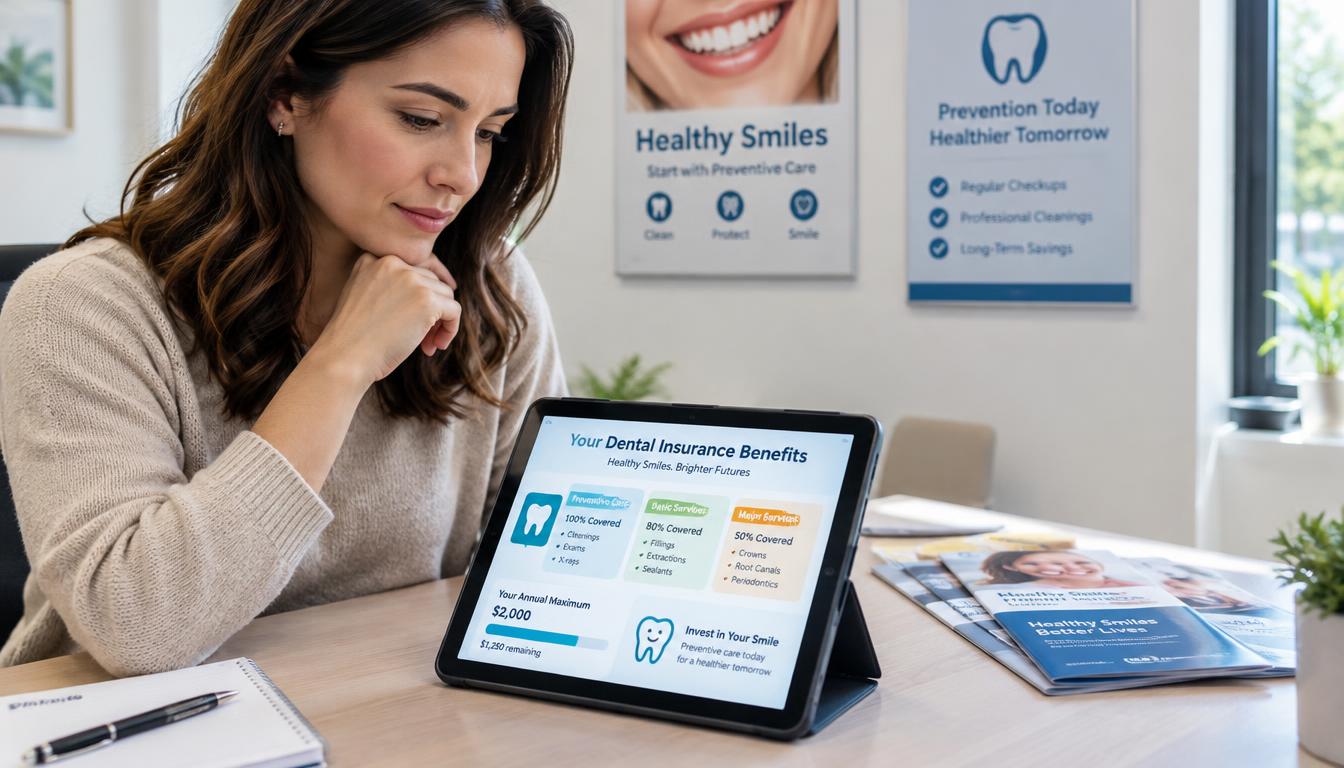









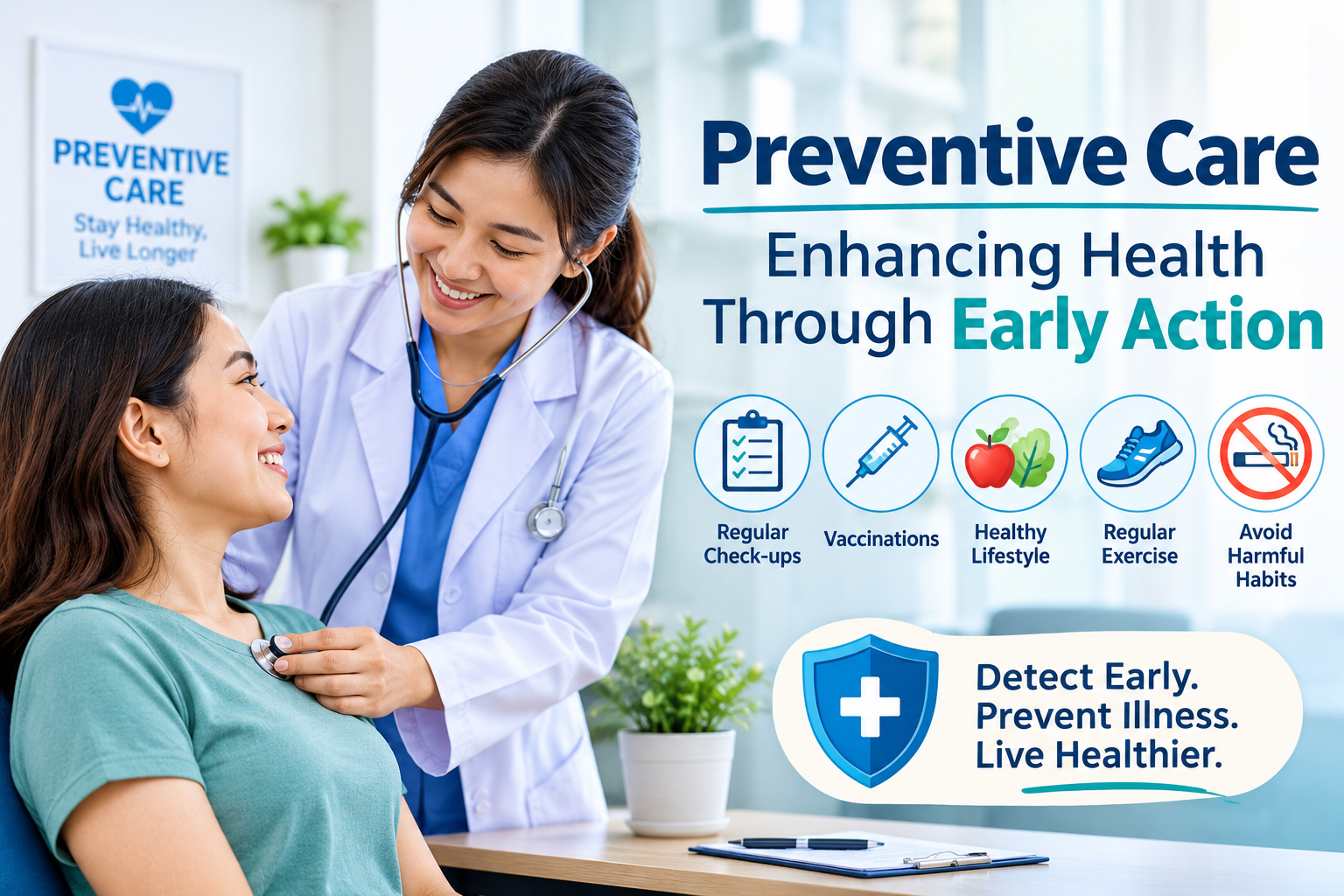
Preventive care stands as a cornerstone of modern healthcare, emphasizing the importance of early intervention and routine health screenings to avert diseases before they manifest. This proactive approach not only promotes longer lifespans but also significantly reduces healthcare costs by managing health risks before they escalate into chronic conditions.
As we navigate through various aspects of preventive care, it becomes essential to understand the different types of services available, how they can be personalized based on age groups, and the growing role of lifestyle choices in shaping health outcomes. By embracing preventive measures, individuals can take charge of their health, leading to a more vibrant and fulfilling life.
Understanding the Concept of Preventive Care
Preventive care is an essential aspect of healthcare that focuses on the prevention of diseases and medical conditions before they occur. Instead of waiting for health issues to arise, preventive care encourages individuals to take proactive steps to maintain their health and well-being. This approach not only helps individuals live healthier lives but also reduces healthcare costs and the burden on the healthcare system. By emphasizing early intervention and regular health check-ups, preventive care plays a vital role in enhancing the quality of life for many people.
Preventive care encompasses various services and measures designed to detect and prevent illnesses at their earliest stages. This includes routine screenings, vaccinations, and lifestyle counseling. By utilizing these services, individuals can identify potential health risks and address them before they escalate into more serious conditions. The importance of preventive care in the healthcare system cannot be overstated, as it ultimately leads to better health outcomes, decreased morbidity, and increased longevity.
Types of Preventive Care Services
Preventive care services can be categorized into several types, each serving a unique purpose in promoting health and preventing disease. Understanding these categories can help individuals make informed decisions regarding their health.
- Screenings: Regular screenings are essential for detecting early signs of diseases such as cancer, diabetes, and high cholesterol. For instance, mammograms are recommended for women to detect breast cancer early, while colonoscopies can help prevent colorectal cancer through early detection.
- Vaccinations: Immunizations are a critical part of preventive care, providing protection against various infectious diseases. Vaccines such as the flu shot and the HPV vaccine play significant roles in preventing outbreaks and reducing the incidence of serious illnesses.
- Wellness Check-ups: Annual physical examinations allow healthcare providers to assess overall health, provide personalized advice, and address any emerging health concerns. These check-ups often include discussions about diet, exercise, and mental health, encouraging holistic well-being.
- Lifestyle Counseling: Guidance on healthy lifestyle choices, such as nutrition and physical activity, can significantly impact an individual’s health. Programs that educate patients on smoking cessation, weight management, and stress reduction can lead to improved health outcomes.
Incorporating preventive measures into daily life is crucial for maintaining health. Simple actions like regular exercise, a balanced diet, adequate sleep, and stress management can significantly lower the risk of chronic diseases. Moreover, being proactive about healthcare through regular screenings and immunizations empowers individuals to take charge of their health, fostering a culture of wellness and prevention.
“An ounce of prevention is worth a pound of cure.”
The Role of Preventive Care in Chronic Disease Management
Preventive care plays a pivotal role in managing chronic diseases by promoting health maintenance strategies that can significantly lower the incidence and impact of these long-term conditions. Chronic diseases such as diabetes, cardiovascular diseases, and obesity are among the leading causes of morbidity and mortality globally. By implementing preventive measures, healthcare systems can not only improve patient outcomes but also alleviate the financial burden on these systems.
Preventive care encompasses a range of services aimed at early detection and intervention. Regular check-ups, screenings, vaccinations, and lifestyle modification support are essential components that can help identify risk factors associated with chronic diseases. For instance, blood pressure monitoring and cholesterol screening can detect early signs of heart disease, enabling timely intervention. According to the Centers for Disease Control and Prevention (CDC), regular screening and lifestyle counseling can reduce the risk of developing Type 2 diabetes by up to 58% in at-risk populations.
Common Chronic Diseases Benefiting from Preventive Measures
Several chronic diseases can greatly benefit from preventive care measures, thereby highlighting the necessity of early intervention strategies. The following diseases exemplify this:
- Diabetes: Preventive care, such as lifestyle modifications and regular blood sugar monitoring, can delay or prevent the onset of Type 2 diabetes. The CDC’s Diabetes Prevention Program emphasizes the importance of weight management and increased physical activity.
- Cardiovascular Diseases: Preventive measures targeting risk factors like hypertension and high cholesterol can mitigate the risk of heart attacks and strokes. Regular screenings and lifestyle counseling are essential.
- Chronic Respiratory Diseases: Conditions such as asthma and chronic obstructive pulmonary disease (COPD) can benefit from preventive strategies including smoking cessation programs and regular pulmonary function tests, which help in early identification and management.
- Obesity: Preventive care through education on nutrition and physical activity can support weight loss and its associated health benefits, impacting various chronic conditions positively.
Investing in preventive care is not only beneficial for individual health but also for healthcare systems at large. The cost-effectiveness of preventive measures is evident in various studies that demonstrate significant savings in healthcare costs. For example, every dollar spent on diabetes prevention programs can save an estimated $7 in medical costs. Moreover, a report from the National Academy of Sciences indicates that preventive care could save the U.S. healthcare system approximately $300 billion annually through reduced hospitalizations and emergency care.
“Preventive care not only improves individual health but significantly reduces the financial strain on healthcare systems by decreasing the incidence and severity of chronic diseases.”
In summary, the integration of preventive care into chronic disease management is essential for enhancing population health and ensuring the sustainability of healthcare resources. Investing in preventive strategies yields substantial long-term benefits, both for individuals and society as a whole.
Preventive Care Across Different Age Groups
Preventive care is essential for maintaining health and well-being throughout one’s life. However, the needs for preventive services vary significantly across different age groups. Understanding these variations helps individuals and healthcare providers to focus on the most relevant screenings, vaccinations, and health assessments tailored to each life stage.
Children, adolescents, adults, and seniors have unique health concerns, and preventive care must adapt accordingly. For instance, children focus on growth and development, requiring vaccinations and developmental screenings. In contrast, adults may prioritize chronic disease screenings and lifestyle interventions to prevent conditions such as diabetes and heart disease. Seniors, on the other hand, often need regular assessments for age-related conditions such as osteoporosis and cognitive decline. Recognizing these differences not only optimizes health outcomes but also enhances the quality of life across generations.
Recommended Preventive Care Services by Age Group
It is crucial to incorporate age-appropriate preventive care services to address specific health needs at various life stages. Here are the recommended services by age group:
- Children (0-18 years):
- Routine immunizations (e.g., MMR, DTaP)
- Annual wellness check-ups
- Vision and hearing screenings
- Developmental screenings
- Adults (19-64 years):
- Blood pressure screening
- Cholesterol checks
- Diabetes screening (age 45 and older)
- Annual flu vaccination
- Seniors (65+ years):
- Bone density tests
- Cognitive health assessments
- Shingles vaccination
- Regular vision and hearing tests
Age-Specific Screenings and Vaccinations Comparison Table
A comprehensive overview of necessary screenings and vaccinations by age group illustrates the distinct preventive care requirements:
| Age Group | Recommended Screenings | Recommended Vaccinations |
|---|---|---|
| Children (0-18) | Height/weight assessments, developmental screenings | MMR, DTaP, varicella, annual flu |
| Adults (19-64) | Blood pressure, cholesterol, diabetes | Annual flu, Tdap, HPV (if eligible) |
| Seniors (65+) | Bone density, cognitive health assessments | Shingles, pneumonia, annual flu |
Preventive care is not a one-size-fits-all approach; it is tailored to meet the health needs of individuals at different stages of life.
Overcoming Barriers to Accessing Preventive Care
Access to preventive care is crucial for maintaining health and well-being, yet many individuals face significant barriers that hinder their ability to obtain these vital services. These obstacles can be multifaceted, stemming from structural, socioeconomic, and cultural factors. Understanding these barriers is the first step toward finding solutions that can enhance accessibility and encourage proactive health management.
Barriers to accessing preventive care include financial constraints, lack of transportation, limited health literacy, and insufficient availability of services in certain areas. Many people may not seek preventive services due to high out-of-pocket costs or inadequate insurance coverage. For instance, according to a report by the Kaiser Family Foundation, nearly 30% of Americans reported that they or a family member avoided necessary healthcare services due to cost concerns. Furthermore, individuals in rural areas often face challenges such as long distances to healthcare facilities and insufficient public transportation options. Cultural attitudes and a lack of awareness about the importance of preventive care can also prevent individuals from utilizing available services, particularly in communities where traditional methods of healthcare are more prevalent.
Strategies to Improve Access to Preventive Services
Healthcare providers can implement various strategies to mitigate these barriers and enhance access to preventive care.
– Offer Sliding Scale Payment Options: Implementing a sliding fee scale based on income can make preventive services more affordable for low-income individuals.
– Community Outreach Programs: Establishing educational initiatives within communities can raise awareness about the importance of preventive care and available services.
– Partnerships with Local Organizations: Collaborating with local organizations can help bridge the gap between healthcare providers and underserved populations.
– Telehealth Services: Expanding telehealth options allows individuals to access preventive care without the need for transportation, making it easier for those with mobility issues or busy schedules.
– Transportation Services: Providing transportation assistance or partnering with rideshare companies can ensure that lack of transportation is not a barrier to receiving care.
Many community resources are available to assist individuals in overcoming barriers to preventive care. These resources can play a significant role in helping individuals receive the care they need:
– Local Health Departments: Often provide free or low-cost preventive services, including immunizations and screenings.
– Community Health Centers: Offer a range of preventive services on a sliding scale based on income.
– Nonprofit Organizations: Groups like the American Cancer Society offer screenings and educational resources.
– Mobile Clinics: These bring healthcare services directly to underserved communities, improving access.
– Patient Navigators: Trained personnel can assist individuals in understanding their insurance options and accessing available services.
The Impact of Lifestyle Choices on Preventive Care
Lifestyle choices play a vital role in the effectiveness of preventive care, influencing health outcomes and the overall quality of life. Often, the choices individuals make regarding nutrition, physical activity, alcohol consumption, and smoking can significantly determine their susceptibility to various diseases. Understanding this connection empowers both healthcare providers and patients to adopt behaviors that enhance preventive care measures.
The relationship between lifestyle and health is well-documented. For instance, the World Health Organization (WHO) attributes approximately 70% of deaths globally to lifestyle-related diseases, such as heart disease, diabetes, and cancers. Many of these conditions are preventable through healthy lifestyle choices. For example, studies indicate that maintaining a balanced diet and engaging in regular physical activity can reduce the risk of heart disease by as much as 80%. Furthermore, the Centers for Disease Control and Prevention (CDC) states that approximately 40% of cancer cases in the U.S. can be attributed to lifestyle factors, particularly obesity, poor nutrition, and lack of exercise.
Encouraging Positive Lifestyle Changes in Patients
Encouraging patients to make positive lifestyle changes is crucial for enhancing preventive care outcomes. Effective strategies can include education, motivational interviewing, and personalized care plans. Each of these methods addresses individual needs and promotes long-term behavior change.
Education is an essential tool in promoting healthy lifestyle choices. Providing patients with information about the risks associated with unhealthy habits and the benefits of healthy behaviors can empower them to make informed decisions. For example, workshops or informational sessions on nutrition and physical activity can enlighten patients on how specific dietary choices can lower their risks of developing chronic diseases.
Motivational interviewing involves guiding patients toward recognizing their own motivations for change. By fostering a supportive environment, healthcare providers can help patients explore their ambivalence about changing their habits. This technique has been shown to be effective in promoting behavior change, as it encourages patients to set and achieve personal health goals.
Individualized care plans take into account a patient’s unique circumstances, including their current lifestyle, preferences, and health status. By tailoring recommendations to fit individual needs, healthcare providers can significantly enhance compliance and long-term success. For instance, a busy professional may benefit from quick, healthy meal prep ideas rather than a comprehensive diet overhaul.
Implementing regular follow-ups and check-ins can reinforce behavior changes, making patients feel supported on their journey. For example, reminders about physical activity or healthy eating through apps or follow-up calls can help patients remain accountable to their goals.
“Prevention is better than cure.” – Desmond Tutu
By understanding the profound impact of lifestyle choices on preventive care, healthcare providers can better equip patients to lead healthier lives. This proactive approach not only reduces the burden of chronic diseases but also enhances overall well-being and quality of life.
The Future of Preventive Care
The future of preventive care is bright and filled with innovations that promise to enhance health outcomes and improve the overall efficiency of healthcare systems. As the focus shifts from treating illnesses to preventing them, emerging technologies and innovative practices are playing a pivotal role in this transformation. This evolution is driven by a commitment to not only enhance individual health but also to create a more accessible and equitable healthcare landscape for everyone.
Current Trends in Preventive Care and Emerging Technologies
Preventive care is increasingly being shaped by several current trends and technologies that aim to improve patient engagement and health monitoring. One significant trend is the rise of wearable health devices, which allow individuals to monitor various health metrics such as heart rate, sleep patterns, and activity levels. These gadgets, such as smartwatches and fitness trackers, provide users with real-time health data, empowering them to make informed lifestyle choices. According to a recent study, the use of wearables has been linked to improved health outcomes as users are more proactive in managing their health.
Another prominent trend is the integration of artificial intelligence (AI) in preventive care. AI algorithms can analyze vast amounts of data to predict health risks, enabling healthcare providers to intervene early. For instance, AI-powered tools can identify individuals at high risk for conditions like diabetes or heart disease, allowing for tailored preventive strategies. Moreover, machine learning can enhance telehealth services by providing personalized recommendations based on patient history and lifestyle factors.
Telehealth has revolutionized the delivery of preventive care services, making them more accessible to a broader population. The convenience of remote consultations allows patients to access healthcare professionals without the barriers of transportation or time constraints. This has been particularly beneficial for individuals living in rural areas or those with mobility issues. According to a recent report, telehealth visits increased by over 150% during the pandemic, highlighting its importance in maintaining continuity of care.
Innovative Preventive Care Practices and Tools
Several innovative practices are emerging that show promise for the future of preventive care. One notable advancement is the use of genetic testing for preventive health measures. By analyzing an individual’s genetic makeup, healthcare providers can identify predispositions to certain diseases and recommend preventive strategies tailored to the patient’s unique genetic profile. For example, individuals with a family history of certain cancers can benefit from increased screening or lifestyle modifications that reduce their risk.
Another innovative tool is the development of mobile health applications that provide personalized health information and coaching. These apps can guide users in making healthier choices regarding nutrition, exercise, and stress management. They often incorporate gamification elements to encourage user engagement, making the pursuit of health goals more enjoyable.
“The future of preventive care hinges on technology, accessibility, and personalized health strategies.”
In conclusion, the implications of these innovations in preventive care are profound. They not only enhance the accessibility and delivery of services but also empower individuals to take charge of their health. As the healthcare landscape continues to evolve, the integration of advanced technologies and innovative practices will undoubtedly shape a healthier future for all.
Community Programs Promoting Preventive Care
Community programs play a vital role in promoting preventive care by providing resources and education to individuals within a community. These initiatives often target specific health issues and utilize local networks to enhance outreach and engagement. Successful community programs not only raise awareness about preventive measures but also encourage active participation in maintaining health, thereby reducing the prevalence of diseases.
One exemplary community program is the “Community Health Workers” initiative, which has been implemented in various regions. These programs often train local residents to deliver health education, screenings, and referrals. For instance, in the state of New Mexico, community health workers have significantly increased screening rates for chronic diseases like diabetes and hypertension among underserved populations. By employing a peer-based approach, these workers foster a sense of trust, making individuals more likely to participate in preventive care services.
Another successful example is the “Healthy Corner Store Initiative,” which aims to increase access to healthy foods in low-income neighborhoods. In cities like Philadelphia, this program collaborates with local corner stores to stock fresh fruits and vegetables, paired with nutrition education workshops. Studies have shown that these programs not only boost the availability of healthy options but also encourage healthier eating behaviors among residents.
Community engagement profoundly enhances the effectiveness of preventive care initiatives. When community members are involved in the design and execution of health programs, the services are more likely to meet the specific needs of the population. Engaging local leaders and stakeholders fosters a sense of ownership that can lead to higher participation rates. Additionally, community-driven approaches allow for culturally relevant interventions, making them more effective in promoting health behaviors.
Best practices for designing community-based preventive care programs include the following:
1. Assessment of Community Needs: Conduct thorough assessments to identify specific health challenges and needs within the community.
2. Collaboration with Local Organizations: Partner with schools, faith-based organizations, and local health departments to leverage resources and reach a broader audience.
3. Culturally Relevant Programming: Ensure that educational materials and interventions are culturally appropriate and resonate with the community’s values and beliefs.
4. Sustainability Planning: Develop a plan for long-term sustainability, including funding sources and community involvement, to ensure that programs can continue over time.
5. Regular Evaluation: Establish metrics for success and regularly evaluate the program’s effectiveness to make necessary adjustments.
By adhering to these best practices, communities can create impactful preventive care programs that lead to healthier populations and reduced healthcare costs.
Last Word
In conclusion, preventive care plays a vital role in fostering healthier communities and enhancing individual well-being. By investing in preventive strategies and addressing barriers to access, we can collectively work towards a future where health is prioritized, chronic diseases are managed effectively, and the healthcare system is more sustainable. It’s a journey that begins with awareness and culminates in action.
User Queries
What is preventive care?
Preventive care refers to medical services that focus on disease prevention and health maintenance, including screenings and vaccinations.
How often should I get preventive check-ups?
Frequency varies by age and health status, but generally, adults should have annual check-ups, while specific screenings may be recommended every few years.
Are preventive care services covered by insurance?
Most health insurance plans cover preventive care services at no cost, but it’s best to check with your provider for specifics.
Can lifestyle changes enhance preventive care?
Yes, adopting healthier lifestyle choices like balanced diets, regular exercise, and avoiding tobacco can significantly improve the efficacy of preventive care.
What role does telehealth play in preventive care?
Telehealth expands access to preventive care by allowing patients to consult with healthcare providers remotely, facilitating easier monitoring and follow-up.