








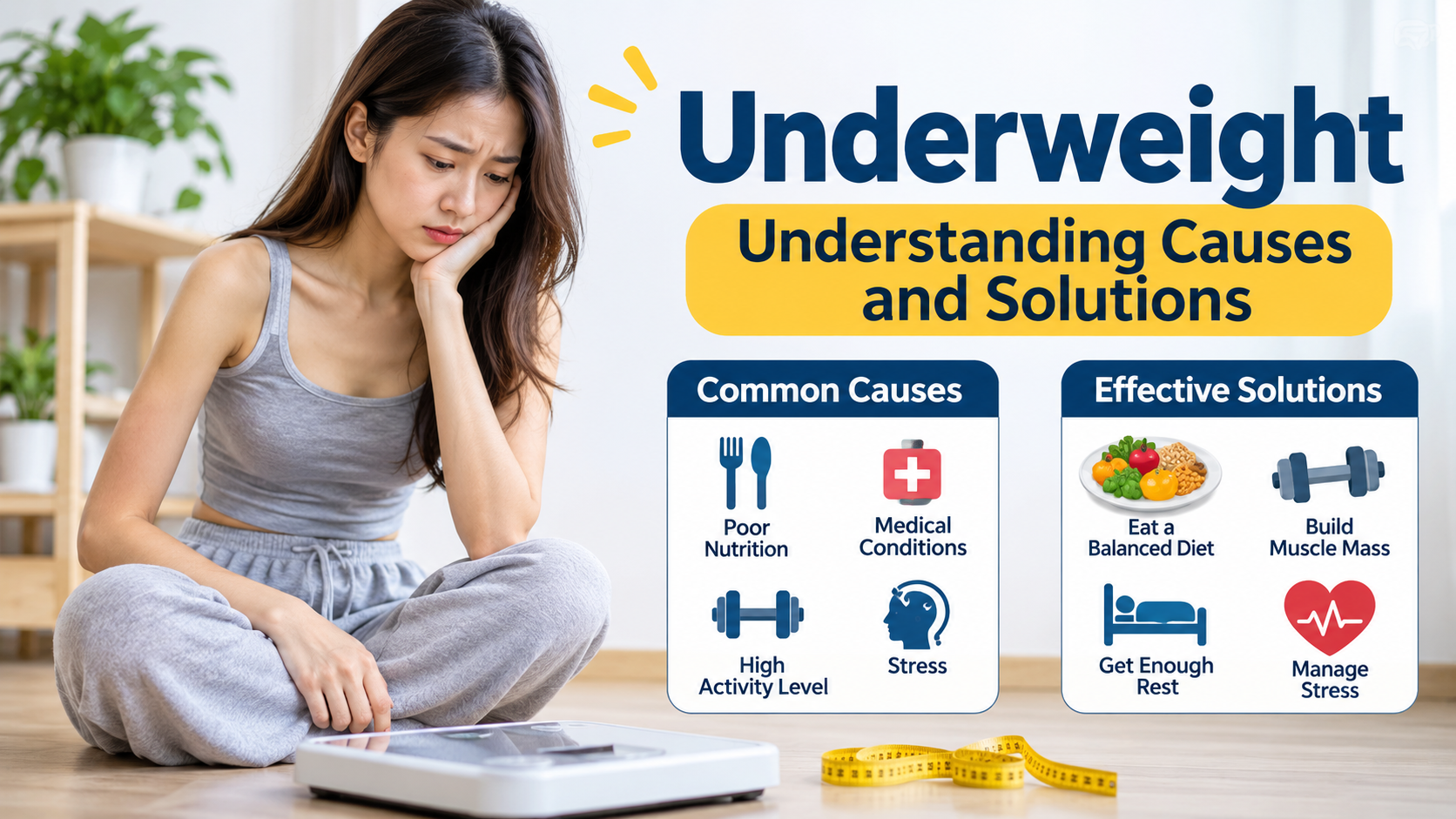
Underweight is often overlooked in discussions about health, yet it carries significant implications for individuals and society alike. This intriguing condition, defined primarily by Body Mass Index (BMI) standards, highlights the importance of maintaining a healthy weight for overall well-being. Understanding what it means to be underweight, along with the various factors contributing to this classification, can empower individuals to make informed choices about their health.
From nutritional strategies to psychological impacts, the nuances of being underweight encompass a broad spectrum of considerations that affect people across different demographics. Addressing underweight issues requires a multifaceted approach that combines awareness, education, and practical solutions, making it essential to explore the topic thoroughly.
Understanding the Medical Definition of Underweight
The concept of being underweight is officially defined by the medical community using the Body Mass Index (BMI), a simple numeric measure calculated from a person’s height and weight. According to the World Health Organization (WHO), individuals with a BMI below 18.5 are classified as underweight. This classification serves as a crucial initial indicator of potential health problems and nutritional deficiencies. The BMI is a handy screening tool; however, it is not a direct measure of body fat and may not accurately reflect the health status of all individuals. It is essential to consider other factors such as muscle mass, distribution of fat, and overall health when assessing a person’s weight.
Being classified as underweight is not merely a matter of aesthetic concern; it carries several health implications that can significantly affect an individual’s well-being. People who fall into the underweight category are at an increased risk of various complications, including weakened immune function, osteoporosis, and anemia. A low body weight can also lead to nutrient deficiencies, which may result in fatigue, muscle loss, and hormonal imbalances. It can affect organ function and overall metabolism, increasing susceptibility to illness and prolonging recovery times from injuries or illnesses. Additionally, underweight individuals may experience psychological issues such as anxiety and depression, often stemming from societal pressures or personal dissatisfaction with body image.
The categories of underweight can be further broken down into different classifications, which are significant for health assessments. These include:
- Mildly Underweight: A BMI between 17.0 to 18.4. This group may experience some health risks but is less likely to face severe complications compared to those in more extreme categories.
- Moderately Underweight: A BMI between 16.0 to 16.9. Individuals in this category often face increased health issues, including nutritional deficiencies and potential impacts on fertility.
- Severely Underweight: A BMI below 16.0. This category is considered critical and may lead to serious health complications, including the risk of organ failure and requiring immediate medical attention.
Understanding these classifications helps healthcare providers tailor interventions and support for individuals who are underweight. It is crucial for medical professionals to assess not just weight but overall health, nutritional status, and lifestyle when addressing the needs of those categorized as underweight. Beyond physical measurements, a comprehensive approach is necessary for effective treatment and management.
Identifying Causes of Underweight in Different Demographics
Being underweight is a complex issue that can stem from a variety of factors, impacting different demographics in unique ways. Understanding these causes is essential in addressing the nutritional needs of individuals across age groups. Underweight individuals often experience health complications, which can vary significantly between children and adults. Therefore, it is crucial to delve into the underlying reasons why certain populations may struggle with maintaining a healthy weight.
Socioeconomic status is a significant influence on nutritional intake and subsequently, weight. Individuals from lower socioeconomic backgrounds often face barriers to accessing nutritious food, which can lead to underweight conditions. These barriers may include financial constraints, lack of transport to grocery stores, or living in food deserts where healthy options are scarce. Research indicates that children in low-income families are more likely to experience food insecurity, which directly impacts their growth and overall health. Additionally, education plays a vital role; those with limited knowledge about nutrition may make poor dietary choices, further exacerbating the issue of underweight.
Comparative Causes of Underweight in Children and Adults
The causes of being underweight can differ dramatically between children and adults, each presenting its own set of challenges. For children, being underweight is often associated with inadequate caloric intake due to poverty, neglect, or health issues such as digestive disorders. Children may also experience psychosocial factors, such as bullying, which can lead to a reluctance to eat. Key factors influencing underweight in children include:
- Inadequate access to nutritious food due to socioeconomic factors.
- Medical conditions like celiac disease or metabolic disorders impacting nutrient absorption.
- Poor dietary habits instilled by the family environment.
On the other hand, adults may face different challenges regarding being underweight. Factors such as chronic illnesses, mental health disorders like depression or anxiety, substance abuse, and lifestyle choices can contribute to lower body weight. Adults often have more autonomy over their food choices, leading to underweight issues stemming from eating disorders such as anorexia nervosa or bulimia. The following points Artikel causes prevalent in adults:
- Chronic illnesses such as cancer, hyperthyroidism, or gastrointestinal issues affecting appetite.
- Emotional and psychological factors causing disordered eating patterns.
- Socioeconomic barriers that limit access to healthy food and healthcare resources.
In summary, the causes of underweight vary notably between children and adults, influenced heavily by socioeconomic status, health conditions, and psychosocial factors. Understanding these differences is vital for developing effective interventions tailored to the unique needs of each demographic.
Nutritional Strategies for Gaining Healthy Weight
Gaining healthy weight involves more than simply consuming more calories; it requires a thoughtful approach to nutrition. The goal is to increase body mass while ensuring that the additional weight is primarily muscle rather than fat. This can be achieved by focusing on nutrient-dense foods, balancing macronutrients, and strategically planning meals throughout the day.
To promote healthy weight gain, it’s essential to integrate a variety of dietary approaches that provide not only calories but also the necessary vitamins, minerals, and other nutrients. Incorporating these approaches helps in achieving a balanced diet that supports overall health while encouraging weight gain.
Calorie-Dense Nutritious Foods
When aiming to increase weight, choosing foods that are both calorie-dense and nutritious is crucial. These foods provide essential nutrients while helping to boost overall caloric intake without excessive volume. Below is a list of recommended calorie-dense foods:
- Nuts and Nut Butters: Almonds, walnuts, and peanut butter are rich in healthy fats and protein, making them excellent for weight gain.
- Dried Fruits: Options like dates, apricots, and raisins are high in calories and nutrients, perfect for snacking.
- Whole Grains: Quinoa, brown rice, and oats provide complex carbohydrates and are calorie-rich.
- Avocado: Packed with healthy fats, avocados add both calories and creaminess to meals.
- Full-Fat Dairy Products: Whole milk, yogurt, and cheeses are not only nutritious but also calorie-dense.
- Healthy Oils: Olive oil and coconut oil can be easily added to foods for extra calories.
- Protein Supplements: Protein powders can help in reaching protein requirements without excessive food intake.
Incorporating these foods into your daily meals can provide a significant caloric boost while maintaining nutritional value.
Meal Planning Techniques for Balanced Nutrition
Strategic meal planning is key to ensuring that individuals aiming to gain weight are consuming a balanced diet. Planning meals that include a mix of macronutrients—proteins, carbohydrates, and fats—ensures all dietary needs are met while promoting weight gain.
When planning meals, it’s important to consider portion sizes and frequency of meals. Eating more frequently can help increase overall caloric intake, which is beneficial for gaining weight.
A sample meal plan might look like this:
| Meal | Components |
|---|---|
| Breakfast | Oatmeal topped with banana slices, almond butter, and a glass of whole milk. |
| Snack | A handful of mixed nuts and a serving of dried fruits. |
| Lunch | Quinoa salad with chickpeas, avocado, olive oil, and feta cheese. |
| Snack | Greek yogurt with honey and granola. |
| Dinner | Grilled salmon, sweet potato, and steamed broccoli drizzled with olive oil. |
| Evening Snack | Protein shake and a slice of whole-grain bread with nut butter. |
By following this meal plan, individuals can ensure they are not only increasing their caloric intake but also receiving a diverse array of nutrients essential for overall health. Incorporating a balance of carbohydrates, proteins, and fats at each meal is a sustainable approach to gaining weight healthily.
“Consistently consuming high-calorie, nutrient-rich foods is the foundation of a successful weight gain strategy.”
Psychological Impact of Being Underweight
Being underweight often goes beyond physical implications; it profoundly affects individuals’ psychological well-being. The stigma associated with low body weight can lead to significant emotional distress, including low self-esteem and negative body image. Many individuals who are underweight may find themselves grappling with societal expectations that glorify thinness, which can further exacerbate feelings of inadequacy and isolation.
The psychological effects of being underweight can manifest in various ways, primarily influencing self-esteem and body image. Individuals may experience a distorted perception of their body, leading to dissatisfaction regardless of their actual weight. This negative body image can breed a harsh inner critic, causing the person to feel unworthy or unattractive. Furthermore, the pressure to conform to societal beauty standards often amplifies these feelings, leading to a cycle of negative thoughts and behaviors.
Associated Mental Health Disorders
Being underweight is frequently linked to several mental health disorders, which can complicate treatment and recovery. Common disorders include:
- Anorexia Nervosa: Characterized by an intense fear of gaining weight and a distorted body image, individuals suffering from anorexia severely restrict their food intake, leading to significant weight loss.
- Bulimia Nervosa: This disorder involves cycles of binge eating followed by compensatory behaviors such as vomiting or excessive exercise, often resulting in fluctuating weight and psychological turmoil.
- Depression: Many individuals who are underweight may experience depressive symptoms as a result of their body image issues or due to isolation stemming from their condition.
- Anxiety Disorders: The fear of being judged based on body weight can lead to heightened anxiety levels, affecting an individual’s overall mental health.
These mental health disorders not only affect how individuals perceive themselves but also complicate their recovery. Treatment often requires a multi-faceted approach, targeting both nutritional rehabilitation and psychological support. The intertwining of physical and mental health is crucial for effective recovery.
Societal pressures intensify the psychological impact of being underweight. For instance, social media platforms often portray an unrealistic ideal of beauty that equates thinness with success and desirability. This can lead to comparing oneself unfavorably against such standards, fostering feelings of inadequacy. A poignant example is seen in young women who may idolize influencers or celebrities with low body weights, leading them to adopt unhealthy eating habits in pursuit of those ideals. The cultural narrative surrounding body image plays a substantial role in shaping perceptions and can heighten the emotional distress experienced by those who are underweight.
The Role of Exercise in Weight Management
Exercise plays a vital role in achieving a healthy weight, particularly for individuals who are underweight. While increasing caloric intake through proper nutrition is essential for weight gain, physical activity is equally important for ensuring that this weight comes from muscle rather than fat. Engaging in regular exercise helps to build muscle mass, improve overall strength, and enhance the body’s metabolism, making it a critical component of a comprehensive weight management strategy.
Physical activity is not just about burning calories but rather about building strength and muscle. For underweight individuals, focusing on resistance training and strength-building exercises can lead to healthy weight gain. Instead of creating a calorie deficit, these activities promote muscle growth, which contributes to a more toned physique and a healthy increase in body weight. Incorporating weight training, bodyweight exercises, and specific resistance workouts can effectively stimulate muscle hypertrophy, which is essential for gaining weight healthily.
Examples of Suitable Exercises for Muscle Gain
Selecting the right type of exercise can significantly impact the effectiveness of a weight gain strategy. Below are some exercises that are particularly beneficial for promoting muscle gain:
– Weight Lifting: Heavy lifting with free weights or machines can effectively stimulate muscle growth. Focus on compound movements like bench presses, squats, and deadlifts, which activate multiple muscle groups.
– Bodyweight Exercises: Exercises such as push-ups, pull-ups, and dips use body weight to enhance muscle strength and can be done anywhere.
– Resistance Bands: Incorporating resistance bands into workouts can help create additional tension on the muscles, promoting growth while being low-impact.
– Calisthenics: Engaging in exercises that use your body weight, like burpees and lunges, can improve strength and endurance.
For those looking to incorporate exercise into their weight gain plan, a structured workout schedule can be beneficial. The following is a simple workout plan that aligns with a nutritional strategy aimed at healthy weight gain:
| Day | Exercise | Duration |
|---|---|---|
| Monday | Weight lifting (Upper Body) | 45 minutes |
| Tuesday | Bodyweight exercises (Lower Body) | 30 minutes |
| Wednesday | Rest or Light Cardio | 20 minutes |
| Thursday | Weight lifting (Lower Body) | 45 minutes |
| Friday | Resistance Bands Routine | 30 minutes |
| Saturday | Calisthenics Circuit | 30 minutes |
| Sunday | Rest and Recovery | – |
In addition to this workout plan, adhering to a nutritional strategy that includes calorie-dense foods, such as nuts, avocados, lean proteins, and whole grains, will support the muscle-building process. Consistency in both exercise and diet will lead to healthy weight gain while enhancing overall fitness and well-being.
Myths and Misconceptions Surrounding Underweight
The topic of being underweight is often clouded by various myths and misconceptions, leading to misunderstandings about health and well-being. While society frequently emphasizes the dangers of being overweight, being underweight also carries significant health risks. Debunking these myths is crucial to fostering a better understanding of what it means to be underweight and what implications it may have for individuals’ health.
Common Myths About Being Underweight
A variety of myths exist regarding underweight individuals, which can result in harmful assumptions and stigmas. Here are three prevalent misconceptions:
- Myth 1: Being Underweight is Always Healthy
The belief that being underweight equates to being healthy is widespread. However, this isn’t true; underweight individuals often face health issues such as weakened immune systems, osteoporosis, and fertility problems. The reality is that health should not be measured solely by weight but rather by a combination of factors including nutrition, lifestyle, and mental well-being. - Myth 2: Underweight Individuals Don’t Eat Enough
Many assume that underweight people simply do not eat enough. While this can be the case, underweight individuals may also struggle with metabolic issues, absorption problems, or psychological conditions like anxiety and depression that affect their appetite and eating habits. It is essential to consider that not all underweight individuals have a lack of caloric intake; sometimes, their bodies process food differently. - Myth 3: Gaining Weight is Easy
Another common misconception is that gaining weight is as simple as “just eating more.” For many underweight individuals, biological, genetic, or emotional factors complicate weight gain. Metabolism, food preferences, and underlying health conditions can affect their ability to gain weight even when they attempt to increase their caloric intake.
Public perceptions often overshadow scientific facts regarding the health implications of being underweight. Many people view underweight individuals as simply lacking self-control or discipline, while research shows that the reasons for being underweight can be complex and multifaceted. Misinformation can lead to erroneous judgments, further stigmatizing those who may already feel vulnerable about their condition.
The impacts of such misconceptions can be profound. Individuals struggling with weight issues may experience increased anxiety, depression, or social isolation due to societal pressures and misconceptions about their health. Therefore, it’s crucial to approach the topic of being underweight with empathy, understanding, and accurate information to support those who may be affected.
Seeking Professional Help for Underweight Issues
Navigating the challenges of being underweight can be complex and nuanced. Individuals who find themselves struggling with low body weight often experience not just physical effects but also emotional and psychological challenges. Seeking professional help can be an essential step towards achieving a healthier weight and improving overall well-being.
When underweight issues become evident, individuals should consider seeking professional help if they experience significant weight loss, persistent fatigue, nutritional deficiencies, or if their eating habits have become worrisome. These signs often indicate underlying health concerns that can benefit from the expertise of healthcare providers. Professionals play a crucial role in diagnosing the root causes of being underweight, which may include medical conditions, eating disorders, or psychological factors. A comprehensive assessment can lead to tailored strategies for weight gain and improving nutritional intake.
Healthcare Providers Involved in Addressing Underweight Issues
Several types of healthcare providers focus on helping individuals with underweight concerns. These professionals work collaboratively to address the multifaceted nature of this issue.
- Primary Care Physicians: They conduct initial assessments and can identify any underlying health conditions that may contribute to low body weight.
- Registered Dietitians: These specialists develop personalized nutrition plans aimed at safely increasing caloric intake and improving dietary habits.
- Mental Health Professionals: Psychologists or therapists may be involved, especially if emotional or psychological issues like anxiety or depression are contributing factors.
- Endocrinologists: If hormonal imbalances are suspected, these specialists can provide insights into metabolic concerns that affect weight.
In addition to professional help, various resources and support groups exist to assist those dealing with underweight issues. These organizations provide educational materials, community support, and advocacy for individuals seeking to understand their nutritional needs better.
- Academy of Nutrition and Dietetics: Offers resources on nutrition and meal planning.
- National Eating Disorders Association (NEDA): Provides support and information on eating disorders, which may include underweight issues.
- Weight Watchers: Although typically associated with weight loss, they also offer programs that can help individuals seeking to gain weight in a healthy way.
- Local support groups: Often found in community health centers to provide peer support for those struggling with body image and weight concerns.
Seeking professional guidance can lead to a healthier relationship with food and body image, promoting overall wellness.
Final Conclusion
In summary, the journey to understanding underweight involves recognizing its medical definitions, identifying underlying causes, and implementing effective strategies for healthy weight gain. By debunking myths and addressing psychological implications, individuals can take charge of their health with confidence. Ultimately, tackling underweight issues is not just about adding weight; it’s about enhancing life quality and fostering a healthier society.
Essential Questionnaire
What is considered underweight?
Underweight is typically defined as having a Body Mass Index (BMI) of less than 18.5.
Are there any health risks associated with being underweight?
Yes, being underweight can increase the risk of malnutrition, weakened immune function, and osteoporosis.
Can underweight individuals gain weight healthily?
Absolutely, with a focused diet and exercise regimen, underweight individuals can gain weight in a healthy manner.
Is underweight more common in certain demographics?
Yes, underweight can be more prevalent in specific demographics, such as young children and elderly adults, due to varying nutritional needs.
When should someone seek professional help for underweight issues?
If weight loss is unexplained or if there are associated health concerns, it’s advisable to consult a healthcare professional.