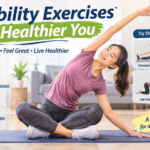








Flexibility exercises are often overlooked yet play a pivotal role in maintaining overall health and well-being. They are not just about being able to touch your toes; these exercises improve physical performance, enhance mobility, and even contribute to mental clarity. By incorporating flexibility routines into your life, you not only boost your body’s physical capabilities but also create a foundation for a balanced lifestyle.
Regular flexibility training helps prevent injuries, promotes recovery, and can alleviate stress. This holistic approach offers a pathway to better mental health, allowing for a more relaxed and focused mindset. With various techniques like static, dynamic, and ballistic stretching, flexibility exercises cater to everyone, from athletes to those simply wishing to improve their day-to-day comfort.
Understanding the Importance of Flexibility Exercises for Overall Health
Flexibility exercises are often overlooked in favor of strength training or cardiovascular workouts, yet they play a vital role in maintaining overall health. Regular stretching routines not only enhance physical capabilities but also contribute significantly to mental well-being. By incorporating flexibility exercises into daily routines, individuals can experience a multitude of health benefits that promote longevity and quality of life.
Flexibility exercises are crucial for physical health as they directly influence the range of motion in joints and muscles. Improved flexibility allows for better movement patterns, which can enhance performance in various activities, from sports to daily tasks. Stretching helps to elongate tight muscles and improve circulation, aiding in the delivery of oxygen and nutrients to muscle tissues. This increased blood flow supports muscle recovery and reduces fatigue. Furthermore, flexibility training can alleviate muscle tension, which can often lead to discomfort or pain. When muscles and connective tissues are flexible, the body can move more freely, reducing the risk of strains and sprains.
Psychological Benefits and Injury Prevention
Regular stretching routines have been associated with numerous psychological benefits. Engaging in flexibility exercises can serve as a form of mindfulness, promoting relaxation and reducing stress levels. The act of stretching encourages individuals to focus on their breath and body, fostering a mental state of calmness. This practice can lead to decreased anxiety and improved mood, making flexibility exercises a beneficial addition to any wellness routine. Moreover, the discipline of incorporating these exercises into a regular schedule can instill a sense of accomplishment and boost self-esteem.
The role of flexibility in injury prevention and recovery cannot be overstated. By maintaining a good level of flexibility, individuals can minimize the risk of injuries during physical activities. Stretching prepares the muscles and joints for the demands of exercise, making them more resilient to strains. Additionally, flexibility exercises are essential in the rehabilitation process after an injury. They aid in restoring a full range of motion, which is vital for recovery. A study indicated that athletes who regularly engaged in flexibility training had significantly lower injury rates compared to those who did not. The importance of flexibility extends beyond just performance; it is a key factor in overall physical health and injury prevention.
In conclusion, flexibility exercises are a cornerstone of a well-rounded fitness program, contributing not only to physical health but also enhancing psychological resilience and reducing injury risk.
Different Types of Flexibility Exercises and Their Benefits
Flexibility exercises play a crucial role in enhancing overall mobility, preventing injuries, and improving athletic performance. Understanding the different types of flexibility exercises—static, dynamic, and ballistic—can help individuals choose the appropriate methods to achieve their fitness goals. Each type offers unique benefits and techniques that target various muscle groups effectively.
Overview of Stretching Techniques
Stretching techniques can be categorized into three main types: static, dynamic, and ballistic. Each method has distinct characteristics and applications that significantly influence flexibility enhancement.
Static Stretching
Static stretching involves holding a stretch position for a specific period, typically between 15 to 60 seconds. This method is effective for increasing muscle length and improving overall flexibility. It is often performed after workouts to aid in recovery and prevent muscle tightness.
Examples of static stretching include:
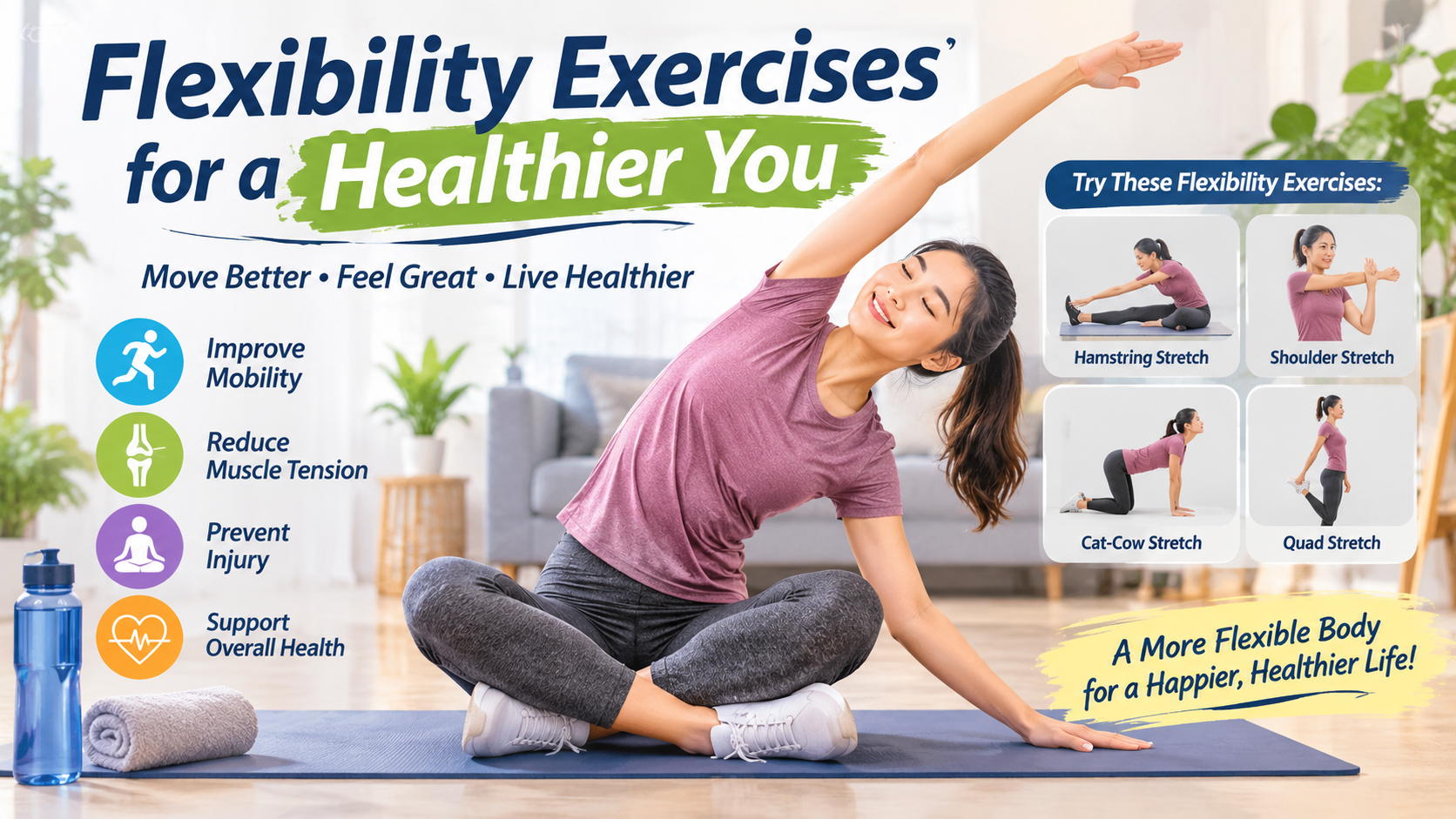
- Hamstring Stretch: Sitting with one leg extended, lean forward to reach towards your toes. This stretch targets the hamstrings, improving flexibility and reducing the risk of tears.
- Quadriceps Stretch: Standing on one leg, pull your opposite foot towards your glutes. This stretch focuses on the quadriceps, enhancing muscle elasticity and aiding in knee joint mobility.
- Shoulder Stretch: Bringing one arm across the body, use the opposite arm to pull it closer. This stretch helps open up the shoulder joints and decreases tension in the upper body.
Dynamic Stretching
Dynamic stretching involves moving parts of the body through a full range of motion in a controlled manner. It is particularly useful as part of a warm-up routine to prepare the muscles and joints for more vigorous activities, promoting increased blood flow and flexibility.
Examples of dynamic stretching include:
- Leg Swings: Swinging one leg forward and backward while keeping the torso stable. This exercise enhances hip flexibility and prepares the lower body for activity.
- Arm Circles: Rotating the arms in large circles, both forward and backward. This motion improves shoulder mobility and warms up the upper body.
- Lunges with a Twist: Stepping forward into a lunge while twisting the torso towards the front leg. This dynamic stretch engages the hip flexors and promotes spinal flexibility.
Ballistic Stretching
Ballistic stretching utilizes momentum to push the body beyond its normal range of motion. This technique is often considered advanced and should be approached with caution to prevent injury. It is effective for developing explosive power and agility.
Examples of ballistic stretching include:
- Bouncing Toe Touch: Bouncing down to touch the toes repeatedly. This movement increases hamstring flexibility but requires careful execution to avoid strains.
- High Kicks: Alternating leg kicks that rise above waist level. This exercise enhances flexibility in the hamstrings and hip joints.
- Arm Swings: Rapidly swinging the arms upward and downward. This technique increases shoulder flexibility and prepares the upper body for explosive movements.
Comparative Effectiveness of Flexibility Exercises
The effectiveness of flexibility exercises can vary based on the goals and type of activity. Below is a comparison table outlining the effectiveness of each type of stretching technique for enhancing flexibility.
| Type of Stretching | Effectiveness for Flexibility | Best Use Case |
|---|---|---|
| Static Stretching | High | Post-workout recovery and enhancing muscle length |
| Dynamic Stretching | Moderate to High | Warm-up routine before physical activity |
| Ballistic Stretching | Variable | Advanced athletes for specific explosive movements |
“Incorporating a variety of stretching techniques can lead to a well-rounded approach to flexibility and overall physical performance.”
Integrating Flexibility Exercises into Your Daily Routine
Incorporating flexibility exercises into a busy lifestyle can seem challenging, but with a little planning, it can be seamlessly integrated into your daily routine. By prioritizing these exercises, not only can you enhance your overall wellbeing, but also improve your physical performance and relieve stress throughout the day.
Finding practical methods to include flexibility exercises in your schedule is essential. You can take advantage of short breaks, early mornings, or even while watching TV. All it takes is a few minutes here and there to make meaningful progress in your flexibility.
Methods to Incorporate Flexibility Exercises
Flexibility exercises do not require extensive time commitments or special equipment, making them perfect for a busy lifestyle. Here are some effective methods to integrate these exercises into your day:
- Morning Routine: Set aside 5-10 minutes each morning for a quick stretching session to wake up your muscles and joints.
- Breaks at Work: Use your breaks to do stretches. Even a few minutes of stretching every couple of hours can help reduce tension.
- Commute Flexibility: If you use public transportation, consider stretching while waiting or during long rides.
- Post-Workout: Incorporate flexibility exercises as part of your cool-down routine after workouts to enhance muscle recovery.
- Evening Wind Down: Spend a few minutes stretching before bedtime to relax your body and mind, promoting better sleep.
Stretches Without Equipment
Flexibility exercises can be performed almost anywhere, and here are five stretches that you can easily do at home or in the office without any equipment:
- Neck Stretch: Gently tilt your head towards each shoulder, holding for 15 seconds on each side to relieve neck tension.
- Shoulder Stretch: Cross one arm over your chest and gently pull it closer with the opposite arm, holding for 15 seconds on each side.
- Cat-Cow Stretch: On all fours, alternate between arching your back upwards and sinking it downwards to enhance spinal flexibility.
- Hamstring Stretch: While sitting, extend one leg out and reach towards your toes, holding for 15-30 seconds on each side.
- Quadriceps Stretch: Stand on one leg and pull the opposite foot towards your glutes to stretch the front of your thigh, holding for 15 seconds on each side.
Weekly Flexibility Routine
Creating a structured weekly flexibility routine can significantly improve your flexibility over time. Here’s a simple plan targeting major muscle groups, specifying duration and frequency:
| Day | Muscle Group | Exercises | Duration |
|---|---|---|---|
| Monday | Upper Body | Shoulder Stretch, Neck Stretch | 10 minutes |
| Tuesday | Back | Cat-Cow Stretch, Seated Torso Twist | 10 minutes |
| Wednesday | Lower Body | Hamstring Stretch, Quadriceps Stretch | 10 minutes |
| Thursday | Full Body | Sun Salutations | 15 minutes |
| Friday | Core | Seated Forward Bend, Cobra Stretch | 10 minutes |
| Saturday | Flexibility Maintenance | Combination of Favorite Stretches | 20 minutes |
| Sunday | Rest Day | No formal stretching | – |
Regularly engaging in flexibility exercises as Artikeld can significantly enhance your physical well-being and overall health, making it easier to manage the demands of a busy lifestyle.
The Role of Flexibility in Sports Performance
Flexibility plays a crucial role in enhancing athletic performance across various sports disciplines. By allowing for greater range of motion in the joints and muscles, increased flexibility contributes to improved movement efficiency, which can directly impact an athlete’s performance. This connection between flexibility and overall athletic capability is well-documented and widely recognized among trainers and athletes alike.
Flexibility is interconnected with several key components of athletic performance, including agility, strength, and endurance. Enhanced flexibility facilitates smoother, faster movements, which are essential for agility. It allows muscles to stretch further, improving strength by enabling a greater range of motion during lifts and explosive movements. Additionally, athletes with better flexibility can maintain proper form and technique over longer periods, aiding in endurance. This interplay highlights the significance of incorporating flexibility training into an athlete’s regimen.
Flexibility Needs Across Different Sports
Different sports have unique flexibility requirements. Recognizing these distinctions helps athletes tailor their training programs effectively. Below are examples of various sports and their specific flexibility needs, along with recommended exercises to address those needs.
In team sports like soccer and basketball, athletes benefit from flexibility to perform quick directional changes and prevent injuries. Dynamic stretching routines, such as leg swings and trunk rotations, are effective for warming up and enhancing flexibility.
In contrast, sports like gymnastics and dance require a more advanced level of flexibility. Static stretches, such as the splits and backbends, are essential for achieving the high degree of flexibility needed in these disciplines.
For strength sports such as weightlifting, flexibility aids in achieving optimal lifting positions. Exercises like deep squats and shoulder dislocates help increase flexibility in the hips and shoulders, crucial for proper technique.
Endurance sports, like long-distance running, also demand flexibility, as it can help maintain efficiency over longer distances. Stretching routines focusing on the hamstrings, calves, and hip flexors, such as toe touches and lunges, are beneficial for runners.
“Flexibility is not just about being able to touch your toes; it’s a fundamental aspect of athletic performance.”
Understanding these specific needs and incorporating targeted flexibility exercises into training regimens can significantly enhance performance and reduce the risk of injury.
Common Mistakes to Avoid When Performing Flexibility Exercises
Engaging in flexibility exercises is essential for improving overall mobility and preventing injuries. However, many individuals make common errors that can impede their progress or lead to discomfort. By identifying these mistakes and learning how to perform stretches correctly, you can maximize the benefits of your flexibility routine.
One frequent issue is rushing through stretches without allowing sufficient time for the body to adapt. Stretching too quickly can cause muscle strain or lead to ineffective results. Additionally, poor form during stretches can negate the advantages and even result in injury. It’s crucial to pay attention to your body and focus on maintaining proper alignment throughout each stretch.
Common Errors in Flexibility Training
To help ensure a safe and productive stretching routine, here are five common mistakes to avoid:
- Forgetting to Warm Up: Jumping straight into stretching without warming up can lead to muscle injuries. A brief period of light cardio enhances blood flow and prepares your muscles for stretching.
- Overstretching: Pushing your body too far can cause ligament and muscle strains. Always stretch to the point of mild tension, not pain.
- Holding Breath: Many people inadvertently hold their breath while stretching, which can tighten muscles. Focus on deep, relaxed breathing to help your body relax into the stretch.
- Neglecting Flexibility for Specific Muscle Groups: Some individuals may focus solely on popular muscle groups while ignoring others. A balanced approach that targets all major muscle groups is vital.
- Using Momentum: Bouncing or jerking during stretches can lead to injuries. Instead, use controlled movements to reach the desired position.
Understanding how to perform flexibility exercises correctly is just as important as knowing what to avoid. Here are some valuable tips to enhance your stretching routine:
- Warm Up Properly: Spend at least 5-10 minutes engaging in light aerobic activity before stretching. This could include walking, jogging in place, or cycling.
- Practice Gradual Progression: Increase the intensity and duration of your stretches slowly over time to avoid injury and improve flexibility effectively.
- Stay Focused on Breathing: Incorporate rhythmic breathing into your routine to maintain relaxation and enhance the effectiveness of each stretch.
- Be Consistent: Regularly incorporating flexibility exercises into your routine will yield the best results over time.
- Listen to Your Body: Pay attention to what your body tells you and avoid pushing into painful ranges of motion.
To summarize, here are some essential dos and don’ts to keep in mind for a safe and effective flexibility routine:
- Do: Warm up before stretching.
- Do: Focus on proper form and alignment.
- Do: Include a variety of stretches targeting all major muscle groups.
- Don’t: Rush through your routine.
- Don’t: Use jerky movements or momentum to achieve stretches.
- Don’t: Ignore discomfort or pain; adjust your stretches accordingly.
Proper flexibility training is not just a formality; it’s an essential aspect of overall fitness and injury prevention.
Flexibility Exercises for Different Age Groups
Flexibility is an essential component of physical fitness that significantly impacts overall health and mobility. As individuals progress through various life stages, their flexibility needs and capabilities evolve. This section explores how flexibility requirements change from childhood to senior age, offering age-specific routines and modifications to enhance flexibility for every group.
Flexibility Needs Across Life Stages
The need for flexibility varies significantly at different ages due to physiological, anatomical, and lifestyle changes. Children typically possess higher flexibility, which decreases as they age. Young adults benefit from maintaining flexibility to support physical performance and prevent injuries. As individuals enter their senior years, flexibility becomes crucial for maintaining mobility, reducing the risk of falls, and enhancing quality of life.
For each age group, specific routines can help address their unique flexibility needs:
Flexibility Routines for Children
Encouraging flexibility in children is vital as it enhances their physical performance and reduces the risk of injuries. Simple and fun routines are effective for this age group. Here are some activities:
- Cat-Cow Stretch: A playful exercise where children get on hands and knees, arching their back like a cat and then lowering it like a cow. This promotes spinal flexibility.
- Butterfly Stretch: Sitting with the soles of the feet together, children can flap their knees like butterfly wings, helping to open their hips.
- Forward Bend: Standing tall and then bending over to touch their toes encourages hamstring and back flexibility.
Flexibility Routines for Adults
Flexibility routines for adults should focus on maintaining mobility and preventing stiffness due to sedentary lifestyles. Here are key exercises:
- Standing Quad Stretch: While holding onto a wall for balance, pull one foot towards the glute to stretch the thigh.
- Seated Forward Fold: Sitting with legs extended, reach forward towards the toes to stretch the back and hamstrings.
- Chest Opener: Standing tall, clasp hands behind the back and lift them to open up the chest and shoulders.
Flexibility Routines for Seniors
Flexibility becomes increasingly important in senior age to maintain independence and prevent falls. Gentle and supportive routines are essential. Here are recommended exercises:
- Chair Yoga Poses: Simple seated poses help improve flexibility without strain, such as seated cat-cow and seated forward bends.
- Wall Stretch: Using a wall for support, seniors can perform gentle stretches for arms and legs to maintain flexibility.
- Gentle Neck Rolls: Slowly rotating the neck can enhance cervical spine mobility and relieve tension.
Encouraging Flexibility Practices
Motivating individuals across age groups to practice flexibility exercises can lead to lasting benefits. Engaging children through games and fun activities can foster a positive attitude toward flexibility. For adults, incorporating flexibility routines into regular workouts or stretching sessions can enhance compliance. Seniors can be encouraged through social classes or gentle exercise groups that foster community support, making it easier to stay committed to maintaining flexibility.
“Flexibility exercises not only improve physical health but also enhance emotional well-being by promoting relaxation and stress relief.”
Flexibility and Mental Well-being
Flexibility exercises are not just about physical mobility; they play a significant role in enhancing mental well-being. Incorporating stretching into your daily routine can alleviate stress, promote relaxation, and improve overall mood. The impact of flexibility exercises extends beyond the body, fostering a sense of calm and clarity in the mind.
The connection between flexibility exercises and stress relief lies in the body’s physiological responses during stretching. When you stretch, your body releases endorphins, often referred to as “feel-good” hormones. These endorphins help reduce feelings of stress and anxiety, creating an overall sense of well-being. Moreover, stretching encourages deep breathing, which further enhances relaxation and promotes a meditative state. Engaging in a regular stretching routine can become a powerful tool in managing stress and improving mental health.
Mindfulness Techniques in Stretching Sessions
Incorporating mindfulness techniques during stretching can amplify the mental benefits of flexibility exercises. Mindfulness involves focusing your attention on the present moment and embracing a non-judgmental awareness. Here are several techniques that can be seamlessly integrated into your stretching routine:
- Deep Breathing: Focus on your breath as you stretch. Inhale deeply through your nose, allowing your abdomen to rise. Exhale slowly through your mouth, releasing tension with each breath.
- Body Scan: As you hold each stretch, mentally scan your body for areas of tension. Acknowledge these sensations without judgment and visualize them melting away.
- Visualization: Picture a peaceful scene, such as a serene beach or a tranquil forest, as you stretch. This mental imagery can enhance relaxation and create a calming atmosphere.
- Gratitude Practice: While stretching, take a moment to reflect on aspects of your life for which you are grateful. This practice can shift your mindset and foster positive emotions.
The profound mental health benefits of consistent flexibility practice can be illustrated through the experiences of individuals who have embraced these exercises. For instance, a case study of a corporate employee, overwhelmed by the demands of work, found solace in a daily stretching routine. This individual reported improved mood and reduced anxiety levels after just a few weeks of integrating short stretching sessions into their day. Another example is a college student who incorporated yoga-inspired stretches during exam periods, leading to enhanced focus and decreased stress levels.
In essence, flexibility exercises not only enhance physical well-being but also serve as a vital component for mental health. By adopting mindfulness techniques during stretching, individuals can cultivate a more profound connection between their body and mind, ultimately leading to a more balanced and fulfilling life.
Flexibility Exercises for Rehabilitation and Injury Recovery
Flexibility plays a crucial role in rehabilitation and injury recovery by enabling the body to regain its full range of motion, facilitating healing, and preventing future injuries. Incorporating flexibility exercises into rehabilitation programs can enhance overall recovery by reducing stiffness, improving circulation, and promoting relaxation in the muscles and connective tissues. This focus on flexibility not only aids in physical recovery but also supports emotional well-being during the rehabilitation process.
Specific flexibility exercises can greatly benefit individuals recovering from common injuries. Ensuring these exercises are performed correctly is essential for maximizing their effectiveness and minimizing the risk of further injury. Here are some beneficial flexibility exercises tailored for various injuries:
Flexibility Exercises for Common Injuries
Incorporating the right flexibility exercises into a recovery routine can significantly enhance rehabilitation outcomes. Below are specific exercises recommended for four common injuries, along with instructions for each:
- Hamstring Strain: Stretching the hamstrings is critical for recovery. A seated hamstring stretch can be performed by sitting on the floor with one leg extended and the other bent. Reach towards the toes of the extended leg while keeping the back straight. Hold for 20-30 seconds, feeling the stretch in the back of the thigh.
- Shoulder Injury: For a shoulder injury, a doorway stretch is effective. Stand in a doorway with arms at 90-degree angles. Place forearms on the doorframe and lean forward slightly until a gentle stretch is felt across the chest and shoulders. Hold for 20-30 seconds.
- Lower Back Pain: A gentle cat-cow stretch can aid lower back recovery. Start on all fours, arch your back towards the ceiling (cat), and then drop your belly and lift your head (cow). Repeat this sequence for 5-10 cycles, focusing on controlled movements.
- Quadriceps Strain: A standing quadriceps stretch can help restore flexibility. Stand on one leg and pull the opposite heel towards your buttock, keeping the knees close together. Hold onto a wall or chair for balance as you feel the stretch in the front of the thigh. Hold for 20-30 seconds.
A structured rehabilitation plan incorporating flexibility exercises can facilitate optimal recovery for hypothetical injury scenarios. Below is an example plan tailored for a common injury, such as an ankle sprain.
Rehabilitation Plan for an Ankle Sprain
A well-rounded rehabilitation plan should focus on flexibility, strength, and stability. Here’s an Artikel featuring flexibility exercises alongside other essential components:
| Week | Activities | Flexibility Exercises |
|---|---|---|
| 1 | Rest, Ice, Compression, Elevation | Gentle ankle circles; 3 sets of 10 repetitions, twice daily |
| 2 | Light range of motion exercises; gradual weight bearing | Toe flex and point; 3 sets of 10 repetitions, twice daily |
| 3 | Progressive strengthening exercises | Calf stretches; 3 sets of 30 seconds, twice daily |
| 4 | Jumping and balance training | Wall stretch for anterior ankle; 3 sets of 30 seconds, twice daily |
Flexibility exercises are integrated into each stage of this rehabilitation plan to ensure the ankle regains mobility while also preventing stiffness. Consistent practice and progression in flexibility will support a full recovery and help maintain overall joint health.
Ending Remarks
In conclusion, embracing flexibility exercises can transform your health journey, ensuring you remain agile and resilient at any age. By understanding their importance, learning different techniques, and avoiding common mistakes, you can reap the benefits that go beyond the physical. So, take a moment each day to stretch and breathe, allowing yourself to thrive both physically and mentally.
Q&A
What are the best times to perform flexibility exercises?
The best times to perform flexibility exercises are after a workout when your muscles are warm or during dedicated stretching sessions throughout the day.
How often should I do flexibility exercises?
It’s generally recommended to engage in flexibility exercises at least 2-3 times a week for optimal benefits.
Can flexibility exercises help with posture?
Yes, regular flexibility exercises can improve posture by lengthening tight muscles and strengthening weak ones.
Is it normal to feel pain while stretching?
You should feel a gentle pull, not pain. If you experience pain, it’s important to ease off and adjust your technique.
Can I do flexibility exercises if I am not very flexible?
Absolutely! Flexibility exercises can be modified to suit your current level, and over time, you will see improvement.