





A longer life matters most when we can remain active, connected, and engaged through more of it. Healthspan means the years we remain able to function, engage, and live independently, not simply the total years lived. Lifespan counts all the years we live; healthspan focuses on how well we can live them.
For many of us, the goal is not just to add years. It is to keep enough health to enjoy daily life, care for people we love, and take part in things that matter. Customs from long-lived communities can offer useful ideas, but they cannot promise a certain result.
We can look at those routines as examples to adapt to our own needs, culture, and circumstances. Small changes may support health over time, even when we cannot control every risk or outcome.
Key Takeaways
- Healthspan describes years lived with the ability to function and take part in daily life.
- Life expectancy is a group average, not a personal prediction.
- Blue Zones offer cultural examples, not guarantees of extra years.
- Food, movement, sleep, and social ties can support health as we age.
- We can start with one small habit that fits our lives.
We can borrow useful routines without expecting any one food or habit to guarantee a longer life.
How Does U.S. Life Expectancy Compare by Gender?
U.S. life expectancy at birth reached 79.0 years in 2024, but the figure differs by sex and remains below the comparable-country average. At birth, it was 81.1 years for females and 75.8 years for males in 2023.
The 2023 overall figure was 78.4 years, up 0.9 year from 77.5 in 2022. In 2024, the U.S. average rose 0.6 years from 2023. At 79.0 years, the 2024 U.S. figure was 3.7 years below the 82.7-year average in comparable countries.
| Population | Year | Life expectancy at birth |
|---|---|---|
| Overall | 2022 | 77.5 years |
| Overall | 2023 | 78.4 years |
| Males | 2023 | 75.8 years |
| Females | 2023 | 81.1 years |
| Overall | 2024 | 79.0 years |
| Comparable countries average | 2024 | 82.7 years |
The WHO’s United States health profile tracks life expectancy alongside other health indicators. These figures describe populations, not a specific person’s likely lifespan. A person’s health, age, and circumstances differ from the group average.
Population averages describe groups, and longevity habits cannot guarantee a specific number of years for any one person.
Life expectancy at birth estimates how long a newborn might live if current death rates continued. It does not predict the exact age any child or adult will reach. The estimate can shift as death rates change over time.
There are many ways to support health and reduce some risks, but no lifestyle routine can set a person’s lifespan. Treat population averages as context, not as a personal forecast.
What Longevity Secrets Do Blue Zones Share?
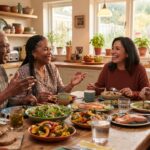
The five Blue Zones share recurring themes, but their traditional meals and daily routines are not identical. Plant-forward meals, regular social contact, and a role in daily life appear across the regions, with local customs shaping how people put them into practice.
Dan Buettner identified five Blue Zones in the early 2000s: Loma Linda, California; Ikaria, Greece; Okinawa, Japan; Sardinia, Italy; and Nicoya, Costa Rica. These regions are examples of cultural patterns, not controlled tests of one cause.
| Region | Traditional food pattern | Daily-life or social cue |
|---|---|---|
| Ikaria, Greece | Vegetables, beans, olive oil, and local greens | Meals and time with friends |
| Sardinia, Italy | Grains, beans, vegetables, and fish | Family and community ties |
| Okinawa, Japan | Sweet potatoes, soy foods, and vegetables | Hara hachi bu and mutual support |
| Nicoya, Costa Rica | Corn, beans, and local produce | Family ties and a daily sense of purpose |
| Loma Linda, California | Beans, vegetables, fruits, and whole grains | Faith community and shared routines |
Greek and Sardinian food traditions
Ikaria and Sardinia both draw on Mediterranean-style foods, but their local meals differ. Ikarian cooking often uses beans, vegetables, greens, and olive oil. Sardinian traditions include grains and fish, along with plant foods.
These meals reflect local crops, customs, and access to food. They are not a single fixed menu, and they do not prove that one dish explains long life. Friends and family also shape how people eat and spend time together.
Okinawan, Nicoyan, and Loma Linda routines
Okinawa’s traditional meals include sweet potatoes and soy foods. Hara hachi bu is a traditional reminder to stop eating before feeling completely full. It is a cultural practice, not a promise of extra years.
Nicoyan meals often include corn and beans, while Loma Linda’s plant-forward patterns draw on vegetables, beans, and grains. Local routines differ, too. In Okinawa, moai groups provide mutual support, while other communities build connection through family, faith, or shared work.
Readers interested in more adaptable longevity routines can treat these examples as ideas, not rules. Borrow the pattern that fits our own culture and circumstances, rather than trying to recreate another region exactly.
What Should We Eat for Healthy Aging?
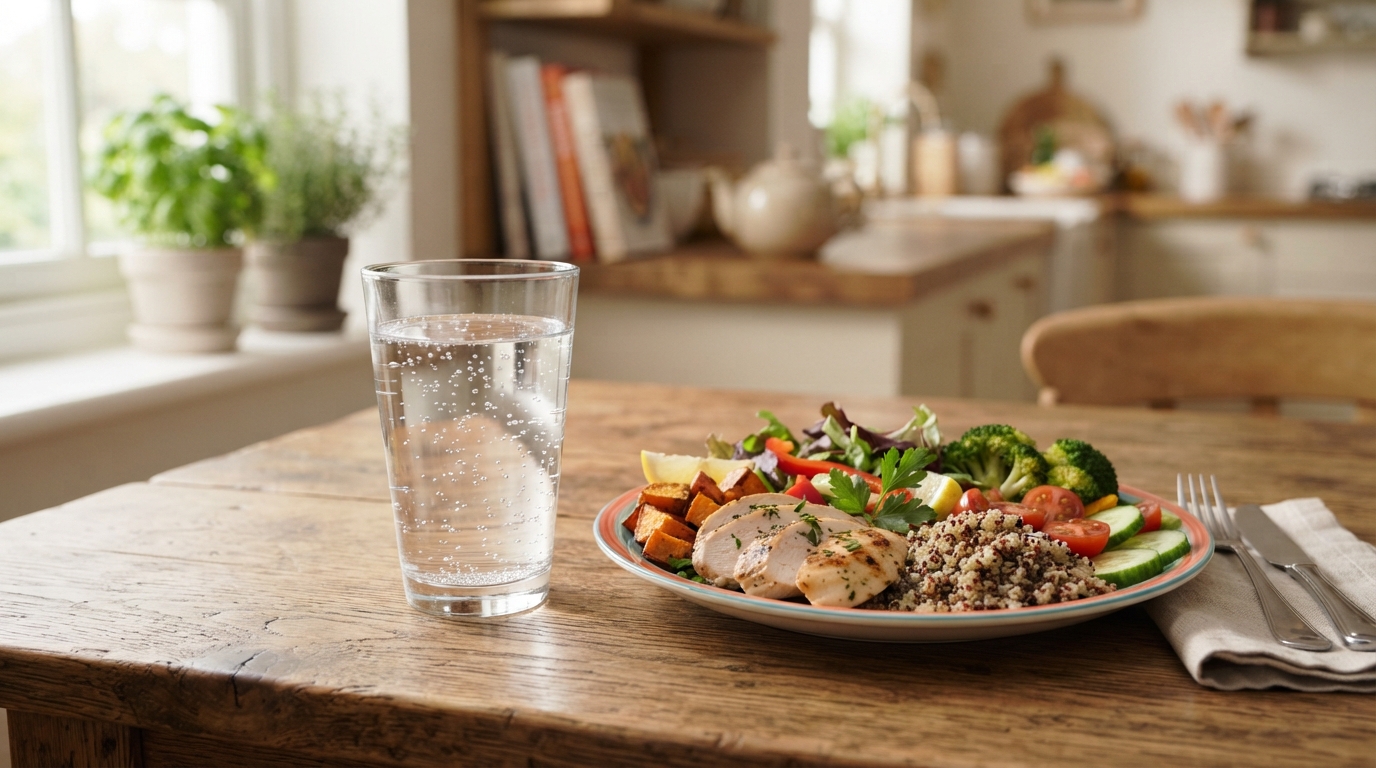
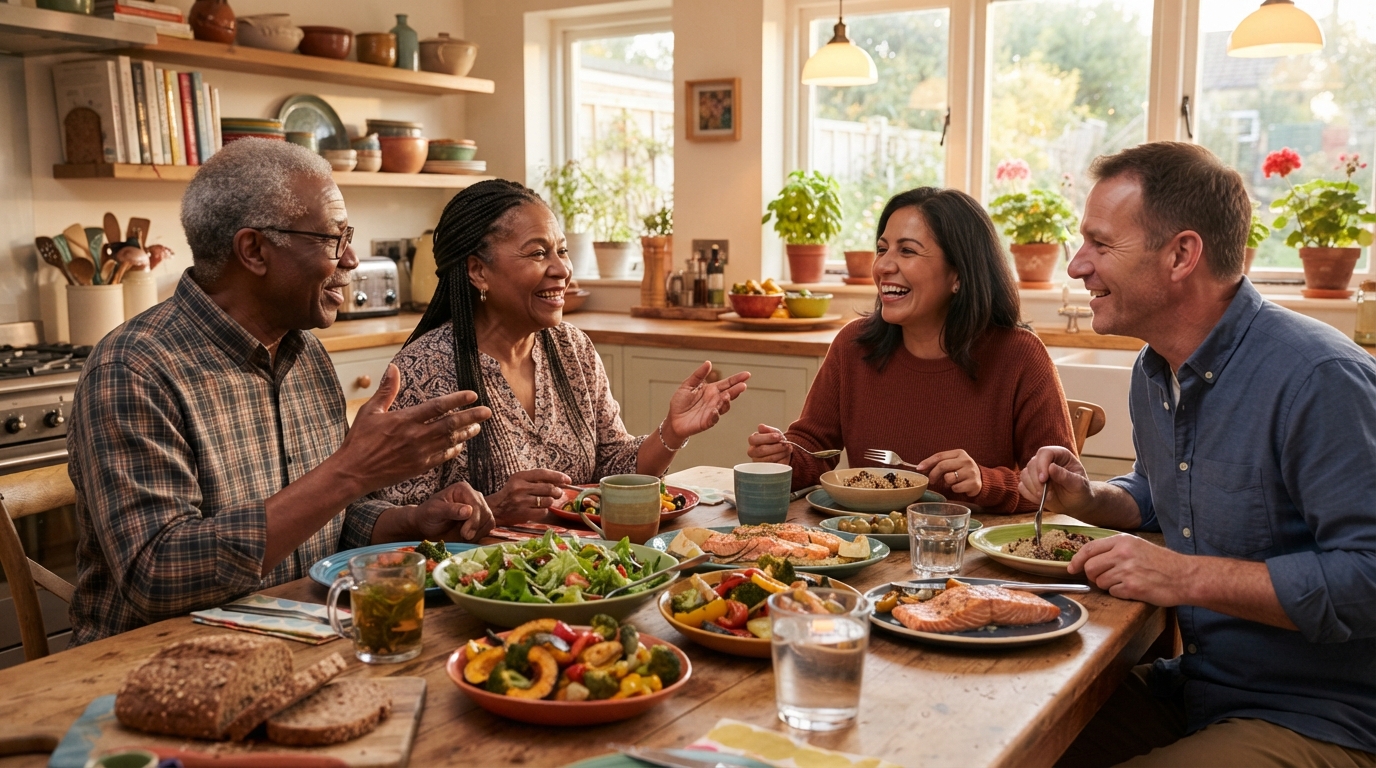
A helpful starting point is to make beans, vegetables, fruit, and whole grains regular parts of our meals. Plant-forward eating does not require cutting out every animal food. It puts more nutritious plant foods at the center of the plate.
A practical plate can include legumes, several kinds of vegetables, fruit, whole grains, and nuts. Unsaturated fats, such as olive oil, can add flavor. Fish can be an option, while heavily processed foods and refined sugar can take a smaller role.
What a plant-forward plate includes
We can build meals around familiar foods rather than chase a perfect menu. A bowl of beans and brown rice with vegetables is one option. A sandwich with whole-grain bread, greens, and fruit works, too.
- Beans, lentils, and other legumes
- Leafy greens and colorful vegetables
- Fresh or frozen fruits
- Oats, brown rice, and other whole grains
- Nuts, seeds, and olive oil
These choices provide different nutrients and flavors, so variety can make meals easier to enjoy. The best pattern is one we can afford, prepare, and repeat. Fish or small amounts of meat may fit our needs and preferences.
How to read the mortality findings
A 2025 meta-analysis reviewed 11 prospective cohort studies covering 13 datasets. It searched for studies published up to October 2024. People in the highest group for a plant-based diet index, or PDI, had a pooled all-cause mortality hazard ratio of 0.85 compared with the lowest group.
For a healthy PDI, the pooled hazard ratio was 0.86. For an unhealthy PDI, it was 1.20. These hazard ratios compare groups and show associations; they are not the percentage by which one person’s absolute risk falls.
A healthy plant-based pattern is not the same as one built around less nutritious plant foods. The index counts the overall mix, not just whether a meal contains plants. Chips, refined grains, and sugary foods can come from plants without forming a healthful diet.
We can read the findings as support for food quality, not a guarantee. The pooled PDI findings compare groups over time and cannot predict one person’s outcome. Choose a repeatable overall eating pattern instead of searching for one “number one” longevity food.
How Much Movement Supports a Longer Life?
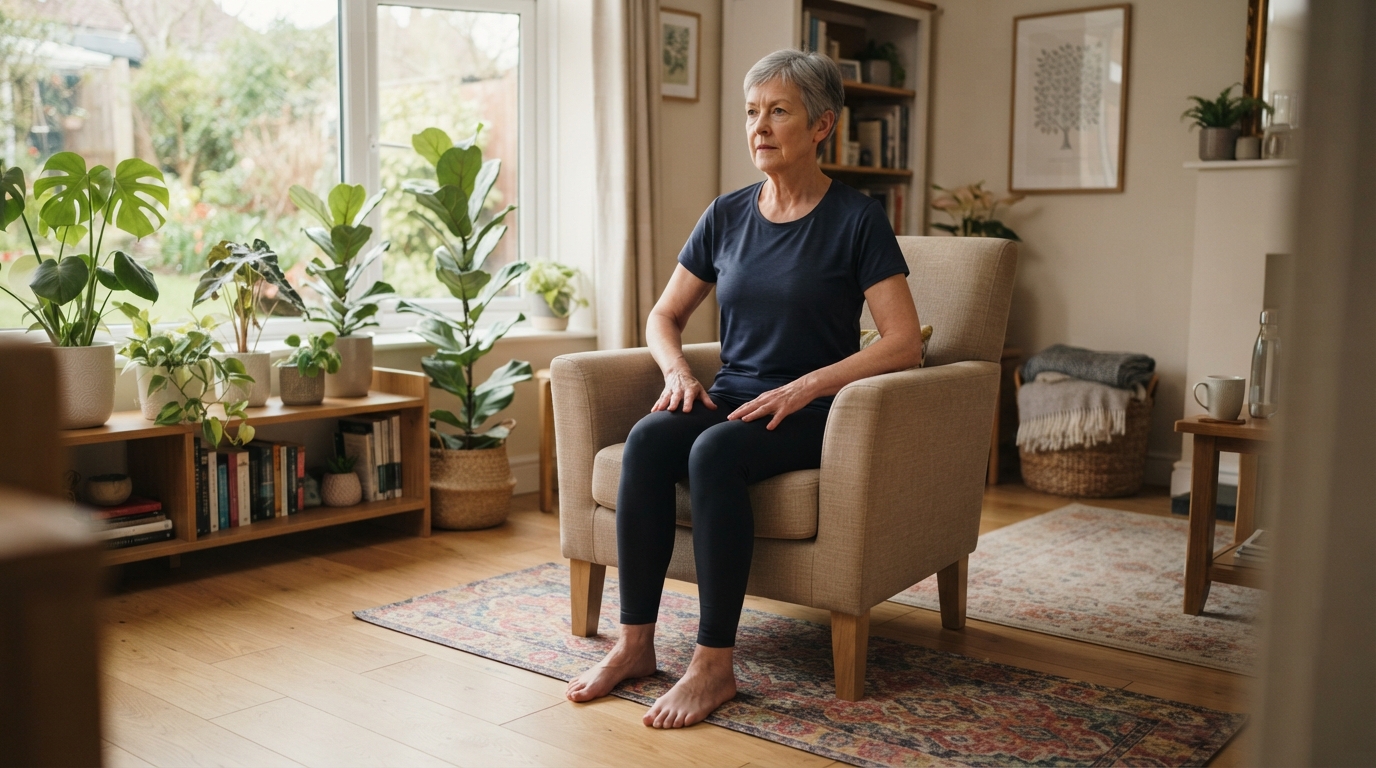
Walking counts, and building more movement into an ordinary day can be a practical place to begin. Everyday activity includes walking to a store, gardening, taking stairs, and moving during chores, even when we do not call it exercise.
U.S. guidelines advise adults to get at least 150 minutes of moderate-intensity activity each week and do muscle-strengthening activity on two days. That is a useful target, not a pass-or-fail test. We can build toward it in smaller blocks.

Build activity into ordinary tasks
Daily movement can fit between other parts of life. A walk after lunch may be easier to keep than a long workout planned for later. Gardening, active errands, and household tasks also get us moving.
- Walk for part of a trip or errand.
- Take the stairs when they feel safe.
- Garden, rake leaves, or tend plants.
- Stand and move during a break.
These options help us spend less time sitting, but they do not replace every kind of exercise. A brisk walk can raise the heart rate. Strength work challenges muscles and helps the body handle daily tasks.
Add exercise that challenges strength and heart
Planned aerobic activity can include brisk walking, cycling, or swimming. Strength work can use body weight, resistance bands, or weights. We can choose forms that suit our health, access, and comfort.
A 2025 life-table analysis using 2017 U.S. mortality data estimated that Americans over age 40 could live an average of 5.3 additional years if everyone matched the activity level of the most active 25%. Among people in the lowest activity quartile, an extra hour of walking was linked to an estimated 376.3 minutes of added life expectancy.
These are population-level estimates, not a clock for any individual walk. The 376.3-minute estimate does not mean one hour of walking adds that fixed amount to every person’s life. No specific exercise is established to add 10 years for everyone; the estimate depends on the activity comparison and is not a personal guarantee.
The life-table activity estimates show how modeled averages change across groups. They do not tell us exactly what any one person will gain. Start from our current activity level and build up at a pace that feels sustainable.
How Do Sleep and Stress Affect Healthy Aging?
A regular sleep schedule is a more useful starting point than trying to compensate for restless nights with occasional catch-up sleep. Steady routines can support daily energy and wellbeing as we age, even when life does not allow a perfect night.
Adults generally need at least seven hours of sleep per night. Going to bed and waking at similar times can help set a steady rhythm. A calm 20-30 minute wind-down is a practical bedtime rule of thumb.
Protect a steady sleep schedule
A wind-down might include reading, gentle stretching, or getting clothes ready for the next day. We can dim lights and set aside work before bed. Late-night screen use is worth reducing when it keeps us awake or delays bedtime.
Some nights will still go poorly. A difficult week, pain, or a noisy home can disrupt sleep, and that is not a personal failure. Persistent problems deserve care, especially when they affect focus, mood, or daily tasks.
Give stress a daily off-ramp
Stress is part of life, but we can make room for small pauses. Slow breathing for a few minutes may help us settle. A hobby can shift our attention from a loop of worries to something we enjoy.
A short outdoor break can offer a change of scene. Talking with someone we trust can help us feel less alone with a hard problem. We do not need a special tool or a long block of free time to try these options.
The National Institute on Aging’s healthy aging overview covers sleep, mental health, and other areas of wellbeing. We can bring ongoing distress to a clinician, counselor, or other qualified health professional for help.
Sleep problems can have many causes, and a healthcare professional can help us sort through them. If sleep disruption or stress keeps interfering with daily life, bring it up with a healthcare professional.
Why Do Friends and Purpose Matter for Longevity?
Staying connected can be part of a healthier life, even though it cannot tell us how many years we will live. Reliable ties give us chances to share help, company, and ordinary moments with people who matter to us.
Connection can be as simple as a weekly call, a shared meal, or a regular walk with a friend. No visible sign can reliably predict an individual’s lifespan. Friendship and purpose still have value for quality of life.

Keep reliable social ties
We can make contact easier by choosing a routine and keeping it simple. A standing call with family may work better than waiting for the perfect free evening. A shared hobby gives friends something to look forward to together.
Support goes both ways. We might help a neighbor with an errand, then accept help when we need it. These small exchanges can make relationships feel steady without turning friendship into another task to finish.
Hold on to purpose as routines change
A sense of purpose may come from work, caregiving, art, faith, learning, or service. It can change as our health, family roles, and schedules shift. We can keep meaning in view by making time for activities that matter now.
Okinawan moai are longstanding mutual-support groups. Ikigai is a Japanese concept associated with a sense of purpose. Both are cultural concepts, not prescriptions that work the same way for everyone.
There is no single test for friendship or purpose, and neither can foretell a personal lifespan. We can still care for these parts of life because they make days feel more connected and meaningful.
Choose one relationship or meaningful activity we can give regular time to.
Which Health Risks and Checkups Deserve Our Attention?
Avoiding tobacco is a high-impact step, and preventive care can help us identify risks before they become harder to manage. Routine care also gives us a chance to talk about blood pressure, blood sugar, weight, and family history.
A 30-year Harvard study linked five low-risk habits with longer life expectancy: a healthy diet, regular physical activity, healthy weight, moderate alcohol consumption, and not smoking. Compared with people who followed none, those who followed all five had an association with 14 additional years for women and 12 for men.
Those results show an association, not a promise of extra years. People who do not drink should not start for health benefits. Avoiding tobacco matters, while alcohol choices should reflect personal health and medical advice.
Screening depends on age, personal history, and risk. The U.S. Preventive Services Task Force recommends colorectal cancer screening for average-risk adults ages 45-75. Other tests may fit different ages or health histories.
For women, the core health habits apply across genders. Screening and prevention should still match a person’s age and medical history. A clinician can help weigh family history, past results, symptoms, and personal risk.
Heart disease and other chronic conditions can develop without obvious warning signs. Regular checkups help us review risk factors and decide what care makes sense. Ask a clinician which screenings fit our age, family history, and personal risk.
How Can We Make Longevity Habits Stick in Daily Life?
A routine is easier to keep when we begin with one or two actions that fit the day we already have. Small choices can help us build a lifestyle that supports health without turning every meal or errand into a project.
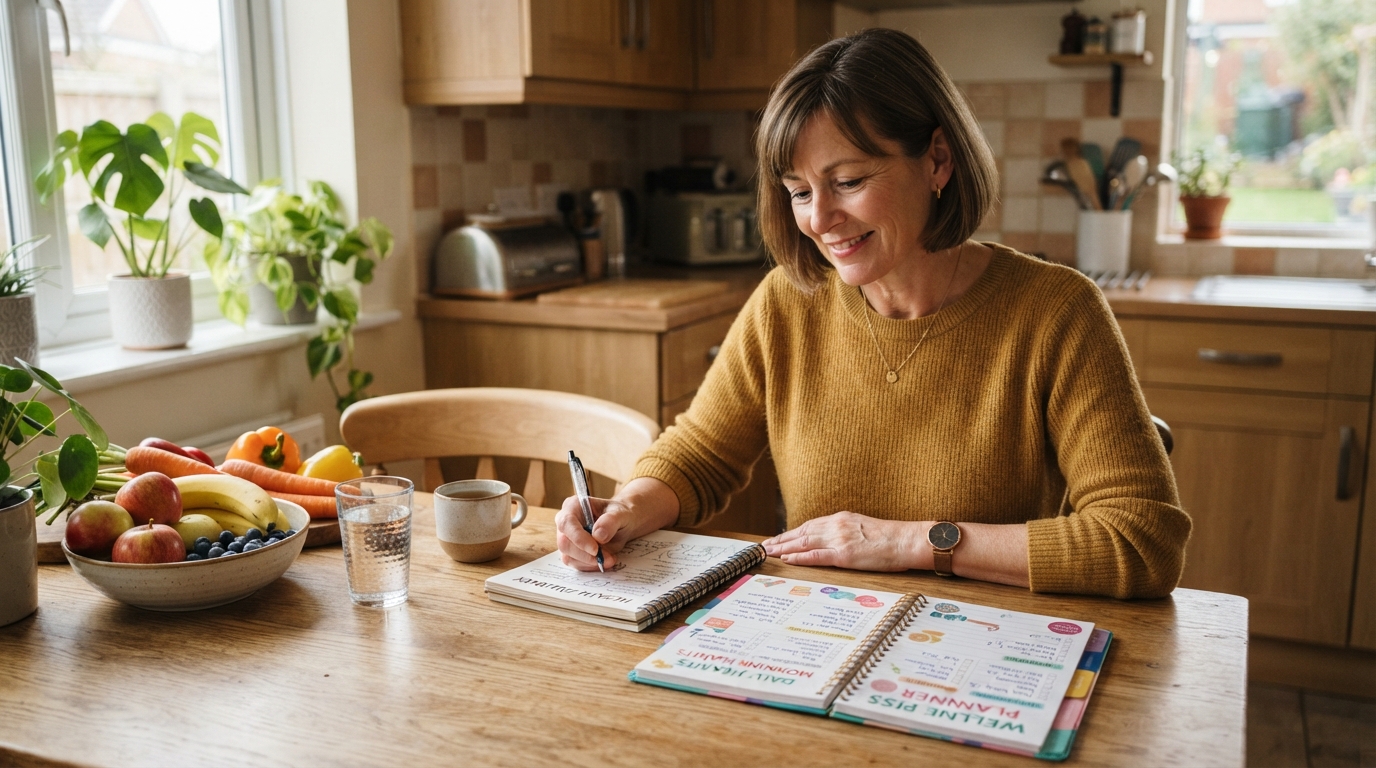
Pick one or two options and track them for two weeks before adding more. No proven method guarantees that we will live beyond 100. The lists are starting points, not a set of rules we must follow all at once.
Daily options
- Add one fruit or vegetable to a meal.
- Choose whole grains for one meal.
- Take a walk that fits our schedule.
- Keep a steady bedtime.
- Take a few slow breaths during a pause.
Weekly or ongoing options
- Contact a friend or family member.
- Schedule time for a meaningful activity.
- Plan meals that include beans, nuts, or grains.
- Build strength work into the week.
- Arrange recommended care or screening.
We can adjust each action to fit our health, budget, and time. A short walk around the block may be more realistic than a long route, and frozen vegetables can make meal planning easier.
Choose actions that fit our real lives; no checklist can ensure that we live past 100.
Keep the changes that feel sustainable and adjust the rest with support from a healthcare professional.
Conclusion
We do not need to change everything at once to take a meaningful step toward healthier aging. Everyday choices can support our health, but no food, routine, or community custom guarantees a specific lifespan.
Healthspan gives us a useful way to think about the years ahead: not only how long we live, but how well we can take part in life. Progress can start with one change that feels possible, rather than a plan that asks us to remake every day.
We can also raise health concerns or screening questions with a clinician, especially when a family history or symptom worries us. Choose one change for this week and set a specific time to begin.