








A busy day at home or work can make physical well-being feel like one more task. Small habits can fit routines we already have. Biological age is an estimate of how old the body appears based on health-related measures, distinct from the number of years we have lived.
We care for our bodies through everyday choices, not by chasing perfection. Sleep, food, movement, and preventive care can support our energy, daily function, and quality of life. Small changes can be easier to keep when they fit the shape of a normal day.
Work, family needs, and stress can crowd out time for care. We can start by noticing which routines already help us feel well, then build from there. Rest, regular meals, and brief movement can make care feel less like a separate job.
A useful first step is to notice which part of our routine most often leaves us tired or uncomfortable.
Key Takeaways
- Small, repeatable habits can fit into busy days.
- Sleep, food, movement, and preventive care all matter.
- Everyday function is a helpful way to think about health.
- We can choose one change that fits our current routine.
- Routine care can help us keep track of our health.
Physical Well-Being: What It Means and Why It Matters
Physical wellness means caring for our bodies in ways that help us manage everyday activities and protect our quality of life. It includes how comfortably we move, how well we keep up with routine tasks, and how we care for our health over time. Everyday function matters because it shapes what we can do at home, work, and in our communities.
Physical wellness supports our ability to take part in daily life. Life’s Essential 8 is a heart-health framework with healthy sleep, tobacco avoidance, physical activity, a healthy diet, healthy body weight, blood glucose, cholesterol, and blood pressure.
Examples of Physical Health in Everyday Life
Physical well-being examples include walking through a store without discomfort, carrying groceries, and using balance on stairs. These signs do not prove that every part of our health is fine. They offer practical ways to notice how our body handles daily demands.
A 2023 analysis of more than 6,500 adults used 2015-2018 National Health and Nutrition Examination Survey data. Adults with the highest Life’s Essential 8 scores had a biological age averaging six years younger than their chronological age, compared with those with the lowest scores. The six-year difference was an average, not a promise for each person.
Among participants with high cardiovascular health, chronological age averaged 41 years and biological age averaged 36. The findings were preliminary, and cardiovascular health was measured at one point in time. The American Heart Association also describes the study results.
How Physical and Mental Health Affect Each Other
Physical health and mental well-being can affect each other. Stress may change sleep, appetite, or our willingness to move, while pain or low energy can make daily tasks harder. Supportive routines may help us feel better, but they do not prevent or cure illness.
We can use a short self-check to spot habits that may need care:
- Keep a consistent sleep routine.
- Take a movement break during work.
- Include fruits or vegetables in a meal.
- Make time for routine care.
- Notice whether stress is affecting daily habits.
The Main Dimensions of Physical Wellness
Physical wellness has several dimensions, including sleep, activity, nutrition, weight, tobacco avoidance, and preventive care. Each can affect our health in a different way. Routine care may include checks with a doctor and dental visits, based on our needs.
These dimensions can help us see physical health as more than a number or one good day. A steady sleep schedule is a practical starting point. Avoid stimulating activities in the 1-2 hours before bed.
Which Foods Support Healthy Aging?
A useful eating pattern for healthy aging centers on plant foods, whole grains, and unsaturated fats rather than sugary drinks and processed meats. Fruits, vegetables, nuts, legumes, and low-fat dairy also fit this pattern. Food choices can support health, though no single diet guarantees a disease-free life.
Long-term questionnaire data from the Nurses’ Health Study and Health Professionals Follow-Up Study tracked 105,015 people from 1986 to 2016. After up to 30 years, 9,771 participants, or 9.3%, met the study’s healthy-aging definition: reaching age 70 free of chronic diseases and meeting cognitive, physical, and mental health measures.
The highest versus lowest group for the Alternative Healthy Eating Index (AHEI) had 1.86 times the odds of healthy aging, with a 95% confidence interval of 1.71-2.01. This association does not show that a diet caused the outcome or guarantee what will happen to one person. Higher intakes of trans fats, sodium, sugary beverages, and red or processed meats were linked to lower odds. Federal dietary guidelines have been updated every five years since 1980.
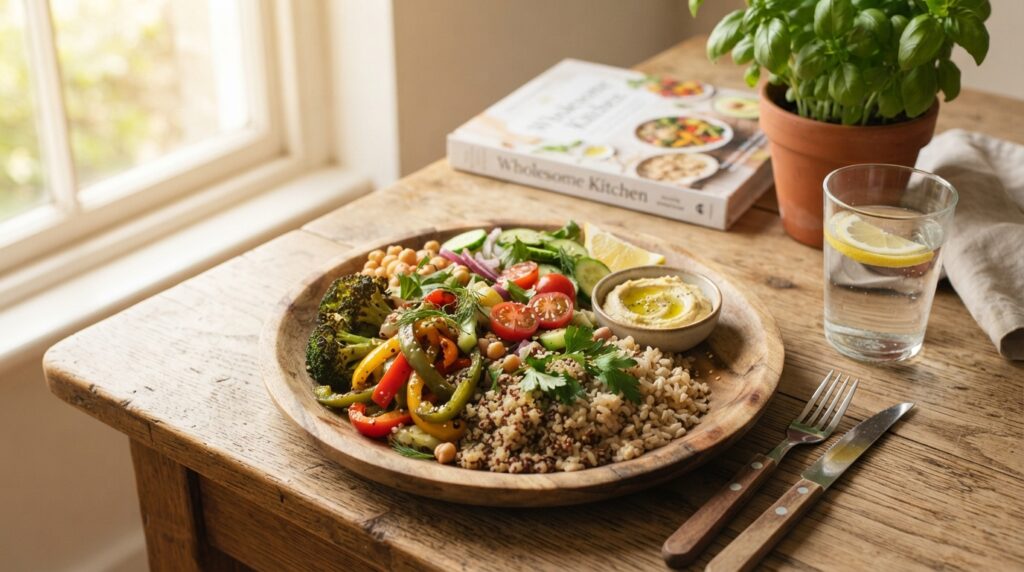
We can begin with one manageable swap, such as choosing whole grains more often.
How Can We Build Movement Into a Normal Week?
A walk split into shorter bouts can count toward our weekly movement goal just as it can when we have one uninterrupted block of time. Adults can work toward at least 150 minutes of moderate physical activity each week, plus strength training for all major muscle groups on two or more days. Short bouts count, and we can build up gradually.
We can break activity into chunks that fit around work, study, or home life. A two-minute standing or walking break every 20-30 minutes can interrupt long stretches of sitting. Different activities train different parts of our physical health.

Physical Well-Being Exercises for Different Needs
A mix of exercise types can support endurance, muscle, balance, and flexibility. We can choose options that suit our current ability and space. A brisk walk needs little gear, while resistance bands can fit in a small room at home.
| Exercise type | What it works on | Everyday example |
|---|---|---|
| Aerobic | Heart and breathing endurance | Brisk walking |
| Strength | Muscle | Resistance-band exercises |
| Balance | Steadiness | Standing heel-to-toe |
| Flexibility | Range of motion | Gentle stretching |
People who want more daily wellness ideas can find practical habits for everyday life that include movement breaks and activity options.
Set a Realistic Physical Wellness Goal
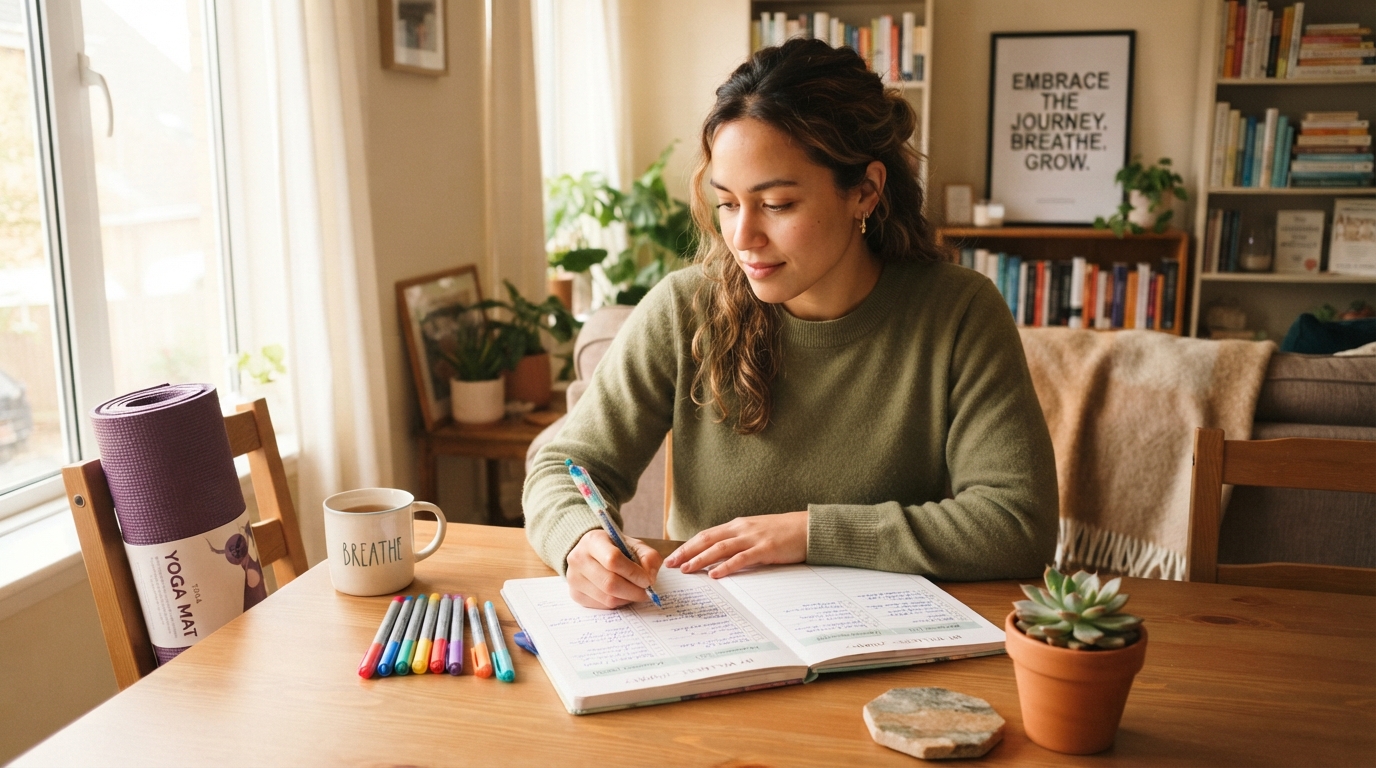
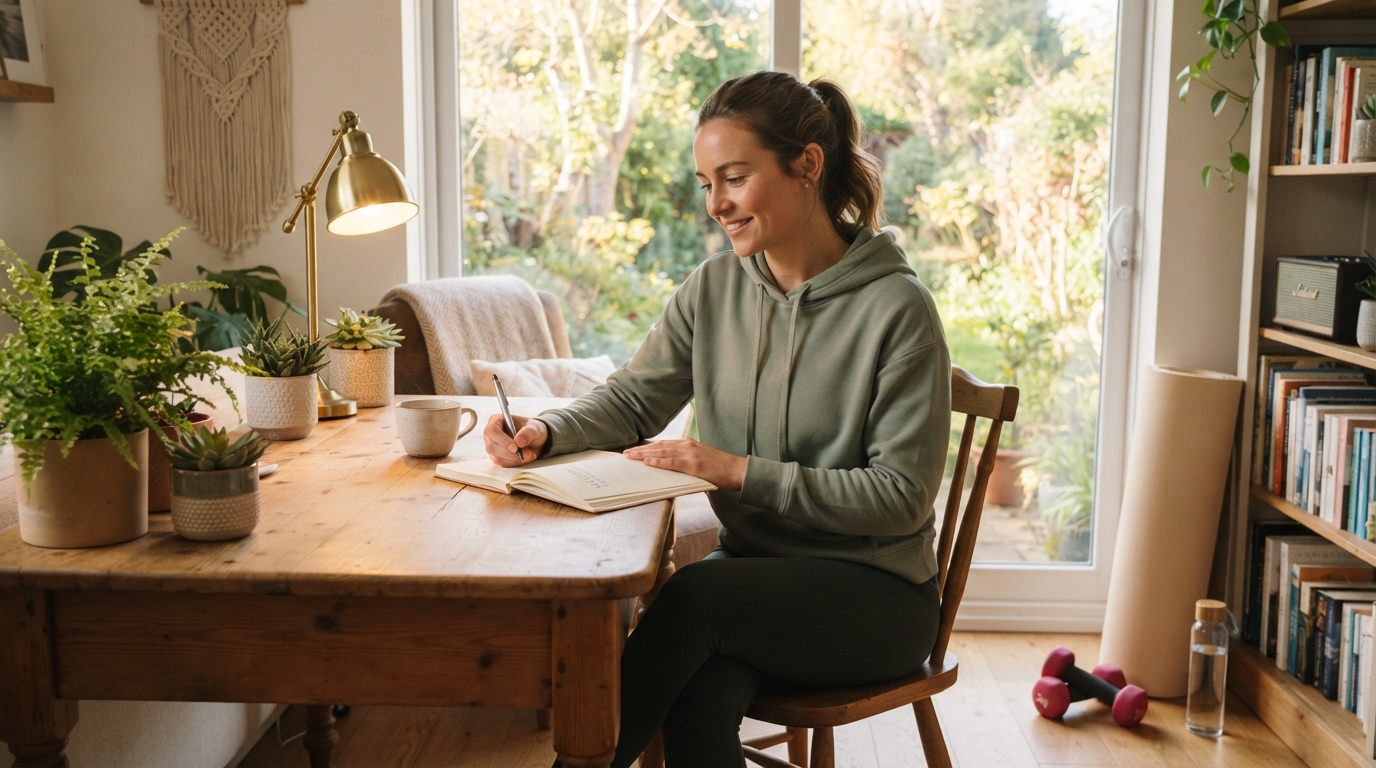
A physical wellness goal works best when it is specific, manageable, and tied to a routine. For example, we could take a short walk after lunch on three workdays. We can choose a time, place, and activity that suit our schedule, then adjust the goal if it feels too hard to keep.
Small steps can help us add activity without turning the week upside down. A calendar reminder can give a new habit a clear place in the day.
Find Local Places to Move
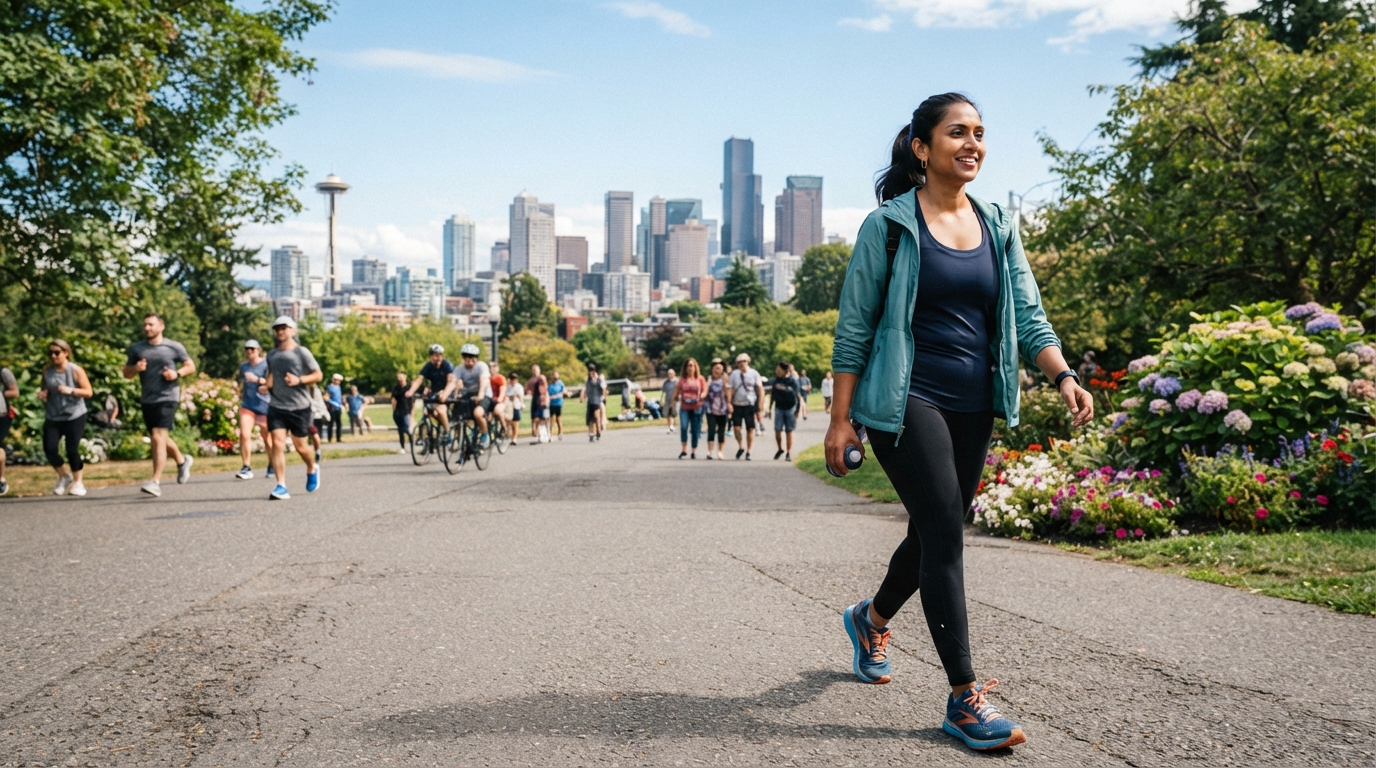
Physical wellness options near us may include city recreation programs, community centers, parks, and walking groups. These resources can offer a set time and place to move. A nearby park loop or community class may also make activity easier to fit around work.
If movement brings pain, extreme shortness of breath, or dizziness, stop and seek help.
Conclusion
We do not need to change every habit at once to start supporting our bodies. One small action, repeated often, is a reasonable place to begin. A regular bedtime or a planned walk can fit into the routines we already know.
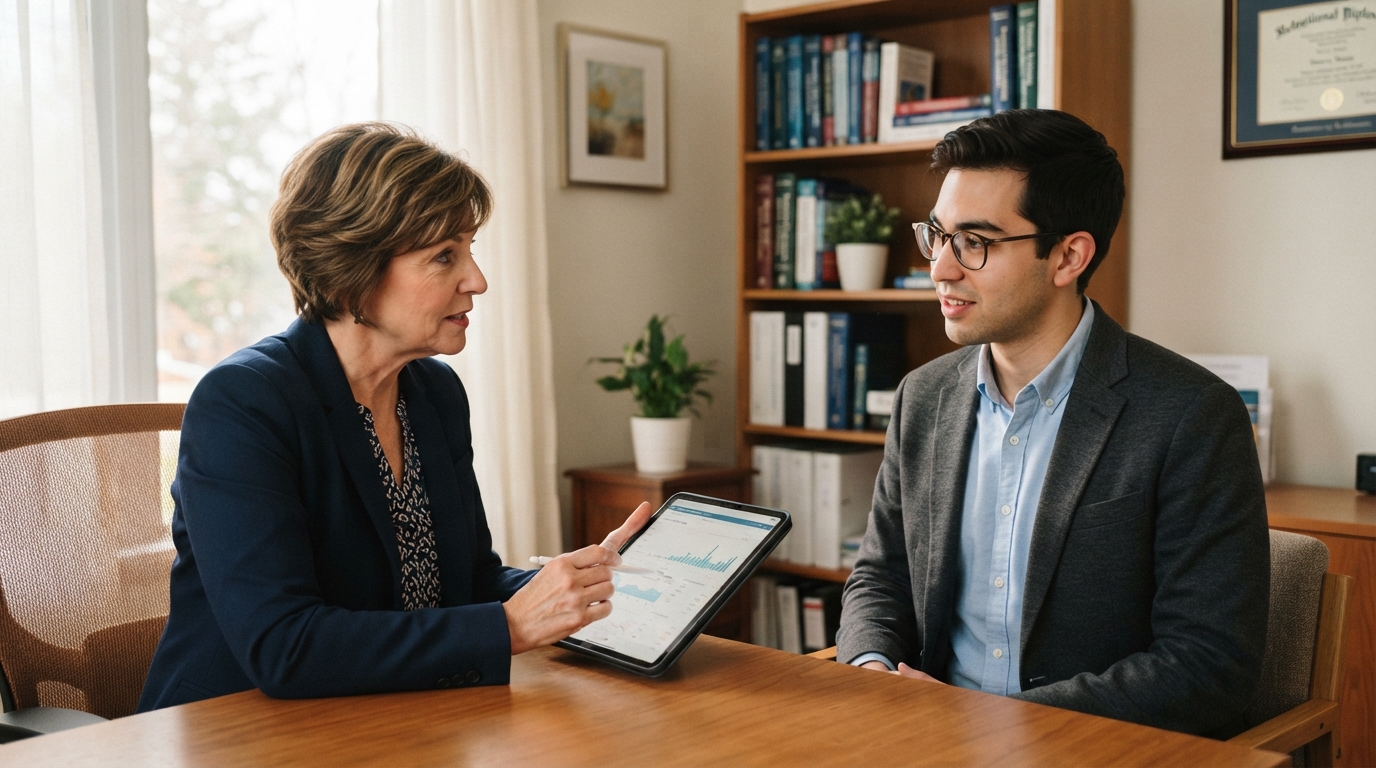
We can choose a change that feels manageable rather than setting a goal that competes with every other part of the day. If routine care is due, we can set a time to contact our doctor and make a plan. Our next step can be small and clear.
Choose one small habit today and put it on our calendar for the coming week.