








A healthier day can start with one small habit we can repeat, not a complete life overhaul. Simple routines can make daily life feel steadier, even when time is short or plans change.
Wellness grows through small actions, not perfection. We can pay attention to our physical, emotional, social, and practical needs, then choose one change that fits our home and schedule.
Key Takeaways
- Start with one habit that fits the time and space we have.
- Make movement, nourishing food, and rest part of ordinary routines.
- Use small pauses and supportive relationships to care for mental health.
- Adapt our plans when work, school, health, or the season changes.
- Pick one change that feels realistic enough to try again tomorrow.
Which Wellness Tips help us move more each week?
Adults can work toward 150 minutes of moderate activity a week by breaking movement into shorter bouts that fit their schedules. Moderate-intensity activity raises our breathing and heart rate while still letting us talk.
Adults should also do muscle-strengthening activity at least 2 days each week. Short bouts count, so we can add several walks or movement breaks instead of one long workout.
Adults can build toward 150 minutes of moderate activity with short sessions, plus strength work on at least 2 days.
In 2024, 47.2% of U.S. adults met federal aerobic activity guidelines, based on about 2,700 survey participants. The 2024 adult activity estimate also found men were more likely than women to meet them, while participation declined with age. The federal Physical Activity Guidelines recommend 150-300 weekly minutes of moderate aerobic activity.
| Activity type | Examples | Practical role |
|---|---|---|
| Aerobic | Walking, jogging, cycling | Weekly cardio |
| Strength | Weights, resistance bands, bodyweight exercises | Muscle strengthening |
| Flexibility | Yoga, stretching | Mobility |
These types can fit into the same week. Walking, jogging, and cycling build aerobic fitness; bands and bodyweight moves train muscles.
Here are 20 physical activities we can choose from, including options for different spaces and interests:
- Walking
- Brisk walking
- Hiking
- Jogging
- Running
- Cycling
- Stationary cycling
- Swimming
- Water aerobics
- Dancing
- Stair climbing
- Jump rope
- Tennis
- Pickleball
- Basketball
- Soccer
- Gardening
- Yoga
- Resistance-band exercises
- Bodyweight exercises
How employees can fit movement into a workday
Employees can add a short walk before work, at lunch, or between tasks. A few minutes outside can break up a long stretch of sitting.
We can also stand for a call, take the stairs, or set a reminder to move. Thirty minutes of daily walking can boost mood and improve health, but shorter bouts count too.
How students can make activity part of the school day
Students can walk or bike to school when routes and safety allow. Recess games, active breaks, and after-school sports make movement feel less like another assignment.
Children need age-based goals: preschoolers should move throughout the day, while ages 6-17 need at least 1 hour daily. Children ages 6-17 should do more challenging activities 3 days a week to build strength. Games can help keep activity engaging.
Choose an activity we enjoy and schedule its first short session this week.
What food and hydration habits are practical?
A balanced meal can be as simple as vegetables, a whole grain, and a source of protein. Small swaps can make everyday food choices more nourishing without strict rules.
Build most meals around fruits, vegetables, whole grains, lean proteins, and healthy fats. Current healthy eating guidance also recommends reducing processed foods and added sugars while staying hydrated.
Build meals around nourishing everyday foods
Try brown rice with vegetables, beans, and avocado, or oatmeal topped with fruit, nuts, and seeds. A meal with leafy greens, whole-grain bread, and eggs can also be filling.
For another option, pair fatty fish with roasted vegetables and a whole grain. Nuts, seeds, and olive oil add healthy fats, while Greek yogurt or mixed nuts can make easy snacks.
We do not need to cut out every packaged food. Swapping one highly processed snack for fruit or vegetables can be a useful start, and dark chocolate can fit as a treat.
The 2026 healthy eating guidance centers foods such as vegetables, fruits, whole grains, lean proteins, and healthy fats. Regular, balanced meals can also help us notice how food affects our energy and mood.
Make hydration easier to remember
A morning glass of water can serve as a simple cue. We can also fill a glass when we make coffee or sit down for a meal.
Thirst, activity, weather, and personal needs all affect how much water we need. There is no single daily amount that suits everyone, so we can use thirst and routine as reminders.
Caffeine and alcohol can affect mood and well-being, so noticing how they affect us can guide our choices. One wellness tip for the day is choosing a balanced snack or filling a water glass at a familiar moment.
Keep a convenient water glass or bottle where a daily routine makes it easy to notice.
How can we build a sleep routine that helps us reset?
A consistent bedtime and wake time can make it easier to protect the 7-9 hours of sleep many adults should aim for. A steady schedule helps make rest more predictable.
Seven to nine hours is a general adult target, not a rule that overrides individual needs. Ongoing sleep problems deserve attention, especially when they affect daily life.

Keep sleep and wake times consistent
We can choose a bedtime and wake time that suit our regular obligations, then keep them close on most days. A steady pattern gives our bodies a clearer signal for when to rest.
Sleep can be a helpful starting point for health and wellness habits. When we feel rested, daily tasks may feel easier to manage, while poor rest can make routines harder to keep.
Make the hour before bed calmer
Put a phone or computer away at least an hour before bed to reduce blue-light exposure. Dim the lights and choose a quieter activity instead.
Reading a few pages, stretching gently, or writing down lingering thoughts can help us shift out of work or school mode. A short note about tomorrow’s tasks may keep them from circling through our minds.
We can make the routine simple enough to repeat, such as setting out clothes and then reading in a chair. If sleep trouble keeps returning, we should not treat a routine as a substitute for care.
Put the phone outside reach before the final hour of the evening.
What can we do for mental health and everyday stress?
A few minutes of breathing, journaling, or a quiet hobby can give us a practical pause during a stressful day. A small pause can help us slow down and notice what we need next.
Severe or distressing symptoms that last 2 weeks or more are a reason to seek professional help. This can include sleep trouble, appetite or weight changes, poor focus, loss of interest, or difficulty finishing usual tasks.

Use short calming activities when stress rises
We can try slow breathing, meditation, muscle relaxation, music, reading, or a low-stress hobby. A few minutes in nature may also offer a welcome change of pace.
Writing for 10 minutes can help us name what is bothering us and what might help. Box breathing offers another brief practice: inhale for 4 seconds, hold for 4, exhale for 4, then hold for 4.
Set priorities and notice what went well
When tasks pile up, we can name the most important one and let less urgent work wait. Saying no to a new task can protect our time when we are already overloaded.
We can also write down one thing we appreciate or challenge a thought that seems harsh or unfair. Sending three thank-you texts during a month is one simple way to share gratitude with others.
- Take a 10-minute journaling break.
- Try a 4-second box-breathing cycle.
- Write down one specific thing to appreciate.
- Say no to a task when overloaded.
- Contact a supportive friend or family member.
Stay connected and seek help when needed
Friends and family can offer company, a listening ear, or help with daily tasks. Staying connected does not mean we must handle every problem alone.
A primary care provider can discuss mental health concerns and refer us to a psychologist, psychiatrist, or clinical social worker. Self-care can support treatment, but it does not replace professional care.
The two-week symptom threshold is a useful point to take ongoing distress seriously. People with suicidal thoughts can call or text 988 for free, confidential support, 24 hours a day, 7 days a week.
If someone is in immediate danger, call 911; for suicidal thoughts, call or text 988.
How can we make wellness work for different people and life stages?
Wellness includes more than physical health, so we can adapt our routines to the parts of life that need attention now. SAMHSA names eight wellness dimensions, which can help us spot gaps without treating them as a checklist to perfect.
We can use the eight dimensions to notice what needs care now, not to judge ourselves against a perfect score.
Use the eight dimensions to notice what needs attention
The dimensions are social, environmental, physical, emotional, spiritual, occupational, intellectual, and financial. A quiet home workspace may support one area, while a call with a friend supports another.
We can write down three self-care goals for the month and post them somewhere visible. Trying one new activity each month, such as a class or library book, can also keep learning part of daily life.
Adapt routines for work, school, winter, and changing needs
In winter, a low-cost indoor activity can help us keep a routine when weather limits outdoor plans. A book, simple home craft, or device-free hour can give our minds a break.
At work or school, regular screen breaks can ease eye strain: look away for at least 20 seconds every 20 minutes. We can also plan a device-free hour each day or one device-free day each week.
Wellness tips for women should account for individual needs and life stages. One in five pregnant and postpartum people experience mental health concerns, and people who could become pregnant should take a multivitamin with 400 micrograms of folic acid daily.
That folic acid guidance does not apply to everyone. Women’s needs can change with pregnancy, age, health history, and other personal factors, so routines should fit the person.
Add preventive care to everyday wellness
Regular checkups, recommended vaccines, and daily brushing and flossing are practical health habits. Dental visits twice a year and annual medical checkups can serve as useful reminders.
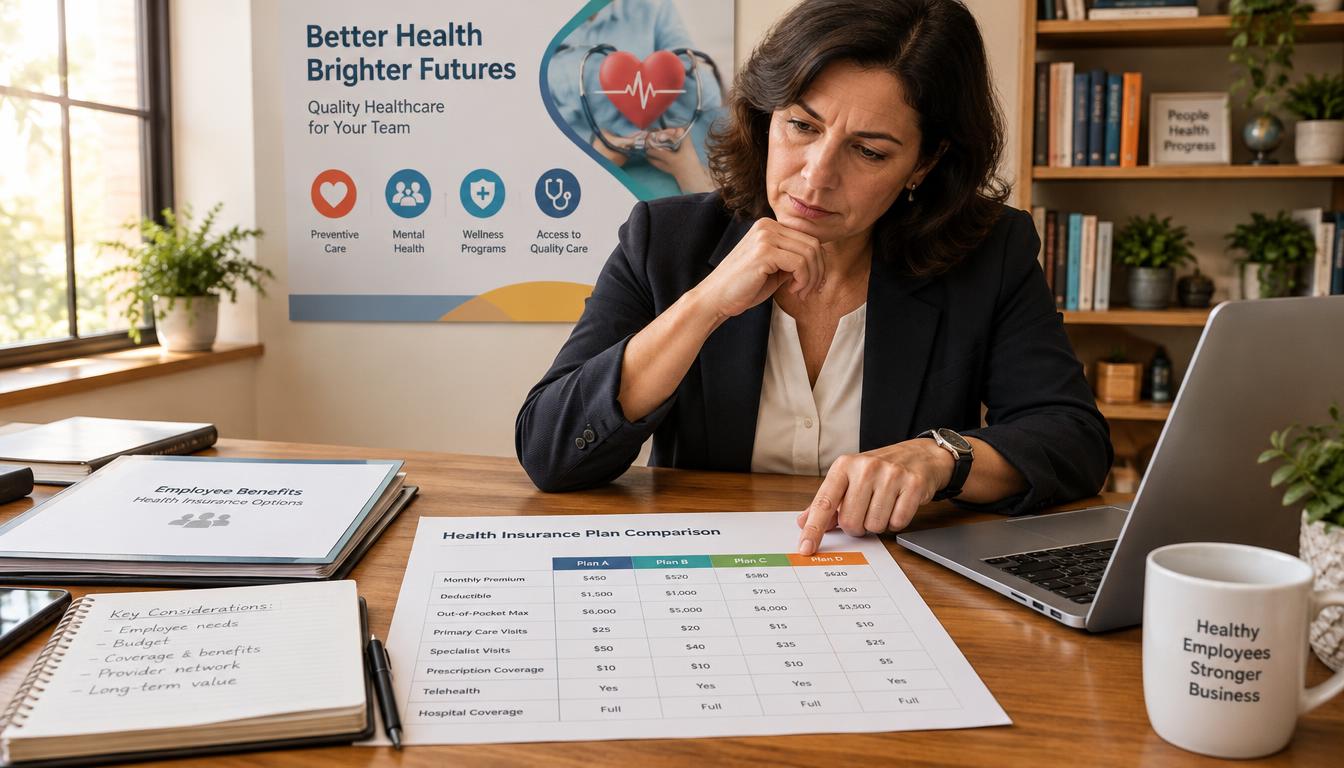
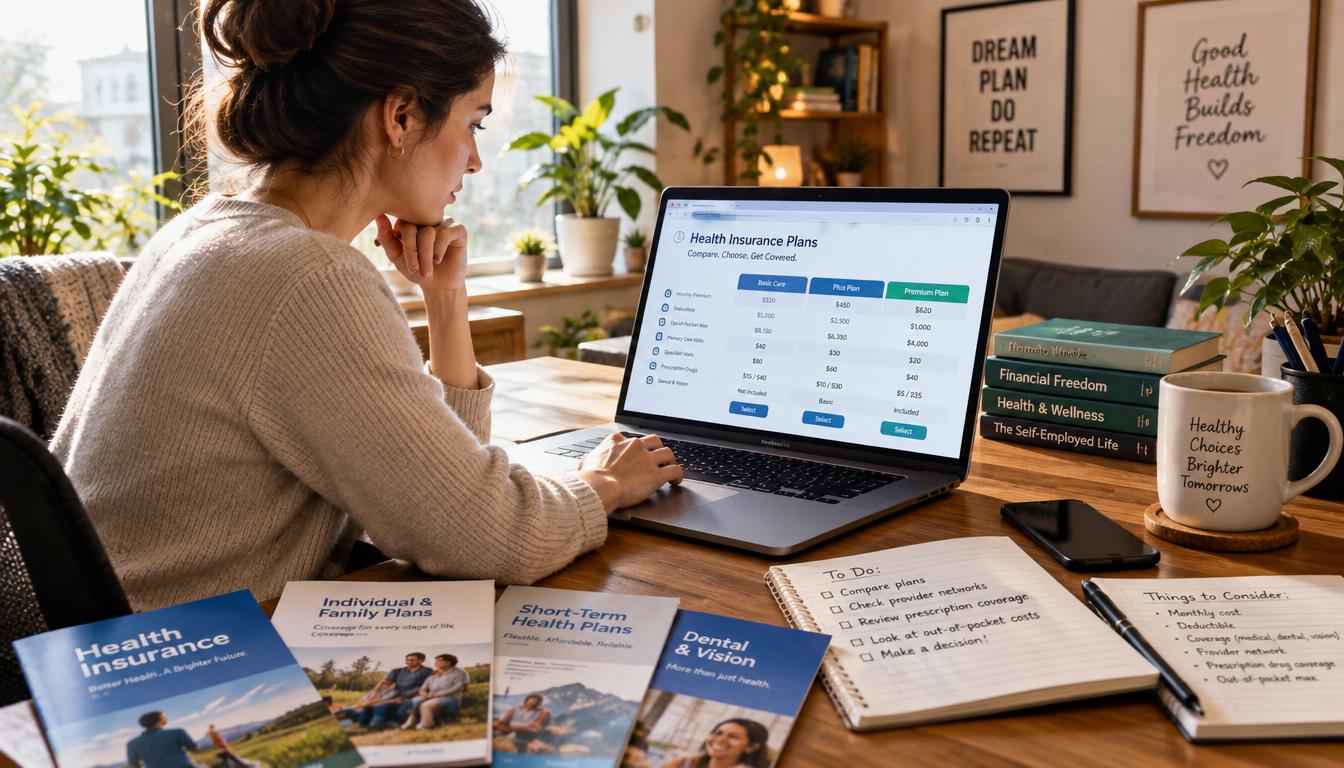
Colorectal cancer screening commonly begins at age 45, though age and risk factors shape screening guidance. Families comparing coverage can review health insurance plans for families and check networks, covered drugs, and likely costs.
Ask a healthcare provider which preventive visits and screenings fit our age, health history, and risk factors.
Conclusion
We do not need to change everything at once to take better care of ourselves. One small habit we can repeat is a sound starting point, and we can adjust it when life shifts.
A useful next step is to choose one action that feels manageable, such as a short walk or a calmer bedtime. Putting it on tomorrow’s calendar gives that choice a place in our day.
Choose one habit for tomorrow and add it to the calendar now.