








Overweight is a significant issue affecting millions worldwide, intertwined with various biological, environmental, and social factors. As we delve into this topic, we uncover not only the causes but also the profound impact it has on health and well-being. The journey of understanding overweight goes beyond just numbers on a scale; it encompasses the intricate relationship between lifestyle choices, mental health, and support systems that can influence one’s weight management journey.
This exploration aims to equip readers with valuable insights into the complexities of being overweight, emphasizing the importance of a holistic approach to health that includes nutrition, exercise, and emotional support. With an understanding of these elements, one can navigate the challenges associated with weight management more effectively.
Understanding the Causes of Overweight
Being overweight is a multifaceted issue influenced by various biological, environmental, and social factors. Understanding these causes is essential for addressing the growing prevalence of overweight and obesity in today’s society. By delving into the intricate interplay of genetics, metabolism, and external influences, we can gain insights into why some individuals struggle more than others with weight management.
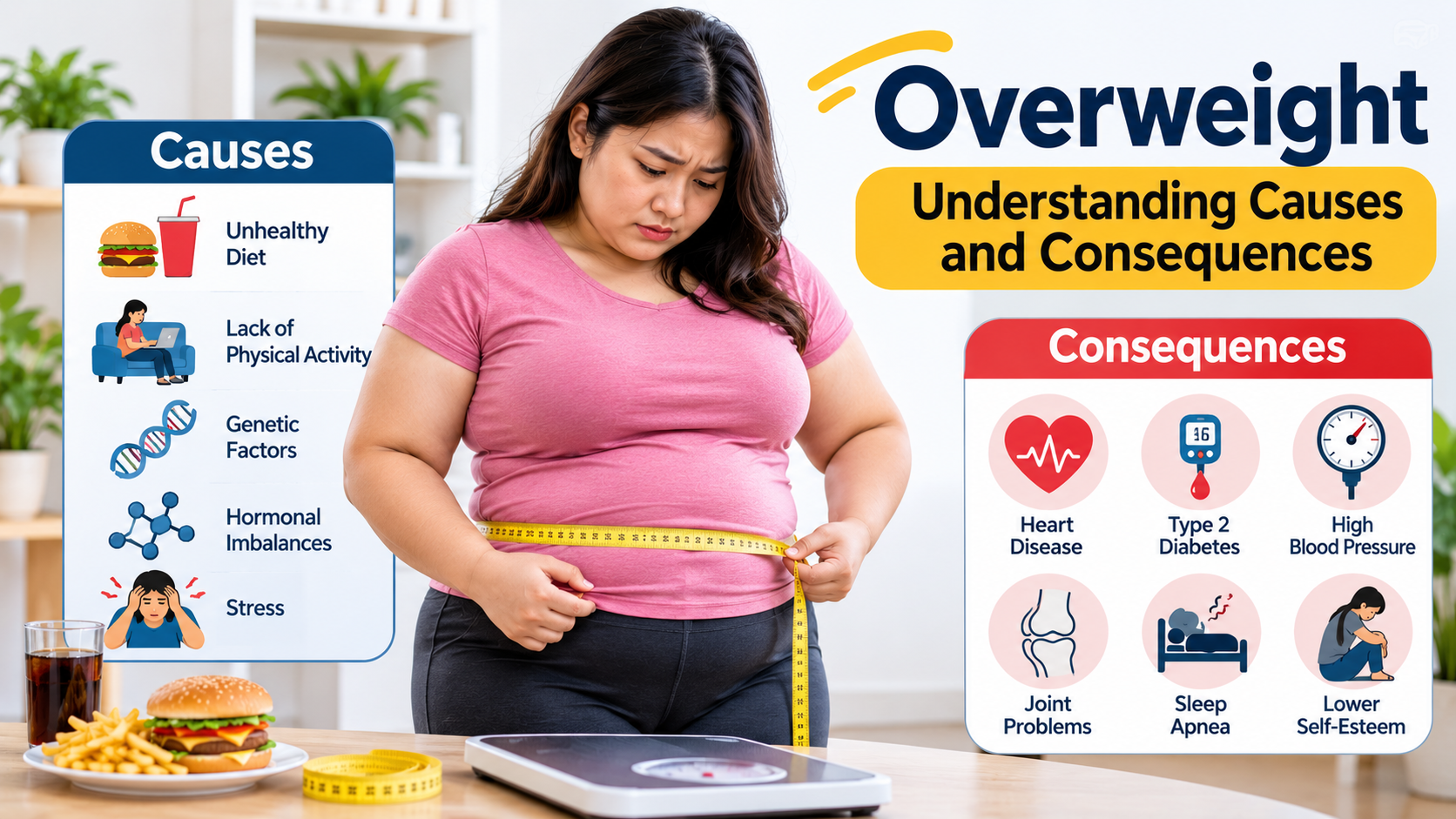
The biological factors contributing to being overweight include genetics, metabolism, and hormonal changes. Genetics plays a crucial role in determining an individual’s predisposition to gain weight. Studies have shown that certain genetic variants can influence appetite and metabolism, making some individuals more susceptible to weight gain than others. Metabolic rates also vary among individuals; some people burn calories more efficiently than others, impacting their ability to maintain a healthy weight. Additionally, hormonal changes—such as those occurring during puberty, pregnancy, or menopause—can affect body weight regulation.
Genetic and Metabolic Influences
The interaction between genetics and metabolism is a significant factor in weight gain. Genetic predisposition can dictate not only body weight but also fat distribution and how one’s body responds to diet and exercise.
– Genetic Factors: Research indicates that up to 70% of an individual’s body weight can be attributed to genetics. Specific genes, such as the FTO gene, have been linked to increased body mass index (BMI) and fat mass.
– Metabolic Rates: Basal metabolic rate (BMR) varies by individual, influenced by factors such as age, muscle mass, and hormonal levels. Individuals with a higher BMR tend to burn more calories at rest, aiding weight control.
– Energy Balance: The balance between calorie intake and expenditure is critical. Individuals with a genetic inclination toward a slower metabolism may find it more challenging to maintain weight, leading to a higher likelihood of becoming overweight.
Social and Economic Influences
Social and economic factors significantly impact eating behaviors and physical activity levels, shaping the overall weight management landscape.
– Socioeconomic Status: Lower socioeconomic status is often associated with limited access to healthy food options, leading to diets high in processed foods that are calorie-dense but nutrient-poor.
– Cultural Norms: Cultural attitudes toward body image and food consumption can influence weight. In some cultures, larger body sizes may be associated with wealth or fertility, impacting individual perceptions of an ideal body type.
– Urbanization and Lifestyle: Increasing urbanization has led to sedentary lifestyles, with more people engaging in desk jobs and less physical activity. The availability of convenience foods has also risen, contributing to unhealthy dietary patterns.
Understanding the complex interplay of genetic, metabolic, social, and economic factors is essential for developing effective strategies to combat overweight and obesity.
The Impact of Overweight on Health
Being overweight poses significant risks to both physical and mental health. Understanding these impacts can help individuals make informed choices about their health and wellness. From chronic diseases to emotional challenges, the consequences of carrying excess weight affect various aspects of life, complicating everyday experiences and undermining overall well-being.
Physical Health Risks
Overweight individuals face numerous physical health risks, many of which are chronic conditions that can significantly impact quality of life. The correlation between excess weight and disease is well-documented, underscoring the importance of addressing overweight issues. Key health risks include:
- Cardiovascular Disease: Overweight individuals are at a higher risk for hypertension, heart disease, and stroke due to increased strain on the heart and blood vessels.
- Type 2 Diabetes: Excess body fat can lead to insulin resistance, significantly increasing the risk of developing type 2 diabetes.
- Joint Problems: Carrying excess weight can lead to osteoarthritis and joint pain, particularly in the knees and hips, due to increased pressure on these areas.
- Sleep Apnea: Overweight individuals often experience sleep apnea, a serious sleep disorder that can lead to daytime fatigue and other health complications.
- Certain Cancers: Being overweight is linked to a higher risk of developing cancers such as breast, colon, and endometrial cancer.
Psychological Effects and Emotional Challenges
The psychological impact of being overweight is profound, often leading to emotional struggles that can hinder daily life. This includes a range of mental health issues, such as:
- Low Self-esteem: Overweight individuals may experience negative body image, leading to diminished self-worth and confidence.
- Depression: Studies have shown a higher prevalence of depression among overweight individuals, compounded by societal stigma and discrimination.
- Anxiety: The fear of judgment and social exclusion can lead to increased anxiety levels, making social interactions more challenging.
- Social Isolation: Overweight individuals may withdraw from social situations due to embarrassment, leading to increased feelings of loneliness.
Disparity in Health Outcomes
There is a marked disparity in health outcomes between overweight individuals and those maintaining a healthy weight. This difference can manifest in various ways, affecting longevity and quality of life. Notable contrasts include:
- Higher Mortality Rates: Research indicates that overweight individuals have a higher risk of premature death compared to those with a healthy weight.
- Increased Medical Costs: Overweight individuals often incur higher healthcare costs due to the management of chronic diseases linked to excess weight.
- Lower Mobility: Physical limitations due to excess weight can reduce overall mobility, impacting daily activities and quality of life.
- Reduced Life Expectancy: Studies suggest that severe obesity can reduce life expectancy by up to 10 years, highlighting the serious health implications of being overweight.
“Understanding the impacts of being overweight is crucial for taking proactive steps towards a healthier lifestyle.”
Overweight and Lifestyle Choices
The relationship between overweight conditions and lifestyle choices is increasingly recognized in today’s health discussions. A significant aspect of this connection lies in the choices individuals make regarding their diets and daily activities. These choices can lead to weight gain and ultimately contribute to a range of health issues.
Diet plays a crucial role in determining body weight. Consuming high-calorie, low-nutrient foods, often referred to as “junk food,” can lead to an imbalance between calorie intake and expenditure. Coupled with lifestyle choices that favor sedentary behavior, such as prolonged sitting and minimal physical activity, the risk of becoming overweight dramatically increases. For instance, individuals working desk jobs often find themselves sitting for hours without breaks, contributing to a sedentary lifestyle that can hinder weight loss or maintenance efforts.
Sedentary Behavior Examples and Effects
Sedentary behavior includes a range of activities characterized by low energy expenditure. Common examples include:
- Prolonged sitting at work without breaks.
- Watching television for several hours a day.
- Using computers or mobile devices for entertainment or work without standing or moving.
- Driving long distances without interspersed physical activity.
These behaviors can lead to decreased metabolic rates and increased fat accumulation, particularly around the abdomen, which is linked to various health risks, including diabetes and cardiovascular disease.
To counteract the effects of an overweight lifestyle, adopting healthy habits can be pivotal. Below is a list of effective habits that can help prevent or reduce overweight conditions:
- Engaging in regular physical activity, such as walking, cycling, or swimming, for at least 150 minutes a week.
- Incorporating strength training exercises at least twice a week to build muscle mass and boost metabolism.
- Prioritizing whole foods over processed options, including fruits, vegetables, whole grains, and lean proteins.
- Practicing mindful eating to recognize hunger and fullness cues, helping to avoid overeating.
- Staying hydrated by drinking plenty of water throughout the day, reducing the likelihood of confusion between thirst and hunger.
By integrating these healthy habits into daily life, individuals can create a sustainable lifestyle that supports weight management and overall well-being.
“Making small, consistent changes in lifestyle can lead to significant improvements in health outcomes over time.”
Effective Strategies for Weight Management
Weight management is an essential aspect of leading a healthy lifestyle. It involves not only losing excess weight but also maintaining a balanced diet and regular exercise routine. Effective weight management strategies can help individuals achieve their desired weight goals while promoting overall well-being. This section will explore various methods for weight loss and management, the significance of setting realistic goals, and provide a sample meal plan to support healthy eating habits.
Methods for Effective Weight Loss and Management
Various strategies can foster effective weight loss and management. Understanding these methods can empower individuals to make informed choices about their health.
- Balanced Diet: A nutrient-rich diet focused on whole foods such as fruits, vegetables, lean proteins, and whole grains can significantly impact weight management. It’s essential to limit processed foods high in sugars and unhealthy fats.
- Regular Physical Activity: Incorporating physical activity into daily routines helps burn calories and maintain muscle mass. Aim for at least 150 minutes of moderate aerobic exercise each week, along with strength training exercises.
- Mindful Eating: Paying attention to hunger cues and eating without distractions promotes healthier choices. Mindful eating encourages individuals to savor their food, leading to a more satisfying experience.
- Hydration: Drinking adequate amounts of water can aid in weight management. Sometimes thirst is mistaken for hunger, leading to unnecessary snacking.
- Support Systems: Joining weight loss groups or working with a nutritionist can provide accountability and motivation. Sharing experiences with others can enhance commitment to weight management goals.
Importance of Setting Realistic Goals
Setting realistic goals is crucial in any weight loss journey. It helps individuals remain focused and motivated, making it easier to achieve sustainable results. Aiming for gradual weight loss, such as 1-2 pounds per week, is often more attainable than drastic changes that are difficult to maintain.
“Setting achievable goals increases the likelihood of success and instills a sense of accomplishment.”
When setting goals, consider the following:
- Focus on specific behaviors rather than just weight loss, like exercising three times a week or incorporating more vegetables into meals.
- Track progress regularly to celebrate small victories, which reinforces positive behavior changes.
- Be flexible and allow for adjustments in goals as circumstances change. Life events can impact weight management efforts, so adaptability is key.
Sample Weekly Meal Plan for Healthy Eating
A well-structured meal plan can significantly contribute to healthy eating habits while promoting weight management. Below is a sample weekly meal plan that emphasizes balance and nutrition.
| Day | Breakfast | Lunch | Dinner | Snacks |
|---|---|---|---|---|
| Monday | Oatmeal with berries | Grilled chicken salad | Quinoa and roasted vegetables | Apple slices with almond butter |
| Tuesday | Smoothie with spinach, banana, and yogurt | Turkey wrap with veggies | Stir-fried tofu and broccoli | Greek yogurt |
| Wednesday | Whole-grain toast with avocado | Lentil soup | Baked salmon with asparagus | Carrot sticks with hummus |
| Thursday | Chia pudding with coconut milk | Chickpea salad | Whole wheat pasta with marinara sauce | Mixed nuts |
| Friday | Yogurt parfait with granola | Vegetable stir-fry | Grilled shrimp tacos | Popcorn |
| Saturday | Scrambled eggs with spinach | Quinoa bowl with black beans | Stuffed bell peppers | Dark chocolate square |
| Sunday | Fruit smoothie bowl | Chicken and vegetable soup | Vegetable curry with brown rice | Celery with peanut butter |
The Role of Exercise in Weight Control
Regular physical activity is a cornerstone of effective weight management. Engaging in exercise not only helps to burn calories but also plays a vital role in maintaining muscle mass and overall health. Weight control is a multifaceted issue, and incorporating exercise into daily routines can significantly enhance weight loss efforts and promote long-term weight maintenance.
Exercise can be categorized into several types that contribute to weight management. These include aerobic activities, strength training, and flexibility exercises. Each type brings unique benefits that contribute to overall fitness and weight control.
Types of Exercises Impacting Weight Management
Aerobic exercises, such as running, cycling, and swimming, are highly effective for burning calories. These activities increase heart rate and improve cardiovascular health. Strength training exercises, like weightlifting and resistance training, are essential for building muscle mass, which in turn boosts metabolism. Flexibility exercises, including yoga and stretching, enhance overall well-being and support recovery from more intense workouts.
Including a variety of exercises in your routine can maximize weight control efforts. Here are specific types of exercises:
- Aerobic Exercise: Activities like jogging, brisk walking, and dancing can be easily adapted to individual fitness levels and preferences.
- Strength Training: Incorporating bodyweight exercises such as push-ups, squats, and lunges can be effective at home without the need for gym equipment.
- Flexibility and Balance: Practices like yoga and Pilates not only improve flexibility but also help in stress management, which is crucial for weight control.
The psychological benefits of consistent physical activity are profound for individuals facing challenges with weight. Exercise has been shown to boost mood, reduce stress, and alleviate symptoms of anxiety and depression. This is particularly relevant for overweight individuals, as they may experience heightened mental health challenges. The release of endorphins during and after exercise promotes a sense of well-being and can lead to improved self-esteem and body image.
“Exercise is a celebration of what your body can do, not a punishment for what you ate.”
Incorporating exercise into a daily routine can be simple and effective. Establishing a consistent schedule and setting realistic goals is essential. Here are some practical tips to make exercise a regular part of life:
- Start Small: Begin with short, manageable sessions and gradually increase duration and intensity.
- Find Enjoyable Activities: Choose exercises you enjoy to make the experience rewarding and sustainable.
- Set Realistic Goals: Aim for achievable targets that can keep you motivated and focused.
- Schedule Workouts: Treat exercise like an important appointment to ensure it becomes a priority.
- Stay Accountable: Share fitness goals with friends or join a group to stay motivated and engaged.
In summary, regular exercise is essential for effective weight control, offering both physical and psychological benefits. By understanding the types of exercises available and implementing them into daily routines, individuals can create a sustainable approach to managing their weight and improving overall health.
Support Systems for Individuals Struggling with Overweight
Social support plays a pivotal role in the journey toward managing weight. It can significantly enhance motivation, provide accountability, and foster a sense of belonging, which is crucial when navigating the challenges associated with overweight. Having a network of family, friends, or community members who understand and support your goals can lead to more sustainable lifestyle changes.
Various community resources are available for those seeking assistance with weight management. These resources can provide valuable information, encouragement, and practical tools necessary for a successful weight loss journey. Some of the most notable resources include:
Community Resources for Weight Management
Organizations and programs that focus on weight management often include support groups, fitness classes, and nutrition education. Engaging with these resources can empower individuals by providing knowledge and a supportive environment. Here are some examples of community resources:
- Weight Watchers (WW): A popular program that combines nutritional guidance with community support, allowing participants to share their experiences and challenges.
- Local YMCA or Community Centers: Many offer fitness classes, nutrition workshops, and support groups tailored to individuals looking to manage their weight.
- Online Support Forums: Websites and social media groups provide platforms for individuals to share their stories, challenges, and tips, creating a virtual support network.
- Health Clinics: Many local clinics have specialized programs that include counseling, nutrition advice, and group therapies aiming at weight management.
The impact of success stories on individuals struggling with overweight cannot be overstated. Hearing about others’ triumphs can inspire hope and motivation, showcasing that lasting change is achievable.
“Weight loss is not just about the numbers on a scale, but about building a supportive community that champions your journey.”
Many individuals have successfully transformed their lives by utilizing the support of their communities. For instance, a local resident named Sarah, who struggled with her weight for years, found success after joining a community workout group. With the encouragement of fellow members and a structured fitness program, she lost over 50 pounds in a year. Her story serves as a powerful reminder that with the right support, achieving personal health goals is within reach.
In summary, tapping into available support systems and resources greatly enhances the chances of successfully managing weight. These connections not only provide practical tools and guidance but also foster a sense of belonging that can motivate individuals to persist in their journey toward better health.
The Interrelationship Between Overweight and Mental Health
The connection between being overweight and mental health is significant, as various studies have revealed a bidirectional relationship. Individuals who struggle with excess weight often face emotional and psychological challenges that can further complicate their well-being. This segment will explore the mental health disorders linked to overweight individuals, the positive effects of weight management on mental health, and the different approaches to supporting mental health in these cases.
Mental Health Disorders Related to Being Overweight
Being overweight is closely associated with numerous mental health disorders that can either arise or become exacerbated due to the condition. These include:
- Depression: Individuals with excess weight often experience higher rates of depression. The stigma and discrimination associated with being overweight can contribute to feelings of hopelessness and sadness.
- Anxiety Disorders: Overweight individuals may face increased anxiety, particularly in social situations or due to body image concerns. This anxiety can lead to avoidance behaviors, further isolating them.
- Body Dysmorphic Disorder: Some individuals may develop an unhealthy obsession with their body image, leading to distorted views of their appearance, which can worsen mental health.
- Low Self-Esteem: Weight issues can significantly impact self-image, resulting in low self-esteem and confidence, which can lead to social withdrawal and other emotional difficulties.
Improving one’s weight can lead to notable enhancements in mental well-being.
Impact of Weight Improvement on Mental Well-Being
The journey toward a healthier weight often brings about improvements in self-perception and overall mental health.
- Increased Self-Esteem: As individuals achieve weight loss or adopt healthier lifestyles, many report a boost in self-confidence and body image satisfaction.
- Reduction in Anxiety and Depression: Studies have shown that weight loss can reduce symptoms of depression and anxiety, as individuals feel more comfortable and less stigmatized.
- Enhanced Mood and Energy Levels: Regular physical activity associated with weight management leads to the release of endorphins, often resulting in improved mood and higher energy levels.
- Better Sleep Quality: Maintaining a healthy weight can alleviate conditions like sleep apnea, contributing to improved sleep quality and thus better mental health.
Approaches to Mental Health Support for Overweight Individuals
Supporting the mental health of overweight individuals requires a multifaceted approach that addresses both physical and psychological needs.
- Integrated Care Models: Combining mental health support with weight management services can create a holistic approach, ensuring that individuals receive comprehensive assistance.
- Behavioral Therapy: Cognitive-behavioral therapy (CBT) has proven effective in addressing the psychological aspects of weight gain and can help individuals develop healthier thoughts and behaviors related to their bodies and food.
- Support Groups: Community support through weight loss groups or forums can foster a sense of belonging, reduce feelings of isolation, and enhance motivation.
- Mindfulness and Stress Management: Techniques such as mindfulness-based stress reduction can help individuals manage emotions related to weight and improve overall mental resilience.
Final Conclusion
In conclusion, addressing overweight requires a multifaceted approach that considers physical health, mental well-being, and social influences. By recognizing the interconnectedness of these factors, individuals can adopt healthier habits and seek the necessary support to improve their overall quality of life. As we wrap up our discussion on overweight, remember that every step taken towards understanding and managing weight contributes to a healthier future.
Question & Answer Hub
What is considered overweight?
Overweight is typically defined as having a body mass index (BMI) of 25 to 29.9.
Can genetics influence being overweight?
Yes, genetics can play a significant role in an individual’s likelihood of becoming overweight by affecting metabolism and body composition.
Is it possible to be healthy and overweight?
Some individuals may be classified as overweight yet maintain good health markers; however, they may still be at a higher risk for certain health issues.
How can one effectively lose weight?
Effective weight loss typically involves a combination of a balanced diet, regular exercise, and behavioral changes to support healthier habits.
What psychological effects can being overweight have?
Being overweight can lead to issues such as low self-esteem, anxiety, and depression due to societal stigmas and personal health challenges.