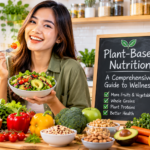









Plant-based nutrition is not just a trend; it’s a lifestyle choice that emphasizes the consumption of whole foods derived primarily from plants. This approach can significantly enhance overall health, vitality, and well-being while promoting environmental sustainability. As more people become aware of the positive impacts of a plant-based diet, there is a growing curiosity surrounding its principles, benefits, and practical implementation.
By understanding the core tenets of plant-based nutrition, individuals can navigate the differences between various dietary choices, explore essential nutrients found in plant foods, and uncover the myriad health benefits associated with this way of eating. Whether you’re considering a complete transition to a plant-based lifestyle or simply looking to incorporate more plant foods into your meals, this guide aims to provide clarity and guidance.
Understanding the Fundamentals of Plant-Based Nutrition
Plant-based nutrition is a holistic approach to eating that emphasizes whole, minimally processed foods derived from plants. This type of diet not only focuses on fruits and vegetables but also includes nuts, seeds, legumes, and whole grains. Understanding the core principles of plant-based nutrition is essential for anyone looking to adopt a healthier lifestyle or simply expand their culinary horizons.
The foundation of plant-based nutrition revolves around consuming a variety of nutrient-dense foods that provide essential vitamins, minerals, and energy. A plant-based diet is often confused with vegetarian or vegan diets; however, there are notable differences. A vegetarian diet removes meat but can still include dairy and eggs, while a vegan diet excludes all animal products entirely. In contrast, a plant-based diet prioritizes plant foods but may allow for occasional animal products depending on individual preferences.
Key to a well-rounded plant-based diet is ensuring an adequate intake of essential nutrients. Nutrients that often require attention include:
Essential Nutrients in a Plant-Based Diet
Understanding which nutrients can be obtained from plant sources is vital for maintaining health on a plant-based diet. Below are some essential nutrients, along with examples of plant-based foods that provide them:
- Protein: Beans, lentils, chickpeas, quinoa, and tofu are excellent sources of plant-based protein, supporting muscle repair and growth.
- Iron: Spinach, lentils, and fortified cereals supply iron, crucial for oxygen transport in the blood. Pairing these foods with vitamin C sources, like bell peppers, enhances absorption.
- Calcium: Almonds, sesame seeds, and fortified plant milks offer calcium, necessary for bone health.
- Omega-3 Fatty Acids: Flaxseeds, chia seeds, and walnuts provide alpha-linolenic acid (ALA), which is vital for heart health and brain function.
- Vitamin B12: While plant foods are typically low in B12, fortified foods and supplements can ensure adequate intake for those on a plant-based diet.
The diversity of whole foods available in a plant-based diet not only supports the body’s nutritional needs but also encourages a deeper appreciation for culinary creativity and flavors derived from nature. Embracing a variety of plant foods can lead to a healthier lifestyle and contribute to overall well-being.
The Health Benefits of Embracing a Plant-Based Diet
Embracing a plant-based diet can lead to significant health improvements and enhance overall well-being. This dietary approach emphasizes the consumption of whole, minimally processed plant foods while reducing or eliminating animal products. As research continues to emerge, the health benefits of this lifestyle become increasingly evident, making it a compelling choice for many.
The impact of a plant-based diet on heart health and weight management is particularly noteworthy. Studies indicate that individuals who adhere to plant-based diets often have lower cholesterol levels, reduced blood pressure, and a decreased risk of heart disease. This diet is rich in fruits, vegetables, whole grains, nuts, and seeds, which are packed with antioxidants, fiber, and healthy fats that contribute to cardiovascular health.
Effects on Heart Health and Weight Management
The connection between a plant-based diet and improved heart health is well-documented. A comprehensive study published in the *Journal of the American Heart Association* found that individuals consuming a plant-centric diet had a 32% lower risk of heart disease compared to those who included meat in their diet. This reduction is largely attributed to the anti-inflammatory effects of plant foods, which can decrease the development of atherosclerosis, a condition that narrows and hardens arteries.
Moreover, plant-based diets can significantly aid in weight management. Research conducted by the *American Journal of Clinical Nutrition* showed that participants following a vegetarian diet lost more weight compared to those on a conventional diet, even without calorie restriction. The high fiber content in plant foods can lead to increased satiety, reducing the overall caloric intake. Key studies that highlight these benefits include:
- A 2016 study by the *Nutritional Journal* found that those who followed a plant-based diet had a lower body mass index (BMI) and waist circumference, two critical indicators of obesity-related health risks.
- Research published in *Obesity Reviews* indicated that subjects adhering to a vegan diet experienced a 4.4 kg greater weight loss compared to omnivores over 18 weeks, emphasizing the effectiveness of plant-based eating for weight control.
The long-term health effects of adopting a plant-based diet are promising. A pivotal study from *The Lancet* highlighted that individuals consuming a predominantly plant-based diet could extend their life expectancy by up to 10 years due to a reduced risk of chronic diseases such as diabetes, hypertension, and certain cancers. The diet’s emphasis on nutrient-dense foods fosters an environment conducive to weight loss and improved metabolic health, positioning plant-based nutrition as a sustainable choice for long-term health.
The beneficial effects of this diet can also be illustrated through the adoption of certain foods. For instance, the incorporation of legumes, such as lentils and chickpeas, can significantly boost protein intake while also providing essential vitamins and minerals. A daily serving of leafy greens, such as spinach or kale, contributes to heart health and enhances nutrient absorption, showcasing how simple dietary choices can yield substantial health benefits.
In summary, the evidence supporting the health benefits of a plant-based diet is compelling, showcasing its effectiveness in promoting heart health, facilitating weight management, and ultimately enhancing longevity.
Overcoming Common Challenges When Transitioning to a Plant-Based Diet
Transitioning to a plant-based diet can be a rewarding journey, but it often presents several challenges. Understanding these obstacles and their solutions can help individuals navigate the shift with greater ease and enjoyment. This section will address three common challenges faced by those adopting a plant-based lifestyle and offer practical solutions, along with a step-by-step guide for a gradual transition.
Identifying Common Challenges and Solutions
Many individuals encounter hurdles when shifting to a plant-based diet. Here are three prevalent challenges along with effective solutions:
- Limited Food Choices: Many people fear they will miss out on their favorite meals or feel overwhelmed by the perceived restrictions of a plant-based diet.
Exploring diverse cuisines can introduce exciting plant-based options.
Solution: Start by incorporating plant-based versions of favorite meals, such as using lentils in tacos or plant-based cheese on pizza to maintain the flavors you love.
- Nutritional Concerns: Questions about obtaining essential nutrients like protein, iron, and vitamin B12 can create anxiety.
Planning is key to ensuring a balanced intake of nutrients.
Solution: Educate yourself about plant-based sources of these nutrients, such as quinoa for protein, lentils for iron, and fortified plant milks for vitamin B12.
- Social Situations: Dining out or attending gatherings can be daunting when most options are not plant-based.
Preparation and communication can facilitate enjoyable experiences.
Solution: Consider suggesting plant-based friendly restaurants when dining out, or bring a delicious dish to share at gatherings. This not only ensures you have food to enjoy but also introduces others to plant-based cuisine.
Step-by-Step Guide to Gradually Shift Towards a Plant-Based Lifestyle
Making a significant dietary change can be overwhelming, but taking a gradual approach can ease the transition. Here’s a step-by-step guide:
- Start with Meatless Days: Begin by designating one or two days a week as meatless. This helps your body adapt to new foods.
- Explore Plant-Based Recipes: Dive into plant-based cooking by trying new recipes that excite your palate. Cooking at home allows for creativity while ensuring you enjoy your meals.
- Replace Ingredients Gradually: Substitute animal products with plant-based alternatives. For instance, swap cow’s milk for almond or oat milk and choose beans or tofu instead of meat.
- Increase Whole Foods: Focus on incorporating whole foods such as fruits, vegetables, whole grains, nuts, and seeds into your meals to enhance nutritional intake.
- Educate Yourself: Stay informed about plant-based nutrition to make empowering decisions, such as understanding how to combine foods for complete proteins.
- Connect with Community: Join plant-based groups or forums to share experiences, recipes, and tips. Support from like-minded individuals can be invaluable.
Personal Anecdotes from Successful Transitions
Many individuals have shared their inspiring journeys toward a plant-based lifestyle. For example, Jessica, a former skeptic, found that after a month of incorporating plant-based meals, her energy levels significantly increased. She noted, “I never thought I could enjoy a veggie burger as much as a beef one, but now I prefer them!”
Similarly, Mark, who struggled with high cholesterol, turned to a plant-based diet after his doctor recommended it. He shared, “The first few weeks were tough, but learning new recipes and finding alternatives made it easy. I’ve never felt healthier!”
These testimonials exemplify that while challenges may arise during the transition to a plant-based diet, perseverance and creativity can lead to a fulfilling and enjoyable lifestyle change.
Nutritional Planning for a Balanced Plant-Based Diet
Creating a balanced meal plan within a plant-based framework is essential for meeting nutritional needs while enjoying diverse flavors and textures. A well-rounded plant-based diet encompasses a variety of food groups, ensuring adequate intake of essential nutrients such as proteins, vitamins, and minerals. This planning process not only promotes health but also encourages culinary creativity.
To craft a balanced meal plan, it is vital to include a mix of grains, legumes, fruits, vegetables, nuts, and seeds. Each of these food groups plays a unique role in supporting overall health. For example, whole grains provide fiber and energy, while legumes are excellent sources of protein and essential amino acids. Fruits and vegetables contribute vitamins, minerals, and antioxidants, while nuts and seeds offer healthy fats and additional protein. A sample daily meal plan could look like this:
Balanced Meal Plan Example
- Breakfast: Overnight oats made with rolled oats, almond milk, chia seeds, topped with fresh berries and a sprinkle of nuts.
- Lunch: Quinoa salad with black beans, corn, diced bell peppers, avocado, and a lime vinaigrette.
- Snack: Hummus with carrot and cucumber sticks.
- Dinner: Stir-fried tofu with a variety of colorful vegetables served over brown rice.
- Dessert: A small bowl of mixed fruit or a banana with almond butter.
Planning meals in advance is a cornerstone of maintaining a successful plant-based diet. Meal prepping helps in saving time during busy weeks, reducing food waste, and ensuring that nutritious options are readily available. By dedicating a few hours each week to prepare meals or ingredients, individuals can easily stick to their dietary goals without sacrificing convenience. Consider preparing batches of grains, chopping vegetables, or cooking legumes in advance.
Nutrient-Rich Plant-Based Recipes
A variety of easy-to-prepare recipes can support a balanced plant-based diet. Here are some nutritious options:
- Chickpea Salad Sandwich: Mash chickpeas with avocado, diced celery, and seasonings, then serve on whole-grain bread.
- Lentil Soup: A hearty mix of lentils, carrots, celery, and spices simmered in vegetable broth.
- Stuffed Peppers: Bell peppers filled with a mixture of quinoa, black beans, diced tomatoes, and spices, baked until tender.
- Vegetable Stir-Fry: A quick dish featuring seasonal vegetables sautéed with tofu in a light soy sauce and garlic.
- Energy Balls: Combine oats, nut butter, honey, and dark chocolate chips for a quick snack.
Meal prepping not only aids in maintaining a plant-based diet but also enhances the overall eating experience by making healthy choices more accessible.
Exploring Different Types of Plant-Based Diets
The world of plant-based nutrition is diverse, with various diets tailored to meet different health goals, cultural practices, and personal preferences. Each type of plant-based diet offers unique benefits and challenges, making it essential to understand their distinctions. This exploration highlights some of the most popular plant-based diets, comparing their nutritional focuses, preparation methods, and cultural significance.
Comparison of Plant-Based Diet Types
Several types of plant-based diets can be categorized based on their specific guidelines and philosophies. Understanding these distinctions can help individuals choose a diet that aligns closely with their health goals and lifestyle preferences. Below is a detailed comparison of some prominent plant-based diet types:
- Whole-Food Plant-Based Diet: This diet emphasizes the consumption of unprocessed or minimally processed foods predominantly derived from plants. Staples include vegetables, fruits, whole grains, legumes, nuts, and seeds. The focus is on nutrient-dense foods, minimizing the intake of added sugars, unhealthy fats, and sodium. This approach is linked to various health benefits, including weight loss, improved heart health, and reduced risk of chronic diseases.
- Raw Food Diet: Adherents of this diet consume uncooked and unprocessed plant foods, primarily fruits, vegetables, nuts, and seeds. The premise is that cooking destroys essential nutrients and enzymes beneficial for health. While this diet can be rich in vitamins and minerals, it may pose challenges in meeting protein and certain nutrient requirements, such as vitamin B12 and iron.
- Vegetarian Diet: A vegetarian diet excludes meat and fish but includes dairy products and eggs (lacto-ovo-vegetarian). This diet is widely adopted for various reasons, including ethical concerns about animal welfare and environmental sustainability. It can be balanced and nutritious, provided it emphasizes whole foods and adequate protein sources.
- Vegan Diet: A more restrictive version of vegetarianism, veganism excludes all animal products, including dairy, eggs, and honey. Vegans often adopt this diet for ethical, environmental, or health reasons. While a vegan diet can be healthy, it requires careful planning to ensure adequate intake of nutrients such as calcium, vitamin D, and omega-3 fatty acids.
- Pescatarian Diet: This diet includes fish and seafood while excluding other meats. It is seen as a compromise for those seeking the benefits of a plant-based diet along with the health advantages of fish, which are rich in omega-3 fatty acids. Pescatarians often consume a variety of plant foods, making their diet nutrient-rich.
To further illustrate the differences among these diets, the following table summarizes the nutritional focuses of each diet type:
| Diet Type | Main Focus | Common Foods | Nutritional Considerations |
|---|---|---|---|
| Whole-Food Plant-Based | Minimally processed foods | Vegetables, fruits, whole grains | High in fiber, vitamins; low in fat |
| Raw Food | Uncooked plant foods | Raw fruits, veggies, nuts | Potential nutrient deficiencies |
| Vegetarian | Excludes meat and fish | Dairy, eggs, plant foods | Balanced with diverse sources |
| Vegan | No animal products | Fruits, vegetables, grains | Requires careful nutrient planning |
| Pescatarian | Includes fish and seafood | Fish, plant foods | Omega-3 benefits; diverse diet |
Cultural Variations in Plant-Based Eating
Plant-based eating is often intertwined with cultural practices and traditions worldwide. Different regions have their unique approaches to plant-based diets, reflecting local agriculture, climate, and cultural beliefs. In India, for example, vegetarianism is deeply rooted in religious and cultural practices, leading to a diverse array of vegetarian dishes rich in spices and flavors. Traditional staples include lentils, rice, and a variety of vegetables, making it a vibrant and nutritious diet.
In Mediterranean cultures, plant-based eating is prominent, with a focus on fruits, vegetables, whole grains, legumes, and healthy fats, such as olive oil. This diet has been associated with heart health and longevity. The Mediterranean diet also emphasizes the social aspect of eating, often encouraging shared meals with family and friends.
In contrast, traditional East Asian diets often feature rice, soy products, vegetables, and fermented foods. For instance, the Japanese diet includes a variety of plant-based dishes, often served in small portions, providing a balance of nutrients and flavors, while also promoting mindful eating.
Across various cultures, the rise of plant-based diets is also evident in modern trends where sustainability and environmental concerns are becoming key motivations. As more people recognize the impact of food choices on the planet, many are adopting plant-based practices, transcending borders and blending culinary traditions.
The Role of Plant-Based Nutrition in Environmental Sustainability
Adopting a plant-based diet plays a significant role in promoting environmental sustainability and mitigating climate change. As our planet faces increasing threats from environmental degradation, the need for sustainable living practices becomes more pressing. Plant-based nutrition not only supports individual health but also has profound implications for the health of the planet.
The environmental impact of animal agriculture is staggering. According to the Food and Agriculture Organization of the United Nations, livestock production contributes to about 14.5% of global greenhouse gas emissions, which is more than the entire transportation sector combined. Additionally, animal agriculture is responsible for approximately 80% of deforestation in the Amazon rainforest, vital for global oxygen production and carbon absorption. The water footprint associated with meat production is also alarming; it takes about 1,800 gallons of water to produce just one pound of beef, whereas producing a pound of vegetables requires only about 39 gallons. These staggering statistics highlight the urgent need to reconsider our dietary choices.
Plant-based eating aligns closely with sustainable living practices. By prioritizing plant-based foods, individuals can significantly reduce their carbon footprint and conserve natural resources. For instance, integrating more fruits, vegetables, grains, and legumes into daily meals can lead to several benefits. The following points illustrate how transitioning to a plant-based diet can foster environmental sustainability:
- Reduced Greenhouse Gas Emissions: Shifting from animal-based to plant-based diets can lower greenhouse gas emissions, as plant foods generally require fewer resources and produce fewer emissions.
- Conservation of Water: A plant-based diet demands less water, essential for combating water scarcity and ensuring sustainable water use in agricultural practices.
- Preservation of Biodiversity: Reducing the demand for animal products can help protect ecosystems and wildlife habitats by minimizing land used for grazing and feed production.
- Soil Health Improvement: Plant-based farming practices often utilize crop rotation and cover cropping, which can enhance soil health and reduce erosion.
By incorporating these practices into everyday life, individuals contribute to a more sustainable future. Transitioning to a plant-based diet is not merely a personal choice; it is a collective responsibility toward our environment. As more people embrace plant-based nutrition, the ripple effects can lead to significant changes in agricultural practices and ultimately contribute to a healthier planet. This shift toward sustainability is not only beneficial for the environment but also supports ethical considerations regarding animal welfare and food equity.
Addressing Misconceptions About Plant-Based Nutrition
Many people harbor misconceptions about plant-based nutrition that can hinder their willingness to adopt this lifestyle. Understanding these misconceptions and addressing them with factual information is essential for promoting informed dietary choices. By dispelling myths, we can provide clarity and encourage individuals to consider the numerous benefits of a plant-based diet.
Common Misconceptions About Plant-Based Nutrition
There are several prevalent myths surrounding plant-based nutrition that deserve attention. Addressing these misconceptions can help individuals make more informed dietary choices.
- Plant-Based Diets Lack Protein: A common belief is that plant-based diets do not provide enough protein. In reality, many plant foods such as lentils, chickpeas, quinoa, tofu, and tempeh are excellent sources of protein. According to the Academy of Nutrition and Dietetics, a well-planned plant-based diet can easily meet protein needs.
- Plant-Based Diets Are Nutritionally Deficient: Some people think that a plant-based diet lacks essential nutrients. However, with proper planning, individuals can obtain all necessary nutrients, including vitamins B12 and D, iron, calcium, and omega-3 fatty acids through fortified foods and supplements. Research from the Harvard T.H. Chan School of Public Health reinforces that plant-based diets can meet nutritional needs effectively.
- Plant-Based Diets Are Expensive: Many believe that eating plant-based is more costly than a traditional diet. In fact, staple plant-based foods like beans, rice, and seasonal vegetables are often budget-friendly. A study published in the Journal of Hunger & Environmental Nutrition found that plant-based diets can be more economical than meat-based diets.
- Plant-Based Diets are Not Satisfying: There is a notion that plant-based meals are bland or not filling. On the contrary, a diverse plant-based diet rich in whole foods, whole grains, and healthy fats can be delicious and satisfying. Many individuals report feeling more satisfied on a plant-based diet due to higher fiber intake, which promotes satiety.
- Plant-Based Diets Are Only for Vegans: Some think that adopting a plant-based diet means giving up all animal products entirely. However, a plant-based diet can simply mean increasing plant foods while reducing animal products, allowing for flexibility based on individual preferences and goals.
Importance of Understanding Nutrition Science
Grasping the science behind nutrition is crucial when considering a plant-based lifestyle. Knowledge of macronutrients, micronutrients, and dietary guidelines enables individuals to create balanced meals that meet their dietary needs. Learning how different foods interact within the body can lead to better health outcomes and increased energy levels.
“Understanding nutrition science empowers individuals to make informed food choices that support their health and well-being.”
Expert Opinions on Plant-Based Nutrition
Leading nutrition experts and recent studies have shed light on the misconceptions surrounding plant-based diets. Research from the American Heart Association highlights the cardiovascular benefits of diets rich in fruits, vegetables, whole grains, and nuts. Additionally, a report from the World Health Organization emphasizes the role of plant-based diets in reducing the risk of chronic diseases such as diabetes and obesity.
Experts assert that addressing these misconceptions can enhance public perceptions of plant-based nutrition. This understanding can foster a supportive community for those transitioning to or maintaining a plant-based lifestyle, ultimately contributing to improved health outcomes and sustainability.
Plant-Based Nutrition for Specific Populations
Plant-based diets offer a versatile approach to nutrition that can be adapted for various demographics, including children, athletes, and the elderly. Each of these groups has unique nutritional requirements that can be effectively met with a well-planned plant-based diet. By focusing on whole foods and a variety of nutrient-dense options, individuals in these populations can thrive on plant-based nutrition.
Children require certain nutrients to support their growth and development. Key nutrients such as protein, calcium, iron, and vitamins B12 and D are essential for healthy development. Plant-based diets can provide these nutrients through foods like lentils, chickpeas, fortified plant milks, leafy greens, nuts, and seeds. For instance, lentils and beans are excellent sources of protein and iron, while fortified plant milk can supply calcium and vitamin B12. It’s important to ensure that children have a variety of foods to encourage a balanced intake of essential nutrients.
Athletes, on the other hand, have increased energy and nutrient needs due to their higher levels of physical activity. A plant-based diet can support athletic performance by providing sufficient carbohydrates, protein, and healthy fats. Whole grains, legumes, fruits, and vegetables should form the basis of their meals. Quinoa, brown rice, and sweet potatoes offer complex carbohydrates for energy, while foods like tofu, tempeh, and legumes provide necessary protein. Hydration is also crucial, so athletes should incorporate plenty of fruits and vegetables that have high water content, such as cucumbers and watermelon.
The elderly population has unique nutritional considerations as well. Aging can lead to decreased calorie needs but increased requirements for certain nutrients, such as protein, calcium, and vitamin D, to help maintain muscle mass and bone health. Plant-based foods like beans, lentils, nuts, and fortified plant milks can help meet these needs without excessive calories. Additionally, softer foods that are rich in vitamins and minerals, such as avocados, smoothies, and cooked vegetables, can be beneficial for those who may have difficulty chewing or digesting certain foods.
To successfully adapt plant-based meals for these specific populations, here are some tips:
- For Children: Include a variety of colorful fruits and vegetables in meals to enhance appeal and ensure a broad spectrum of nutrients. Use nut butters or hummus as spreads to increase protein intake.
- For Athletes: Focus on meal timing, consuming carbohydrate-rich snacks pre- and post-workout to replenish energy and support recovery. Incorporate protein-rich snacks like edamame or protein smoothies to aid muscle repair.
- For the Elderly: Choose nutrient-dense, soft foods to support easier digestion. Fortify meals with nutritional yeast or plant-based protein powders to enhance protein intake without bulk.
- General Tip: Always consult with a healthcare provider or a registered dietitian before making significant dietary changes, especially for children, athletes, or seniors, to ensure nutritional needs are being met.
A well-planned plant-based diet can be adjusted to fit the diverse nutritional requirements across various demographics. By focusing on whole, nutrient-dense foods, individuals can achieve optimal health and wellbeing tailored to their specific needs.
Closing Summary
In summary, embracing a plant-based diet offers a pathway to improved health and a more sustainable way of living. By overcoming challenges, planning meals effectively, and understanding the broader implications of plant-based eating, individuals can not only enhance their well-being but also contribute positively to the environment. As we continue to explore and debunk misconceptions surrounding plant-based nutrition, it’s clear that this approach holds valuable insights for anyone looking to lead a healthier life.
Questions and Answers
What are the key nutrients in a plant-based diet?
Key nutrients include protein, iron, calcium, omega-3 fatty acids, and vitamins such as B12 and D, which can be obtained through various plant sources and fortified foods.
Can a plant-based diet provide enough protein?
Yes, a plant-based diet can provide sufficient protein through beans, lentils, tofu, tempeh, nuts, seeds, and whole grains.
How can I ensure I’m getting all essential nutrients?
To ensure a balanced intake, it’s important to eat a variety of foods, including fruits, vegetables, whole grains, legumes, nuts, and seeds, and consider fortified foods or supplements as needed.
Is plant-based nutrition suitable for children?
Yes, with proper planning and guidance, plant-based diets can meet the nutritional needs of children and support their growth and development.
Can I follow a plant-based diet while traveling?
Absolutely! Planning ahead and researching local plant-based options can make traveling enjoyable while maintaining your dietary preferences.