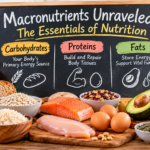










Macronutrients are the cornerstone of our diet, playing a pivotal role in our overall health and wellness. They are the nutrients that provide us with energy and are essential for growth, metabolism, and numerous bodily functions. Understanding macronutrients—namely carbohydrates, proteins, and fats—can profoundly influence how we approach our dietary choices, helping us make informed decisions tailored to our individual needs.
As we delve into the world of macronutrients, we will explore their definitions, classifications, and importance in our daily lives. By examining the food sources that provide these vital nutrients, along with their specific benefits, we can appreciate the integral role they play not only in fueling our bodies but also in enhancing our overall wellbeing.
Macronutrients play a critical role in human nutrition and metabolism.
Macronutrients are the essential components of our diet that provide the energy necessary for all bodily functions and activities. They are categorized into three primary groups: carbohydrates, proteins, and fats. Each macronutrient has unique roles and benefits, contributing to overall health and well-being. Understanding these categories helps us to make informed dietary choices that support our nutritional needs.
Macronutrients are defined by their chemical structure and the roles they play in human physiology. Carbohydrates are primarily used for energy. They can be further divided into simple carbohydrates, like sugars, and complex carbohydrates, such as starches and fibers. Proteins are made up of amino acids, which are critical for building and repairing tissues, producing enzymes, and supporting immune function. Fats, although often misunderstood, are vital for absorbing fat-soluble vitamins (A, D, E, K), providing insulation, and serving as a long-term energy source.
Importance of Macronutrients in Daily Dietary Intake
The importance of macronutrients in our daily intake cannot be overstated. Each macronutrient plays a crucial role in maintaining health, promoting growth, and supporting metabolic processes. A balanced diet containing an appropriate ratio of carbohydrates, proteins, and fats is essential for optimal health. For example, carbohydrates should comprise about 45-65% of daily calorie intake, proteins around 10-35%, and fats between 20-35%.
To illustrate the benefits of each macronutrient, consider the following food sources:
- Carbohydrates: Whole grains like brown rice and oats, fruits like bananas and apples, and vegetables such as sweet potatoes. These foods provide quick energy and are often rich in fiber, which aids digestion and promotes satiety.
- Proteins: Sources include lean meats, fish, eggs, legumes (beans and lentils), and dairy products. Proteins are crucial for building muscle mass, repairing tissues, and producing hormones and enzymes.
- Fats: Healthy fats can be found in avocados, nuts, seeds, olive oil, and fatty fish like salmon. These fats are essential for brain health, energy storage, and hormone production.
The right balance of macronutrients can help prevent chronic diseases and support overall wellness.
The three main types of macronutrients include carbohydrates, proteins, and fats.
Macronutrients are essential components of our diet, providing the energy and building blocks our bodies need to function effectively. Among these, carbohydrates, proteins, and fats play critical roles in maintaining health and supporting various physiological functions. Each macronutrient offers distinct functions and caloric values, making it important to understand their contributions to a balanced diet.
Carbohydrates serve as the body’s primary energy source, fueling both physical activity and brain function. They can be categorized into simple carbohydrates, which provide quick energy, and complex carbohydrates, which offer sustained energy release. Proteins play a vital role in building and repairing tissues, producing enzymes and hormones, and supporting immune function. Fats, often misunderstood, are essential for absorbing fat-soluble vitamins, providing long-term energy storage, and supporting cell membrane integrity.
Functions and Recommended Daily Intake
Understanding the specific functions of carbohydrates, proteins, and fats is crucial for determining the appropriate intake levels. The following Artikels the recommended daily intake values for each macronutrient based on various dietary guidelines:
- Carbohydrates: Typically recommended to comprise 45-65% of total daily calories. For a 2,000 calorie diet, this translates to about 225-325 grams per day. Carbohydrates are essential for energy production and should primarily come from whole grains, fruits, and vegetables.
- Proteins: Recommended to account for 10-35% of total daily calories, which equates to about 50-175 grams per day on a 2,000 calorie diet. Protein is crucial for muscle repair, enzyme production, and overall body maintenance, with sources including lean meats, dairy, legumes, and nuts.
- Fats: Should make up 20-35% of total daily calories, or about 44-78 grams per day on a 2,000 calorie diet. Fats are necessary for hormone production and nutrient absorption, with healthy sources including avocados, olive oil, and fatty fish.
To illustrate the caloric values and functions of each macronutrient, the following table summarizes their contributions:
| Macronutrient | Calories per Gram | Primary Functions |
|---|---|---|
| Carbohydrates | 4 | Energy source, brain function, and metabolism regulation. |
| Proteins | 4 | Tissue repair, enzyme and hormone production, immune function. |
| Fats | 9 | Energy storage, absorption of fat-soluble vitamins, cell membrane structure. |
Each macronutrient plays a vital role in our overall health and well-being, making it essential to consume them in balanced proportions.
Understanding the role of macronutrients in energy production is essential for optimal performance.
Macronutrients—carbohydrates, proteins, and fats—serve as the primary sources of energy for the body. Understanding how these nutrients fuel physical activities can significantly enhance performance, especially for athletes. Each macronutrient plays a unique role in energy production and contributes differently to athletic performance, making it crucial for athletes to optimize their intake for maximum efficiency.
The body metabolizes macronutrients through various biochemical processes to produce energy. Carbohydrates are primarily broken down into glucose, which is readily used for immediate energy. This is especially crucial during high-intensity activities, where quick energy bursts are necessary. Fats, while slower to metabolize, provide a significant energy source during prolonged, low-intensity exercise. Proteins, though not a primary energy source, contribute energy during extended exercise when other sources are depleted, and they also play a vital role in muscle repair and growth.
Energy contribution of macronutrients during exercise
To enhance athletic performance, it’s important to understand the specific roles of each macronutrient during exercise:
- Carbohydrates: The main fuel source for high-intensity workouts. They are stored as glycogen in muscles and the liver, quickly converted to glucose as energy demands increase during exercise.
- Fats: Essential for energy during low-intensity, endurance activities. They are broken down into fatty acids, providing a steady energy release over longer periods.
- Proteins: While predominantly used for tissue repair and recovery, proteins can be converted into glucose through gluconeogenesis during prolonged exercise when carbohydrate stores are low.
To maintain energy levels and enhance performance, athletes should include a variety of nutrient-dense foods in their diets. Here’s a list of energy-producing foods rich in macronutrients ideal for athletes:
- Complex Carbohydrates: Whole grains (brown rice, quinoa, oats), sweet potatoes, and legumes.
- Healthy Fats: Avocados, nuts, seeds, and olive oil, which provide long-lasting energy.
- Lean Proteins: Chicken, turkey, fish, and plant-based proteins like lentils and chickpeas, which aid muscle recovery and energy replenishment.
Incorporating these foods can not only support optimal energy levels but also enhance performance, allowing athletes to push their limits while maintaining overall health and recovery.
“Optimal energy production from macronutrients is the cornerstone of athletic performance, fueling both high-intensity bursts and endurance activities.”
The balance of macronutrients in your diet can influence weight management and health.
Understanding how macronutrients affect our bodies is crucial for effective weight management and overall health. Macronutrients, which include carbohydrates, proteins, and fats, each play unique roles in our metabolic processes. The balance of these nutrients can significantly influence whether we gain, lose, or maintain weight. By adjusting these ratios, individuals can tailor their diets to meet specific health and fitness goals.
Effects of Different Macronutrient Ratios on Weight Management
Different macronutrient ratios can lead to varying outcomes in weight loss or gain due to their distinct effects on metabolism and satiety. For instance, diets high in protein may promote muscle maintenance during weight loss, while those rich in healthy fats can enhance feelings of fullness. Carbohydrates, on the other hand, are crucial for energy but can lead to weight gain if consumed in excess without appropriate activity levels.
A common approach in dietary strategies is the manipulation of macronutrient ratios. Here are some popular strategies:
- Low-Carbohydrate Diets: Often leading to quick weight loss, these diets reduce carbohydrate intake significantly and increase protein and fat consumption. This can lead to a state of ketosis, where the body burns fat for energy instead of carbohydrates.
- High-Protein Diets: These diets emphasize protein intake to enhance satiety and muscle preservation. They are particularly useful for individuals looking to lose fat while maintaining lean mass.
- Balanced Diets: Maintaining a moderate intake of all three macronutrients supports overall energy levels and nutrient adequacy. This approach is often seen in traditional dietary guidelines.
- Cyclical Ketogenic Diets: This strategy involves alternating between periods of low-carb intake and higher-carb days to replenish glycogen stores while still promoting fat loss.
Impact of Macronutrient Timing on Metabolic Processes
The timing of macronutrient intake can also influence metabolic processes and overall health. Consuming specific nutrients at strategic times can optimize energy levels, recovery, and fat loss. For example, post-workout nutrition is crucial for muscle recovery. Consuming a mix of protein and carbohydrates soon after exercising can enhance recovery and muscle protein synthesis.
Additionally, eating carbohydrates after workouts may help replenish muscle glycogen stores, facilitating better performance in subsequent training sessions. Here are some vital points regarding macronutrient timing:
- Pre-Workout Meals: A balanced meal containing carbohydrates and protein 1-2 hours before exercise can provide sustained energy.
- Post-Workout Nutrition: Consuming protein and carbohydrates shortly after exercise aids in recovery and muscle growth.
- Evening Protein Intake: Having a protein-rich snack before bed may support muscle recovery and growth overnight.
“The right balance and timing of macronutrients can significantly enhance your weight management efforts and overall health.”
Individual macronutrient needs can vary significantly based on lifestyle and health status.
Understanding that macronutrient needs are not a one-size-fits-all approach is essential for maintaining optimal health and wellness. Factors such as age, sex, activity level, and health conditions all play a critical role in determining how much protein, carbohydrates, and fats each individual should consume. This personalized perspective helps in achieving specific health goals, whether that be weight loss, muscle gain, or overall well-being.
Factors Influencing Macronutrient Needs
The interplay of various factors shapes the unique macronutrient profile that suits each person. It is crucial to consider the following elements when assessing individual needs:
- Age: Younger individuals typically require higher protein for growth and development, while older adults may need adjusted protein levels to prevent muscle loss.
- Sex: Males often have higher caloric needs than females due to greater muscle mass, influencing protein and fat requirements.
- Activity Level: Athletes or those with high activity levels need a balanced intake of carbohydrates for energy and protein for recovery compared to sedentary individuals.
- Health Conditions: Conditions such as diabetes may necessitate a lower carbohydrate intake, while individuals recovering from surgery might need increased protein for healing.
Each of these factors contributes to a nuanced understanding of how macronutrient needs can vary significantly.
Personalized Approaches to Calculating Macronutrient Needs
Calculating macronutrient needs involves a thoughtful assessment of various health and lifestyle factors. A customized approach can enhance dietary adherence and effectiveness. Here’s a general method to calculate macronutrient needs:
1. Determine Daily Caloric Needs: This can be done using the Basal Metabolic Rate (BMR) and adjusting for activity level.
BMR calculation: For women: BMR = 655 + (9.6 × weight in kg) + (1.8 × height in cm) – (4.7 × age in years)
BMR calculation: For men: BMR = 66 + (13.7 × weight in kg) + (5 × height in cm) – (6.8 × age in years)
2. Set Macronutrient Ratios: Ratios may vary based on goals—for instance, a common ratio for weight loss might be 40% carbohydrates, 30% protein, and 30% fats.
3. Calculate Grams per Macronutrient:
– Carbohydrates: Daily calories × 0.40 ÷ 4
– Proteins: Daily calories × 0.30 ÷ 4
– Fats: Daily calories × 0.30 ÷ 9
This formula provides a clear framework that can be tailored further based on individual requirements.
Importance of Consulting Healthcare Professionals
Consulting with a healthcare professional or nutritionist is invaluable for receiving tailored dietary advice. These experts can offer insights based on comprehensive assessments, including blood tests, medical history, and lifestyle evaluations. Their guidance ensures that dietary changes are safe and effective, particularly for individuals with specific health conditions or those aiming for particular fitness goals.
In summary, recognizing the complexity of individual macronutrient needs allows for a more targeted and effective approach to nutrition. Personalization, guided by professional advice, leads to better health outcomes and fosters an understanding of one’s body and its unique requirements.
The impact of macronutrients on mental health and cognition is often overlooked.
The influence of macronutrients on mental health and cognitive function is a critical yet frequently ignored aspect of nutrition. Our brain, demanding a substantial portion of our daily energy, relies on a steady supply of macronutrients—proteins, fats, and carbohydrates—to maintain optimal performance. Understanding how these nutrients affect our mental states can lead to better dietary choices that enhance cognitive abilities and overall mental well-being.
The connection between macronutrient intake and brain function is profound. Proteins, made up of amino acids, are essential for neurotransmitter synthesis, which regulates mood and cognitive functions. Fats, particularly omega-3 fatty acids, are crucial for building brain cell membranes and reducing inflammation, thereby promoting better mental clarity. Carbohydrates, on the other hand, serve as the primary energy source for the brain, influencing mood and concentration. Research has shown that balanced macronutrient consumption can significantly impact mental health, with diets low in certain nutrients linked to conditions such as depression and anxiety.
Studies on Macronutrients and Mental Health
Numerous studies highlight the relationship between macronutrients and cognitive performance. For instance, a study published in the *American Journal of Clinical Nutrition* found that a higher intake of omega-3 fatty acids is associated with reduced depressive symptoms. Another research indicated that individuals consuming a diet rich in whole grains, fruits, and vegetables—carbohydrate sources with a low glycemic index—exhibited better cognitive performance and mood stability compared to those consuming sugary, processed foods. The evidence is clear: the right balance of macronutrients not only fuels the brain but also plays a pivotal role in emotional health.
To support optimal brain function, certain foods are particularly beneficial due to their rich macronutrient profiles. Incorporating these brain-boosting foods into your diet can help enhance cognitive performance and mood.
- Proteins:
– Lean meats (chicken, turkey)
– Fish (salmon, mackerel)
– Eggs
– Legumes (beans, lentils) - Healthy Fats:
– Avocados
– Nuts (walnuts, almonds)
– Seeds (chia, flaxseeds)
– Olive oil - Carbohydrates:
– Whole grains (quinoa, brown rice)
– Fruits (berries, bananas)
– Vegetables (leafy greens, sweet potatoes)
– Oats
Including these nutrient-dense foods in your daily meals can provide the necessary support for mental health and cognitive function. Eating a balanced diet that prioritizes these macronutrients can lead to improved focus, better mood regulation, and enhanced overall cognitive abilities.
The shift in dietary trends has led to various macronutrient-focused diets gaining popularity.
The landscape of nutrition has evolved significantly, with various diets emerging that prioritize specific macronutrient distributions. These dietary trends reflect a shift in how individuals approach food intake, focusing on the balance of carbohydrates, proteins, and fats to achieve desired health outcomes. Among the most prominent diets are the ketogenic, paleo, and balanced diets, each with its own guiding principles regarding macronutrient distribution.
Principles of Popular Diets
Understanding the foundational principles of these diets is essential for appreciating their macronutrient emphases. The ketogenic diet, for instance, is characterized by a high-fat, low-carb structure, typically comprising around 70-80% fats, 15-20% proteins, and only about 5-10% carbohydrates. This drastic reduction in carbohydrates aims to induce a state of ketosis, where the body utilizes fat as its primary energy source.
In contrast, the paleo diet advocates for consuming whole foods that our ancestors might have eaten, which often leads to a macronutrient ratio of approximately 40% carbohydrates, 30% proteins, and 30% fats. This diet emphasizes unprocessed foods, thereby eliminating refined sugars and grains, while promoting lean meats, fish, fruits, and vegetables.
The balanced diet, often recommended by nutritionists, aims for a more equitable macronutrient distribution of about 45-65% carbohydrates, 10-35% proteins, and 20-35% fats. This flexibility allows for a wide variety of food choices and is designed to provide a well-rounded nutrient profile.
Health Implications of High-Carb versus Low-Carb Diets
The health implications of high-carb versus low-carb diets are widely debated and depend significantly on individual health goals and metabolic responses. High-carb diets, typically rich in whole grains, fruits, and legumes, are often linked to enhanced energy levels and improved athletic performance. These diets are generally associated with lower risks of chronic diseases when they emphasize quality sources of carbohydrates.
On the other hand, low-carb diets like the ketogenic diet can lead to rapid weight loss and improved metabolic markers in the short term. However, they may also present risks, such as nutrient deficiencies and increased cholesterol levels if not followed carefully.
“The right balance of macronutrients can play a crucial role in health optimization and disease prevention.”
To illustrate the macronutrient profiles of these diets clearly, the following table summarizes their typical distributions:
| Diet Type | Carbohydrates (%) | Proteins (%) | Fats (%) |
|---|---|---|---|
| Ketogenic | 5-10 | 15-20 | 70-80 |
| Paleo | 40 | 30 | 30 |
| Balanced | 45-65 | 10-35 | 20-35 |
Cooking methods can alter the macronutrient content of foods significantly.
Cooking is an essential part of preparing meals, but it can also dramatically influence the nutritional profile of our food. Different cooking techniques can either enhance or diminish the availability of macronutrients such as carbohydrates, proteins, and fats. Understanding these methods is key to maximizing the health benefits of our meals.
Various cooking techniques can alter the nutritional properties of macronutrients in different ways. For instance, boiling vegetables might lead to the loss of water-soluble vitamins, while steaming can help retain more nutrients. Similarly, frying foods can increase fat content and change the composition of certain macronutrients. Each method interacts differently with the food, affecting how our bodies absorb and utilize these essential nutrients.
Effects of Cooking Techniques on Macronutrient Content
Different cooking methods have specific impacts on the availability of macronutrients. Here are some key techniques and their effects:
– Boiling:
This method can lead to significant nutrient loss, especially for water-soluble vitamins like Vitamin C and B vitamins. Cooking time and temperature play crucial roles; shorter boiling times can help preserve more nutrients.
– Steaming:
Steaming is one of the best methods for preserving nutrient content, especially in vegetables. It minimizes the contact between food and water, thus retaining more vitamins and minerals.
– Grilling:
Grilling can enhance flavor and create a pleasant texture while causing some fat to drip away. However, it may also produce harmful compounds if foods are charred.
– Frying:
Frying, especially deep frying, increases the fat content of food significantly. This method can reduce certain nutrients but enhance the availability of others, like carotenoids in vegetables.
– Baking:
Baking retains most nutrients but can lead to a loss of moisture. It’s a great method for preparing proteins while maintaining their nutritional integrity.
Preserving macronutrient integrity while cooking is essential for maximizing health benefits. Here are some practical tips to maintain the nutritional quality of your meals:
– Opt for shorter cooking times and lower temperatures when possible.
– Use minimal water when cooking vegetables to prevent nutrient leaching.
– Incorporate raw foods in your diet where appropriate, as they maintain maximum nutrient levels.
– Consider cooking with healthy fats, such as olive oil, which can enhance nutrient absorption without significantly increasing unhealthy fat content.
– Use methods like sautéing or stir-frying that require less cooking time and help retain more nutrients.
In addition to these tips, here is a list of cooking methods that enhance or reduce macronutrient availability:
- Enhances Nutrient Availability:
- Steaming – Retains vitamins and minerals in vegetables.
- Grilling – Adds flavor while allowing fat to drip away.
- Sautéing – Quick cooking that preserves nutrients.
- Microwaving – Short cooking times help retain nutrients.
- Reduces Nutrient Availability:
- Boiling – Causes leaching of water-soluble vitamins.
- Frying – Increases unhealthy fat content and may reduce some nutrients.
- Baking – Can cause moisture loss and nutrient degradation.
- Overcooking – Detrimental to nutrient levels across all cooking methods.
Understanding cooking methods can empower you to make healthier food choices, ultimately leading to better overall nutrition.
Wrap-Up
In summary, the knowledge of macronutrients equips us to optimize our diets, promoting better health and performance. By understanding how these essential nutrients work in harmony, we can tailor our food intake to support our lifestyles, manage weight, and even boost our mental well-being. With the right balance of carbohydrates, proteins, and fats, we can pave the way for a healthier future.
Quick FAQs
What are macronutrients?
Macronutrients are nutrients required by the body in large amounts, primarily including carbohydrates, proteins, and fats, which provide energy and support various bodily functions.
How much of each macronutrient should I consume daily?
Daily intake varies but generally includes 45-65% carbohydrates, 10-35% proteins, and 20-35% fats, depending on individual dietary needs and health goals.
Can I get enough macronutrients from a vegan diet?
Yes, a well-planned vegan diet can provide all necessary macronutrients through whole grains, legumes, nuts, seeds, and vegetables.
Are all fats bad for health?
No, not all fats are bad; unsaturated fats, found in foods like avocados and olive oil, are beneficial, while trans fats and excessive saturated fats should be limited.
How do I balance my macronutrient intake for weight loss?
Balancing your macronutrient intake for weight loss typically involves adjusting ratios to favor protein and healthy fats while managing carbohydrate intake, along with overall calorie control.