






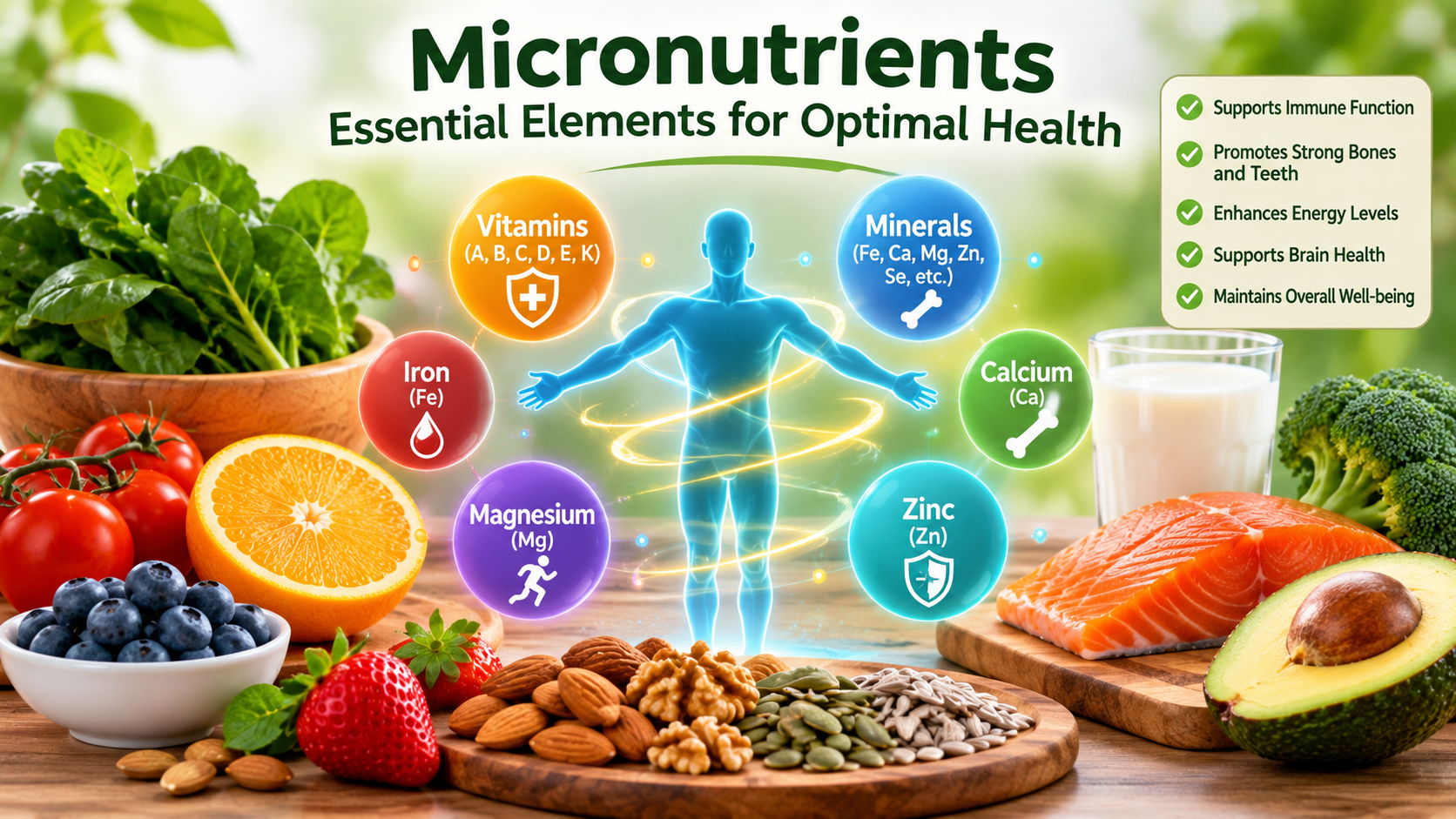
Micronutrients, those often overlooked yet vital elements, play a significant role in our overall health and well-being. They encompass a variety of vitamins and minerals that support countless bodily functions, from boosting our immune system to promoting healthy skin. As we journey through the importance of these nutrients, you’ll discover how they impact our daily lives and the potential consequences of deficiencies.
Understanding micronutrients can transform how we approach our diets and health. These tiny compounds may seem insignificant due to their size, but their impact is profoundly significant, influencing everything from energy production to mental clarity. In this exploration, we will delve into the types of micronutrients, their dietary sources, and the importance of maintaining a balanced intake for optimal health.
The Importance of Micronutrients in Human Health
Micronutrients, which include vitamins and minerals, play a crucial role in maintaining overall health and wellness. Although they are required in small amounts, their impact on bodily functions is profound. These essential nutrients contribute to several biochemical processes, including immune function, energy production, and bone health. Their significance can’t be overstated, as deficiencies can lead to serious health issues.
Micronutrients are vital for a well-functioning body. For instance, Vitamin A supports vision and immune function, while the B vitamins are essential for energy metabolism and brain health. Vitamin C plays a critical role in collagen synthesis and antioxidants, protecting cells from damage. Minerals like iron and zinc are crucial for oxygen transport and immune response, respectively. When the body lacks these micronutrients, it can lead to a myriad of health problems.
Health Issues from Micronutrient Deficiencies
Micronutrient deficiencies can lead to significant health complications that affect various systems in the body. Here are some examples of specific health issues associated with deficiencies:
- Iron Deficiency Anemia: A lack of iron can result in anemia, characterized by fatigue, weakness, and pale skin. Iron is fundamental for hemoglobin production, which carries oxygen in the blood.
- Scurvy: This condition arises from a deficiency in Vitamin C, leading to symptoms like bleeding gums, joint pain, and skin issues. Vitamin C is essential for the synthesis of collagen and the proper functioning of the immune system.
- Osteoporosis: Calcium and Vitamin D deficiencies can contribute to bone density loss, increasing the risk of fractures. Both nutrients are critical for maintaining bone health and density.
- Goiter: An iodine deficiency can lead to an enlargement of the thyroid gland, known as goiter. Iodine is crucial for the production of thyroid hormones that regulate metabolism.
Each micronutrient serves distinct functions that are integral to overall health. For example, Vitamin D facilitates calcium absorption, while magnesium is involved in over 300 enzymatic reactions, impacting everything from muscle function to energy production. A well-balanced diet that includes a variety of fruits, vegetables, whole grains, and lean proteins can help ensure adequate micronutrient intake, thus safeguarding against deficiencies and promoting optimal health.
Types of Micronutrients and Their Functions
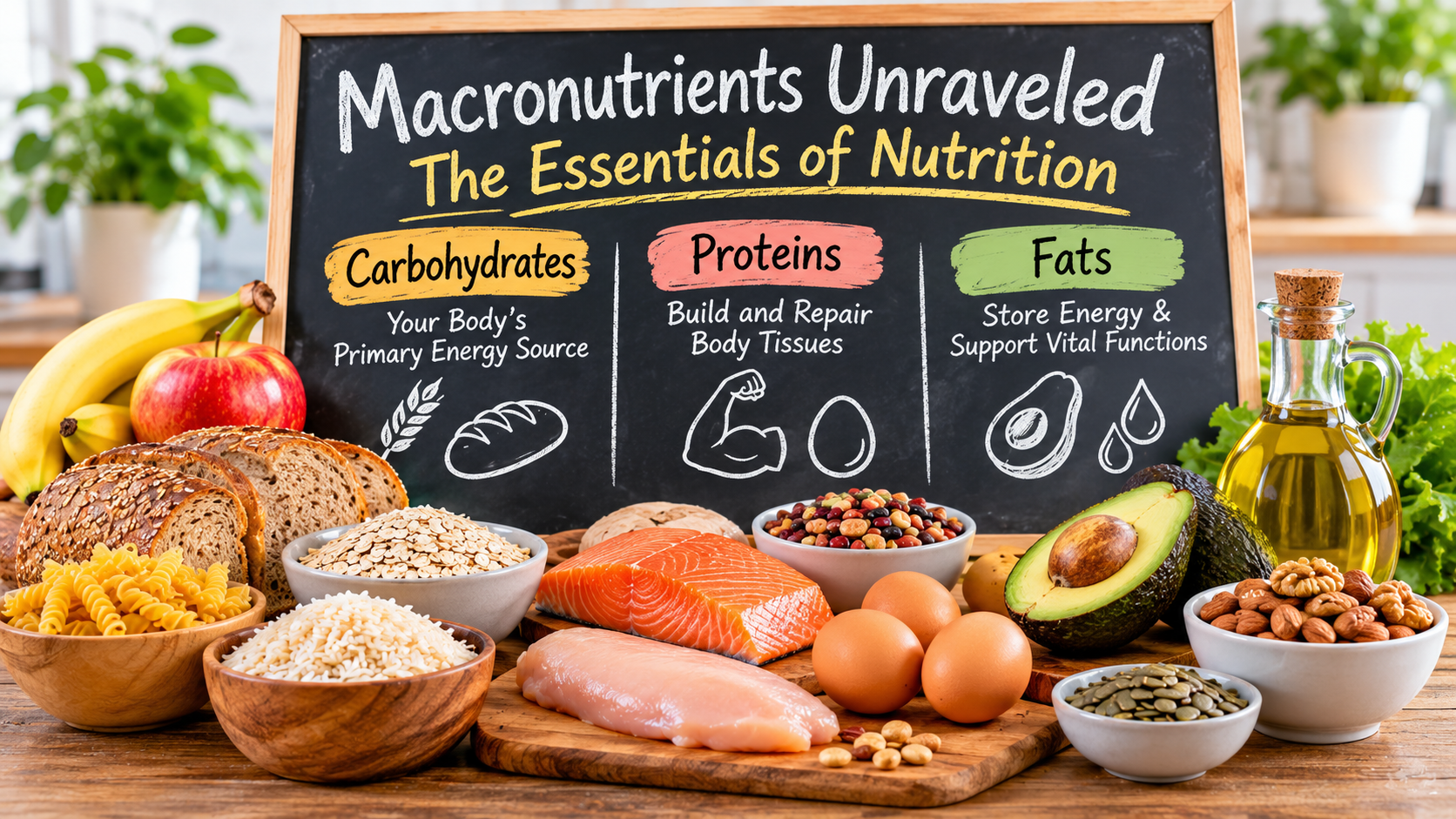
Micronutrients play essential roles in our bodies, aiding in various physiological functions necessary for maintaining health. These nutrients, which include vitamins and minerals, are required in smaller amounts compared to macronutrients like carbohydrates, proteins, and fats. While they might be needed in minor quantities, their impact on overall health is monumental. They contribute to processes such as energy production, immune function, bone health, and wound healing among others.
Vitamins are organic compounds that are critical for various biochemical processes in the body and are usually divided into water-soluble and fat-soluble categories. On the other hand, minerals are inorganic elements that help in structure, fluid balance, and muscle contraction. Each micronutrient has distinct functions, and together they ensure that our bodies operate optimally.
Categories of Micronutrients
Understanding the different categories of micronutrients is vital for proper dietary planning. Below are the primary categories, along with their significant functions:
- Vitamins:
- Water-soluble vitamins: include Vitamin C and all B vitamins. They play crucial roles in energy production, red blood cell formation, and nervous system function.
- Fat-soluble vitamins: include Vitamins A, D, E, and K. These vitamins are essential for vision, bone health, antioxidant protection, and blood clotting.
- Minerals:
- Macrominerals: include calcium, potassium, and magnesium. They are important for bone health, muscle contractions, and nerve signaling.
- Trace minerals: include iron, zinc, and selenium. These are vital for oxygen transport, immune function, and antioxidant defense.
Specific Micronutrients and Their Functions
Each micronutrient serves unique and essential roles in the body. Here are some specific examples:
- Vitamin C: A powerful antioxidant aiding in collagen synthesis, Vitamin C supports skin health, immune function, and iron absorption.
- Vitamin D: Crucial for calcium absorption and bone health, Vitamin D also plays a role in regulating mood and immune response.
- Calcium: The most abundant mineral in the body, calcium is vital for maintaining strong bones and teeth, as well as facilitating muscle contractions.
- Iron: Essential for the production of hemoglobin, iron transports oxygen throughout the body, preventing fatigue and enhancing physical performance.
- Zinc: Important for immune function, wound healing, and DNA synthesis, zinc plays a significant role in cellular metabolism.
Micronutrient Sources and Recommended Daily Allowances
To maintain optimal health, it’s essential to know where to obtain these micronutrients and the amounts needed. The table below summarizes the sources and recommended daily allowances (RDA) for selected micronutrients.
| Micronutrient | Sources | Recommended Daily Allowance (RDA) |
|---|---|---|
| Vitamin C | Citrus fruits, strawberries, bell peppers, broccoli | 75 mg (women), 90 mg (men) |
| Vitamin D | Fatty fish, fortified dairy products, sunlight | 600 IU (15 mcg) |
| Calcium | Dairy products, leafy greens, almonds | 1000 mg (adults), 1300 mg (teens) |
| Iron | Red meat, beans, lentils, spinach | 18 mg (women), 8 mg (men) |
| Zinc | Meat, shellfish, legumes, seeds | 8 mg (women), 11 mg (men) |
Proper intake of micronutrients is crucial for sustaining health and preventing deficiencies that can lead to serious health issues.
Dietary Sources of Essential Micronutrients
Micronutrients play a crucial role in maintaining optimal health and supporting various bodily functions. Essential vitamins and minerals are necessary for energy production, immune function, bone health, and overall well-being. Understanding where to find these micronutrients in everyday foods can greatly enhance your diet and health.
Incorporating a variety of foods rich in essential micronutrients into your meals is an effective strategy for meeting your nutritional needs. Below is a guide on common dietary sources of these micronutrients and tips on how to easily include them in your daily meals.
Common Food Sources Rich in Essential Micronutrients
A diverse diet ensures you receive a wide range of essential micronutrients. Here’s a list of food sources that are packed with vitamins and minerals:
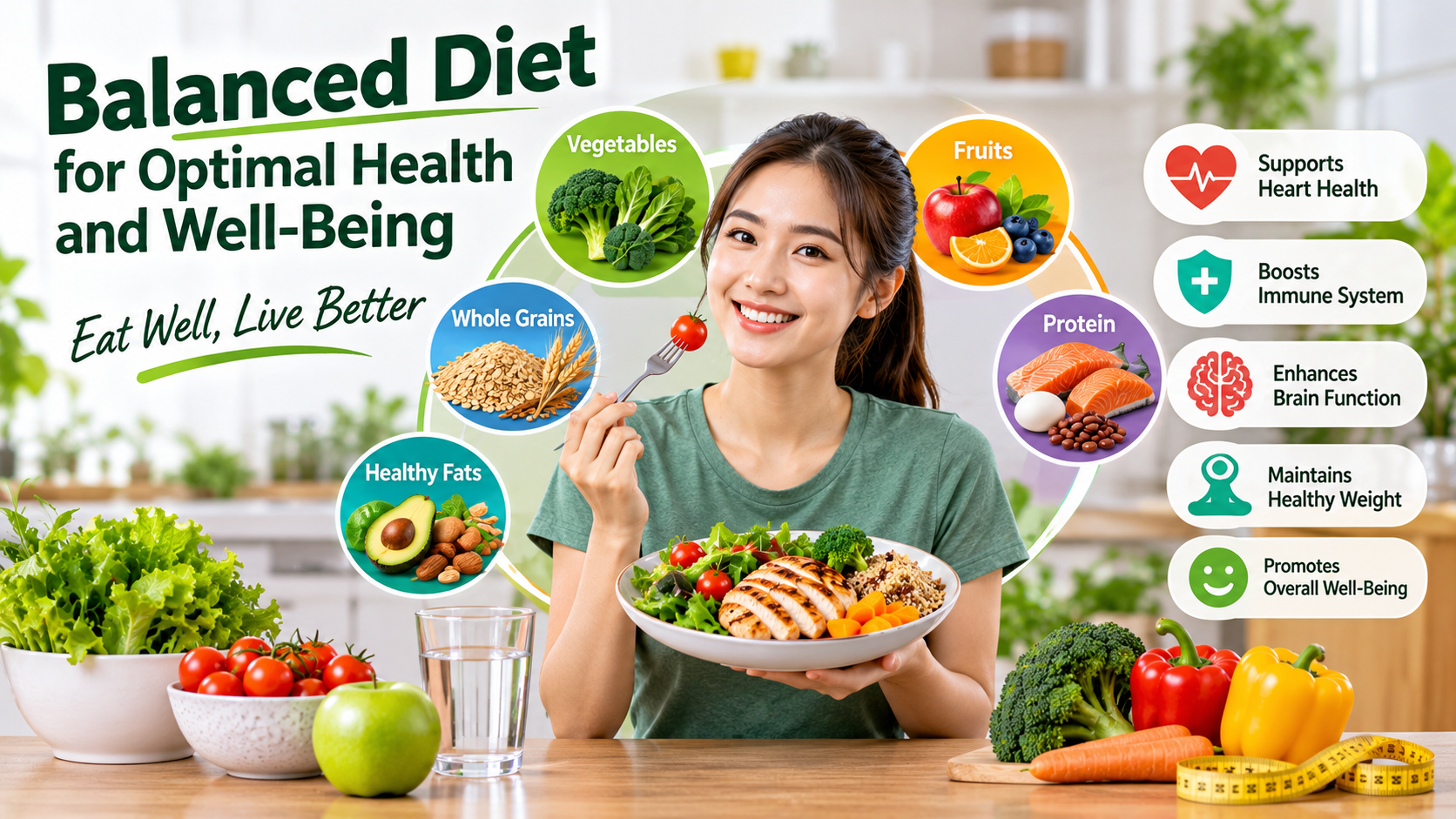
- Fruits: Citrus fruits (oranges, lemons), berries (strawberries, blueberries), bananas, and avocados provide vitamin C, potassium, and various antioxidants.
- Vegetables: Leafy greens (spinach, kale), carrots, bell peppers, and broccoli are excellent sources of vitamins A, C, K, and several B vitamins.
- Nuts and Seeds: Almonds, walnuts, chia seeds, and sunflower seeds are rich in vitamin E, magnesium, and omega-3 fatty acids.
- Whole Grains: Quinoa, brown rice, oats, and whole wheat products contain B vitamins, iron, and fiber.
- Legumes: Lentils, chickpeas, and beans are great sources of folate, iron, and protein.
- Dairy Products: Milk, yogurt, and cheese provide calcium, vitamin D, and B vitamins.
- Meat and Fish: Lean meats, poultry, and fatty fish (such as salmon and mackerel) are rich in iron, zinc, and omega-3 fatty acids.
Including these food sources in your diet can be quite simple. Start your day with a smoothie that combines spinach, bananas, and almond milk. For snacks, opt for a handful of nuts or a piece of fruit. At lunch, choose a salad with mixed greens, grilled chicken, and a variety of colorful vegetables. Dinner can include grilled fish with a side of quinoa and steamed broccoli. Don’t forget to experiment with different seasonings and cooking methods to keep meals exciting and flavorful.
Seasonal foods often provide a wealth of micronutrients. Here’s a guide to some seasonal foods that can enhance your micronutrient intake:
- Spring: Asparagus (vitamin K), peas (vitamin C), and strawberries (antioxidants).
- Summer: Tomatoes (lycopene), zucchini (vitamin C), and berries (fiber and vitamins).
- Fall: Pumpkins (vitamin A), sweet potatoes (beta-carotene), and apples (fiber).
- Winter: Kale (vitamin K), citrus fruits (vitamin C), and Brussels sprouts (vitamin C and K).
Utilizing these foods in your meals can not only support health but also ensure a varied diet throughout the year, making eating both nutritious and enjoyable.
The Impact of Cooking on Micronutrient Content
Cooking plays a significant role in determining the nutritional value of our food. Different cooking methods can either enhance or diminish the levels of essential micronutrients, such as vitamins and minerals. Understanding how these techniques affect nutrient retention is vital for optimizing our dietary intake and ensuring we derive the maximum benefit from the foods we consume.
Various cooking methods have different effects on the retention of micronutrients. For instance, boiling vegetables can lead to significant nutrient loss, particularly water-soluble vitamins like vitamin C and several B vitamins. Conversely, steaming is a gentler cooking method that helps preserve these nutrients better than boiling. Research indicates that steaming can retain up to 90% of vitamin C, while boiling only retains about 50%. Additionally, methods that involve lower temperatures and shorter cooking times are generally more effective in preserving micronutrient content.
Cooking Techniques that Preserve Micronutrient Levels
Several cooking techniques not only maintain but can also enhance the levels of micronutrients in food. These methods can be employed to maximize nutrient intake:
1. Steaming: This method involves cooking food using steam heat, which prevents direct contact with water, thereby minimizing nutrient loss. Steamed vegetables, such as broccoli and spinach, retain more vitamins compared to their boiled counterparts.
2. Sautéing: Quick-cooking methods like sautéing can help preserve nutrients. Using healthy oils, such as olive oil, can also add beneficial fats that aid in the absorption of fat-soluble vitamins A, D, E, and K.
3. Microwaving: This technique cooks food quickly, which helps retain nutrients. A study found that microwaving vegetables can result in less nutrient loss than boiling, particularly for vitamin C.
4. Roasting: When done properly, roasting can enhance the flavor of vegetables while preserving their nutrients. The caramelization process that occurs can also make some antioxidants more bioavailable.
5. Fermentation: This method not only preserves but can also increase the bioavailability of certain nutrients. Foods like yogurt and sauerkraut are rich in probiotics and can enhance nutrient absorption.
To maximize nutrient intake when preparing foods, consider the following step-by-step approach:
1. Choose Fresh Ingredients: Opt for fresh, seasonal produce as they generally have higher nutrient levels.
2. Avoid Excessive Water: When boiling or blanching, use minimal water to reduce nutrient loss.
3. Cut Vegetables Just Before Cooking: Chopping vegetables too early can lead to nutrient degradation, particularly vitamin C.
4. Cook with Skin On: Whenever feasible, cook vegetables with their skins, as many nutrients are concentrated in the skin layer.
5. Use Minimal Cooking Time: Aim for shorter cooking times to preserve vitamins. For example, quick blanching followed by immediate cooling can be effective.
6. Combine Cooking Methods: Use methods like blanching followed by sautéing to both preserve and enhance nutrient content.
By understanding the impact of cooking methods, you can make informed choices that help retain and enhance the micronutrient content of your meals, promoting better health and well-being.
Micronutrient Supplements
Micronutrient supplements play a crucial role in maintaining overall health, especially when dietary intake falls short. While a well-rounded diet is the best source of essential vitamins and minerals, there are circumstances where supplementation becomes necessary. Understanding these scenarios and the pros and cons of obtaining micronutrients through supplements versus food can help individuals make informed decisions about their health.
Certain situations may warrant the use of micronutrient supplements. For instance, individuals with restrictive diets, such as vegans or vegetarians, may struggle to obtain adequate levels of certain nutrients, like vitamin B12, iron, and calcium. Pregnant women also have increased nutritional needs to support fetal development, making supplements like folic acid and iron particularly important. Additionally, older adults often experience decreased absorption of nutrients and may require supplements to meet their daily needs. Athletes and those with specific health conditions, such as malabsorption syndromes, may also benefit from targeted supplementation to ensure optimal performance and recovery.
When comparing the efficacy of obtaining micronutrients from food versus supplements, it is essential to consider bioavailability—the degree and rate at which nutrients are absorbed and utilized by the body. Whole foods often contain a complex mix of vitamins, minerals, fiber, and other beneficial compounds that work synergistically to promote health. For example, the nutrients in an apple are more readily absorbed when consumed whole, as opposed to an isolated vitamin C supplement.
Supplements can provide a convenient way to fill nutritional gaps, particularly for those unable to meet their needs through diet alone. However, excessive intake of certain vitamins and minerals through supplements can lead to toxicity and negative health effects. For instance, high doses of vitamin A can cause liver damage, while too much iron can lead to gastrointestinal issues.
To illustrate the various micronutrient supplements available, their benefits, and potential risks, the following table summarizes key information:
| Supplement | Benefits | Risks |
|---|---|---|
| Vitamin D | Supports bone health and immune function | Excessive intake can lead to hypercalcemia |
| Iron | Essential for blood production and energy levels | Too much can cause gastrointestinal distress and organ damage |
| Vitamin B12 | Crucial for nerve function and red blood cell formation | Generally safe, but high doses may cause anxiety in sensitive individuals |
| Folic Acid | Important for cellular division and DNA synthesis | May mask vitamin B12 deficiency, leading to neurological damage |
| Calcium | Strengthens bones and teeth, supports muscle function | Excess can lead to kidney stones and cardiovascular issues |
In summary, while micronutrient supplements can be beneficial in certain scenarios, it is often best to prioritize obtaining these essential nutrients through a balanced diet. Awareness of the potential risks associated with supplementation is equally important for maintaining overall health.
Micronutrient Deficiencies Around the World
Micronutrient deficiencies remain a critical concern for global public health, affecting millions of people, particularly in developing countries. These deficiencies primarily involve a lack of essential vitamins and minerals, such as iron, vitamin A, and iodine, which are vital for optimal body function. The consequences of not addressing these deficiencies can be severe, leading to a range of health issues, including impaired cognitive function, weakened immune systems, and adverse effects on fetal development.
The global landscape of micronutrient deficiencies displays significant variation across regions and demographics. According to the World Health Organization (WHO), approximately two billion people worldwide suffer from micronutrient deficiencies. Iron deficiency anemia is one of the most prevalent conditions, particularly affecting women and children in low- and middle-income countries. Vitamin A deficiency remains a significant issue in Southeast Asia and Sub-Saharan Africa, where it contributes to high rates of childhood mortality. Iodine deficiency, though largely controlled in many regions, still poses risks in areas where iodized salt is not commonly used.
Regional Variations and Affected Populations
Understanding the specific regions and populations impacted by micronutrient deficiencies is essential for effective intervention. The following points highlight the global trends and the demographics most affected:
- Sub-Saharan Africa: High rates of iron and vitamin A deficiencies are prevalent, primarily affecting pregnant women and young children. The lack of access to nutritious foods exacerbates these conditions.
- South Asia: This region faces significant challenges with iron deficiency anemia, particularly among women of reproductive age. Cultural dietary practices and low iron availability contribute to this health crisis.
- Latin America: While many countries have made advances in addressing deficiencies, pockets of vitamin A deficiency still exist, especially in indigenous populations with limited access to diverse diets.
- Eastern Europe: Iodine deficiency has been documented in regions where iodine supplementation is poor. Awareness campaigns are essential to improving dietary habits concerning iodine intake.
- Middle East: Some populations face deficiencies in vitamin D and iron due to dietary restrictions and lifestyle factors, impacting overall health and well-being.
Efforts to combat micronutrient deficiencies have taken various forms through global and regional initiatives. These programs aim to improve nutrition and health outcomes significantly. Some notable initiatives include:
- Fortification Programs: Many countries have implemented initiatives to fortify staple foods with essential vitamins and minerals, such as iron and folic acid.
- Supplementation Campaigns: Programs providing direct supplementation of vitamins A and D, especially for vulnerable populations like children and pregnant women, have shown positive results.
- Nutrition Education: Awareness campaigns aim to educate communities about the importance of balanced diets and the sources of essential micronutrients, helping to improve dietary choices.
- Global Partnerships: Collaborations between governments, NGOs, and international organizations focus on scaling up successful interventions and sharing best practices in addressing deficiencies.
- Research Initiatives: Ongoing studies are essential for understanding the impact of micronutrient deficiencies and examining innovative solutions to address them effectively.
“Addressing micronutrient deficiencies is crucial for improving public health and ensuring the well-being of future generations.”
The Role of Micronutrients in Disease Prevention
Micronutrients, including vitamins and minerals, play a vital role in maintaining optimal health and preventing chronic diseases. While they are required in smaller amounts compared to macronutrients, their impact on bodily functions is significant. Adequate intake of micronutrients can bolster the immune system, enhance cellular function, and reduce the risk of various health conditions. Exploring their preventative capabilities provides insights into crafting a well-rounded diet that supports long-term health.
Micronutrient deficiencies are linked to numerous chronic diseases, emphasizing the importance of maintaining adequate levels through diet. For instance, insufficient vitamin D is associated with increased risk of osteoporosis and cardiovascular diseases. Similarly, a lack of folate can lead to neural tube defects during pregnancy and has been connected to cardiovascular issues in adults. Iron deficiency can result in anemia, leading to fatigue and weakened immunity. These examples highlight the critical need for micronutrients in disease prevention, demonstrating that their absence can have severe health implications.
Creating a Balanced Diet for Disease Prevention
To effectively prevent diseases through micronutrient intake, a balanced diet must be prioritized. This entails incorporating a variety of nutrient-dense foods that provide essential vitamins and minerals. Below are some key components to consider when crafting such a diet:
- Fruits and Vegetables: Aim for a colorful assortment, as different colors indicate various nutrients. Leafy greens like spinach and kale are rich in vitamin K and folate, while citrus fruits provide ample vitamin C.
- Whole Grains: Foods like brown rice, quinoa, and oats are excellent sources of B vitamins and fiber, which support digestion and overall health.
- Protein Sources: Incorporate lean meats, fish, legumes, and nuts. For example, fatty fish is rich in omega-3 fatty acids, which can reduce inflammation and the risk of heart disease.
- Dairy or Alternatives: These provide calcium and vitamin D, crucial for bone health. Fortified plant-based alternatives can also be beneficial.
- Healthy Fats: Include sources of unsaturated fats like olive oil, avocados, and nuts, which contribute to heart health and can aid in the absorption of fat-soluble vitamins.
Monitoring micronutrient intake can also be achieved through meal planning and awareness of food choices. Regularly incorporating foods rich in specific micronutrients can aid in bridging potential gaps. For instance, adding pumpkin seeds can enhance magnesium intake, while a handful of berries can boost vitamin C levels.
“A well-balanced diet rich in micronutrients not only supports overall health but also plays a crucial role in preventing chronic diseases.”
By understanding the connection between micronutrients and disease prevention, individuals can make informed dietary choices that promote long-term health and well-being. Ensuring a diverse intake of various foods is essential for maintaining optimal micronutrient levels and safeguarding against chronic conditions.
Future Research Directions in Micronutrient Studies
The study of micronutrients is evolving rapidly as researchers uncover new insights that could significantly impact public health and dietary guidelines. Emerging trends in micronutrient studies not only focus on the essential vitamins and minerals but also consider their interactions, bioavailability, and the role of genetics and environment in micronutrient metabolism. Future research is poised to bridge existing gaps in knowledge and challenge current dietary recommendations, with implications for a wide range of health practices.
Advancements in technology and methodology have enabled researchers to explore the complexities of micronutrients in greater detail. High-throughput sequencing, metabolomics, and bioinformatics are opening avenues to understand how micronutrients affect gene expression and metabolic pathways. As these technologies mature, they could lead to personalized nutrition recommendations based on individual micronutrient needs, influenced by genetics, lifestyle, and even microbiome composition. This personalized approach to nutrition could transform how we view dietary guidelines and health interventions.
Identifying Gaps in Current Knowledge
Despite the progress made in understanding micronutrients, several gaps remain that warrant further exploration. For instance, the interplay between micronutrient status and chronic diseases such as diabetes, heart disease, and cancer is still not fully understood. Additionally, the impact of micronutrient deficiencies on mental health and cognitive function is an area that requires more attention.
The following points highlight key areas where current research is lacking:
- The role of micronutrients in epigenetic modifications and how these modifications influence health outcomes.
- Interactions between different micronutrients and how they affect absorption and efficacy in the body.
- The influence of socioeconomic factors on micronutrient intake and status across different populations.
- Long-term effects of supplementation versus whole food sources of micronutrients on health.
“A comprehensive understanding of these interactions could lead to more effective dietary strategies and public health initiatives.”
As research continues to expand, it is likely that we will see a shift in dietary recommendations based on new findings. For example, if research establishes a stronger link between certain micronutrients and reduced incidence of chronic diseases, public health guidelines may prioritize those nutrients more. Moreover, the incorporation of findings related to personalized nutrition could lead to tailored dietary recommendations that not only meet basic nutritional needs but also promote optimal health outcomes.
In summary, the future of micronutrient research holds the promise of greater insights into how these essential nutrients influence health. By addressing existing gaps and harnessing new technologies, we can anticipate a new era of dietary guidelines that are more finely tuned to the complexities of human health.
Final Conclusion
In summary, the knowledge of micronutrients equips us to make informed dietary choices that can lead to better health outcomes. As we’ve seen, these nutrients are not just supplementary; they are essential for preventing diseases and ensuring our bodies function at their best. By prioritizing a micronutrient-rich diet, we can enhance our well-being and embrace a healthier lifestyle.
Clarifying Questions
What are micronutrients?
Micronutrients are essential vitamins and minerals required in small quantities for various physiological functions in the body.
How can I tell if I have a micronutrient deficiency?
Symptoms vary but may include fatigue, weakened immunity, or specific health issues related to the lacking nutrient.
Can I get enough micronutrients from diet alone?
Yes, a well-balanced diet rich in fruits, vegetables, whole grains, and lean proteins typically provides sufficient micronutrients.
Are supplements necessary for everyone?
Not necessarily; supplements are beneficial for those with deficiencies or specific dietary restrictions, but it’s best to consult a healthcare provider.
How do cooking methods affect micronutrients?
Some cooking methods, like steaming or microwaving, preserve more nutrients compared to boiling, which can leach vitamins and minerals into the water.