








Balanced diet is more than just a buzzword; it’s a fundamental building block of good health that encompasses a variety of foods to nourish both body and mind. Imagine a plate filled with colorful fruits and vegetables, lean proteins, whole grains, and healthy fats—this vibrant palette not only fuels your energy but also supports lifelong wellness. Maintaining a balanced diet helps individuals of all ages thrive by promoting physical health, improving mental well-being, and reducing the risk of chronic diseases.
This comprehensive discussion will delve into the critical components of a balanced diet, highlight cultural variations, and explore the impact of processed foods. We will also examine the role of nutrition education and meal planning as effective strategies to maintain balance in our diets. By the end, you’ll appreciate how a balanced diet is integral to an active lifestyle and overall health.
A balanced diet is essential for overall health and wellness in individuals of all ages.
A balanced diet plays a crucial role in maintaining physical health and overall well-being. It is vital for individuals at every stage of life, from children developing vital skills to adults looking to sustain energy levels and prevent disease. A balanced diet provides the essential nutrients that the body requires to function optimally, significantly contributing to physical health.
A balanced diet consists of the right proportions of macronutrients – carbohydrates, proteins, and fats – as well as micronutrients, which include vitamins and minerals. Each plays a unique role in the body’s health. For instance, carbohydrates are the primary energy source, while proteins are essential for growth and repair of tissues. Fats, although often misunderstood, are necessary for hormone production and nutrient absorption.
Long-term adherence to a balanced diet yields numerous health benefits. Regular consumption of a variety of nutrients helps maintain a healthy weight and reduces the risk of chronic diseases such as obesity, heart disease, type 2 diabetes, and certain types of cancer. Additionally, a balanced diet supports mental health, enhances mood, and improves cognitive function. Studies have shown that individuals who consume a well-rounded diet experience lower levels of anxiety and depression, leading to a better quality of life.
Role of macronutrients and micronutrients in a balanced diet
Understanding the roles of macronutrients and micronutrients can help individuals make better dietary choices.
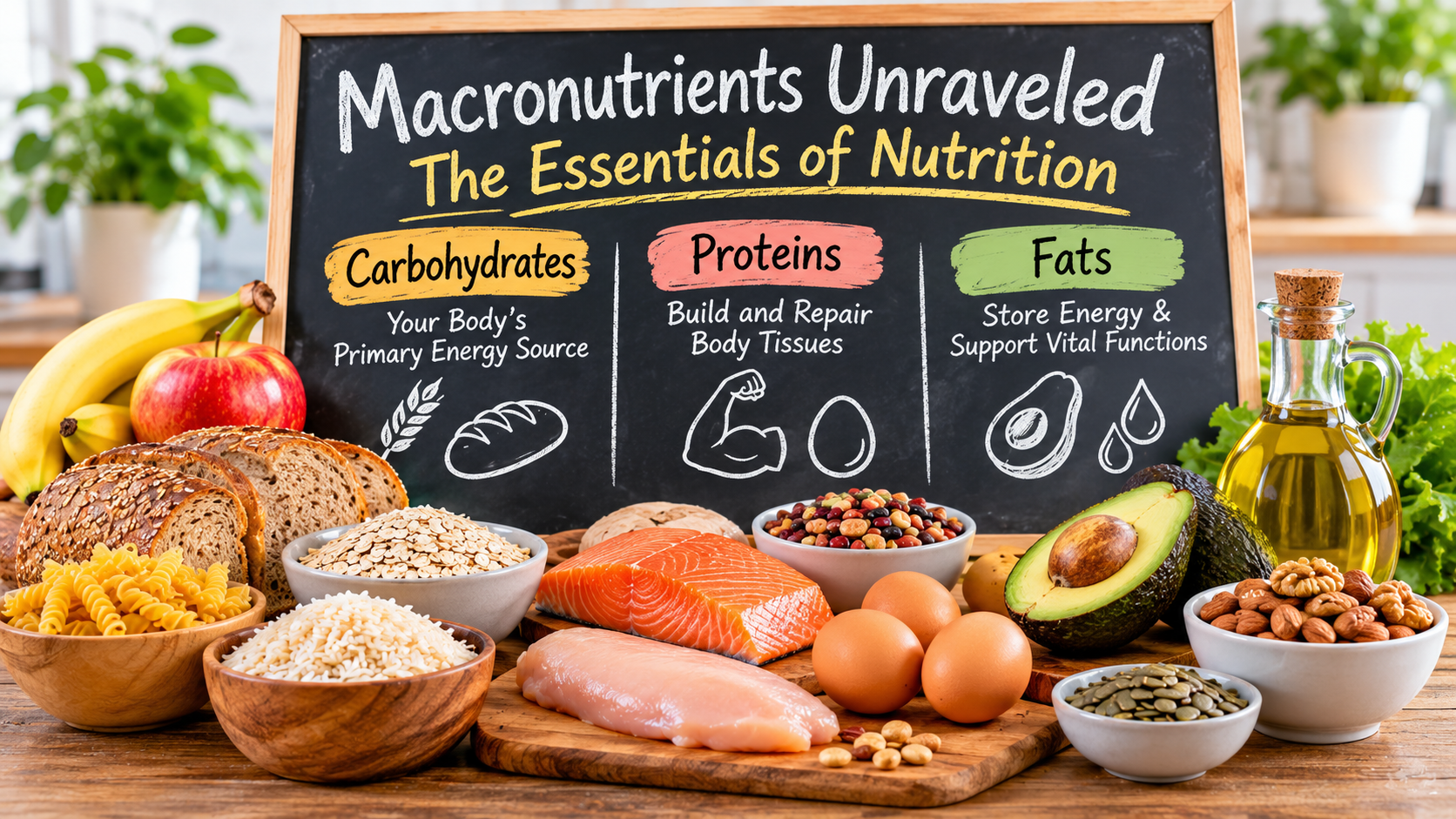
Macronutrients are essential for energy and bodily functions:
- Carbohydrates: Provide energy for daily activities and are the body’s preferred fuel source.
- Proteins: Crucial for building and repairing tissues, and for producing enzymes and hormones.
- Fats: Important for brain health, hormone production, and vitamin absorption.
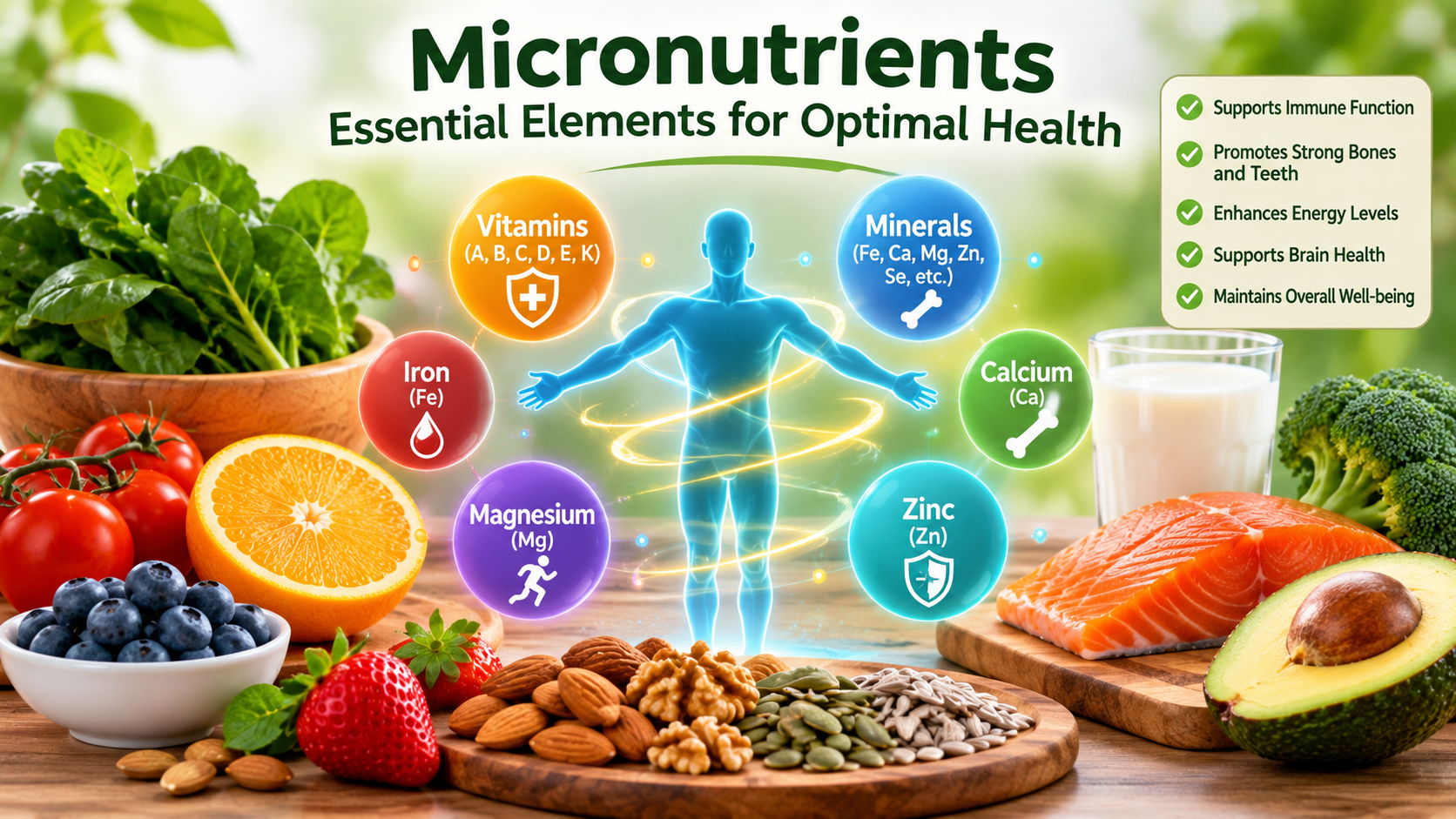
Micronutrients, while needed in smaller amounts, are equally vital:
- Vitamins: Support various bodily functions, including immunity and energy production.
- Minerals: Essential for bone health, fluid balance, and muscle function.
Balanced diets enable individuals to thrive, supporting both physical and mental health. A variety of foods ensures that the body receives a comprehensive range of nutrients, underscoring the importance of dietary diversity for lifelong health and wellness.
The components of a balanced diet include carbohydrates, proteins, fats, vitamins, and minerals.
A balanced diet is essential for maintaining optimal health and well-being. It encompasses a variety of nutrients that work synergistically to support bodily functions, enhance energy levels, and prevent chronic diseases. Understanding the components of a balanced diet can empower individuals to make informed dietary choices that promote holistic health.
The primary components of a balanced diet consist of carbohydrates, proteins, fats, vitamins, and minerals. Each of these plays a unique role in the body’s functioning and contributes to overall health. Below is a detailed examination of each component, its importance, and examples of food sources.
Carbohydrates
Carbohydrates are the body’s main source of energy. They are broken down into glucose, which provides fuel for the brain, muscles, and other organs. A diet rich in carbohydrates helps maintain energy levels throughout the day. It’s important to focus on complex carbohydrates like whole grains, fruits, and vegetables, as they provide dietary fiber, which aids in digestion and prevents chronic diseases.
Examples of food sources include:
– Whole grains (brown rice, quinoa, whole wheat bread)
– Fruits (bananas, apples, berries)
– Vegetables (sweet potatoes, carrots, leafy greens)
The recommended daily intake of carbohydrates for adults is about 45-65% of total daily caloric intake, which translates to approximately 225-325 grams based on a 2,000-calorie diet.
Proteins
Proteins are essential for the growth, repair, and maintenance of body tissues. They are made up of amino acids, some of which are termed essential, meaning they must be obtained from food. Proteins play a critical role in producing enzymes, hormones, and antibodies, thus supporting immune function and overall health.
Examples of food sources include:
– Lean meats (chicken, turkey, beef)
– Fish (salmon, tuna)
– Plant-based sources (beans, lentils, tofu, nuts)
The recommended daily allowance for protein is approximately 46 grams for women and 56 grams for men, equating to 10-35% of total daily calories.
Fats
Fats are an essential part of a balanced diet, providing an energy-dense source of calories and facilitating the absorption of fat-soluble vitamins (A, D, E, K). Healthy fats, such as monounsaturated and polyunsaturated fats, contribute to heart health and reduce inflammation, while trans fats and excessive saturated fats should be limited.
Examples of food sources include:
– Healthy oils (olive oil, avocado oil)
– Nuts and seeds (walnuts, flaxseeds)
– Fatty fish (mackerel, sardines)
The recommended fats intake should make up about 20-35% of total daily calories, focusing on healthier fat sources.
Vitamins
Vitamins are organic compounds that the body requires in small amounts for various biochemical functions. They are crucial for immune function, energy production, and the maintenance of skin, bone, and blood health. Each vitamin has a unique role, making a varied diet essential for adequate intake.
Examples of food sources include:
– Vitamin C (citrus fruits, strawberries)
– Vitamin D (fortified milk, fish)
– B vitamins (whole grains, meats, eggs)
Daily vitamin requirements vary, with water-soluble vitamins (like B and C) needing regular consumption, while fat-soluble vitamins can be stored in the body’s tissues.
Minerals
Minerals are inorganic elements that contribute to various physiological processes, including bone health, hydration, and muscle function. Essential minerals include calcium, potassium, magnesium, and iron, each serving distinct functions vital to maintaining bodily functions.
Examples of food sources include:
– Calcium (dairy products, leafy greens)
– Iron (red meat, lentils)
– Potassium (bananas, potatoes)
The recommended mineral intake varies by type; for example, adults should aim for 1,000 mg of calcium daily and 18 mg of iron for women and 8 mg for men.
| Component | Function | Food Sources | Recommended Amounts |
|---|---|---|---|
| Carbohydrates | Main energy source for the body | Whole grains, fruits, vegetables | 225-325 grams (45-65% of total intake) |
| Proteins | Essential for tissue growth and repair | Lean meats, fish, legumes | 46 grams for women, 56 grams for men (10-35% of total intake) |
| Fats | Energy source; aids in vitamin absorption | Healthy oils, nuts, fatty fish | 20-35% of total calories |
| Vitamins | Support various biochemical functions | Citrus fruits, dairy, whole grains | Varies by vitamin |
| Minerals | Essential for physiological processes | Dairy, meat, leafy greens | Varies by mineral |
Cultural differences play a significant role in what is considered a balanced diet.
Cultural influences significantly shape dietary habits, defining what individuals perceive as a balanced diet. Each culture has its own traditional food practices, reflecting the geography, climate, and history of the region. While the nutritional principles of a balanced diet remain consistent—emphasizing the need for carbohydrates, proteins, fats, vitamins, and minerals—the specific foods chosen can vary widely. Understanding these cultural differences is essential for promoting balanced nutrition that respects and honors diverse dietary practices.
Examples of Balanced Diets from Different Cultures
Exploring various cultures reveals a rich tapestry of traditional diets that are balanced yet unique. Here are examples showcasing how different cultures achieve nutritional balance through their distinctive food choices:
- Mediterranean Diet: Known for its emphasis on whole grains, fruits, vegetables, nuts, and healthy fats, particularly olive oil, the Mediterranean diet is a staple in countries like Greece and Italy. This diet also includes moderate consumption of fish and poultry, with limited red meat and sweets. The combination of these foods not only supports heart health but also enhances overall well-being.
- Japanese Diet: Characterized by a variety of foods including rice, fish, and seasonal vegetables, the Japanese diet is balanced through its focus on portion control and fresh ingredients. Staples like miso soup, pickled vegetables, and green tea are common, offering a rich source of antioxidants and probiotics. The emphasis on seafood provides omega-3 fatty acids, promoting cardiovascular health.
- Indian Diet: The Indian diet varies widely across regions but often includes a mix of grains, lentils, and vegetables. Dishes like dal (lentil soup), roti (whole wheat bread), and a variety of curries emphasize plant-based proteins and are often complemented by yogurt and spices. This diet provides a wealth of nutrients while catering to vegetarian lifestyles, showcasing balance through diverse food groups.
Respecting cultural dietary practices is crucial when discussing balanced nutrition. Each traditional diet has evolved over centuries, often serving not only as sustenance but also as a means of social connection and cultural identity. Promoting a balanced diet should involve understanding and valuing these traditions, rather than imposing a one-size-fits-all approach. By recognizing the nutritional wisdom embedded in cultural practices, we can foster a more inclusive dialogue around health and nutrition that honors diversity.
The impact of processed foods on achieving a balanced diet cannot be overlooked.
Processed foods have become a staple in many diets due to their convenience and prolonged shelf life. However, their prevalence raises significant concerns regarding nutritional balance. These foods often lack essential nutrients and are typically high in sugars, unhealthy fats, and sodium, which can lead to various health issues and disrupt metabolic processes. A balanced diet is crucial for maintaining overall health, and the impact of processed foods can substantially hinder one’s ability to achieve this balance.
The potential negative effects of processed foods on nutritional balance include an increased risk of obesity, heart disease, diabetes, and other chronic conditions. Many processed foods are designed for taste rather than nutrition, leading to overconsumption and poor dietary choices. Moreover, the additives and preservatives used in these products can alter the body’s natural hunger signals, making it easier to consume more calories than necessary.
Strategies to limit processed food intake while maintaining dietary satisfaction
To maintain dietary satisfaction while reducing processed food intake, it is essential to adopt a few strategic approaches. Planning meals ahead of time, incorporating more whole foods, and finding healthy substitutes can significantly enhance your diet. Here are some effective strategies to consider:
- Meal prepping: Prepare meals in advance using whole ingredients to prevent the temptation of fast and processed options.
- Mindful eating: Focus on enjoying and appreciating each bite, which can reduce cravings for additional food.
- Incorporate variety: Experiment with different cooking methods and spices to make healthy meals more enjoyable.
- Snack wisely: Replace processed snacks with fresh fruits, nuts, or yogurt to satisfy cravings without compromising nutrition.
To facilitate healthier eating choices, here’s a list of healthier alternatives to common processed foods:
- Instead of white bread, opt for whole grain or sprouted bread.
- Substitute sugary breakfast cereals with oatmeal or whole grain granola.
- Choose fresh fruits or homemade smoothies instead of sugary snacks or desserts.
- Replace processed cheese with fresh cheeses like mozzarella or feta.
- Use natural, unsweetened nut butters instead of processed spreads.
- Swap out store-bought sauces for homemade versions using fresh ingredients.
Prioritizing whole foods over processed options can greatly enhance your overall health and nutritional balance.
Nutrition education plays a crucial role in promoting awareness of balanced diets.
Nutrition education is essential for fostering an understanding of the importance of balanced diets in maintaining health and preventing various diseases. The foundation of a healthy lifestyle begins with the knowledge of what constitutes a balanced diet, and how individuals can incorporate these principles into their daily lives. By enhancing nutrition awareness, we empower individuals to make informed choices that can lead to long-term health benefits.
Schools and communities can effectively implement nutrition education programs by integrating them into existing curricula and activities. This can be achieved through the following strategies:
Implementation of Nutrition Education Programs
The incorporation of nutrition education into schools and community settings can enhance awareness and understanding of balanced diets. Some effective strategies include:
- Curricular Integration: Schools can integrate nutrition topics into science, health, and physical education classes. Lessons can cover topics such as macronutrients, micronutrients, and the food pyramid, allowing students to learn in a structured environment.
- Hands-On Learning: School gardens and cooking classes promote practical learning. Students can grow their own fruits and vegetables, and learn how to prepare healthy meals, making nutrition tangible and relatable.
- Community Workshops: Local organizations can host workshops that provide nutrition education. These sessions can offer cooking demonstrations, meal planning tips, and discussions about local food resources, making learning accessible to the community.
- Collaboration with Healthcare Professionals: Partnering with nutritionists or dietitians can bring expert knowledge to educational programs. These professionals can provide valuable insights and answer questions, enriching the learning experience.
Accessible resources are vital for individuals to learn about balanced eating habits. Schools and community organizations should focus on creating and distributing a variety of educational materials, such as:
Accessible Resources for Learning About Balanced Eating
Providing resources that are easy to understand and use increases engagement in nutrition education. Here are some ways to ensure accessibility:
- Printable Guides: Creating user-friendly pamphlets and brochures that Artikel balanced diet principles can help individuals understand key concepts quickly.
- Online Platforms: Developing websites or mobile applications can provide interactive resources, including meal planning tools, healthy recipes, and nutritional information.
- Social Media Campaigns: Utilizing social media to share tips, recipes, and success stories can reach a wider audience and encourage community involvement in healthy eating.
- Local Resource Centers: Establishing community centers where individuals can access books, videos, and other materials focused on nutrition promotes self-directed learning.
Encouraging individuals to make informed dietary choices can be achieved through engaging workshops or online courses that cater to diverse learning styles and interests. Effective methods include:
Methods to Encourage Informed Dietary Choices
Workshops and online courses can empower individuals to take charge of their dietary habits. Here are some methods to consider:
- Interactive Workshops: Hosting cooking classes that focus on healthy recipes and meal prep can provide hands-on experience, making healthy eating more accessible and enjoyable.
- Online Courses: Offering structured online courses that cover topics such as nutrition basics, label reading, and meal planning helps individuals learn at their own pace and convenience.
- Community Challenges: Organizing challenges that encourage participants to try new healthy foods or cook healthy meals can motivate individuals and create a sense of community.
- Feedback and Support Groups: Creating forums or groups where participants can share experiences, ask questions, and provide support fosters a sense of belonging and accountability.
Through these approaches, nutrition education can significantly enhance the understanding of balanced diets, equipping individuals with the necessary knowledge and skills to make healthier food choices.
Meal planning is a practical method to ensure adherence to a balanced diet.
Meal planning is a powerful strategy that helps individuals adhere to their dietary goals by organizing meals in advance, ensuring that healthy choices are made consistently. When meals are pre-planned, it removes the uncertainty and spontaneity that often leads to unhealthy decisions, particularly in busy lifestyles. Meal planning enhances nutritional intake, saves time, and reduces food waste, ultimately making it easier to stick to a balanced diet.
A well-structured meal plan can help individuals identify which food groups they need to prioritize, ensuring they incorporate a variety of nutrients in their diet. By planning meals, individuals can monitor portion sizes more effectively and avoid impulse buys at the grocery store. This proactive approach allows for better budgeting of both time and finances, while also providing opportunities for creativity in the kitchen.
Steps to Create a Balanced Meal Plan
Creating a balanced meal plan can be straightforward and rewarding. Here are some practical steps to guide you through the process:
1. Set Your Objectives: Determine your dietary goals, whether it’s weight loss, muscle gain, or simply maintaining a healthy lifestyle. Having clear objectives helps shape your meal choices.
2. Choose Your Meal Frequency: Decide how many meals you want to prepare each day. This could include three main meals and two snacks or any other combination that works for you.
3. Incorporate Food Groups: Aim to include a variety of food groups in each meal, such as proteins, whole grains, fruits, vegetables, and healthy fats. This ensures a balanced intake of essential nutrients.
4. Make a Grocery List: Based on your meal plan, create a list of ingredients needed. Stick to this list to avoid unnecessary purchases.
5. Prepare in Batches: Consider prepping meals in batches to save time during the week. Cook larger quantities of grains, proteins, and vegetables, and portion them out for easy access.
6. Stay Flexible: Be open to adjusting your plan as needed. Life can be unpredictable, and it’s important to adapt rather than feel discouraged.
7. Review and Adjust: At the end of each week, review your meal plan’s effectiveness and make adjustments based on your satisfaction and any challenges faced.
Sample Balanced Meal Plan for One Week
Here’s an example of a balanced meal plan that emphasizes variety while ensuring nutritional adequacy:
| Day | Breakfast | Lunch | Dinner | Snacks |
|---|---|---|---|---|
| Monday | Oatmeal with fruits | Quinoa salad with veggies | Grilled chicken with sweet potatoes | Greek yogurt |
| Tuesday | Smoothie with spinach and banana | Turkey wrap with lettuce | Baked salmon with brown rice | Almonds |
| Wednesday | Eggs with whole grain toast | Lentil soup with bread | Stir-fried tofu with mixed vegetables | Carrot sticks with hummus |
| Thursday | Chia pudding with nuts | Chickpea salad | Beef stir-fry with broccoli | Fruit salad |
| Friday | Avocado toast | Grilled chicken Caesar salad | Vegetable curry with quinoa | Popcorn |
| Saturday | Protein pancakes | Fish tacos with cabbage slaw | Pasta with marinara sauce | Dried fruit |
| Sunday | Cottage cheese with berries | Stuffed peppers with rice | Roasted chicken with Brussels sprouts | Trail mix |
This meal plan provides a well-rounded selection of meals throughout the week, encouraging balance and variety while supporting overall dietary goals.
The relationship between a balanced diet and mental health is increasingly recognized.
The importance of nutrition in our daily lives goes beyond just physical health; it plays a crucial role in our mental well-being as well. With various studies emerging, the connection between diet and mental health is becoming clearer, highlighting how what we eat can significantly influence our mood, cognitive function, and overall mental health.
Recent research has shown that nutrition can impact mental health by affecting neurochemical systems that regulate mood and cognition. Specifically, nutrients such as omega-3 fatty acids, vitamins, and minerals are essential for brain health. For instance, deficiencies in certain vitamins like B12 and folate have been linked to mood disorders. Moreover, diets high in processed foods and sugars can lead to inflammation and oxidative stress, which are known to negatively affect brain function.
Foods that Support Mental Well-Being
Certain foods have been identified as particularly beneficial for mental health, contributing positively to mood regulation and cognitive performance. Incorporating these foods into a balanced diet can help improve mental well-being:
- Fatty Fish: Rich in omega-3 fatty acids, fatty fish such as salmon, mackerel, and sardines are linked to reduced symptoms of depression and anxiety.
- Leafy Greens: Vegetables like spinach and kale are high in essential vitamins and minerals like folate, which is crucial for mental health.
- Whole Grains: Foods like oatmeal and brown rice help stabilize blood sugar levels, which can positively influence mood and energy levels.
- Nuts and Seeds: Almonds, walnuts, and flaxseeds provide healthy fats and are beneficial for brain function and mood stabilization.
- Fermented Foods: Foods such as yogurt, kimchi, and sauerkraut promote gut health, which has a direct connection to mental health through the gut-brain axis.
- Dark Chocolate: Contains antioxidants and has been shown to improve mood and cognitive function when consumed in moderation.
In understanding the significance of these food choices, it becomes clear that a balanced diet rich in these nutrients can foster better mental health outcomes. A diet that is diverse and includes these beneficial foods not only supports cognitive functions but also plays a role in preventing mental health disorders. The combination of these elements emphasizes the vital role that nutrition plays in not just physical but also mental well-being.
Physical activity complements a balanced diet for optimal health outcomes.
Combining regular exercise with a balanced diet is essential for achieving optimal health outcomes. Exercise not only helps maintain a healthy body weight, but also improves overall physical and mental well-being. When paired with proper nutrition, the benefits multiply, leading to enhanced energy levels, better mood, and improved longevity.
Regular physical activity enhances the effectiveness of a balanced diet in several ways. It increases metabolic rate, which can help with weight management and fat loss while allowing the body to utilize nutrients more efficiently. Furthermore, active individuals have heightened nutritional needs compared to those who are sedentary. This distinction is crucial for ensuring that both energy and nutrient requirements are adequately met to support an active lifestyle.
Nutritional needs for physically active individuals
Understanding the dietary requirements of physically active individuals is vital for maintaining their health. Active individuals typically require more calories, proteins, carbohydrates, and certain micronutrients than sedentary individuals. This elevated need arises from the higher energy expenditure associated with regular exercise. Here are key aspects to consider regarding their nutritional needs:
1. Increased Caloric Intake: Active individuals need more calories to support the energy expenditure from exercise. This caloric increase can vary, depending on the intensity and duration of the activity.
2. Higher Protein Requirements: Proteins are vital for muscle repair and growth. Athletes and those who engage in regular strength training may need 1.2 to 2.0 grams of protein per kilogram of body weight.
3. Carbohydrate Needs: Carbohydrates are the primary source of energy for working muscles. Active individuals generally require higher carbohydrate intake to replenish glycogen stores, particularly after intense training sessions.
4. Essential Fats: Healthy fats should not be overlooked as they provide essential fatty acids and help in the absorption of fat-soluble vitamins.
To illustrate the differences in dietary requirements before and after exercise, the following table Artikels the recommended intake for physically active individuals compared to those who are sedentary:
| Category | Sedentary Individuals | Physically Active Individuals |
|---|---|---|
| Calories | 1800-2200 kcal/day | 2200-3000 kcal/day |
| Protein | 0.8 g/kg of body weight | 1.2-2.0 g/kg of body weight |
| Carbohydrates | 45-65% of total calories | 55-70% of total calories |
| Fats | 20-35% of total calories | 20-35% of total calories |
“Combining exercise with a balanced diet maximizes health benefits and enhances overall well-being.”
Ensuring that individuals meet their nutritional needs in line with their activity levels is essential for supporting performance, recovery, and overall health. Proper nutrition fuels not just the body, but also maintains mental clarity and emotional stability, which are integral to a healthy lifestyle.
Summary
In summary, a balanced diet is not just a temporary fix but a lifelong approach to health and wellness. By embracing a variety of foods, learning about their nutritional benefits, and respecting cultural dietary practices, we can all make informed choices that enhance our well-being. As we navigate the complexities of modern eating habits, understanding the importance of balance will empower individuals to lead healthier, happier lives.
Answers to Common Questions
What is a balanced diet?
A balanced diet includes a variety of foods from all food groups in the right proportions to provide essential nutrients for overall health.
How can I start eating a balanced diet?
Begin by incorporating more fruits, vegetables, whole grains, lean proteins, and healthy fats into your meals while reducing processed foods.
Is it necessary to take supplements with a balanced diet?
Most people can meet their nutritional needs through a balanced diet, but some individuals may require supplements based on specific health conditions or dietary restrictions.
How does a balanced diet affect my mood?
A balanced diet can positively influence your mood and energy levels, as certain nutrients support brain function and emotional well-being.
Can I still enjoy treats while maintaining a balanced diet?
Absolutely! Enjoying occasional treats can be part of a balanced diet as long as they are consumed in moderation. Balance is key.