







Intermittent fasting has taken the wellness world by storm, capturing the attention of health enthusiasts and casual dieters alike. This approach to eating isn’t just a passing trend; it’s a return to ancient practices, reimagined for modern living. With various techniques that allow flexibility while promoting health, intermittent fasting opens the door to not only weight loss but also improved metabolic health and mental clarity.
At its core, intermittent fasting involves cycles of eating and fasting, and different methods cater to diverse lifestyles. From the popular 16:8 method to the more rigorous alternate day fasting, there’s a strategy for everyone looking to optimize their health. As we delve deeper into the science behind this practice, the potential benefits become even clearer, making it an appealing choice for those seeking a sustainable path to wellness.
Understanding the Basics of Intermittent Fasting
Intermittent fasting (IF) has gained significant popularity in recent years, becoming a buzzword in health and wellness circles. It refers to an eating pattern that alternates between periods of fasting and eating. This approach to eating is not only about what you eat but when you eat, allowing your body to shift its energy usage and promoting various health benefits. Historically, fasting has been a part of human culture, practiced for centuries for religious, spiritual, and health reasons.
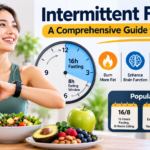
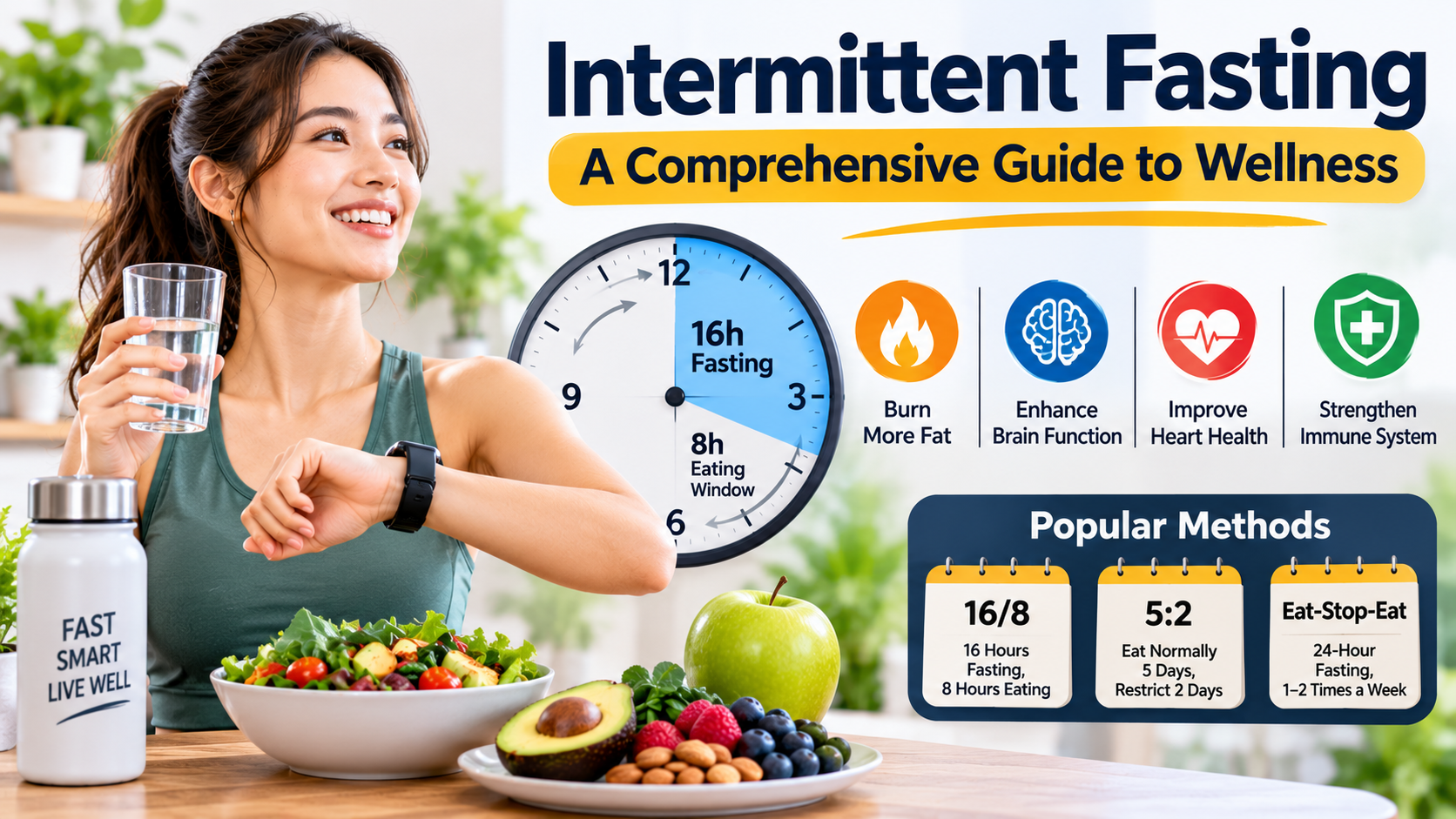
Intermittent fasting involves a variety of methods, each with its unique structure and appeal. Understanding these methods can help individuals choose one that fits their lifestyle and health goals. The three common methods are the 16:8 method, the 5:2 diet, and alternate day fasting.
Types of Intermittent Fasting Methods
The different types of intermittent fasting provide flexibility and cater to various preferences and schedules. Here’s a breakdown of the most popular methods:
- 16:8 Method: This method involves fasting for 16 hours each day and eating during an 8-hour window. For example, one might eat from noon to 8 PM and fast from 8 PM until noon the next day. This method is popular due to its simplicity and ease of integration into daily life.
- 5:2 Diet: In this approach, individuals eat normally for five days of the week while restricting their caloric intake to about 500-600 calories on two non-consecutive days. This method can be appealing for those who prefer not to change their eating patterns daily.
- Alternate Day Fasting: This method alternates between fasting days and eating days. On fasting days, individuals either consume minimal calories or abstain from food altogether. While it can lead to significant weight loss, it may be challenging for some due to the strict fasting conditions.
Intermittent fasting is distinct from traditional dieting, which often focuses on calorie counting and food restrictions. Instead, intermittent fasting emphasizes the timing of food consumption. It allows individuals the freedom to eat what they enjoy during their eating windows, potentially leading to more sustainable lifestyle changes.
“Intermittent fasting shifts the focus from what you eat to when you eat, supporting weight loss through hormonal changes and metabolic shifts.”
Research suggests that intermittent fasting can lead to improved metabolic health, increased fat loss, and greater mental clarity. Unlike traditional diets that may lead to a cycle of weight loss and regain, many people find intermittent fasting to be a more balanced approach that fits into their lives without feelings of deprivation. This method encourages a holistic view of health and wellness, promoting sustainable changes rather than quick fixes.
The Science Behind Intermittent Fasting
Intermittent fasting (IF) is more than just a trendy diet; it represents a profound shift in how our bodies process energy and respond to food consumption. Understanding the science behind intermittent fasting reveals the physiological changes that take place during fasting periods, shedding light on its potential health benefits.
During fasting periods, the body undergoes several significant physiological changes. Initially, glycogen stores in the liver and muscles are depleted, leading to a shift in energy use from glucose to fat stores. This metabolic switch triggers important hormonal changes, primarily involving insulin and glucagon. Insulin levels decrease, facilitating fat breakdown, while glucagon levels increase, promoting the release of stored energy. Additionally, the body experiences increased production of norepinephrine, which aids in fat mobilization for energy.
Physiological Changes During Fasting
The physiological changes during fasting can have profound effects on metabolism and cellular repair mechanisms. Some of the significant changes and their implications include:
- Increased Fat Oxidation: With lower insulin levels and higher glucagon levels, the body becomes more efficient at breaking down fat for energy. This process, known as lipolysis, helps in weight management.
- Hormonal Rebalancing: Fasting leads to an increase in human growth hormone (HGH) levels, which plays a role in muscle growth, fat metabolism, and cellular repair. This hormonal shift enhances the body’s ability to build and maintain muscle while burning fat.
- Cellular Repair Processes: During fasting, cells initiate autophagy, a crucial process where damaged cellular components are removed and recycled. This helps in maintaining cellular health and preventing diseases.
- Improved Insulin Sensitivity: Intermittent fasting has been shown to enhance insulin sensitivity, which is vital for blood sugar control. Improved insulin sensitivity reduces the risk of developing type 2 diabetes.
- Reduction of Inflammation: Fasting can lead to decreased levels of inflammatory markers in the body, contributing to overall health and reducing the risk of chronic diseases.
Research findings highlight numerous health benefits associated with intermittent fasting, particularly concerning weight loss and metabolic health. Studies have indicated that individuals practicing IF can experience significant weight loss due to reduced calorie intake and enhanced fat oxidation. Moreover, intermittent fasting has been linked to better metabolic markers, including improved blood sugar levels and cholesterol profiles.
“Intermittent fasting not only aids in weight management but also provides a pathway to enhanced metabolic health and longevity.”
In conclusion, the science behind intermittent fasting unveils a complex interplay of metabolic changes, hormonal adjustments, and cellular repair processes. As research continues to explore these effects, the potential for intermittent fasting as a holistic approach to health becomes increasingly evident.
Potential Benefits of Intermittent Fasting
Intermittent fasting (IF) has gained immense popularity in recent years, not just for weight management but also for its potential health benefits. This dietary approach involves cycling between periods of eating and fasting, and numerous studies and testimonials highlight its positive impact on both mental and physical health.
One of the key reasons people adopt intermittent fasting is its influence on mental clarity and cognitive function. Research suggests that fasting can enhance brain health by promoting neurogenesis, which is the growth of new neurons. Additionally, during fasting periods, the body enters a state of ketosis, where fat is burned for fuel instead of glucose, potentially leading to improved energy and focus.
Mental and Physical Health Benefits
A variety of mental and physical health benefits are associated with intermittent fasting that contribute to overall well-being. Below are some significant advantages that people have reported:
-
Weight Loss
: IF helps in regulating body weight by reducing calorie intake and increasing metabolic rate.
-
Improved Insulin Sensitivity
: Fasting can lower blood sugar levels and improve insulin sensitivity, which is beneficial for preventing type 2 diabetes.
-
Heart Health
: Intermittent fasting has been linked to improved markers of heart health, including lower blood pressure, cholesterol, and inflammatory markers.
-
Reduced Inflammation
: Studies show that fasting can decrease inflammation levels, contributing to better health and reduced risk of chronic diseases.
-
Enhanced Longevity
: Research on animals suggests that intermittent fasting may increase lifespan, though more studies are needed on humans.
-
Better Brain Function
: Fasting may support brain health by reducing oxidative stress and inflammation, potentially lowering the risk of neurodegenerative diseases.
-
Support for Healthy Aging
: Intermittent fasting can improve metabolic health, which plays a crucial role in aging gracefully and maintaining vitality.
Testimonials and Case Studies
Many individuals have shared their transformative experiences with intermittent fasting, emphasizing specific health improvements. For example, a 45-year-old woman reported significant weight loss and better control of her blood sugar levels within just a few months of practicing IF. Another case involved a 60-year-old man who experienced heightened energy levels and improved cognitive function, allowing him to engage more actively in his hobbies and daily life.
One particularly inspiring story comes from a 32-year-old athlete who adopted intermittent fasting to enhance his training regimen. He noted a remarkable increase in endurance and focus during workouts, leading to improved athletic performance.
Advantages for Different Age Groups and Lifestyles
Intermittent fasting can be tailored to fit various lifestyles and age groups, offering unique benefits that resonate with different individuals. Here’s a detailed look at how IF can support health across various demographics:
-
Young Adults
: Helps in weight management and can improve focus and productivity, making it ideal for students and young professionals.
-
Middle-Aged Individuals
: Supports metabolic health, reduces the risk of chronic diseases, and can aid in maintaining energy levels during demanding work schedules.
-
Seniors
: Can enhance cognitive function and protect against age-related diseases, offering a way to improve quality of life in later years.
-
Busy Professionals
: Fits well into hectic schedules, allowing for flexible meal timing without compromising nutrition.
-
Fitness Enthusiasts
: Supports fat loss while maintaining muscle mass and can enhance workout performance when timed appropriately.
Intermittent fasting is not a one-size-fits-all approach; its flexibility allows individuals from diverse backgrounds and lifestyles to reap its potential health benefits. The focus remains on making informed choices that fit personal goals and health needs.
Challenges and Considerations When Starting Intermittent Fasting
Embarking on an intermittent fasting journey can present various challenges for individuals, especially for those unaccustomed to structured eating patterns. Adjusting to new routines often brings obstacles, from hunger pangs to social situations that revolve around food. Understanding these challenges and how to address them plays a crucial role in the success of intermittent fasting.
Several common obstacles arise when starting intermittent fasting, including physical discomfort, psychological barriers, and social pressures. Many newcomers experience hunger as a significant hurdle, particularly during the initial days of fasting. Additionally, adjusting to a new eating window can disrupt established habits, leading to feelings of deprivation. Incorporating practical strategies can ease this transition and enhance the overall experience.
Common Obstacles and Strategies to Overcome Them
Awareness of the hurdles faced during the initiation of intermittent fasting is essential for successful adaptation. Here are some prevalent challenges along with strategies to navigate through them:
- Hunger and Cravings: Initial hunger pangs are common. To counter this, consume high-fiber and protein-rich foods during eating windows to promote satiety. Staying hydrated with water, herbal teas, or black coffee can also minimize hunger.
- Low Energy Levels: Energy dips may occur, particularly in the early stages. To combat fatigue, ensure adequate nutrient intake during meals. Gradually increase fasting durations rather than jumping into extended fasting periods.
- Social Situations: Dining out or attending gatherings may pose challenges to fasting routines. Communicate openly with friends and family about your fasting plan, and consider choosing restaurants with flexible menu options that fit your eating window.
- Psychological Challenges: Mental barriers can arise, including feelings of missing out on food experiences. Focus on the benefits of fasting, such as improved energy and better digestion, to maintain motivation.
Preparing the body for intermittent fasting involves making thoughtful dietary adjustments. Gradually transitioning to a fasting schedule can ease the shift and minimize discomfort. Individuals are encouraged to gradually shorten their eating window over several days or weeks, allowing their bodies time to adapt.
Dietary Adjustments for Preparation
Adopting specific dietary strategies can pave the way for a smoother intermittent fasting experience. Here are key adjustments to consider:
- Increase Whole Foods: Focus on whole, unprocessed foods such as fruits, vegetables, lean proteins, and whole grains. These foods provide essential nutrients that help maintain energy levels during fasting periods.
- Limit Processed Foods: Reducing the intake of processed and sugary foods can stabilize blood sugar levels, making fasting periods more manageable.
- Hydration is Key: Adequate water intake is crucial. Aim for at least 8-10 glasses of water per day, and consider including electrolyte-rich drinks during longer fasting periods.
- Mindful Eating: Pay attention to portion sizes and eat slowly to fully appreciate meals. Mindful eating helps recognize hunger signals, making it easier to adhere to fasting schedules.
Certain populations should approach intermittent fasting with caution. Understanding contraindications and health considerations is vital for ensuring safety and efficacy.
Contraindications and Health Considerations
Intermittent fasting may not be suitable for everyone, particularly for those in specific health categories. Below are important considerations for individuals who might need to avoid or modify fasting practices:
- Pregnant and Breastfeeding Women: Nutritional needs are heightened during pregnancy and lactation. Fasting can restrict essential nutrients required for fetal development and milk production, thus should be avoided.
- Individuals with Eating Disorders: Those with a history of eating disorders may find that fasting triggers unhealthy behaviors or thoughts surrounding food. It is crucial to consult a healthcare provider before starting fasting protocols.
- Diabetics: Individuals managing diabetes with insulin or medications should exercise caution, as fasting can lead to dangerous fluctuations in blood sugar levels. Close monitoring and professional guidance are essential.
- Chronic Health Conditions: People with certain chronic conditions, such as heart disease or renal insufficiency, should seek medical advice before starting fasting to ensure it aligns with their treatment plan.
Crafting a Meal Plan for Intermittent Fasting
Intermittent fasting (IF) can be an effective strategy for managing weight and improving overall health. A well-structured meal plan not only aids in maintaining energy levels but also ensures nutritional balance during eating windows. This guide will help you create a simple yet effective meal plan for a week, incorporating various food groups to meet your dietary needs while making meal prep manageable.
To achieve nutritional adequacy during intermittent fasting, it’s essential to incorporate a variety of food groups, including fruits, vegetables, lean proteins, whole grains, and healthy fats. A balanced diet ensures your body receives the vitamins and minerals it requires to function optimally, even within a limited eating timeframe. Here’s a sample meal plan for a week of intermittent fasting, assuming a 16:8 fasting method where the eating period is from 12 PM to 8 PM.
Sample Weekly Meal Plan
The following meal plan provides a balanced variety of foods across the week, ensuring that you meet your nutritional requirements while enjoying diverse flavors. Each day includes lunch, a snack, and dinner.
| Day | Lunch | Snack | Dinner |
|---|---|---|---|
| Monday | Grilled chicken salad with mixed greens and vinaigrette | Greek yogurt with honey and walnuts | Quinoa with roasted vegetables and chickpeas |
| Tuesday | Turkey and avocado wrap with whole wheat tortilla | Apple slices with almond butter | Baked salmon, brown rice, and steamed broccoli |
| Wednesday | Lentil soup with a side of whole grain bread | Carrot sticks with hummus | Stir-fried tofu with mixed vegetables and quinoa |
| Thursday | Spinach and feta omelette | Mixed berries | Grilled shrimp tacos with cabbage slaw |
| Friday | Chickpea salad with tomatoes, cucumbers, and feta | Rice cakes with peanut butter | Beef stir-fry with bell peppers and brown rice |
| Saturday | Vegetable and bean chili | Trail mix (nuts and dried fruits) | Stuffed bell peppers with quinoa and ground turkey |
| Sunday | Grilled vegetable and hummus wrap | Cottage cheese with pineapple | Roast chicken with sweet potatoes and green beans |
Incorporating Food Groups
To ensure nutritional adequacy while intermittent fasting, include the following food groups in your meal plan:
- Fruits and Vegetables: Aim for a variety of colors and types to maximize nutrient intake. Leafy greens, berries, and cruciferous vegetables provide essential vitamins and antioxidants.
- Proteins: Include lean meats, fish, legumes, and dairy to support muscle maintenance and overall health.
- Whole Grains: Foods like brown rice, quinoa, and whole grain bread are rich in fiber and help sustain energy levels.
- Healthy Fats: Avocados, nuts, seeds, and olive oil are important for hormone production and nutrient absorption.
Meal Prep and Cooking Strategies
Meal prep can significantly ease the intermittent fasting experience. Here are some tips to streamline the process:
- Batch Cooking: Prepare large portions of staples like grains, proteins, and vegetables at the beginning of the week. Store them in the fridge for easy assembly during your eating windows.
- Use Versatile Ingredients: Choose ingredients that can be used across multiple meals, such as chicken, quinoa, and seasonal vegetables, to minimize waste.
- Plan Ahead: Create a shopping list based on your weekly meal plan to ensure you have all necessary ingredients on hand, minimizing the temptation to stray from your plan.
- Simple Recipes: Focus on quick and uncomplicated recipes that can be made in 30 minutes or less to reduce prep time and stress during busy days.
“Preparation is key to success in intermittent fasting; a well-stocked kitchen and a solid plan can make all the difference.”
Social and Lifestyle Impacts of Intermittent Fasting
Intermittent fasting can significantly influence social interactions and lifestyle choices. As individuals adopt this eating pattern, they may find themselves navigating various social situations that revolve around food, and understanding these impacts is crucial for maintaining a balanced lifestyle. The following sections explore how intermittent fasting affects social experiences and offers strategies for integration into daily life.
Impact on Social Interactions and Dining Out Experiences
Dining out with friends or family often revolves around shared meals, which can sometimes clash with an intermittent fasting schedule. While it’s important to enjoy social gatherings, there are effective ways to maintain your fasting routine without feeling left out.
To better manage these situations, consider the following strategies:
- Choose Your Fasting Window Wisely: Plan your fasting schedule around social events. If you know you’ll be dining out in the evening, adjust your eating window to accommodate it.
- Stay Hydrated: Drink water, herbal teas, or black coffee during your fasting period to help curb hunger and keep you feeling satisfied.
- Opt for Social Activities That Don’t Center on Food: Suggest non-food-related activities such as hiking, going to the movies, or attending a concert to shift the focus away from eating.
- Communicate Your Goals: Let friends and family know about your intermittent fasting practice. Most people will be supportive and understanding of your commitment.
Strategies for Holidays and Special Occasions
Holidays and special occasions can pose unique challenges to maintaining an intermittent fasting schedule. Food is often central to celebrations, making it essential to plan carefully to enjoy these moments while adhering to your fasting routine.
Here are some practical strategies:
- Plan Ahead: If you know you’ll be attending a holiday meal, adjust your fasting schedule in advance to allow flexibility for the festivities.
- Bring a Dish: Prepare and bring a healthy dish that fits within your eating plan. This ensures you have something suitable to enjoy while sharing the meal with others.
- Practice Mindful Eating: If you choose to break your fast during a holiday meal, focus on savoring each bite, which can enhance satisfaction and prevent overeating.
- Participate in Traditions: Engage in holiday activities that involve cooking or preparing food, which allows you to bond with loved ones without the pressure to eat immediately.
Balancing Intermittent Fasting with a Busy Lifestyle
Maintaining intermittent fasting alongside a hectic work schedule can be challenging yet manageable with some strategic planning. Adopting a flexible approach allows for the integration of fasting into your daily routine without compromising productivity.
Consider these insights to balance fasting with work commitments:
- Batch Meal Prep: Prepare meals in advance during your eating window to save time and ensure you have healthy options ready during your busy days.
- Set Reminders: Use apps or alarms to remind you of your fasting and eating windows, helping you stay on track amidst a packed schedule.
- Incorporate Fasting into Your Routine: Experiment with various fasting schedules, such as the 16:8 method, which allows for flexibility within your busy day.
- Listen to Your Body: Adjust your fasting plan as necessary based on your activity level and daily demands, ensuring you maintain energy throughout your workday.
Long-term Sustainability of Intermittent Fasting
Evaluating the long-term feasibility of intermittent fasting as a lifestyle choice requires consideration of individual goals, health conditions, and lifestyle compatibility. Understanding how this dietary approach aligns with personal values and preferences plays a crucial role in its sustained practice.
The long-term sustainability of intermittent fasting can be assessed by analyzing its adaptability to various life stages and changes. Key factors include individual motivation, social influences, and the ability to maintain a balanced diet during non-fasting periods. Keeping track of physical and emotional responses over time also aids in determining whether the approach remains beneficial and practical.
Comparison with Other Dietary Approaches
Intermittent fasting holds unique advantages and challenges compared to other long-term dietary strategies, such as continuous calorie restriction or specific diet plans like ketogenic or paleo diets. The following points highlight critical aspects of sustainability and effectiveness in comparison:
- Flexibility: Intermittent fasting provides a flexible eating pattern, allowing individuals to choose their fasting windows, which can be more adaptable than strict dietary rules.
- Weight Management: Research indicates that intermittent fasting can be effective for weight loss and maintenance, similar to traditional calorie-reduction diets. Studies show that individuals often find it easier to adhere to intermittent fasting due to fewer meal planning restrictions.
- Health Benefits: Intermittent fasting has been associated with various health benefits, including improved insulin sensitivity, enhanced metabolic health, and longevity benefits, comparable to many popular diets.
- Social Integration: While intermittent fasting may present challenges in social settings, it often allows for more straightforward meal incorporation during eating windows compared to rigid dietary plans.
Adapting Intermittent Fasting Practices
As life circumstances evolve, it is crucial to adapt intermittent fasting practices to maintain sustainability. This may involve altering fasting schedules or modifying dietary preferences. The following strategies can help individuals transition their approach effectively:
- Adjusting Fasting Windows: Individuals may find it necessary to shift their fasting schedules based on work commitments, family responsibilities, or social engagements. Experimenting with different time frames can reveal what suits changing lifestyles best.
- Incorporating Dietary Changes: Preferences for certain food groups or dietary trends should be considered. For instance, someone transitioning to a plant-based diet can still practice intermittent fasting by ensuring balanced meals during the eating periods.
- Monitoring Health Metrics: Keeping track of weight, energy levels, and overall well-being can guide adjustments to fasting patterns. If significant changes occur, it’s important to reassess the fasting regimen to ensure it remains beneficial.
Last Recap
In conclusion, intermittent fasting is more than just an eating pattern; it’s a lifestyle choice that can lead to significant health benefits and a deeper understanding of our relationship with food. By exploring its historical roots, scientific backing, and practical applications, individuals can find a method that best fits their lives. Whether you’re looking to lose weight, boost your energy, or simply try something new, intermittent fasting may just hold the key to unlocking your health potential.
FAQ Explained
What is intermittent fasting?
Intermittent fasting is an eating pattern that alternates between periods of eating and fasting, focusing on when you eat rather than what you eat.
Is intermittent fasting safe for everyone?
While generally safe for many, individuals with specific health conditions or pregnant women should consult with a healthcare professional before starting.
Can I drink water during fasting periods?
Yes, water, black coffee, and herbal teas are typically allowed during fasting periods to help stay hydrated.
Will I feel hungry during fasting?
It’s common to feel hunger when starting intermittent fasting, but many people find it becomes easier over time as their bodies adjust.
Can I exercise while fasting?
Yes, many people successfully exercise while fasting, but it’s important to listen to your body and adjust your routine as needed.