








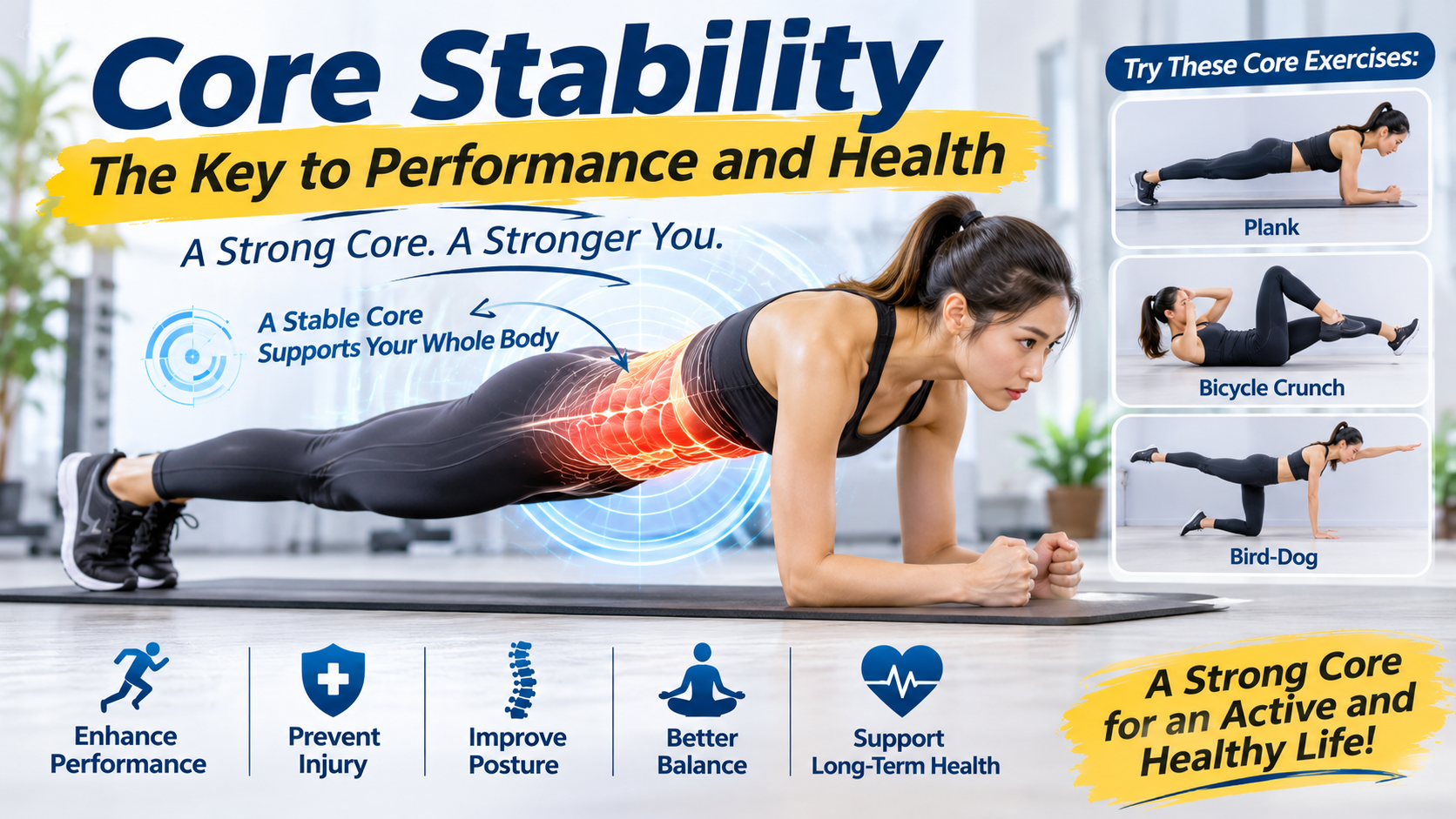
Core stability is often touted as the foundation of physical performance and injury prevention in sports and daily activities. A strong core not only supports better posture and alignment but also enhances overall athletic capabilities. Understanding the anatomy and function of core muscles, along with effective training techniques, is essential for anyone looking to improve their fitness and well-being.
With a focus on targeted exercises, assessments, and proper nutrition, individuals can cultivate a robust core that serves as a protective shield against injury while promoting efficient movement. As we delve into this important topic, you’ll see how core stability interconnects with various aspects of health and performance.
Core stability plays a crucial role in injury prevention and overall physical performance.
Core stability is not just a buzzword in fitness circles; it’s a fundamental aspect of athletic performance and injury prevention. Having a strong core supports your body in various movements, whether you’re sprinting on a track, swinging a tennis racket, or lifting weights at the gym. This stability is essential for maintaining proper alignment and function of the body during any physical activity, directly influencing overall performance.
The importance of core stability extends across a wide variety of sports and physical activities. It acts as the foundation for movement, allowing athletes to transfer power effectively throughout their bodies. Strong core muscles stabilize the spine and pelvis, enabling better control and balance which is crucial in high-impact sports. Additionally, core stability reduces the risk of injuries by supporting joints and minimizing undue stress. When the core is strong, athletes are less likely to experience strains or sprains because their bodies can handle the rigors of their sport more efficiently.
Importance of Core Stability in Sports
A strong core is integral to success in many sports. Here are several ways in which core stability contributes to athletic performance:
- Improved Balance: Athletes with solid core stability exhibit better balance, allowing them to maintain control during dynamic movements.
- Enhanced Power Transfer: Sports like sprinting or football require quick bursts of energy, which are more effective when the core is stable.
- Injury Prevention: A strong core helps in stabilizing the spine, reducing the likelihood of back injuries and other musculoskeletal problems.
- Efficient Movement Patterns: Proper core engagement leads to more coordinated and effective movement patterns, which are essential in sports such as gymnastics or martial arts.
Core stability is also backed by research that highlights its role in enhancing athletic performance. For instance, a study published in the *Journal of Strength and Conditioning Research* indicates that athletes with better core strength demonstrate improved performance in tasks requiring agility and power. This correlation makes it clear that core stability is not just about aesthetics; it’s a critical component of functional fitness and performance.
“A strong core is essential for athletes; it not only enhances performance but also significantly reduces the risk of injury.”
Moreover, athletes in sports such as swimming or cycling benefit from core stability that aids in maintaining streamlined positions, contributing to overall speed and efficiency. In team sports like basketball, a stable core allows players to pivot and change direction swiftly, while in golf, strong core muscles provide a solid base for powerful swings.
The anatomy of the core and its muscles are essential for understanding core stability.
The core is often referred to as the body’s powerhouse, playing a crucial role in movement and stability. Understanding the anatomy of the core and its muscle groups is vital for anyone looking to enhance their physical performance or prevent injury. A well-functioning core not only supports everyday activities but also enhances athletic performance by providing a stable foundation for movement.
The core encompasses a variety of muscle groups that work together to maintain stability and facilitate movement. These muscle groups include the rectus abdominis, obliques, transverse abdominis, erector spinae, diaphragm, and pelvic floor muscles. Each of these muscles plays a unique role in stabilizing the spine and pelvis during various activities.
Key Muscle Groups of the Core
The core is primarily made up of the following muscle groups, each contributing to stability and movement in distinct ways:
- Rectus Abdominis: Commonly known as the “abs,” this muscle runs vertically along the front of the abdomen. It helps flex the spine and is key for movements like crunches and bending forward.
- Obliques: Located on the sides of the abdomen, the internal and external obliques are essential for twisting and lateral movements. They also help stabilize the torso during dynamic activities.
- Transverse Abdominis: This deep abdominal muscle acts like a natural girdle, wrapping around the torso. It plays a critical role in providing stability to the spine and is engaged during activities that require core strength.
- Erector Spinae: This group of muscles runs along the spine and is responsible for extending the back. It counteracts the flexion caused by the abdominal muscles, maintaining an upright posture.
The diaphragm and pelvic floor muscles are also pivotal in maintaining core stability.
Role of the Diaphragm and Pelvic Floor
Understanding the contributions of the diaphragm and pelvic floor to core stability is essential. The diaphragm is a dome-shaped muscle located at the base of the ribcage, crucial for breathing. When you inhale, the diaphragm contracts, creating a negative pressure in the thoracic cavity. This action stabilizes the core by creating tension throughout the abdominal region.
The pelvic floor muscles form the base of the core, supporting the pelvic organs and contributing to intra-abdominal pressure. They engage during activities such as lifting or heavy exertion, working in tandem with the diaphragm to provide stability.
In summary, the core’s anatomy encompasses an intricate network of muscles, each playing a vital role in maintaining balance and supporting movement. A well-conditioned core can enhance performance and reduce the risk of injury in various physical activities.
Different exercises can effectively improve core stability.
Core stability is essential for overall body strength, balance, and injury prevention. Engaging in targeted exercises can significantly enhance core strength, improving posture and functional movements. By focusing on a variety of exercises, individuals can develop a robust core that supports daily activities and athletic performance.
Exercises to Improve Core Stability
A diverse range of exercises can effectively target core stability. Each exercise offers unique benefits and can be tailored to suit different fitness levels. Below are some effective exercises along with instructions for proper execution to ensure maximum effectiveness.
- Plank: This classic exercise engages multiple muscle groups, enhancing endurance and stability.
To perform a plank, lie face down with your elbows directly beneath your shoulders. Lift your body off the ground, keeping a straight line from head to heels. Hold for 30-60 seconds while engaging your core.
- Dead Bug: The dead bug exercise helps improve coordination and stability while engaging the entire core.
Lie on your back with your arms extended toward the ceiling and knees bent at 90 degrees. Slowly extend your right leg and drop your left arm overhead, then return to the starting position. Repeat on the opposite side.
- Bird Dog: This exercise focuses on balance, stability, and strength, targeting the back and abdominal muscles.
Start on your hands and knees. Extend your right arm forward while extending your left leg back, maintaining a stable core. Hold for a moment before returning to the starting position and switching sides.
- Russian Twist: This dynamic exercise enhances rotational strength, which is crucial for activities like sports.
Sit on the ground with your knees bent and lean back slightly. Hold a weight or your hands together and twist your torso to the right, then to the left. Keep your feet off the ground for added intensity.
- Side Plank: A variation of the plank that focuses on the obliques and enhances lateral stability.
Lie on your side with your elbow beneath your shoulder. Lift your hips off the ground, creating a straight line from head to feet. Hold for 30-60 seconds and switch sides.
Sample Core Stability Workout Routine
Incorporating these exercises into a structured routine can maximize benefits and ensure balanced development of core stability. Below is a sample workout that combines various exercises for a comprehensive core stability session.
- Warm-Up (5-10 minutes): Start with light cardio, such as jogging or dynamic stretches to prepare the body.
- Plank: 3 sets of 30-60 seconds.
- Dead Bug: 3 sets of 10-15 repetitions per side.
- Bird Dog: 3 sets of 10 repetitions per side.
- Russian Twist: 3 sets of 15-20 repetitions per side.
- Side Plank: 3 sets of 30-60 seconds per side.
- Cool Down (5-10 minutes): Finish with stretches focusing on the core, back, and hips to promote flexibility and recovery.
Assessing core stability is vital for tailored fitness programs.
Assessing core stability is essential for creating effective and individualized fitness programs. A strong core not only enhances athletic performance but also reduces the risk of injury. Understanding how to evaluate an individual’s core stability allows trainers to design targeted exercises that cater to the specific needs of their clients, ensuring optimal progress and results.
Core stability can be assessed using various methods that provide insights into an individual’s strength and control. These assessments help trainers determine the baseline level of core stability, identify areas that need improvement, and tailor exercise plans accordingly. The results from these assessments guide the selection and progression of exercises, ensuring they are appropriate for the client’s capabilities.
Methods to assess core stability
There are several reliable methods to assess core stability, which can vary in complexity and implementation. A well-rounded assessment typically includes:
- Plank Test: This is a common assessment that measures the endurance of core muscles. The individual holds a plank position for as long as possible while maintaining proper form. A duration of more than 60 seconds is typically considered a sign of good core stability.
- Bridge Test: This assessment evaluates hip and core engagement. The individual lies on their back with knees bent and lifts their hips off the ground. Trainers observe for any excessive arching or dropping of the hips, which can indicate instability.
- Single-Leg Balance Test: This test assesses balance and stability. The individual stands on one leg while maintaining their balance for a specific duration. Difficulty in maintaining balance suggests a need for core strengthening exercises.
- Dynamic Stability Tests: Exercises like the medicine ball throw or stability ball rollout can be used to measure core control during movement. The trainer observes how well the individual maintains core engagement while performing dynamic activities.
Assessment results from these methods help trainers select appropriate exercises for their clients. For instance, if a client shows difficulty maintaining a plank, the trainer may focus on foundational exercises such as bridges or bird-dogs before progressing to more advanced planks. This stepwise approach ensures that exercises are neither too easy nor too challenging, promoting optimal strength development and reducing the risk of injury.
Tips for trainers on conducting core stability assessments
When conducting core stability assessments, trainers should consider several best practices to ensure accurate results and a positive experience for clients.
- Establish a Comfortable Environment: Ensure the assessment setting is free from distractions, allowing clients to focus on the exercises and results.
- Explain the Purpose: Clearly communicate the reason for the assessment and how it contributes to their overall fitness journey. This helps clients feel more engaged and motivated.
- Use Clear Instructions: Provide straightforward guidance on how to perform each assessment. Demonstrate the exercises to ensure clients understand the required form.
- Monitor and Adjust: Observe the client’s performance closely. If they struggle with an assessment, adjust or modify it to prevent frustration and to accurately gauge their stability level.
- Document Results: Keep detailed records of the assessments to track progress over time. This can motivate clients as they see their improvements.
Utilizing these methods and tips can enhance the effectiveness of core stability assessments and lead to more tailored and successful fitness programs for clients.
The connection between core stability and posture is often overlooked.
Core stability is a vital component of physical health that influences various aspects of daily life, particularly posture. While many people prioritize exercises that target visible muscles, the underlying core muscles play an essential role in maintaining a balanced and upright posture. A solid understanding of how core stability affects posture can enhance daily activities and overall well-being.
Core stability significantly impacts how we hold ourselves throughout the day, whether sitting at a desk, standing in line, or engaging in physical activities. The core, consisting of muscles in the abdomen, lower back, hips, and pelvis, acts as a stabilizing force for the spine. When these muscles are strong and functioning well, they support the spine and help maintain an aligned posture. In contrast, weak core muscles can lead to imbalances and an inability to support proper alignment, resulting in slumped shoulders or an overly arched back.
Consequences of poor posture related to core strength
A lack of core strength directly contributes to poor posture, which can have various negative effects on the body. Poor posture not only affects physical appearance but can also lead to discomfort and health issues. The following points illustrate the consequences of inadequate core stability and its impact on posture:
-
Chronic pain:
Weak core muscles can lead to increased strain on the spine and surrounding muscles, resulting in chronic pain, especially in the lower back.
-
Reduced mobility:
Poor posture can restrict movement and flexibility, making it difficult to perform everyday tasks or engage in physical activities.
-
Decreased energy levels:
Maintaining an improper posture requires additional energy, leading to fatigue and reduced productivity throughout the day.
-
Impaired digestion:
Slouched sitting positions may compress the abdominal organs, negatively affecting digestion and overall health.
Strengthening the core is a powerful strategy for improving posture. Here are effective strategies to enhance core stability and, consequently, posture:
Strategies for improving posture through core stability training
Incorporating specific exercises and practices into your routine can promote core strength and better posture. The following strategies are recommended:
-
Engage in core-strengthening exercises:
Activities like planks, bridges, and abdominal crunches target core muscles effectively. Aim to include these exercises in your weekly routine.
-
Practice good ergonomics:
When working at a desk, ensure that your chair supports your lower back, and keep your feet flat on the ground while maintaining a straight back.
-
Incorporate stability training:
Use stability balls or balance boards to engage core muscles while performing various exercises, improving balance and coordination.
-
Focus on posture awareness:
Regularly check in with your body throughout the day. Remind yourself to sit and stand tall, particularly during long periods of inactivity.
-
Engage in activities that promote core awareness:
Practices like yoga or Pilates focus on core strength and emphasize proper alignment, enhancing overall stability and posture.
Rehabilitation programs can benefit from incorporating core stability training.
Core stability training plays a crucial role in rehabilitation programs, especially for individuals recovering from injuries. The focus on strengthening the core muscles not only enhances stability and balance but also supports overall body mechanics, which is vital during the healing process. By integrating core stability exercises into rehabilitation, practitioners can facilitate faster recovery and prevent future injuries.
Integration of Core Stability Exercises in Rehabilitation
Incorporating core stability exercises into rehabilitation requires a systematic approach that aligns with the patient’s specific injury and recovery goals. Core stability can be integrated through tailored exercises that progressively challenge the muscle groups involved in stabilization. Key strategies for integrating these exercises include:
- Assessment of Core Strength: Initial evaluations help identify weaknesses and imbalances, guiding the selection of specific exercises.
- Progressive Loading: Start with basic stability exercises and gradually increase complexity and resistance as the patient gains strength.
- Functional Movements: Incorporate core stability training within functional activities relevant to the patient’s daily life or sport.
- Education: Teach patients about the importance of core stability in their rehabilitation and how it impacts their overall health.
- Monitoring Progress: Regularly assess the effectiveness of the exercises and adjust the program based on the patient’s feedback and recovery rate.
Injuries Addressable Through Core Stability Training
Core stability training can effectively address a variety of injuries, particularly those related to the spine, hips, and knees. Some specific injuries include:
- Lower Back Pain: Strengthening the core can alleviate pressure on the lumbar spine, reducing pain and promoting healing.
- Hip Injuries: Core stability exercises can enhance pelvic stability, aiding recovery from strains or surgeries.
- Knee Injuries: By improving core stability, patients can achieve better alignment and reduce the risk of knee injuries.
- Shoulder Injuries: A strong core helps maintain proper posture and biomechanics, crucial for shoulder rehabilitation.
Success Stories of Core Stability-Focused Rehabilitation
Numerous patients have experienced significant improvements through core stability-focused rehabilitation programs. These success stories highlight the effectiveness of such training:
“After a severe lower back injury, I struggled with daily activities. My rehab program included core stability exercises, which not only alleviated my pain but also made me stronger overall. I can now lift and bend without fear.” – Sarah, 34
Individuals like Mark, a former athlete, incorporated core stability training into his recovery from a knee surgery. He noted that his improved core strength directly contributed to better performance in his sport upon returning to play.
These examples underline the transformative impact of core stability training in rehabilitation, showcasing how targeted exercises can facilitate recovery, enhance strength, and prevent re-injury in patients across various demographics.
Advanced techniques in core stability training can yield significant results.
In the pursuit of enhanced core stability, advanced techniques such as Pilates and yoga have emerged as effective methods that go beyond traditional training approaches. These methods focus not only on strength but also on flexibility, balance, and overall body awareness. By incorporating these advanced practices, individuals can experience significant improvements in core stability, leading to better performance in everyday activities and sports.
Advanced training methods, including Pilates and yoga, incorporate a variety of exercises that challenge the core in multifaceted ways. Pilates emphasizes controlled movements and specific breathing patterns, fostering core activation and endurance while also improving posture. Conversely, yoga offers a holistic approach, combining strength, flexibility, and mindfulness, which enhances the mind-body connection. Both techniques can yield substantial results when compared to traditional strength training alone, as they train the core’s stability, flexibility, and endurance in ways that conventional techniques might not address.
Comparison of traditional and advanced training approaches
When evaluating the effectiveness of traditional versus advanced core stability training methods, it is essential to consider how each approach impacts core strength and functionality. Traditional training often focuses primarily on isolated muscle groups, potentially neglecting the interconnectedness of core stability. Advanced techniques, on the other hand, promote a more integrated approach. Below are some key differences:
- Focus on Stability: Advanced methods emphasize stability control, requiring engagement of multiple muscle groups simultaneously, which enhances functional movement.
- Dynamic Movements: Advanced training often incorporates dynamic and fluid movements, improving overall coordination and balance.
- Mind-Body Connection: Techniques like yoga and Pilates encourage mental focus and mindfulness, which can lead to better performance and reduced injury risk.
- Breath Control: Advanced methods integrate breath with movement, which is often overlooked in traditional training, enhancing overall core engagement.
Progressive training plan for advanced core stability exercises
To effectively enhance core stability through advanced techniques, a progressive training plan should be structured to gradually increase difficulty and complexity. Below is a proposed plan that incorporates various advanced exercises:
- Weeks 1-2: Begin with foundational exercises such as the Pilates Hundred and basic yoga poses like Plank and Boat Pose. Focus on form and core engagement.
- Weeks 3-4: Introduce more complex movements such as the Pilates Roll-Up and dynamic yoga flows that include Warrior III and Crescent Lunge. Emphasize controlled movements.
- Weeks 5-6: Add challenging exercises like the Side Plank with leg lift and Pilates Teaser. Incorporate balance challenges, such as yoga poses on one leg.
- Weeks 7-8: Incorporate advanced variations such as the Pilates Saw and challenging yoga transitions between poses. Aim for fluidity and coordination.
By progressively increasing the difficulty of exercises and incorporating various techniques, individuals can maximize their core stability gains while ensuring proper form and safety.
Nutrition and lifestyle choices can influence core stability.
The connection between nutrition, lifestyle choices, and core stability is significant. A well-rounded diet and healthy habits play a crucial role in enhancing muscle strength and overall stability. Understanding the dietary components that support core strength, the importance of hydration, and how to create a balanced nutrition plan can lead to improved performance and health.
Dietary components that support muscle strength and stability
Certain nutrients are essential for building and maintaining muscle strength, which is vital for core stability. These components contribute to muscle repair, energy production, and overall physical performance. A selection of key dietary elements includes:
- Protein: Essential for muscle repair and growth, sources include lean meats, fish, eggs, dairy, legumes, and nuts.
- Healthy Fats: Omega-3 and omega-6 fatty acids found in fish, flaxseeds, and walnuts help reduce inflammation and support overall muscle function.
- Complex Carbohydrates: Foods such as whole grains, fruits, and vegetables provide energy for workouts and daily activities, aiding in overall stamina.
- Micronutrients: Vitamins and minerals like calcium, magnesium, and vitamin D are important for muscle contraction and bone health, and can be found in dairy products, leafy greens, and fortified foods.
Hydration and overall health affect core stability performance
Hydration is crucial for maintaining core stability. Dehydration can impair muscle function and lead to decreased performance. Proper hydration supports nutrient transport, temperature regulation, and muscle contraction. The importance of staying hydrated can be summarized as follows:
“Even mild dehydration can negatively impact physical performance, particularly in endurance activities.”
To maintain hydration, consider the following:
- Drink water consistently throughout the day, not just during workouts.
- Include hydrating foods such as cucumbers, oranges, and watermelon in your diet.
- Monitor hydration levels by checking the color of your urine; pale yellow indicates adequate hydration.
Balanced nutrition plan that complements core stability training
A balanced nutrition plan tailored to support core stability training should emphasize variety and moderation. The following guidelines can help in formulating such a plan:
- Meal Timing: Consuming a balanced meal or snack rich in protein and carbs about 30 to 60 minutes before training can provide energy and enhance performance.
- Post-Workout Nutrition: Prioritize protein and carbohydrates after workouts to aid recovery; options include a protein shake with a banana or Greek yogurt with berries.
- Consistent Eating Schedule: Regular meals and snacks help maintain energy levels throughout the day, supporting overall training and performance.
- Limiting Processed Foods: Reduce intake of sugar-laden and highly processed foods, which can lead to inflammation and energy crashes.
Ultimate Conclusion
In summary, core stability is a multifaceted concept that plays a crucial role in optimizing physical performance and preventing injuries. By understanding the core’s anatomy and incorporating effective training methods, you can enhance your overall strength and posture. Whether you’re an athlete or simply looking to improve your everyday movements, prioritizing core stability will yield lasting benefits for your body and health.
FAQ Corner
What are the main benefits of core stability training?
Core stability training improves posture, enhances athletic performance, and reduces the risk of injuries.
How often should I train my core?
It is recommended to train your core 2-3 times a week, allowing for adequate recovery between sessions.
Can anyone do core stability exercises?
Yes, core stability exercises can be adapted for all fitness levels, from beginners to advanced athletes.
What are some signs of poor core stability?
Signs include lower back pain, poor posture, and difficulty performing everyday movements efficiently.
Is nutrition important for core stability?
Absolutely, a balanced diet supports muscle strength and recovery, which are essential for effective core stability.