







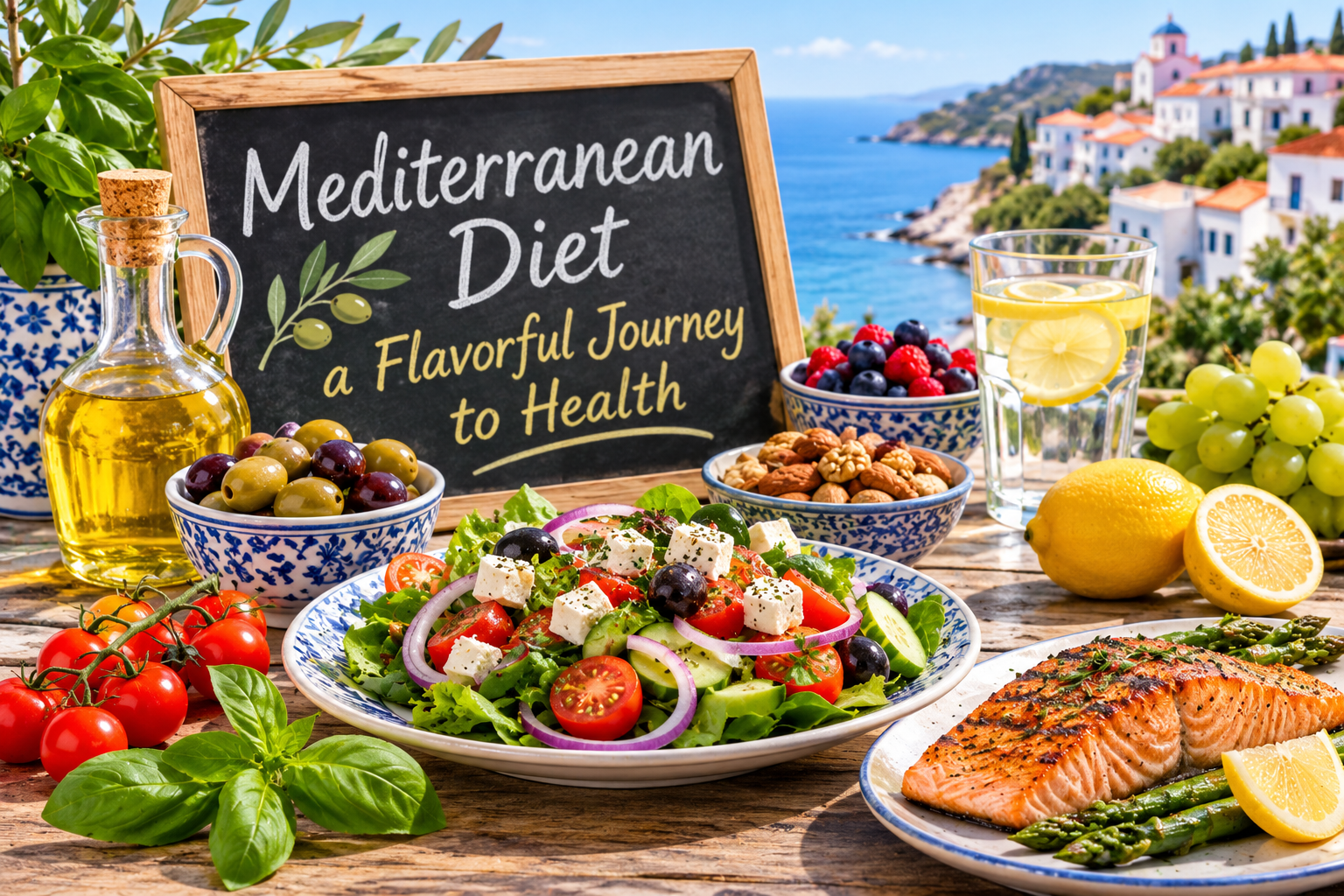
With Mediterranean diet at the forefront, this culinary approach offers more than just delicious meals; it invites you to explore a vibrant culture steeped in history, community, and wellness. Imagine savoring fresh ingredients while basking in the sun-drenched landscapes of the Mediterranean, where every dish tells a story and every meal is an experience to cherish.
The Mediterranean diet, rooted in the traditions of countries bordering the Mediterranean Sea, combines the benefits of healthy fats, whole grains, and a variety of fruits and vegetables. Over time, it has evolved while retaining its essence, making it not only a diet but a lifestyle that promotes longevity and well-being, backed by numerous scientific studies highlighting its effectiveness in enhancing heart health and managing weight.
The historical roots of the Mediterranean diet provide valuable insights into its cultural significance.
The Mediterranean diet is not just a way of eating; it embodies a rich tapestry of history, culture, and tradition that spans thousands of years. Its origins can be traced back to the ancient civilizations that flourished around the Mediterranean Sea, where geographical factors, climate, and cultural exchanges shaped a unique culinary landscape. This dietary pattern reflects the agricultural practices, local resources, and social customs of the Mediterranean peoples, making it a significant cultural heritage.
Historically, the Mediterranean diet evolved through various stages, influenced by the rise and fall of empires, trade routes, and migrations. The ancient Greeks and Romans laid the groundwork for this diet, emphasizing the consumption of olive oil, grains, fish, and wine. As trade flourished, spices and ingredients from around the world began to weave into the culinary fabric of the region, further enriching its diversity. Today, the Mediterranean diet is recognized not only for its health benefits but also for its cultural importance, showcasing a lifestyle that celebrates shared meals and communal eating.
Geographic regions contributing to the Mediterranean diet
The Mediterranean diet draws its unique culinary practices from several iconic regions, each contributing distinctive flavors and traditions. The following regions are pivotal in shaping this dietary approach:
- Southern Europe: Countries like Italy, Greece, and Spain are known for their vibrant culinary traditions, which include dishes like Greek moussaka, Italian risotto, and Spanish paella. These meals often emphasize fresh vegetables, legumes, and whole grains.
- North Africa: The culinary influence of North African countries, such as Morocco and Tunisia, introduces spices like cumin and coriander, as seen in dishes like tagine. These flavors complement the Mediterranean staples, creating a fusion of tastes.
- Middle East: The Middle Eastern countries contribute ingredients such as chickpeas and tahini, leading to popular dishes like falafel and hummus. These foods highlight the region’s agricultural bounty and culinary connections with the Mediterranean diet.
The interplay between these geographical regions showcases a mosaic of ingredients and cooking techniques that have evolved over centuries. Traditional dishes serve as a testament to the region’s agricultural practices and social customs, reinforcing the importance of family meals and communal dining.
“The Mediterranean diet is not just about food; it’s about a way of life that values community, family, and sustainability.”
The historical roots of the Mediterranean diet reveal its cultural significance, showcasing how geography, tradition, and social practices intertwine. Each dish carries the story of its people, encapsulating a lifestyle that has endured through time.
Exploring the health benefits associated with following a Mediterranean diet can motivate individuals to adopt it.
The Mediterranean diet is more than just a culinary tradition; it embodies a lifestyle that emphasizes wholesome ingredients and mindful eating. With its roots in countries bordering the Mediterranean Sea, this dietary pattern has been linked to numerous health benefits, making it an appealing choice for those looking to improve their overall well-being. Understanding the specific advantages associated with the Mediterranean diet can provide the motivation needed for individuals to make this lifestyle change.
Research consistently highlights the positive impacts of the Mediterranean diet, particularly in relation to heart health and weight management. This diet is rich in fruits, vegetables, whole grains, legumes, nuts, and healthy fats, primarily from olive oil, while being low in processed foods and sugars. These components contribute to better cardiovascular health by lowering cholesterol levels, reducing inflammation, and improving blood pressure. Additionally, the Mediterranean diet promotes weight management by encouraging balanced portion sizes and nutrient-dense foods, which help individuals feel full and satisfied.
Health advantages linked to the Mediterranean diet
Numerous studies have demonstrated the effectiveness of the Mediterranean diet in enhancing health. Below are key health benefits substantiated by scientific research:
- Improved heart health: A study published in the New England Journal of Medicine found that individuals following the Mediterranean diet had a 30% lower risk of heart disease compared to those on a low-fat diet.
- Weight management: Research from the American Journal of Clinical Nutrition highlighted that participants who adhered to the Mediterranean diet maintained better weight control over time than those following other diets.
- Reduced incidence of chronic diseases: A systematic review in the Journal of Nutrition concluded that the Mediterranean diet significantly lowers the risk of developing type 2 diabetes and certain cancers.
- Enhanced cognitive function: A study in Alzheimer’s & Dementia reported that older adults following the Mediterranean diet showed a reduced risk of cognitive decline and dementia.
- Better gut health: The rich fiber content and probiotic sources in the Mediterranean diet promote a healthy gut microbiome, as Artikeld in research featured in Nature Reviews Gastroenterology & Hepatology.
Comparison with other popular dietary patterns
When considering dietary options, it is essential to compare the Mediterranean diet with other popular patterns to understand its unique advantages. Below is a comparison highlighting key differences:
| Diet | Main Focus | Key Components | Health Outcomes |
|---|---|---|---|
| Mediterranean Diet | Whole foods and healthy fats | Fruits, vegetables, whole grains, fish, olive oil | Heart health, weight management, reduced chronic disease risk |
| Keto Diet | Low carbohydrates, high fat | Meat, dairy, nuts, low-carb vegetables | Weight loss, possible elevated cholesterol |
| Paleo Diet | Whole foods from ancient diets | Meat, fish, vegetables, fruits, nuts | Weight loss, but potential nutrient deficiencies |
| Vegetarian/Vegan Diet | Plant-based, no animal products | Fruits, vegetables, grains, legumes | Improved heart health, but may require supplementation |
The Mediterranean diet stands out due to its balanced approach, promoting a variety of foods that contribute to long-term health benefits without the restrictive nature found in some other diets. This flexibility makes it easier for individuals to adopt and maintain, leading to healthier choices that are sustainable over a lifetime.
“The Mediterranean diet is not just a diet; it’s a lifestyle that fosters better health and well-being through balanced, nutritious foods.”
Identifying the key components of the Mediterranean diet is essential for understanding its structure and versatility.
The Mediterranean diet is more than just a way of eating; it’s a lifestyle that reflects the culinary traditions of countries bordering the Mediterranean Sea. This diet emphasizes fresh, wholesome ingredients that promote overall health and well-being. To truly embrace this culinary approach, understanding its key components is crucial.
The Mediterranean diet is rich in diverse food groups that contribute to its nutritional balance. Key components include fruits, vegetables, whole grains, legumes, nuts, and healthy fats, particularly olive oil. These foods work synergistically to provide essential nutrients and flavors that make Mediterranean cuisine both versatile and enjoyable. Recommended daily servings typically include a variety of fruits and vegetables, whole grains, and a moderate amount of healthy fats.
Main food groups and their daily servings
Each food group in the Mediterranean diet plays a unique role in promoting health, making it essential to incorporate them in appropriate proportions. Here’s a breakdown of the main food groups along with their suggested daily servings:
- Fruits and Vegetables: Aim for at least 5 servings of fruits and vegetables combined daily. These provide essential vitamins, minerals, and antioxidants.
- Whole Grains: Incorporate 3 to 6 servings of whole grains per day, such as whole grain bread, brown rice, and quinoa, which supply fiber and energy.
- Legumes: Include 2 to 3 servings of legumes weekly, such as lentils and chickpeas, which are rich in protein and fiber.
- Nuts and Seeds: A handful of nuts (about 30 grams) is recommended daily, as they provide healthy fats, protein, and other nutrients.
- Healthy Fats: Prioritize olive oil as your main fat source, aiming for 2 to 4 tablespoons a day; it’s rich in monounsaturated fats and antioxidants.
- Fish and Poultry: Include fish at least twice a week and moderate amounts of poultry; these are good sources of lean protein and omega-3 fatty acids.
- Dairy: Opt for low-fat dairy options like yogurt and cheese in moderation, with a focus on 1 to 2 servings daily.
The Mediterranean diet places significant emphasis on healthy fats, whole grains, and plant-based foods, recognizing their critical role in promoting longevity and reducing the risk of chronic diseases. Healthy fats, primarily from sources like olive oil and nuts, are vital for heart health and can help lower cholesterol levels. Whole grains, characterized by their high fiber content, support digestive health and sustain energy levels throughout the day. Moreover, the diet encourages the consumption of plant-based foods, which are rich in antioxidants, vitamins, and minerals.
To effectively follow a Mediterranean meal plan, the inclusion of essential foods is crucial. Here’s a list of key components to incorporate into your diet:
- Fresh fruits (e.g., oranges, berries, apples)
- Variety of vegetables (e.g., spinach, tomatoes, bell peppers)
- Whole grain products (e.g., whole wheat bread, brown rice, barley)
- Legumes (e.g., lentils, beans, peas)
- Nuts and seeds (e.g., walnuts, almonds, chia seeds)
- Fish (e.g., salmon, sardines, mackerel)
- Lean poultry (e.g., chicken, turkey)
- Olive oil as the primary cooking fat
- Low-fat dairy options (e.g., Greek yogurt, feta cheese)
Incorporating these foods into your daily meals not only enhances flavor but also aligns with the health benefits attributed to the Mediterranean diet. This approach can lead to improved overall health and a more enjoyable eating experience.
Designing a week-long meal plan based on the Mediterranean diet is a practical way to implement its principles.
The Mediterranean diet emphasizes seasonal, fresh ingredients and a variety of flavors that promote health and culinary enjoyment. A well-structured meal plan not only helps you adhere to these principles but also makes grocery shopping and meal preparation more efficient. This can greatly enhance your experience of the Mediterranean diet and help you reap its numerous benefits, such as improved heart health and better weight management.
Creating a balanced weekly meal plan allows you to incorporate the essential elements of the Mediterranean diet, such as fruits, vegetables, whole grains, nuts, seeds, and healthy fats. Below is a sample meal plan that Artikels breakfast, lunch, and dinner options for each day of the week, along with strategies for meal prepping to ensure you stay on track.
Sample Meal Plan
The following table showcases a comprehensive meal plan for a week, detailing daily meals along with the required ingredients.
| Day | Breakfast | Lunch | Dinner |
|---|---|---|---|
| Monday | Greek yogurt with honey and walnuts | Quinoa salad with chickpeas and vegetables | Grilled salmon with asparagus and olive oil |
| Tuesday | Avocado toast on whole grain bread | Hummus and veggie wrap | Lentil soup with a side of whole wheat pita |
| Wednesday | Oatmeal topped with fresh berries | Tabbouleh salad with grilled chicken | Stuffed bell peppers with brown rice and feta |
| Thursday | Smoothie with spinach, banana, and almond milk | Caprese salad with pesto drizzle | Eggplant Parmesan with side salad |
| Friday | Chia seed pudding with mixed nuts | Falafel bowl with tahini sauce | Grilled chicken with roasted vegetables |
| Saturday | Whole grain pancakes with maple syrup | Mediterranean couscous with shrimp | Vegetable stir-fry with tofu |
| Sunday | Fruit salad with mint | Spinach and feta stuffed chicken breast | Whole wheat pasta with tomato sauce and olives |
Meal Prepping Strategies
Efficient meal prepping is essential for maintaining the Mediterranean diet and ensuring you stick to your meal plan. Here are effective strategies to streamline your meal preparation:
-
Plan ahead:
Allocate time each week to plan your meals and make a shopping list based on the ingredients needed for the week.
-
Batch cooking:
Prepare larger quantities of staples like grains, legumes, and roasted vegetables that can be used in multiple dishes throughout the week.
-
Portion control:
Divide meals into appropriate portions in containers to make them easy to grab and go.
-
Utilize freezer space:
Freeze leftovers or extra portions for quick meals in the future, ensuring you always have healthy options available.
-
Keep it simple:
Focus on recipes with fewer ingredients and simple cooking methods to keep meal prep manageable and enjoyable.
Demonstrating how to make traditional Mediterranean recipes can inspire culinary exploration and enjoyment.
The Mediterranean diet is not just a way of eating; it’s a celebration of flavors, colors, and textures that can transform everyday meals into extraordinary experiences. Engaging with traditional Mediterranean recipes invites individuals to explore the rich culinary heritage of the region while nurturing their creativity in the kitchen. By learning to prepare these vibrant dishes, anyone can not only enjoy delicious meals but also foster a greater appreciation for the ingredients and techniques that define Mediterranean cooking.
Preparing popular Mediterranean dishes like tabbouleh and ratatouille is a journey into the heart of this cuisine. These recipes are not only fantastic for their taste but also highlight the significance of using fresh, high-quality ingredients. Fresh herbs, vegetables, and fruits are paramount in creating dishes that burst with flavor and nutritional benefits. The emphasis on seasonal produce ensures that meals are as healthy as they are delightful.
Step-by-Step Preparation of Tabbouleh and Ratatouille
Tabbouleh is a refreshing salad that showcases parsley, bulgur wheat, and plenty of fresh vegetables. To prepare a classic tabbouleh, follow these steps:
1. Ingredients: Gather 1 cup of fine bulgur, 1 ½ cups of boiling water, 2 cups of finely chopped parsley, 1 cup of diced tomatoes, ½ cup of diced cucumber, ¼ cup of chopped mint leaves, juice of 2 lemons, and ¼ cup of olive oil.
2. Soaking the Bulgur: Place the bulgur in a large mixing bowl and pour the boiling water over it. Cover the bowl and let it sit for about 30 minutes until the bulgur absorbs the water and becomes tender.
3. Mixing Ingredients: Once the bulgur is ready, fluff it with a fork. Add in the parsley, tomatoes, cucumber, and mint.
4. Dressing: In a separate bowl, whisk together the lemon juice and olive oil. Pour this dressing over the salad and mix well.
5. Serve: Let the tabbouleh sit for about 15 minutes to allow the flavors to meld together before serving.
Ratatouille is a classic French Provençal dish that embodies the essence of Mediterranean cooking with its rustic vegetables. Here’s how to make it:
1. Ingredients: You’ll need 1 eggplant, 1 zucchini, 1 bell pepper, 1 onion, 2 cloves of garlic, 4 ripe tomatoes, 2 tablespoons of olive oil, fresh basil, salt, and pepper.
2. Chopping Vegetables: Dice the eggplant, zucchini, bell pepper, and onion into uniform pieces. Mince the garlic and chop the tomatoes.
3. Sautéing: Heat the olive oil in a large skillet over medium heat. Start by adding the onion and garlic, cooking until fragrant. Then, add the eggplant, followed by zucchini and bell pepper. Sauté until the vegetables are tender.
4. Cooking the Tomatoes: Add the chopped tomatoes, salt, and pepper. Allow the mixture to simmer for about 20 minutes, stirring occasionally.
5. Finishing Touch: Just before serving, stir in fresh basil for an aromatic finish. Ratatouille can be enjoyed warm or at room temperature.
In both meals, the importance of using fresh ingredients cannot be overstated. Fresh herbs like parsley and basil not only enhance the flavor but also add vibrant color and aroma, making each dish visually appealing and inviting.
“Cooking techniques such as sautéing, simmering, and using fresh herbs are essential to unlocking the full potential of Mediterranean cuisine.”
Understanding these cooking methods will transform the way you approach these recipes, allowing for a deeper connection to the food and its cultural roots. Embracing the Mediterranean approach to cooking encourages experimentation and enjoyment, making every meal an opportunity for culinary exploration.
Exploring the social and cultural aspects of dining in Mediterranean regions highlights the importance of communal eating.
In Mediterranean cultures, dining is so much more than just consuming food; it is a cherished ritual that fosters community and connection. Family meals and social gatherings are integral to the Mediterranean way of life, reflecting a deep-rooted tradition that emphasizes the importance of sharing experiences over a table filled with vibrant, wholesome dishes. This culture of communal eating not only strengthens familial bonds but also enhances social well-being within the community.
The Mediterranean diet serves as a catalyst for both health and happiness. It encourages the gathering of family and friends, often transforming meals into joyful celebrations. The act of sharing food, whether it be a casual lunch or a festive dinner, promotes a sense of belonging and unity. People take time to savor their meals together, facilitating conversations that reinforce relationships and community ties.
Importance of Family Meals and Social Gatherings
Family meals in the Mediterranean are typically a multi-course affair, often beginning with an antipasto spread featuring olives, cheeses, and freshly baked bread. These gatherings serve not only as an opportunity to enjoy delicious food but also as a vital social event where stories are exchanged and laughter fills the air. Here are some key aspects that highlight the significance of these meals:
-
Family meals are viewed as vital for nurturing relationships and fostering communication.
- Social gatherings often revolve around festive occasions, where traditional dishes are prepared, reflecting cultural heritage.
- The ritual of cooking together strengthens family ties, as recipes are passed down through generations.
A typical Mediterranean dining experience is characterized by an inviting atmosphere filled with the aromas of fresh herbs and spices. Picture a sun-drenched terrace adorned with vibrant tablecloths, as friends and family gather around a large, rustic wooden table. A colorful array of dishes is beautifully presented, featuring roasted vegetables, grilled fish, and a variety of colorful salads, each bursting with flavor and texture.
The meal starts with a collective toast, glasses raised high, filled with local wine or refreshing lemonade. As the first dish is served, guests are encouraged to share and serve one another, reinforcing the sense of community. Conversations flow as freely as the wine, with laughter echoing around the table, creating an atmosphere of warmth and joy. The evening unfolds with courses served at a leisurely pace, allowing everyone to savor not only the delicious food but also the cherished company, making each meal a celebration of life itself.
Sharing tips on transitioning to a Mediterranean diet can help individuals make sustainable lifestyle changes.
Transitioning to a Mediterranean diet is a fulfilling journey that not only enhances your health but also introduces you to a vibrant world of flavors and culinary traditions. This dietary pattern, rich in fruits, vegetables, whole grains, healthy fats, and lean proteins, promotes overall well-being while being adaptable to various lifestyles. Embracing this diet can be a gradual process, making it easier to adopt long-term sustainable changes.
Implementing Mediterranean foods into your daily meals can be a rewarding experience, but it requires a thoughtful approach. Gradual incorporation of these foods allows your palate to adjust and helps avoid the potential feeling of overwhelm. Here are actionable steps to ease into this nutritious lifestyle:
Actionable Steps for Incorporation
Start with simple changes that can be easily integrated into your routine. Below are some suggestions to help you ease into the Mediterranean diet:
- Begin by including more fruits and vegetables in your meals. Aim for at least five servings a day.
- Replace refined grains with whole grains, such as brown rice, quinoa, or whole-grain pasta.
- Use olive oil as your primary fat for cooking and dressings instead of butter or margarine.
- Incorporate fish and seafood into your meals at least twice a week.
- Choose legumes, such as chickpeas and lentils, as protein sources in your meals.
- Snack on nuts and seeds instead of processed snacks.
Transitioning to a new diet can present challenges, such as cravings for familiar foods or social situations that involve different eating habits. Here are practical solutions to navigate these hurdles:
Challenges and Practical Solutions
Recognizing the potential challenges can help you prepare and overcome them effectively. Here are common issues and ways to address them:
- Cravings: When cravings for less healthy foods strike, try to satisfy them with healthier alternatives like dark chocolate or homemade hummus with veggies.
- Social Situations: If dining out, check menus in advance for Mediterranean options or suggest restaurants that align with your dietary choices.
- Meal Planning: Time constraints can make it difficult to stick to a new diet. Dedicate time weekly to plan and prep meals to ensure you have healthy options readily available.
In guiding your transition, it’s beneficial to keep a checklist of dos and don’ts to steer your dietary changes effectively:
Checklist of Dos and Don’ts
This checklist serves as a practical reference to ensure successful adaptation to the Mediterranean diet:
- Do: Explore new recipes that highlight Mediterranean ingredients.
- Do: Stay hydrated by drinking plenty of water throughout the day.
- Do: Enhance meals with herbs and spices instead of additional salt.
- Don’t: Rely heavily on processed foods, as they often lack nutritional value.
- Don’t: Be discouraged by setbacks; dietary changes take time and patience.
- Don’t: Skip meals; focus on regular, balanced eating to maintain energy levels.
Transitioning to the Mediterranean diet can be a smooth process that allows for lifelong benefits. By following these steps and being aware of potential challenges, individuals can make sustainable changes that enhance their health and enrich their culinary experiences.
Outcome Summary
In summary, the Mediterranean diet is more than just a set of eating guidelines; it’s a celebration of flavor, health, and community. By embracing its principles, you embark on a journey that nourishes not just your body but also your spirit, fostering connections over shared meals and experiences. So, whether you’re trying a new recipe or enjoying a meal with loved ones, remember that every bite is a step towards a healthier, happier life.
FAQ Guide
What are the main foods in the Mediterranean diet?
The Mediterranean diet emphasizes fruits, vegetables, whole grains, legumes, healthy fats (like olive oil), fish, and poultry, while limiting red meat and sweets.
Is the Mediterranean diet suitable for vegetarians?
Absolutely! The Mediterranean diet is very accommodating for vegetarians, focusing heavily on plant-based foods, whole grains, and healthy fats.
Can the Mediterranean diet help with weight loss?
Yes, many studies show that the Mediterranean diet can be effective for weight loss thanks to its emphasis on whole foods and healthy fats that promote satiety.
How can I start following the Mediterranean diet?
Begin by incorporating more fruits, vegetables, and whole grains into your meals, using olive oil as your primary fat, and trying to include fish and legumes regularly.
Are there any downsides to the Mediterranean diet?
While generally healthy, some may find it challenging to adjust to the emphasis on fresh ingredients and may need to plan meals ahead to avoid processed foods.