





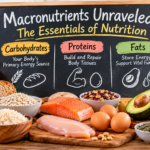




Low-carb meals are becoming increasingly popular among health enthusiasts and those looking to shed extra pounds. This dietary approach focuses on reducing carbohydrate intake while boosting protein and healthy fats, making it an effective strategy for weight management and overall wellness. In this exploration, we will delve into the many benefits of low-carb meals, essential ingredients to include, and simple recipes that fit into a busy lifestyle.
By incorporating low-carb principles into your daily meals, you can not only enjoy delicious dishes but also experience significant health improvements. From stabilizing blood sugar levels to enhancing mental clarity, the power of low-carb eating can transform your diet and lifestyle for the better.
The Benefits of Incorporating Low-Carb Meals into Your Diet
In recent years, low-carb diets have gained immense popularity due to their effectiveness in promoting weight loss and bolstering overall health. Reducing carbohydrate intake can trigger various physiological changes that benefit both your body and mind. This dietary approach isn’t just about counting carbs; it’s about embracing a healthier lifestyle that can lead to sustainable results.
Low-carb meals can effectively aid in weight management by promoting a state of ketosis, where the body burns fat as its primary source of energy instead of carbohydrates. This metabolic shift not only results in fat loss but also helps in regulating blood sugar levels, making it easier to maintain energy throughout the day. People often find themselves feeling more satiated on a low-carb meal plan, leading to reduced cravings and lower caloric intake overall.
Significant Health Benefits of Reducing Carbohydrate Intake
Adopting a low-carb lifestyle presents several significant health benefits worth considering:
- Improved Blood Sugar Control: Lowering carbohydrate intake can be particularly advantageous for individuals with insulin resistance or diabetes. A study published in the “American Journal of Clinical Nutrition” noted that participants who followed a low-carb diet experienced notable decreases in blood glucose levels, reducing the risk of complications associated with diabetes.
- Enhanced Heart Health: Reducing carbohydrates can positively influence heart health by lowering triglyceride levels and increasing HDL (good) cholesterol. A low-carb diet can help improve the lipid profile and reduce the risk of cardiovascular diseases, as supported by research from the “Journal of the American College of Cardiology.”
- Increased Mental Clarity and Focus: Many individuals report enhanced cognitive function and mental clarity on a low-carb diet. This can be attributed to stable blood sugar levels and the presence of ketones, an alternative fuel source for the brain. Anecdotal evidence from followers of the ketogenic diet emphasizes the improved concentration and mental energy they experience.
Personal anecdotes reveal the transformative potential of low-carb meal plans. For instance, a friend of mine successfully lost 30 pounds in six months by incorporating a low-carb lifestyle, which included meals rich in healthy fats, proteins, and plenty of non-starchy vegetables. This shift not only helped him shed weight but also improved his energy levels and overall mood. These success stories underline the relevance of low-carb diets in promoting a holistic approach to health and wellness.
Essential Ingredients for Preparing Low-Carb Dishes
Low-carb meals are not just about cutting out bread and pasta; they’re also about choosing the right ingredients to create delicious and satisfying dishes. Understanding which essentials to stock in your kitchen can make a significant difference in maintaining a low-carb lifestyle while still enjoying flavorful meals. This guide will delve into the fundamental components that embody a low-carb diet, emphasizing fresh produce, proteins, and alternative ingredients.
Staple Ingredients for Low-Carb Cooking
An array of ingredients can easily fit into a low-carb diet, ensuring you have options to create varied and exciting meals. Incorporating the right staples can help keep your carbohydrate intake in check while providing necessary nutrients.
- Non-Starchy Vegetables: Vegetables such as spinach, kale, zucchini, cauliflower, and broccoli are low in carbs and high in fiber, making them perfect for salads, stir-fries, and side dishes.
- Healthy Fats: Avocado, olive oil, coconut oil, and nuts like almonds and walnuts provide healthy fats, which are vital for satiety and energy.
- Proteins: Opt for lean meats, fatty fish, eggs, and poultry. These not only keep your carbohydrate intake low but also provide essential amino acids for overall health.
- Dairy Alternatives: Cheese, Greek yogurt, and heavy cream can add richness and flavor while remaining low in carbohydrates.
- Herbs and Spices: Fresh herbs like cilantro, basil, and spices such as cumin and paprika can enhance the flavor of your dishes without adding carbs.
Choosing Fresh Produce and Proteins
Selecting the right produce and proteins is crucial when adhering to low-carb principles. Freshness is key, as it impacts both flavor and nutritional value.
- Fresh Produce: Always look for vibrant colors and firm textures in vegetables. Seasonal produce tends to be fresher and more flavorful. It’s advisable to choose organic options when possible to minimize pesticide exposure.
- Quality Proteins: When selecting proteins, prioritize grass-fed or pasture-raised options for meat and eggs. These sources are often higher in omega-3 fatty acids and nutrients. For fish, opt for wild-caught varieties whenever possible.
Alternative Ingredients for Traditional Recipes
Replacing high-carb ingredients with low-carb alternatives can transform traditional recipes into low-carb delights without sacrificing taste.
- Cauliflower Rice: A versatile substitute for grain-based rice, cauliflower rice can be used in stir-fries, as a base for bowls, or even in sushi.
- Zoodles: Zucchini noodles, or zoodles, can replace pasta in many recipes, providing a similar texture without the carbs.
- Almond Flour: Used in baking, almond flour serves as a great low-carb alternative to traditional flour, making it perfect for pancakes, bread, and desserts.
- Coconut Flour: Another excellent substitute for baking, coconut flour is high in fiber and absorbs a lot of moisture, so recipes may require adjustments in liquid ratios.
- Shirataki Noodles: Made from konjac yam, these noodles are extremely low in calories and carbs, providing a satisfying alternative to traditional noodles.
Popular Low-Carb Meal Recipes for Busy Individuals
In today’s fast-paced world, finding time to prepare healthy meals can be a challenge, especially for those following a low-carb diet. This segment features quick and easy low-carb meal recipes designed for busy individuals, along with meal prep techniques that simplify the cooking process while maintaining flavor and nutrition.
Quick and Easy Low-Carb Meal Recipes
Preparing low-carb meals doesn’t have to be time-consuming. Here are three popular recipes that can be whipped up in a jiffy:
1. Zucchini Noodles with Pesto and Grilled Chicken
This vibrant dish combines spiralized zucchini, a low-carb pasta alternative, with homemade or store-bought pesto and grilled chicken breast. It’s a delicious and light meal that’s ready in under 20 minutes. Simply sauté the zucchini noodles for a few minutes, toss in the pesto, and top with sliced grilled chicken.
2. Egg Muffins with Spinach and Cheese
Egg muffins are a versatile breakfast option that can be made in advance. Whisk together eggs, add diced spinach, and sprinkle with cheese. Pour the mixture into a greased muffin tin and bake until set. These can be stored in the fridge and reheated quickly, making them perfect for busy mornings.
3. Cauliflower Fried Rice
A fantastic low-carb alternative to traditional fried rice, cauliflower fried rice comes together in just 15 minutes. Grate cauliflower or purchase pre-riced cauliflower, sauté it with diced vegetables, soy sauce, and scrambled eggs. You can also add cooked shrimp or chicken for a protein boost.
Meal Prep Techniques for Low-Carb Options
Meal prepping can significantly reduce cooking time during the week, making it easier to stick to low-carb choices. Here are effective techniques to consider:
– Batch Cooking: Prepare large quantities of low-carb staples such as grilled chicken, roasted vegetables, or cauliflower rice. Store them in individual containers for quick access throughout the week.
– Use of Freezer-Friendly Ingredients: Opt for ingredients that freeze well, like zucchini noodles and cooked meats. Pre-portion them for easy defrosting when needed.
– One-Pan Meals: Create meals that use minimal dishes, such as sheet pan dinners. Combine protein and vegetables on a baking sheet, season, and roast. This saves time on both cooking and cleanup.
Modifying Common Recipes for Low-Carb Success
Transforming usual recipes to fit a low-carb diet can be simple and rewarding. Here’s how to do it without sacrificing flavor:
– Substituting Ingredients: Replace high-carb ingredients with low-carb alternatives. For instance, use almond flour instead of regular flour for baking or Greek yogurt instead of sour cream for dips.
– Enhancing Flavor with Herbs and Spices: Instead of relying on high-carb sauces or dressings, elevate dishes with fresh herbs, spices, and citrus zest. This enhances the taste while keeping carb counts low.
– Creative Use of Vegetables: Incorporate more vegetables into your meals to add volume and nutrients. Instead of pasta, consider using spaghetti squash or zucchini to create satisfying dishes.
“With a little creativity, low-carb meals can be both quick to prepare and bursting with flavor, making healthy eating sustainable even with a busy lifestyle.”
Understanding the Role of Macronutrients in Low-Carb Meals
In the realm of nutrition, macronutrients play a crucial role, especially in low-carb diets. Understanding how to balance proteins, fats, and carbohydrates can significantly impact your health and weight management. Each macronutrient serves a distinct purpose, and finding the right ratio can help you achieve your personal goals, whether that be weight loss, muscle gain, or improved overall health.
Finding the ideal balance between protein, fats, and carbohydrates is essential in any low-carb meal plan. Protein is vital for muscle repair and growth, while fats are essential for hormone regulation and energy. Carbohydrates, although reduced, still play a role in providing energy and supporting brain function. The key is to ensure that while reducing carbs, you’re still meeting your body’s energy needs and nutritional requirements.
Calculating Macronutrient Needs
Understanding your macronutrient needs can be personalized through several calculations based on your lifestyle and goals. Generally, a good starting point is to determine your Total Daily Energy Expenditure (TDEE), which can be calculated using the Harris-Benedict equation based on your age, weight, height, and activity level.
Once you have your TDEE, you can adjust your macronutrient intake according to your goals:
1. For weight loss: Aim for a caloric deficit, typically around 20-25% less than your TDEE.
2. For muscle gain: Focus on a caloric surplus, around 10-15% more than your TDEE.
3. For maintenance: Keep your caloric intake at or near your TDEE.
The general macronutrient distribution for low-carb diets often follows this guideline:
– Protein: 25-30% of total daily calories
– Fat: 65-70% of total daily calories
– Carbohydrates: 5-10% of total daily calories
Calculating your macronutrient percentages can help ensure you’re eating the right foods to fuel your body effectively.
Comparing Low-Carb Diets and Their Macronutrient Compositions
Different low-carb diets vary significantly in their macronutrient compositions, which can influence their effectiveness and suitability for different individuals. Below is a comparison of some popular low-carb diets:
| Diet Type | Carbohydrates (% of daily intake) | Proteins (% of daily intake) | Fats (% of daily intake) |
|---|---|---|---|
| Keto | 5-10% | 20-25% | 70-75% |
| Atkins | 10-20% | 25-30% | 60-65% |
| Paleo | 20-30% | 30-35% | 40-50% |
| Low-Carb High-Fat (LCHF) | 10-20% | 20-30% | 60-70% |
Each diet presents its unique benefits and drawbacks. For instance, the ketogenic diet may lead to rapid fat loss and improved insulin sensitivity but may be challenging to maintain long-term due to its restrictive nature. In contrast, the Paleo diet offers more variety in carbohydrate sources, which may be easier for some individuals to adhere to.
Choosing the right low-carb diet involves understanding your individual needs and how different macronutrient compositions can affect your health and lifestyle.
Overcoming Common Challenges When Transitioning to Low-Carb Meals
Transitioning to a low-carb diet can be a rewarding journey, but it often comes with its set of challenges. Many individuals face hurdles such as cravings, social pressures, and the adjustment of daily habits. Understanding these challenges and having strategies to cope can make the transition smoother and more enjoyable.
When starting a low-carb lifestyle, it’s essential to recognize the common obstacles that may arise. Often, people experience cravings for high-carb foods, which can be particularly strong in the initial stages of the diet. These cravings can stem from emotional attachments to food, habitual eating patterns, or even physiological reactions to reducing carbohydrate intake. Additionally, social situations—like dining out or attending gatherings—can present significant challenges, as many traditional meals are carb-heavy.
Managing Cravings and Social Situations
To successfully navigate cravings and social situations, having a plan in place is crucial. Here are some strategies to help maintain your low-carb commitment:
- Stay Hydrated: Often, feelings of hunger can be mistaken for thirst. Drinking plenty of water throughout the day can help manage cravings.
- Healthy Snack Options: Keep low-carb snacks like nuts, cheese, or veggie sticks on hand to satisfy hunger without derailing your diet.
- Mindful Eating: Practice mindfulness by recognizing triggers for cravings and finding alternative activities to distract yourself.
- Plan Ahead for Social Events: Before attending social gatherings, check menus in advance if possible, and choose restaurants that offer low-carb options.
- Bring Your Own Dish: When heading to potlucks or parties, prepare a low-carb dish to share, ensuring you have something compliant to enjoy.
Community support is a vital component in overcoming the challenges of transitioning to low-carb meals. Engaging with a supportive community can provide motivation, resources, and accountability. There are numerous online forums, social media groups, and local meet-ups dedicated to low-carb lifestyles where individuals can share their experiences, recipes, and tips. These platforms can also be a great source of encouragement and camaraderie, making it easier to stick to your dietary goals.
In addition to community support, there are valuable resources available for those embracing a low-carb way of eating. Cookbooks, websites, and mobile apps designed specifically for low-carb diets can simplify meal planning and introduce new recipes. Utilizing these tools can also help to keep the menu exciting, thus reducing the temptation to revert to carb-heavy foods.
Building a strong support network and utilizing available resources can significantly ease the transition to a low-carb lifestyle.
Ending Remarks
In summary, adopting low-carb meals can lead to a multitude of benefits, from weight loss to improved health markers. With the right ingredients, recipes, and community support, transitioning to a low-carb lifestyle becomes not only feasible but enjoyable. Embrace the journey toward healthier eating habits, and you’ll likely find that low-carb meals are a delightful addition to your culinary repertoire.
Query Resolution
What are the benefits of low-carb meals?
Low-carb meals can aid in weight loss, improve blood sugar levels, and enhance overall health by reducing the risk of chronic diseases.
Can you eat snacks on a low-carb diet?
Yes, you can enjoy low-carb snacks like nuts, cheese, and veggies with dip to satisfy cravings without exceeding carbohydrate limits.
Are low-carb meals suitable for everyone?
While many people benefit from low-carb diets, it’s important to consult with a healthcare professional before making significant dietary changes.
How do I know if I’m in ketosis?
Common signs of ketosis include increased energy levels, reduced hunger, and a fruity smell on your breath, indicating ketosis is occurring.
What are some easy low-carb meal prep ideas?
Easy low-carb meal prep ideas include grilled chicken with vegetables, egg muffins, and salads with protein-rich toppings.