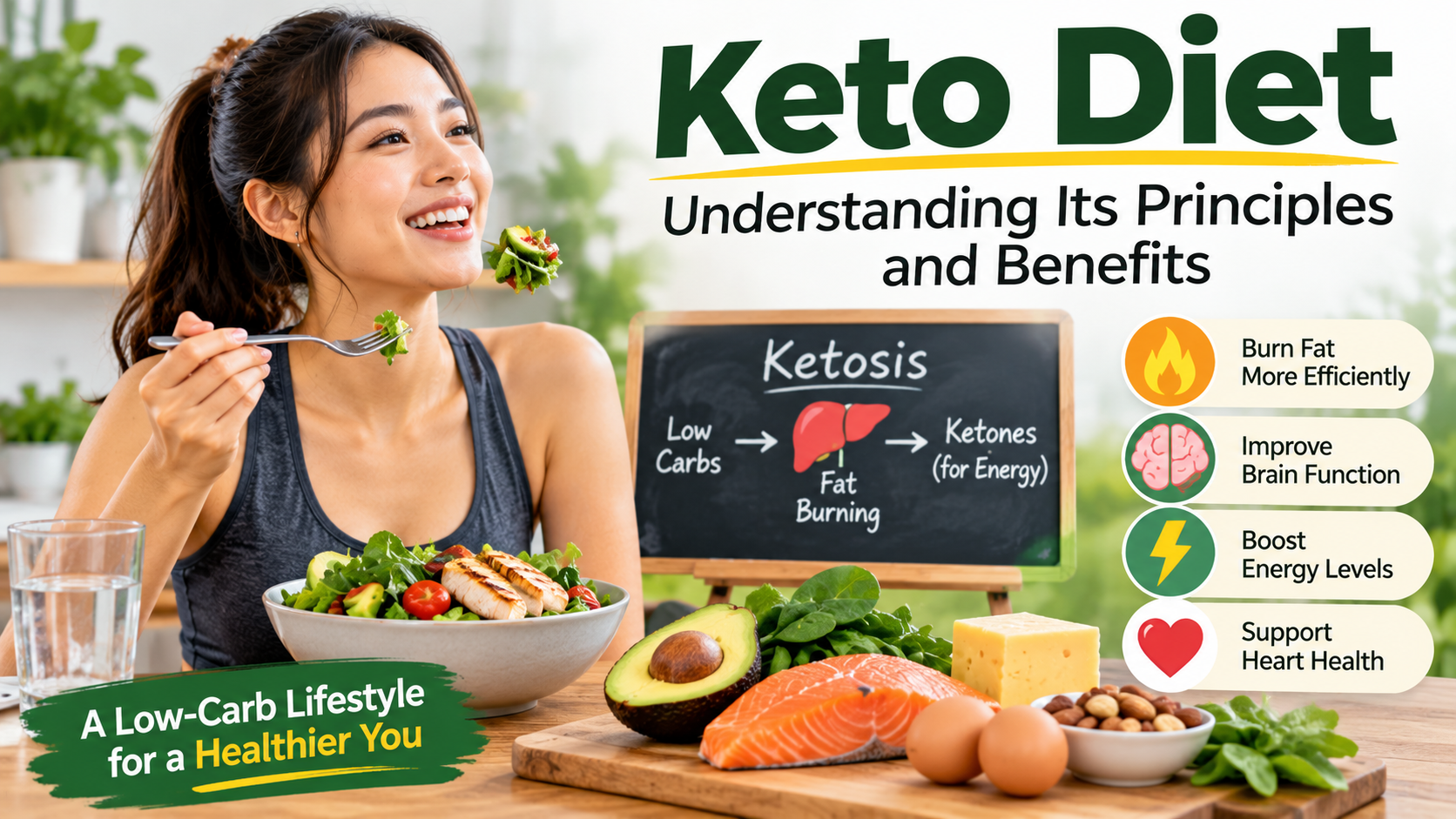










Clean eating is more than just a diet; it’s a lifestyle choice that emphasizes the importance of nourishing our bodies with wholesome, unprocessed foods. In a world filled with convenience and fast food, clean eating encourages us to reconnect with our meals by choosing ingredients that are as close to their natural state as possible. This approach not only improves our physical health but also enhances our mental clarity and emotional well-being. By understanding the core principles of clean eating, we can make informed choices that lead to better health outcomes.
With a focus on whole foods, mindful eating, and proper hydration, clean eating provides a framework for individuals seeking a balanced and nutritious lifestyle. It encourages us to savor each bite and appreciate the flavors of fresh, seasonal produce while being mindful of portion sizes. By adopting these principles, we can enjoy a variety of meals that are both satisfying and beneficial to our health.
{Clean eating principles and guidelines are essential for an effective approach to nutrition.}
Clean eating is not just a trend; it’s a lifestyle choice that emphasizes the consumption of whole, unprocessed foods. By adopting clean eating principles, individuals can enhance their overall health, improve energy levels, and support long-term wellness. These guidelines serve as a foundation for making informed food choices that align with a healthier way of living.
The core principles of clean eating revolve around simplicity and quality. Eating whole foods means prioritizing fruits, vegetables, whole grains, lean proteins, and healthy fats while minimizing processed options. Processed foods often contain additives, preservatives, and unhealthy fats that can detract from nutrition and contribute to health issues. For example, instead of reaching for a packaged snack loaded with sugars and artificial ingredients, a clean eater might opt for fresh fruit or raw nuts. This shift not only provides essential nutrients but also helps avoid the empty calories found in many processed items.
{Importance of portion control and mindful eating}
Portion control and mindful eating are integral components of a clean eating lifestyle. Mindful eating encourages individuals to pay attention to their hunger and fullness cues, fostering a better understanding of their body’s needs. By being present during meals and savoring each bite, one can enjoy food more and reduce the likelihood of overeating.
Implementing portion control is equally important, as it helps prevent excessive calorie intake. This can be achieved through simple strategies such as using smaller plates or measuring servings. For instance, rather than filling a large bowl with pasta, a clean eater might choose a smaller dish and fill it with a balanced portion complemented by a variety of vegetables and a lean protein source. These practices not only support weight management but also contribute to the overall enjoyment of food.
{Role of hydration in clean eating}
Hydration is a cornerstone of a clean eating lifestyle, significantly impacting overall health. Water is essential for numerous bodily functions, including digestion, nutrient absorption, and temperature regulation. Maintaining adequate hydration can enhance energy levels and support cognitive function.
A practical approach to ensure proper hydration is to incorporate water-rich foods into the diet, such as cucumbers, tomatoes, and watermelon. Moreover, setting daily water intake goals can help individuals stay on track. A common recommendation is to aim for at least eight 8-ounce glasses of water daily, but this may vary based on individual needs and activity levels. Proper hydration complements clean eating by optimizing nutrient absorption and promoting overall health.
The benefits associated with clean eating extend beyond physical health.
Clean eating is often praised for its physical health benefits, but the advantages stretch far beyond just the body. By adopting a clean eating diet, individuals may experience improvements in energy levels, mental clarity, and overall wellness. The shift towards whole, unprocessed foods can create a ripple effect, influencing both mental and emotional health, leading to a more vibrant and balanced life.
The positive impacts of clean eating are profound and multifaceted. One of the most notable benefits is a marked increase in energy levels. Whole foods, rich in nutrients and free from additives and preservatives, provide the body with the sustained energy necessary to tackle daily activities. This shift often results in better mental clarity, as consuming nutrient-dense foods supports cognitive functions and reduces symptoms of brain fog.
Long-term weight management and chronic disease prevention
Clean eating fosters long-term weight management and supports overall wellness by encouraging the consumption of nourishing foods that help regulate weight and prevent chronic conditions. Incorporating fresh fruits, vegetables, lean proteins, and whole grains into one’s diet helps maintain a healthy metabolism, which is crucial for weight maintenance. This dietary approach emphasizes the importance of portion control and mindful eating, which can lead to more sustainable habits.
The relationship between clean eating and chronic disease prevention is equally significant. By reducing the intake of processed foods that are often high in sugars, unhealthy fats, and sodium, individuals naturally lower their risk of developing associated health issues. For example, diets rich in antioxidants from fruits and vegetables can combat oxidative stress, thereby decreasing the likelihood of conditions such as:
- Cardiovascular disease: Clean eating aligns with heart health by promoting the consumption of healthy fats found in avocados, nuts, and seeds, which can lower cholesterol levels.
- Type 2 diabetes: A diet high in fiber from whole grains and legumes helps regulate blood sugar levels and improve insulin sensitivity.
- Certain cancers: The consumption of a variety of colorful fruits and vegetables is linked to a reduced risk of specific cancers, as they are loaded with essential vitamins and phytonutrients.
“Let food be thy medicine and medicine be thy food.” – Hippocrates
In summary, the advantages of clean eating encompass more than just physical benefits. Individuals embracing this lifestyle often find themselves with improved energy levels, enhanced mental clarity, and a significant reduction in the risk of chronic diseases, contributing to a more balanced and healthier life overall.
Clean eating food swaps can enhance your diet while keeping it nutritious.
Clean eating is all about making mindful choices that nourish your body while delighting your taste buds. One of the most effective ways to embrace this lifestyle is through food swaps. By replacing common unhealthy foods with their cleaner, healthier versions, you can elevate the nutritional profile of your meals without sacrificing flavor. This not only promotes better health but also encourages a more fulfilling eating experience.
Making simple food swaps can significantly improve your nutritional intake. These alternatives often contain more vitamins, minerals, and fiber, which are essential for overall wellness. Moreover, many clean eating substitutes are just as satisfying and delicious as their traditional counterparts. Below is a list of common unhealthy foods and their clean eating alternatives, along with a comparison table to illustrate the differences.
Common Unhealthy Foods and Their Clean Eating Alternatives
Understanding which foods to swap out for cleaner versions is key to enhancing your diet. Here’s a list of typical unhealthy foods and their nutritious alternatives:
- White Bread → Whole Grain Bread: Whole grains offer more fiber and nutrients, making them a better choice for digestion and sustained energy.
- Regular Pasta → Zucchini Noodles or Whole Wheat Pasta: A great way to reduce carbs and increase vegetable intake while still enjoying a pasta dish.
- Soda → Sparkling Water with Fresh Fruits: This swap cuts added sugars while providing a refreshing drink option without the calories.
- Potato Chips → Air-Popped Popcorn: Air-popped popcorn is a whole grain snack that’s lower in calories and can be seasoned to taste without excessive fat.
- Ice Cream → Greek Yogurt with Fresh Berries: A protein-packed alternative that satisfies the sweet tooth while offering probiotics for gut health.
These substitutions not only help in reducing calorie intake but also provide more nutrients that your body craves. You can enjoy the same flavors and textures by making these simple changes.
| Traditional Food | Clean Eating Alternative | Nutritional Benefits |
|---|---|---|
| White Bread | Whole Grain Bread | Higher in fiber and essential nutrients |
| Regular Pasta | Zucchini Noodles | Lower in carbs, higher in vitamins |
| Soda | Sparkling Water | No added sugars, hydrating |
| Potato Chips | Air-Popped Popcorn | Whole grain, lower in calories |
| Ice Cream | Greek Yogurt with Berries | Higher protein, probiotics for gut health |
Swapping unhealthy foods for clean alternatives helps improve your nutritional intake while keeping meals flavorful and satisfying.
Implementing these food swaps into your daily diet can be a simple yet impactful way to foster healthier eating habits. The key is to find alternatives that you enjoy, ensuring that your transition to clean eating feels like a natural evolution of your culinary preferences.
Meal planning is a crucial component of successfully implementing clean eating.
Effective meal planning serves as the backbone of a successful clean eating lifestyle. It not only streamlines your grocery shopping and cooking process but also ensures that you maintain a balanced diet rich in whole foods. By dedicating some time to plan your meals, you can make healthier choices, reduce food waste, and even save money. This guide will walk you through a step-by-step approach to effective meal planning, provide a sample meal plan, and share grocery shopping tips that align with clean eating principles.
Step-by-step guide for effective meal planning
Planning your meals can initially seem daunting, but breaking it down into manageable steps can simplify the process. Here’s a structured approach:
1. Set Your Goals: Define what you want to achieve with clean eating. Are you looking to lose weight, improve your energy levels, or simply eat healthier? Knowing your goals will guide your meal planning.
2. Assess Your Schedule: Take a look at your week ahead and identify busy days when cooking might be challenging. Mark those days for quick meals or leftovers.
3. Choose Recipes: Look for recipes that align with clean eating principles—those that focus on whole, unprocessed ingredients. Aim for a variety of proteins, vegetables, and whole grains to keep your meals exciting.
4. Create a Shopping List: Based on the recipes you choose, make a shopping list. Include all the ingredients you will need, focusing on fresh produce, lean proteins, healthy fats, and whole grains.
5. Prep Ingredients: If possible, dedicate time to wash, chop, and store veggies or batch-cook grains and proteins. This makes it easier to throw together meals during the week.
6. Schedule Your Cooking: Allocate specific times for cooking during your week. Preparing meals in advance can help ensure you stay on track with your clean eating goals.
7. Review and Adjust: At the end of the week, evaluate what worked and what didn’t. Adjust your meal plan for the following week accordingly.
Sample Weekly Meal Plan
Here’s a sample meal plan that adheres to clean eating principles while showcasing variety:
| Day | Breakfast | Lunch | Dinner | Snack |
|---|---|---|---|---|
| Monday | Oatmeal with berries | Quinoa salad with chickpeas | Grilled chicken with steamed broccoli | Almonds |
| Tuesday | Smoothie with spinach and banana | Turkey wrap with whole grain tortilla | Baked salmon with sweet potatoes | Carrot sticks |
| Wednesday | Greek yogurt with honey and walnuts | Lentil soup with spinach | Stir-fried tofu with mixed vegetables | Apple slices with peanut butter |
| Thursday | Scrambled eggs with tomatoes | Brown rice bowl with black beans | Vegetable curry with quinoa | Hummus with cucumber |
| Friday | Chia seed pudding with coconut milk | Grilled vegetable sandwich | Beef stir-fry with bell peppers | Mixed nuts |
| Saturday | Pancakes made with almond flour | Chicken salad with mixed greens | Spaghetti squash with marinara sauce | Frozen grapes |
| Sunday | Avocado toast with poached egg | Veggie burger with sweet potato fries | Roasted chicken with asparagus | Yogurt with granola |
Grocery shopping tips for clean eating
Shopping for clean eating can be simple with the right approach. Here are some helpful tips:
– Prioritize local and seasonal produce: Seasonal fruits and vegetables are often fresher and more flavorful, and they tend to be more affordable. Visit local farmers’ markets or subscribe to a community-supported agriculture (CSA) program.
– Read labels carefully: When choosing packaged foods, always check the ingredient list. Aim for products with minimal ingredients, avoiding additives and preservatives. If you can’t recognize a component, it’s likely best left on the shelf.
– Stick to the perimeter of the store: Whole foods like fruits, vegetables, lean proteins, and dairy are typically found on the outer edges of grocery stores. This strategy helps you avoid highly processed items that are often located in the aisles.
– Bring your own bags: To reduce plastic use, carry reusable shopping bags to the grocery store. This small step contributes to a cleaner environment in line with the principles of clean eating.
Implementing these meal planning strategies, along with a well-structured grocery shopping approach, will empower you to successfully embrace clean eating in your daily life.
Overcoming challenges in maintaining a clean eating lifestyle is essential for success.
Transitioning to a clean eating lifestyle can be a rewarding yet challenging journey. Many individuals encounter various obstacles that can hinder their progress. Understanding these challenges and developing effective strategies to overcome them is crucial to maintaining a clean eating diet and achieving long-term success.
One common hurdle faced by many is the adjustment period. Shifting away from processed foods to whole, nutrient-rich options can be daunting. Individuals often find themselves craving sugary snacks or high-calorie convenience foods. To combat this, it’s essential to prepare meals ahead of time, keeping healthy snacks on hand like fruits, nuts, or yogurt. Planning and prepping meals in advance can significantly ease the transition, making it easier to resist cravings when hunger strikes.
Social pressures and temptations
Social situations often present significant challenges to sticking with a clean eating lifestyle. From parties with indulgent food spreads to dining out with friends, the temptations can be overwhelming. Many individuals struggle with the pressure to conform to the eating habits of those around them. Coping strategies are vital in these situations, such as communicating dietary preferences to friends or choosing restaurants that offer clean options.
Another effective approach is to bring a dish to share at gatherings, ensuring there’s at least one healthy option available. It’s also helpful to practice mindfulness and remind oneself of personal health goals when faced with pressure.
“Preparation is the key to success.”
Real-life testimonials showcase the triumphs of overcoming these challenges. For instance, Sarah, a busy professional, found herself constantly reaching for unhealthy snacks during her hectic workdays. By dedicating Sundays to meal prep, she created balanced lunches that kept her satisfied and energized throughout the week. Over time, she developed a habit of clean eating that became second nature.
Another inspiring story comes from John, who faced social pressures at gatherings. Initially, he felt awkward declining unhealthy foods but soon learned to communicate his clean eating goals with friends. To his surprise, many supported his journey, and he even inspired others to try healthier options.
These experiences highlight that while challenges exist, they can be navigated with preparation, communication, and the support of those around you. Embracing clean eating is a personal journey that can thrive amidst obstacles with the right mindset and strategies.
Clean eating recipes can make the journey enjoyable and satisfying.
Clean eating is all about nourishing your body with whole, unprocessed foods that fuel your health and vitality. One of the most enjoyable aspects of this lifestyle is discovering new recipes that not only taste great but also provide essential nutrients. With a focus on fresh ingredients, clean eating recipes can transform daily meals into delightful experiences that satisfy both your taste buds and your well-being. Here, we present a collection of easy and delicious clean eating recipes for breakfast, lunch, dinner, and snacks that align with clean eating principles.
Easy Clean Eating Recipes
Exploring clean eating through creative and tasty recipes makes the journey more enjoyable. Here are some delicious and nutritious options for every meal of the day:
-
Breakfast: Avocado Toast with Poached Egg
This simple yet satisfying recipe uses whole grain bread topped with ripe avocado and a perfectly poached egg. Rich in healthy fats and protein, this dish provides sustained energy throughout the morning.
Avocados are packed with potassium and fiber, supporting heart health and digestion.
-
Lunch: Quinoa Salad with Chickpeas and Spinach
A vibrant salad made with cooked quinoa, chickpeas, fresh spinach, cherry tomatoes, and a drizzle of lemon vinaigrette. This dish is rich in plant-based protein and essential vitamins, offering a filling and refreshing meal.
Chickpeas and quinoa provide a complete amino acid profile, making it an excellent source of protein for vegetarians.
-
Dinner: Grilled Salmon with Asparagus
This dish features a fillet of salmon grilled to perfection, served alongside lightly roasted asparagus. Salmon is rich in omega-3 fatty acids, while asparagus is loaded with antioxidants and vitamins.
Omega-3 fatty acids are known for their anti-inflammatory properties, supporting overall heart health.
-
Snacks: Apple Slices with Almond Butter
Satisfy your cravings with crunchy apple slices paired with creamy almond butter. This snack is rich in fiber, healthy fats, and protein, ensuring you stay satisfied until your next meal.
Almond butter enhances the nutrient intake with its vitamin E and magnesium content, promoting skin health and muscle function.
The nutritional benefits of these recipes reflect the clean eating philosophy by emphasizing whole foods and minimizing processed ingredients. The use of fresh vegetables, fruits, lean proteins, and whole grains aligns with the core principles of clean eating, making these meals not only wholesome but also enjoyable.
Presenting clean meals attractively will enhance your eating experience. Brightly colored vegetables, artfully arranged on the plate, can make a dish visually appealing. Don’t hesitate to play with textures and colors; for instance, combine leafy greens with vibrant peppers and grilled proteins. A well-presented meal not only increases appetite but also enhances satisfaction, making the journey of clean eating a delightful adventure.
The psychological aspects of clean eating deserve attention for a holistic approach.
Clean eating transcends mere dietary choices; it significantly influences mental health and emotional well-being. The relationship between what we consume and how we feel is a crucial aspect that warrants deeper exploration. By embracing clean eating, individuals often find a pathway to improved mood, enhanced mental clarity, and a more positive relationship with food.
The impact of diet on mood is backed by numerous scientific studies. Research indicates that the foods we eat can influence the production of neurotransmitters, such as serotonin and dopamine, which play key roles in regulating mood and emotional states. A study published in the journal *Nutritional Neuroscience* found that individuals consuming a diet high in fruits, vegetables, whole grains, and omega-3 fatty acids reported lower levels of anxiety and depression. This aligns with the concept of clean eating, which emphasizes whole, unprocessed foods rich in nutrients that contribute to both physical and mental health.
The connection between diet, mood, and mental clarity
Understanding the connection between diet and mental clarity is vital for those looking to enhance their cognitive functions through nutrition. A focus on clean eating provides the brain with essential nutrients that support optimal function. For instance, antioxidants found in fruits and vegetables help reduce oxidative stress, which can impair cognitive performance. Additionally, omega-3 fatty acids, commonly found in fish and flaxseeds, promote neurogenesis—the formation of new neurons—thus supporting memory and learning.
Several studies have pointed to the correlation between dietary patterns and cognitive health. One significant study concluded that a Mediterranean diet, rich in plant-based foods and healthy fats, was associated with a lower risk of developing dementia and cognitive decline in older adults. This reinforces the principles of clean eating, as it encourages the consumption of wholesome, nutrient-dense options.
Cultivating a positive mindset around food choices is crucial for sustaining clean eating habits. Many individuals struggle with guilt surrounding their eating behaviors, often stemming from societal pressures or unrealistic standards. To overcome these feelings, it is helpful to adopt a more compassionate approach towards oneself. Acknowledge that food is not merely fuel; it can also bring joy and comfort.
To foster this positive mindset, consider the following methods:
- Practice mindful eating: Engage fully with your meals by savoring each bite, which enhances appreciation for food and reduces mindless snacking.
- Shift the focus from restriction to nourishment: Instead of fixating on what you can’t eat, celebrate the variety of nutritious foods you can enjoy.
- Set realistic goals: Avoid drastic changes; instead, gradually incorporate more clean foods into your diet.
- Join a supportive community: Surround yourself with individuals who share similar clean eating goals, as social support can motivate and reduce feelings of isolation.
By implementing these strategies, individuals can create a healthier relationship with food, diminishing guilt and fostering a sense of empowerment and satisfaction with their dietary choices. This balance between clean eating and psychological well-being highlights the importance of addressing not just what we eat, but how we feel about our choices.
The psychological aspects of clean eating deserve attention for a holistic approach.
Clean eating extends beyond the physical benefits often highlighted in diets and nutrition discussions; it plays a crucial role in influencing mental health and emotional well-being. The interconnectedness of what we consume and how we feel is increasingly recognized in psychological research. A clean diet, rich in whole foods and devoid of processed ingredients, not only nourishes the body but also influences mood, cognitive functions, and overall mental clarity.
Studies have shown a significant correlation between diet quality and mental health outcomes. For instance, research published in the American Journal of Psychiatry indicates that nutrient-rich diets—high in fruits, vegetables, whole grains, and lean proteins—are linked to lower rates of depression and anxiety. This connection can be explained by the way nutrients affect brain chemistry. Omega-3 fatty acids found in fish, for example, are known to play a role in regulating mood and reducing the risk of depression. Similarly, antioxidants from fruits and vegetables help combat oxidative stress that can adversely affect cognitive function.
Relationship between diet, mood, and mental clarity
The influence of diet on mood and mental clarity is profound and multifaceted. Foods rich in vitamins and minerals contribute to the production of neurotransmitters, the brain’s signaling molecules. A balanced intake of B vitamins, for example, is essential for energy production and cognitive function. On the other hand, processed foods high in sugars and unhealthy fats can lead to energy crashes and mood swings, undermining mental clarity and emotional stability.
To better understand this relationship, it is essential to recognize how specific nutrients impact mental health:
- Complex Carbohydrates: Foods like whole grains release glucose slowly into the bloodstream, providing a steady energy source that helps maintain mood stability.
- Proteins: Amino acids from proteins are the building blocks of neurotransmitters. For instance, tryptophan, found in turkey and nuts, is essential for serotonin production, known for promoting feelings of well-being.
- Healthy Fats: Omega-3 fatty acids, prevalent in fatty fish, walnuts, and flaxseeds, support brain health and have been shown to reduce symptoms of depression.
Cultivating a positive mindset around food choices and overcoming feelings of guilt associated with eating is crucial for reaping the benefits of clean eating. Many individuals struggle with food guilt, which can lead to a negative cycle of emotional eating. To combat this, it is important to foster a healthy relationship with food, focusing on nourishment rather than restriction.
Practices such as mindful eating encourage individuals to pay attention to their food choices and the sensations associated with eating. This approach promotes gratitude for the food consumed and can significantly reduce guilt. Additionally, keeping a food journal can help track not only what is eaten but also how certain foods affect mood and energy levels, aiding in informed choices that align with personal well-being goals.
“Food should not just be a source of sustenance; it should also serve as a means to foster emotional health and mental clarity.”
Through a holistic approach to clean eating, individuals can experience greater emotional resilience and improved mental clarity, contributing to a more balanced and fulfilling life.
Closure
In conclusion, clean eating is a transformative approach that not only beautifies our plates but also enriches our lives. By making thoughtful food choices and overcoming challenges, we can embrace a lifestyle that promotes vitality and longevity. As we explore delicious recipes and practical meal planning strategies, clean eating becomes a joyful journey rather than a restrictive regimen. So let’s take the leap and transform our relationship with food, one clean meal at a time.
FAQs
What are the main principles of clean eating?
The main principles of clean eating include focusing on whole, minimally processed foods, practicing portion control, and staying hydrated, while also being mindful of how and when we eat.
Can clean eating help with weight loss?
Yes, clean eating can aid in weight loss by encouraging healthier food choices and portion control, promoting a balanced diet that helps manage calorie intake.
Are there any specific foods to avoid in clean eating?
In clean eating, it is best to avoid highly processed foods, added sugars, and unhealthy fats, focusing instead on fresh fruits, vegetables, whole grains, and lean proteins.
How can I start a clean eating diet?
To start a clean eating diet, begin by gradually incorporating more whole foods into your meals, planning your meals ahead of time, and making conscious choices about what you consume.
Is clean eating expensive?
Clean eating can be cost-effective when focusing on seasonal produce, bulk buying, and planning meals, but it may require some adjustments in budgeting and shopping habits.