








Mineral deficiency is a significant health concern that often goes unnoticed until it manifests in various ways. Essential minerals play crucial roles in bodily functions, and their absence can lead to serious health implications. From age to dietary habits, several factors can contribute to a deficiency, making awareness and understanding vital for maintaining overall wellness.
As we delve deeper, we will explore the various types of minerals your body needs, the symptoms that signal a deficiency, and effective methods for prevention and diagnosis. With a focus on nutritional sources and the impact of public health initiatives, this discussion will shed light on how to combat mineral deficiencies effectively.
Understanding the Basics of Mineral Deficiency
Mineral deficiency occurs when the body does not receive enough essential minerals required for proper physiological function. This can lead to a range of health issues, including weakened bones, fatigue, and impaired immune response. Identifying and addressing mineral deficiencies is crucial for maintaining overall health and well-being.
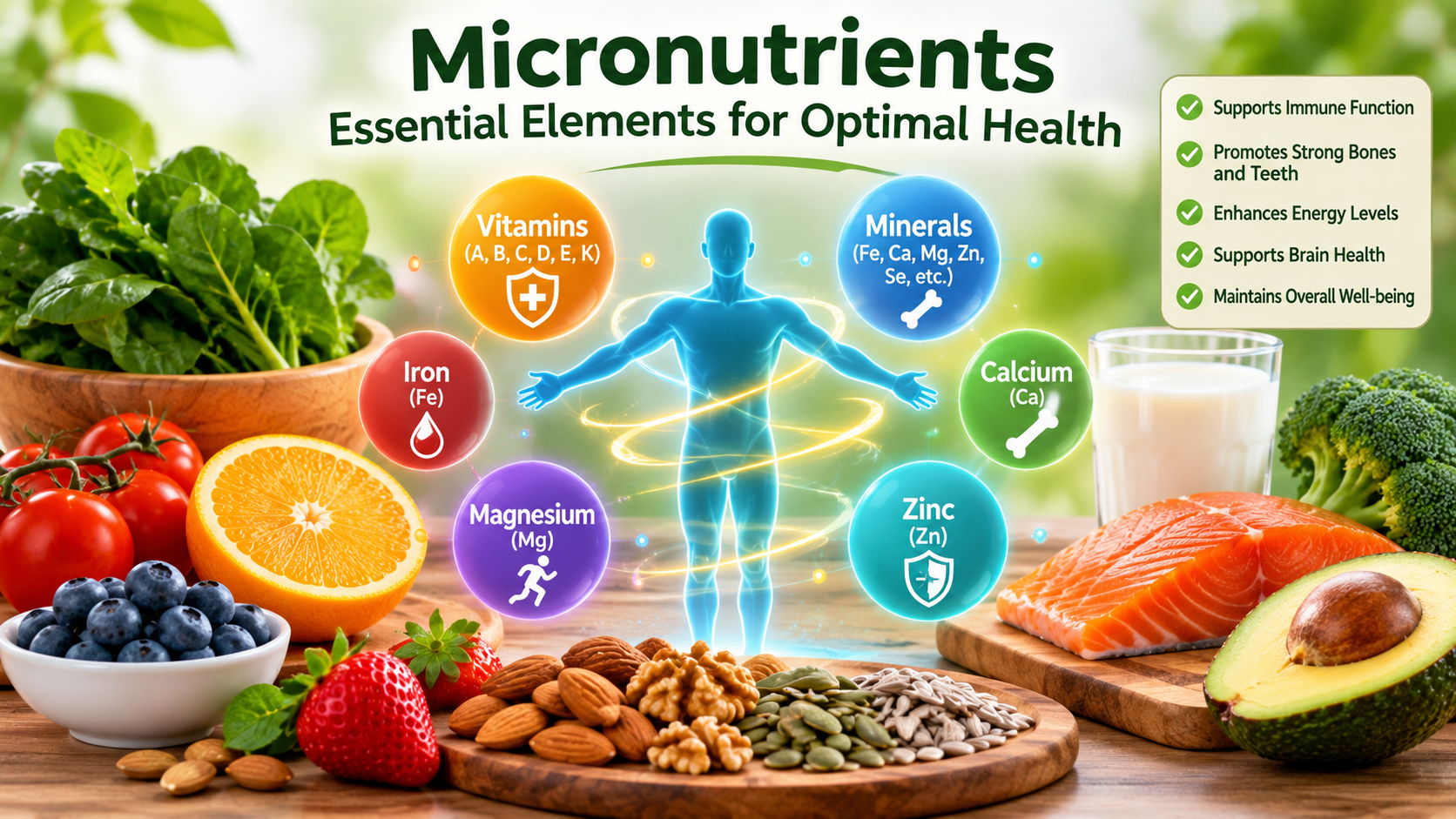
The human body requires various minerals that are categorized into two main groups: macrominerals and trace minerals. Macrominerals include calcium, potassium, magnesium, sodium, chloride, and phosphorus, which are needed in larger amounts. Trace minerals, such as iron, zinc, copper, selenium, and iodine, are required in smaller quantities but are equally important for bodily functions like oxygen transport, enzyme activity, and hormone regulation.
Causes of Mineral Deficiency
Understanding the causes of mineral deficiency is vital for prevention and treatment. Several factors contribute to the inadequate intake of essential minerals, including dietary habits and specific health conditions.
Unbalanced diets that lack variety often lead to mineral deficiencies. For instance, a diet high in processed foods and low in fruits, vegetables, whole grains, and lean proteins can significantly diminish the intake of vital nutrients.
In addition to dietary issues, certain health conditions can hinder mineral absorption or increase the body’s requirements. For example:
- Gastrointestinal disorders: Conditions like celiac disease or Crohn’s disease can impair nutrient absorption, leading to deficiencies.
- Chronic diseases: Illnesses such as diabetes or kidney disease can alter the body’s mineral balance and increase nutritional needs.
- Age-related factors: Older adults may have decreased absorption of minerals due to changes in digestive efficiency and dietary intake.
Moreover, lifestyle choices and restrictions, such as veganism or raw food diets, can also lead to specific mineral deficiencies if not carefully managed. For instance, iron and calcium can be particularly challenging to obtain from plant-based sources alone without proper dietary planning.
Addressing mineral deficiencies involves a combination of dietary adjustments and, in some cases, supplementation to restore optimal health.
Identifying Symptoms of Mineral Deficiency
Mineral deficiencies can significantly impact overall health, leading to a range of symptoms that can vary in severity. Recognizing these symptoms early is crucial for effective intervention and management. The human body requires various minerals to function optimally, and a lack of these essential nutrients can lead to noticeable health issues.
Understanding the symptoms associated with specific mineral deficiencies helps in identifying deficiencies and addressing them promptly. Symptoms can range from mild and manageable to severe, requiring immediate medical attention. Below is a detailed overview of the symptoms linked with major minerals such as iron, calcium, and magnesium.
Symptoms of Iron Deficiency
Iron deficiency is one of the most common mineral deficiencies worldwide. It can lead to conditions such as anemia, which is characterized by a lack of healthy red blood cells.
Common symptoms include:
- Fatigue and weakness
- Pale skin and paleness of the inner eyelids
- Shortness of breath during physical activity
- Dizziness or lightheadedness
- Cold hands and feet
Severe symptoms can escalate into chest pain, rapid heartbeat, and cognitive problems.
Symptoms of Calcium Deficiency
Calcium is vital for maintaining healthy bones and teeth, as well as proper muscle and nerve function. Insufficient calcium levels can lead to various complications.
Mild symptoms of calcium deficiency include:
- Numbness and tingling in the fingers
- Muscle cramps
- Weak and brittle nails
In more severe cases, symptoms can manifest as severe muscle spasms, convulsions, or even osteoporosis, where bones become fragile and prone to fractures.
Symptoms of Magnesium Deficiency
Magnesium plays a critical role in over 300 biochemical reactions in the body, including muscle function and energy production. A deficiency can lead to a range of symptoms.
Indicators of magnesium deficiency consist of:
- Muscle twitches and cramps
- Mental disorders, such as anxiety or depression
- Fatigue and muscle weakness
If left unchecked, severe magnesium deficiency can lead to irregular heart rhythms, elevated blood pressure, and an increased risk of heart disease.
“Recognizing the signs and symptoms of mineral deficiencies early can significantly improve health outcomes and quality of life.”
Populations at Risk for Mineral Deficiency
Mineral deficiencies can affect various demographics, leading to significant health concerns. Understanding which populations are more susceptible to these deficiencies is essential for effective prevention and intervention strategies. Factors such as age, gender, lifestyle, and dietary patterns play crucial roles in determining an individual’s risk level for mineral deficiencies.
At-Risk Demographics
Certain groups of people are at a heightened risk of experiencing mineral deficiencies due to their unique physiological and lifestyle factors. Understanding these groups can help in tailoring nutritional advice and supplementation when necessary.
- Pregnant Women: Increased mineral requirements during pregnancy, especially for iron and calcium, can put expectant mothers at risk if their dietary intake does not meet these heightened needs. Iron is vital for fetal development and preventing anemia in mothers.
- The Elderly: Age-related changes in metabolism and often diminished dietary intake make older adults particularly vulnerable to deficiencies in minerals such as calcium, magnesium, and zinc. These minerals are crucial for bone health and immune function.
- Vegetarians and Vegans: Individuals following plant-based diets may lack sources of essential minerals like iron, zinc, and iodine, which are primarily found in animal products. This group should be particularly mindful of their mineral intake.
- Individuals with Digestive Disorders: Conditions such as celiac disease or Crohn’s disease can impair nutrient absorption, leading to mineral deficiencies. These individuals often require tailored diets to ensure adequate mineral intake.
- Children and Adolescents: Growing children and teenagers have increased nutritional needs for minerals such as calcium and iron to support their growth and development. Poor dietary habits or food insecurity can lead to deficiencies in these crucial minerals.
“Identifying at-risk populations is vital to prevent mineral deficiencies and promote overall health.”
Methods for Diagnosing Mineral Deficiency
Diagnosing mineral deficiencies requires a multifaceted approach, as various factors can influence an individual’s mineral levels. Healthcare professionals employ several methods to accurately assess mineral status and identify potential deficiencies that may affect overall health and well-being.
Blood tests, dietary assessments, and symptom evaluations are key methods used in the diagnostic process. Blood tests measure specific mineral levels in the bloodstream, providing direct evidence of deficiencies. Dietary assessments involve analyzing a patient’s food intake to determine whether their diet meets the recommended daily allowances for essential minerals. Symptom evaluations focus on observable signs that may indicate a deficiency, helping healthcare providers connect clinical manifestations with potential mineral shortages.
Common Diagnostic Tests for Minerals
Understanding the specific tests used to diagnose mineral deficiencies can help individuals recognize how healthcare providers approach this issue. Below is a table outlining common diagnostic tests for various minerals and their significance.
| Mineral | Common Diagnostic Test | Significance |
|---|---|---|
| Iron | Ferritin and Serum Iron Tests | Measures iron stores and levels in the blood, indicating iron deficiency anemia if low. |
| Calcium | Serum Calcium Test | Evaluates calcium levels in the blood; low levels may suggest dietary deficiency or bone disorders. |
| Magnesium | Serum Magnesium Test | Assesses magnesium levels; low levels can lead to muscle cramps, fatigue, and other health issues. |
| Zinc | Plasma Zinc Test | Determines zinc status; levels below normal may lead to immune dysfunction and growth issues. |
| Potassium | Serum Potassium Test | Monitors potassium levels; abnormal levels can affect heart function and overall health. |
| Phosphorus | Serum Phosphate Test | Checks phosphorus levels; low levels can indicate malnutrition or certain endocrine disorders. |
In summary, these diagnostic methods enable healthcare professionals to identify mineral deficiencies effectively, guiding treatment and nutritional recommendations tailored to individual needs.
Nutritional Sources of Essential Minerals
Minerals play a crucial role in maintaining our overall health, and obtaining them through food sources is essential. A balanced diet rich in essential minerals supports various bodily functions, including bone health, nerve function, and muscle contraction. In this section, we will explore foods that are high in essential minerals, their health benefits, and suggested meal plans to help you integrate these nutrients into your diet.
Foods Rich in Essential Minerals and Their Health Benefits
A variety of foods can provide the essential minerals that our bodies need. Below are some key sources and their associated health benefits:
- Spinach: High in magnesium, iron, and calcium, spinach supports bone health and can help prevent anemia.
- Almonds: Rich in magnesium and vitamin E, almonds promote heart health and aid in reducing inflammation.
- Salmon: This fish is a great source of selenium and omega-3 fatty acids, contributing to brain and heart health.
- Quinoa: A complete protein containing magnesium and iron, quinoa is excellent for muscle repair and energy production.
- Beans: Packed with potassium, magnesium, and iron, beans support cardiovascular health and promote digestive health.
Common Minerals and Recommended Dietary Allowances
Understanding the recommended dietary allowances (RDAs) for essential minerals can help you plan your meals effectively. Below is a table summarizing common minerals along with their RDAs:
| Mineral | RDA for Adults (mg/day) |
|---|---|
| Calcium | 1000 |
| Iron | 18 (women), 8 (men) |
| Magnesium | 320 (women), 420 (men) |
| Potassium | 3400 (men), 2600 (women) |
| Selenium | 55 |
Recipes and Meal Plans Incorporating Nutrient-Dense Foods
Incorporating mineral-rich foods into your daily meals is both delicious and nutritious. Here are some sample meal ideas:
- Breakfast: A smoothie made with spinach, banana, almond milk, and a tablespoon of almond butter for an energizing start to the day.
- Lunch: A quinoa salad with black beans, diced bell peppers, and a lemon-tahini dressing for a rich source of protein and minerals.
- Dinner: Grilled salmon served with steamed broccoli and roasted sweet potatoes, offering a balanced meal rich in omega-3 fatty acids and potassium.
- Snack: A handful of almonds or a yogurt topped with seeds provides a quick boost of essential minerals.
“Nutrient density is key; choosing foods that are high in essential minerals ensures your body functions optimally.”
Impact of Mineral Deficiency on Physical and Mental Health
Mineral deficiencies can have far-reaching consequences, affecting not just individual well-being but also overall societal health. Essential minerals such as magnesium, iron, calcium, and zinc play critical roles in bodily functions, and their absence can lead to a myriad of health issues. Understanding these impacts is crucial for recognizing the importance of maintaining adequate mineral levels for both physical and mental health.
Mineral deficiencies can significantly impair physical performance and general health. Minerals are pivotal for processes such as muscle contraction, energy production, and oxygen transport. When an individual is deficient in key minerals, they may experience fatigue, weakness, and decreased athletic performance. For instance, a lack of iron can lead to iron-deficiency anemia, which is characterized by reduced hemoglobin levels. This condition results in less oxygen being transported throughout the body, leading to symptoms like fatigue, reduced endurance, and decreased stamina during physical activities.
Physical Performance and Overall Health
The effects of mineral deficiencies on physical performance are often profound. Key minerals contribute to the efficiency of various bodily systems. The following points illustrate the significant impacts:
- Muscle Function: Calcium and magnesium are crucial for muscle contraction and relaxation. A deficiency can cause muscle cramps and spasms, limiting physical activity.
- Energy Production: Magnesium plays a vital role in converting food into energy. Insufficient magnesium can lead to tiredness and reduced exercise capacity.
- Bone Health: Calcium and phosphorus are essential for maintaining strong bones. Deficiencies can lead to conditions like osteoporosis, increasing fracture risk.
- Immune Function: Zinc is important for a healthy immune response. Deficiency can result in increased susceptibility to infections, affecting overall health.
The psychological effects of mineral deficiencies are increasingly gaining attention. Minerals not only influence physical health but also affect cognitive functions and mental well-being. Research indicates that certain minerals contribute to neurotransmitter function and brain health.
Cognitive Functions and Psychological Effects
The relationship between mineral levels and cognitive functions is critical. The following aspects underscore the importance of minerals in mental health:
- Stress Response: Magnesium helps regulate the body’s stress response. Low levels can lead to increased anxiety and stress sensitivity.
- Mood Regulation: Iron is linked to neurotransmitter production, including dopamine and serotonin, which are crucial for mood regulation. Deficiencies can contribute to depression and mood swings.
- Cognitive Decline: Zinc plays a significant role in neuroplasticity and cognitive function. Long-term deficiencies may lead to cognitive decline and increased risk of neurodegenerative diseases.
Case studies provide clear evidence of the consequences of long-term mineral deficiencies. For example, a study conducted on athletes found that those with insufficient calcium intake experienced not only decreased bone density but also increased injury rates. Another case involved elderly individuals, where low zinc levels were linked to impaired cognitive functions and increased risk of dementia. These real-life examples highlight how vital it is to maintain proper mineral levels for both physical performance and mental health.
Strategies for Preventing Mineral Deficiency
Mineral deficiencies can lead to a variety of health issues, making it crucial to adopt effective strategies to prevent them. A balanced diet rich in essential minerals can help maintain overall health and well-being. This guide Artikels dietary strategies, the role of supplementation, and lifestyle changes that can enhance mineral absorption.
Dietary Strategies for Mineral Intake
A well-rounded diet is key to preventing mineral deficiencies. Consuming a variety of foods can ensure adequate intake of essential minerals such as iron, calcium, magnesium, and zinc. Here are some dietary strategies to consider:
- Whole Foods Approach: Prioritize whole, unprocessed foods including fruits, vegetables, whole grains, nuts, seeds, and legumes, as they are naturally rich in minerals.
- Diverse Protein Sources: Incorporate a variety of protein sources, such as lean meats, fish, dairy, and plant-based proteins like beans and lentils, which provide essential minerals.
- Mineral-Rich Snacks: Opt for snacks like almonds, pumpkin seeds, or yogurt that can easily boost your mineral intake throughout the day.
- Fortified Foods: When necessary, include fortified cereals and dairy products to ensure you are meeting your mineral needs.
Importance of Supplementation
While a balanced diet is the ideal way to obtain minerals, supplementation can be a valuable strategy in certain situations. Understanding when to consider supplements is essential:
- Specific Health Conditions: Individuals with certain health conditions, such as malabsorption disorders, may require supplements to meet their mineral needs.
- Dietary Restrictions: Vegetarians, vegans, or those with food allergies might need to supplement key minerals like B12, iron, and calcium to avoid deficiencies.
- Pregnancy and Lactation: Pregnant and breastfeeding women often need additional mineral support, making supplementation important during these stages.
Lifestyle Changes to Enhance Mineral Absorption
Making simple lifestyle adjustments can significantly improve the absorption of minerals from the diet. Here are effective strategies:
- Cooking Methods: Cooking certain foods can enhance mineral availability. For example, soaking beans or grains can reduce phytates that inhibit mineral absorption.
- Food Pairings: Consuming vitamin C-rich foods (like citrus fruits) alongside iron-rich foods (like spinach) can enhance the absorption of non-heme iron.
- Avoiding Inhibitory Foods: Reducing the intake of caffeinated beverages and high-calcium foods around mealtimes can reduce interference with iron absorption.
- Hydration: Staying well-hydrated is crucial as it supports the overall digestive process, enabling better absorption of minerals.
Addressing Mineral Deficiency Through Supplements
When mineral deficiencies occur, supplements can play a crucial role in restoring balance and promoting overall health. However, understanding how and when to use these supplements effectively is essential to avoid potential side effects and ensure optimal benefits. This section will explore the use of mineral supplements, the associated risks and benefits, and guidelines for selecting high-quality options based on research.
Effective Use of Mineral Supplements
Using mineral supplements effectively requires careful consideration of individual needs, timing, and dosage. It’s important to assess if there is a genuine deficiency through medical testing before beginning supplementation. Here are some guidelines to follow:
- Consult a healthcare professional: Before starting any supplement, a consultation with a healthcare provider can help determine the necessity and appropriate type of mineral supplement.
- Timing of intake: Certain minerals, such as magnesium, are best absorbed when taken with food, while others, like calcium, can interfere with the absorption of iron. Understanding these interactions can enhance effectiveness.
- Adhere to recommended dosages: Supplements should be taken according to the recommended dosages provided on the label or as advised by a professional to prevent toxicity.
Risks and Benefits of Supplement Use
Mineral supplements can provide significant benefits, especially for those with deficiencies, but they also come with potential risks. Evaluating both sides is important for informed decision-making.
- Benefits:
- Improved health outcomes: Correcting mineral deficiencies can improve energy levels, bone health, and overall well-being.
- Targeted support: Supplements can provide targeted support for specific health conditions, like iron supplements for anemia.
- Risks:
- Over-supplementation: Excessive intake of certain minerals can lead to toxicity, causing health issues such as gastrointestinal disturbances or organ damage.
- Interactions with medications: Some supplements can interact negatively with prescriptions, potentially diminishing their effectiveness or increasing side effects.
Guidelines for Selecting High-Quality Mineral Supplements
Choosing high-quality mineral supplements is crucial to ensure safety and efficacy. Here are some helpful guidelines based on research:
- Look for third-party testing: Choose supplements that have been tested by independent organizations for quality and potency.
- Check for bioavailability: Select forms of minerals that are more readily absorbed by the body, such as chelated minerals or specific compounds with established efficacy.
- Read labels carefully: Pay attention to the ingredient list and ensure that the supplement does not contain unnecessary fillers or additives.
High-quality supplements should always be supported by scientific evidence and clinical testing.
The Role of Public Health Initiatives in Combating Mineral Deficiency
Public health initiatives play a vital role in addressing mineral deficiencies on a societal level. These programs focus on raising awareness, providing education, and implementing policies that improve access to essential nutrients. By targeting communities at risk, public health efforts aim to reduce the prevalence of deficiencies and promote overall health and well-being.
Public health initiatives utilize a variety of strategies to tackle mineral deficiencies, including community education, food fortification, and policy advocacy. These efforts not only inform individuals about their nutritional needs but also work to create systemic changes that improve food access and availability.
Community Education Programs
Education programs are instrumental in providing communities with the knowledge they need to make informed dietary choices. These initiatives often focus on specific demographics, such as pregnant women, children, and the elderly, who are particularly vulnerable to mineral deficiencies.
Examples of successful community education programs include:
- Iron Fortification Programs: In several countries, initiatives have been launched to fortify staple foods such as flour and rice with iron. This approach has significantly reduced iron deficiency anemia rates, particularly among women and children.
- Nutrition Workshops: Local health departments often organize workshops that teach families about balanced diets, emphasizing the importance of mineral-rich foods. These workshops provide practical cooking demonstrations and nutrition education to enhance community awareness.
- School-Based Programs: Schools have become effective platforms for educating children about nutrition. Programs that integrate nutrition education into the curriculum, alongside healthy meal provisions, have shown promising results in promoting healthy eating habits among students.
Policy changes play a crucial role in improving access to nutrient-rich foods. Governments can support public health initiatives by implementing policies that ensure the availability of affordable, nutritious options in underserved communities. For example, subsidies for fruits and vegetables can make these foods more accessible, while regulations that support food labeling can help consumers make healthier choices.
“Access to essential nutrients is not just a personal responsibility; it’s a public health imperative.”
Overall, public health initiatives are essential in the fight against mineral deficiencies. By raising awareness, educating communities, and advocating for supportive policies, these programs contribute significantly to improving nutritional health on a larger scale.
Future Research Directions on Mineral Deficiency
Research on mineral deficiencies is evolving rapidly, driven by advancements in nutritional science and public health initiatives. As our understanding deepens, there is a growing need to refine dietary guidelines based on emerging evidence. This segment highlights the future research directions poised to shape the landscape of mineral deficiency studies, emphasizing implications for dietary recommendations and public health strategies.
Emerging Research Trends
The study of mineral deficiencies is expanding to include innovative methodologies and interdisciplinary approaches. Researchers are focusing on the interaction between different minerals and their collective impact on health. Emerging trends include:
- Meta-analyses and Systematic Reviews: Aggregating data from various studies to draw more comprehensive conclusions regarding mineral deficiencies.
- Genomics and Metabolomics: Exploring how genetic variations influence mineral absorption and metabolism, paving the way for personalized nutrition strategies.
- Longitudinal Studies: Tracking populations over time to assess the long-term effects of mineral deficiencies on chronic diseases.
- Microbiome Research: Investigating the role of gut microbiota in mineral absorption and its implications for deficiency management.
Implications for Dietary Guidelines
New findings in mineral deficiency research can significantly impact dietary guidelines and public health recommendations. As evidence mounts regarding the adequate intake levels of critical minerals, policymakers may adjust current recommendations. For instance, findings from recent studies suggest:
- Increased emphasis on foods rich in magnesium and zinc to support immune function, particularly in vulnerable populations.
- Reassessment of iron intake levels, especially for women in reproductive years, to prevent anemia and related health issues.
- Promotion of diverse diets rich in minerals from both plant and animal sources to optimize nutrient intake.
Potential Areas for Future Studies
Future research could delve into several promising areas to prevent and treat mineral deficiencies effectively. Identifying gaps in current knowledge can help guide upcoming studies, such as:
- Bioavailability of Minerals: Understanding how different food matrices affect the absorption of minerals and identifying techniques to enhance their bioavailability.
- Public Health Interventions: Developing community programs focused on increasing awareness and education about mineral-rich foods.
- Functional Foods: Exploring the potential of fortified and functional foods that can enhance dietary mineral intake.
- Socioeconomic Factors: Investigating how socioeconomic status influences mineral deficiency prevalence and access to nutrient-rich foods.
“The future of mineral deficiency research lies in a holistic approach that encompasses genetics, diet, and public health policy.”
Last Recap
In conclusion, addressing mineral deficiency is not just about individual health; it reflects broader public health concerns that require collective action and awareness. By understanding the causes, identifying symptoms, and implementing prevention strategies, we can significantly improve health outcomes across various populations. Staying informed and proactive is key to ensuring that essential minerals remain a cornerstone of our diets.
Expert Answers
What are the most common mineral deficiencies?
The most common mineral deficiencies include iron, calcium, magnesium, and potassium.
Can mineral deficiencies be diagnosed at home?
While some signs can be observed at home, a proper diagnosis should be confirmed through medical tests with a healthcare professional.
Are there any specific groups more prone to mineral deficiencies?
Yes, pregnant women, elderly individuals, and those with dietary restrictions are often at higher risk for mineral deficiencies.
What foods are best for preventing mineral deficiencies?
Foods rich in minerals such as leafy greens, nuts, seeds, dairy products, and whole grains are excellent for prevention.
How can I improve mineral absorption from my diet?
Combining vitamin-rich foods with those high in minerals, cooking methods, and reducing caffeine can enhance mineral absorption.