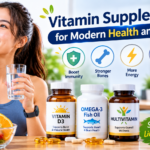







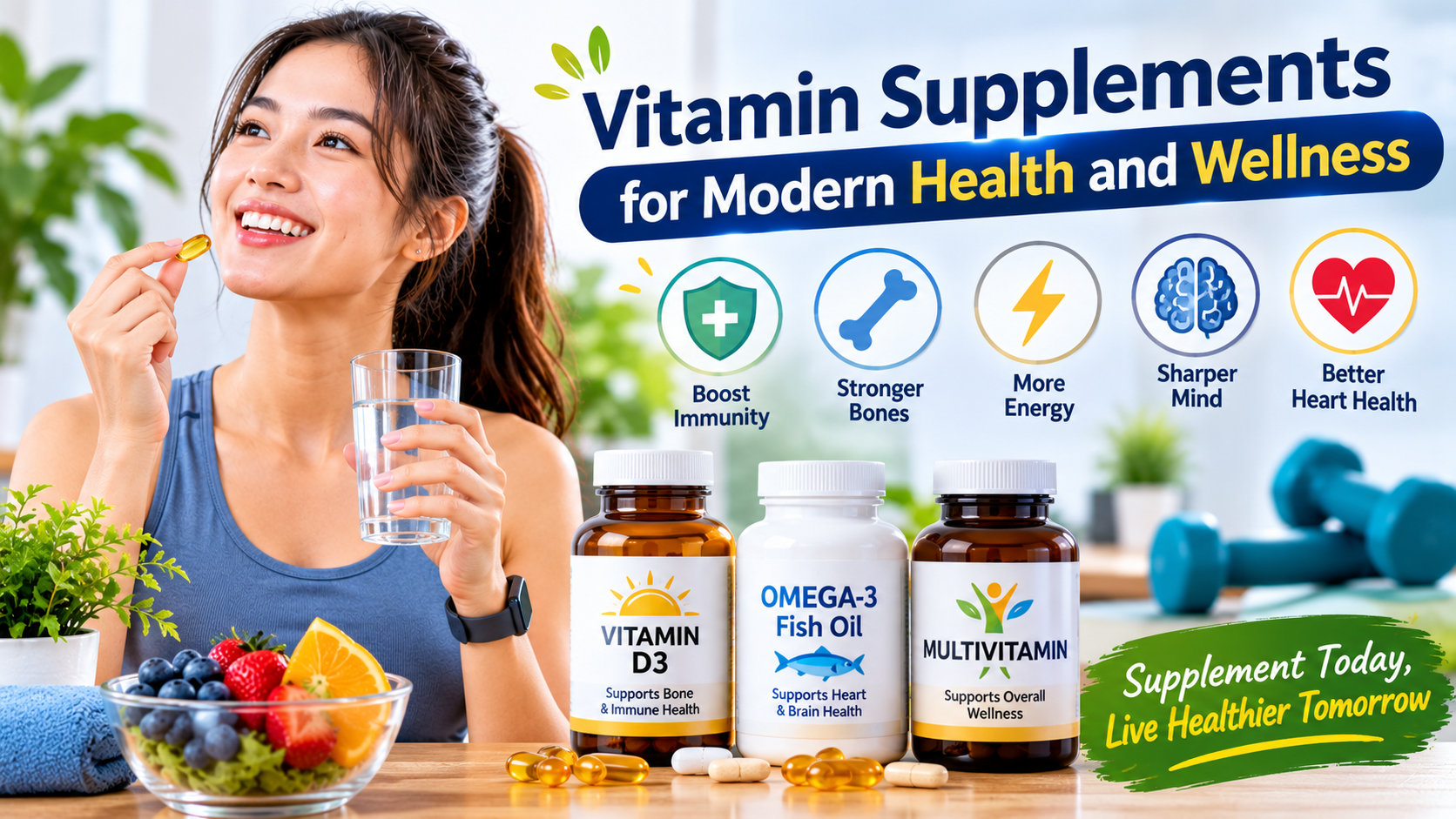
Vitamin supplements have become an integral part of daily health regimens, offering a convenient way to boost nutrition and address specific health needs. With the rise of busy lifestyles and dietary restrictions, these supplements serve as an essential ally in maintaining optimal health.
From multivitamins to specialized formulas, understanding the various types and their benefits is crucial for making informed choices. Moreover, certain demographic groups, including pregnant women, the elderly, and those with specific health conditions, may find vitamin supplementation particularly beneficial in meeting their nutritional requirements.
The Role of Vitamin Supplements in Modern Health Regimens
Vitamin supplements have become an essential component of contemporary health regimens, serving as a convenient means to bridge nutritional gaps in our diets. With busy lifestyles and sometimes unbalanced eating habits, many individuals find it challenging to obtain adequate levels of vitamins and minerals solely from food sources. Vitamin supplements can enhance daily nutrition, promote overall health, and support specific health needs, making them a popular choice for individuals of all ages and lifestyles.
A variety of vitamin supplements are available, each targeting specific health benefits. Common types include:
Common Types of Vitamin Supplements and Their Health Benefits
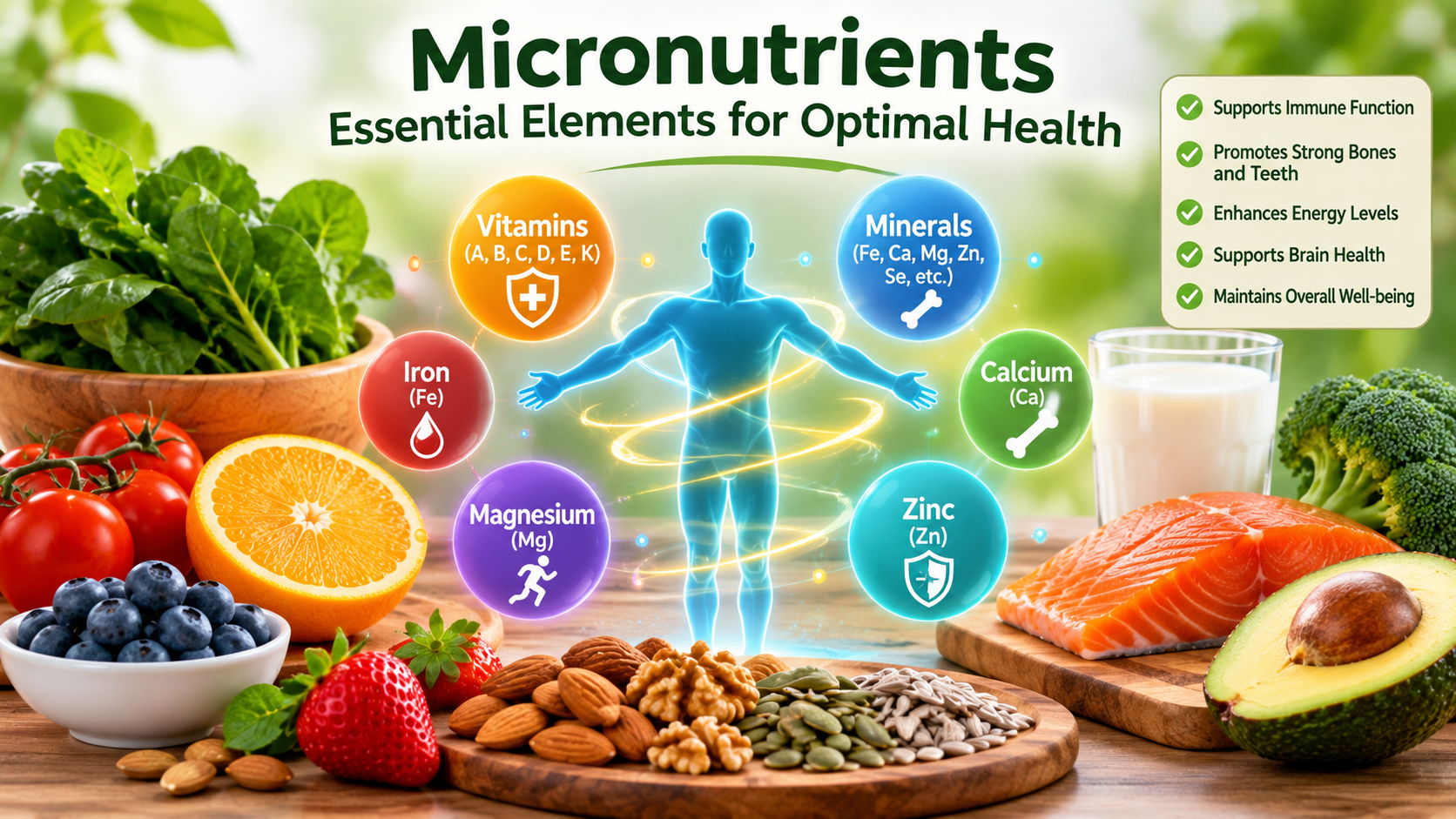
Understanding the different types of vitamin supplements and their respective benefits can help individuals make informed choices about their health. Each vitamin plays a unique role, contributing to bodily functions and overall well-being:
- Vitamin C: Known for its immune-boosting properties, vitamin C also acts as an antioxidant, protecting against cellular damage. It is essential for skin health and wound healing.
- Vitamin D: Crucial for bone health, vitamin D aids in calcium absorption and supports immune function. Many people, especially those in less sunny climates, may require supplementation due to insufficient sunlight exposure.
- Vitamin B12: Vital for energy production and neurological function, vitamin B12 is particularly important for vegetarians and vegans, as it is primarily found in animal products.
- Folic Acid (Vitamin B9): Essential for cell division and the production of DNA, folic acid is especially important for pregnant women to support fetal development.
- Vitamin A: Important for vision, immune function, and skin health, vitamin A supplementation can be beneficial for those with insufficient dietary intake.
Certain demographic groups may experience particular benefits from vitamin supplementation. For instance, pregnant women often require additional folic acid to prevent neural tube defects in developing fetuses. Elderly individuals might need more vitamin D to help maintain bone density and prevent osteoporosis. Additionally, vegetarians and vegans may benefit from B12 supplements due to the limited sources available in plant-based diets. Athletes and active individuals may also turn to vitamin supplements to support their increased nutritional demands and recovery needs.
In summary, vitamin supplements can play a vital role in enhancing modern health practices, offering essential nutrients that help maintain bodily functions, promote overall wellness, and address specific health needs across various demographic groups.
The Science Behind Vitamin Absorption and Effectiveness
Understanding how the body absorbs vitamins is crucial for maximizing their benefits. Vitamins are essential nutrients that play a key role in various bodily functions, but the way we obtain and absorb them can significantly differ depending on their source. When comparing vitamin absorption from food to supplements, several factors come into play, impacting their overall effectiveness.
The body absorbs vitamins through various mechanisms, primarily dependent on whether they are fat-soluble or water-soluble. Fat-soluble vitamins (A, D, E, and K) require dietary fats for proper absorption, which means their bioavailability can be significantly improved when consumed with a meal containing healthy fats. In contrast, water-soluble vitamins (such as B vitamins and vitamin C) are absorbed directly into the bloodstream and do not need fat for absorption, although their levels can be affected by factors like cooking methods and storage.
Several factors influence the rate at which individuals absorb vitamins. These factors include age, gender, digestive health, and lifestyle choices such as diet and alcohol consumption. For example, older adults often experience decreased absorption rates due to changes in gastric acidity and overall digestive efficiency. Additionally, certain medical conditions, such as celiac disease or Crohn’s disease, can impair nutrient absorption, leading to deficiencies despite adequate intake.
Different Forms of Vitamin Supplements and Their Bioavailability
Vitamin supplements are available in various forms, each with its unique characteristics affecting bioavailability. Understanding these forms can help individuals make informed choices about supplementation. The primary forms include:
- Capsules: Typically easy to swallow and sometimes contain powdered or liquid forms of vitamins. Their absorption rates can vary depending on the capsule’s composition.
- Tablets: Often compressed forms of vitamins, requiring more time to dissolve in the stomach. They may contain binders and fillers, which can affect absorption.
- Liquids: Generally considered to have higher bioavailability due to their immediate availability for absorption. Liquid forms can be particularly beneficial for those with digestive issues.
- Gummies: A popular alternative for many, especially children. They often contain added sugars and may have lower concentrations of vitamins, potentially impacting their effectiveness.
- Powders: Usually mixed with water or another liquid, they offer flexible dosing options and can be absorbed quickly. However, the presence of other ingredients can influence absorption rates.
The choice of supplement form can significantly impact the effectiveness of vitamin intake. For instance, liquid vitamins tend to be absorbed more quickly than tablets or capsules, making them a preferred option for individuals needing rapid nutrient replenishment. Additionally, some vitamins are more stable in certain forms than others. For example, vitamin B12 is often better absorbed in liquid form, especially for individuals with digestive challenges.
Choosing the right form of vitamin supplement is essential for ensuring optimal absorption and overall health benefits.
Potential Risks and Side Effects of Vitamin Supplementation
Vitamin supplements can offer numerous health benefits when taken appropriately, but excessive intake can lead to serious negative effects. It’s important to understand the potential risks associated with vitamin supplementation, particularly when it comes to high doses that exceed the recommended dietary allowances (RDAs). Many individuals may assume that more is better, but this can lead to toxicity and other health issues.
Vitamins are categorized into two main groups: water-soluble and fat-soluble. Water-soluble vitamins, including Vitamin C and the B vitamins, are generally excreted through urine when taken in excess. However, fat-soluble vitamins (A, D, E, and K) can accumulate in the body and lead to toxicity if consumed in large amounts. For instance, excessive Vitamin A intake can result in liver damage, blurred vision, and bone pain, while too much Vitamin D can cause hypercalcemia, leading to nausea and kidney problems.
To safely incorporate vitamin supplements into your diet without experiencing adverse effects, it’s essential to follow a few guidelines. First, consult with a healthcare provider before starting any supplement regimen. They can provide personalized recommendations based on individual health status, dietary patterns, and nutritional needs.
A balanced diet rich in whole foods should be the primary source of vitamins. Supplements can be useful for individuals with specific deficiencies or dietary restrictions, but they should not replace healthy eating. When selecting a vitamin supplement, opt for high-quality products from reputable brands to ensure purity and appropriate dosages.
Monitoring your vitamin intake is crucial. Keep track of both dietary sources and supplements to avoid exceeding recommended levels. For instance, if you consume a multivitamin that contains Vitamin A, be mindful of additional sources like liver or certain fish oils that could lead to excessive intake.
“The best approach to vitamins is to obtain them from food sources while using supplements judiciously.”
Lastly, consider taking supplements with food to enhance absorption and minimize gastrointestinal discomfort. This can also help to avoid taking multiple supplements at once, which could increase the risk of exceeding safe intake levels. By approaching vitamin supplementation with caution and awareness, individuals can enjoy the benefits of these nutrients without facing the risks of toxicity.
Guidelines for Choosing High-Quality Vitamin Supplements
When it comes to incorporating vitamin supplements into your daily routine, selecting high-quality options is crucial. The market is saturated with various products, making it essential to know what to look for to ensure you are investing in supplements that will benefit your health. By understanding key factors such as certifications, ingredient quality, and the correct way to read supplement labels, you can make informed choices.
Key Factors in Selecting Supplements
Choosing the right vitamin supplement involves several important considerations. Understanding these factors can help you narrow down your options effectively:
- Certifications: Look for supplements that have been certified by third-party organizations like USP, NSF International, or ConsumerLab. These certifications indicate that the products meet specific standards for quality and potency.
- Ingredient Quality: Investigate the source and quality of ingredients used in the supplements. Natural ingredients are often preferable, and checking for the absence of fillers, artificial colors, and preservatives is essential.
- Formulation: Choose a supplement that caters to your specific health needs. For example, some formulas are designed for women, men, or age-specific groups, ensuring that the nutritional needs are met.
- Brand Reputation: Research the brand’s history and customer reviews. Brands with a long-standing positive reputation are more likely to provide quality products.
Reading Supplement Labels and Understanding Dosages
Reading supplement labels accurately is vital for ensuring that you are taking the right dosages. Here’s how to break it down effectively:
The Supplement Facts panel on a label contains key information about the product, including the serving size, servings per container, and the amount of each vitamin and mineral per serving. Pay attention to the following:
- Serving Size: This indicates how much of the supplement constitutes one serving. Adjust your intake based on this information.
- Daily Value (%DV): This percentage helps you understand how much a nutrient in a serving contributes to a daily diet. Aim for supplements that provide close to 100% DV of essential vitamins.
- Ingredients List: This is where you can identify additional components in the supplement. Look for high-quality sources and be cautious of any allergens or additives.
- Dosage Recommendations: Each label will provide specific guidance on how many servings to take daily. Consistently adhere to these recommendations to avoid overdosing on certain vitamins.
“Always consult with a healthcare professional before starting any vitamin regimen to tailor the intake to your specific health needs.”
Seeking professional advice is crucial when considering vitamin supplements. A healthcare provider can assess your dietary needs, current health status, and potential interactions with medications or conditions. This personalized approach helps to ensure that the vitamins you choose will effectively contribute to your overall well-being.
The Impact of Lifestyle Factors on Vitamin Needs
Understanding the impact of lifestyle factors on vitamin needs is essential for maintaining optimal health. Various elements, such as dietary habits, physical activity levels, and stress, can significantly influence how much of certain vitamins our bodies require. This means that as our lifestyle changes, so too can our vitamin intake recommendations.
The body’s vitamin requirements can fluctuate based on numerous lifestyle factors. For instance, an individual with a diet rich in fruits, vegetables, and whole grains may have different vitamin needs compared to someone whose diet consists of processed foods. Similarly, exercise plays a pivotal role, as physically active individuals often have higher demands for certain micronutrients to support energy production and recovery. Stress also elevates the need for certain vitamins, particularly those that help in stress management and adrenal function, like vitamin C and B vitamins.
Adjusting Vitamin Intake Based on Life Circumstances
It is important to recognize when significant life changes occur that may necessitate an adjustment in vitamin intake. For example, during pregnancy, a woman’s body undergoes numerous physiological changes that increase nutritional demands. The need for folic acid, for instance, becomes particularly pronounced, as it is vital for fetal development and can help prevent neural tube defects. Similarly, the requirement for iron rises during pregnancy to support increased blood volume and fetal growth.
As we age, our bodies also experience changes that can impact vitamin absorption and metabolism. For example, older adults often have reduced stomach acid, affecting vitamin B12 absorption. Therefore, this age group may benefit from B12 supplements or fortified foods. Additionally, elderly individuals are generally at a higher risk of vitamin D deficiency due to decreased sun exposure and skin’s reduced ability to synthesize the vitamin.
Lifestyle changes that necessitate an increase in vitamin supplements include:
- Switching to a vegetarian or vegan diet, which may require supplementation of B12, iron, and omega-3 fatty acids.
- Increased physical activity levels, particularly in athletes, who may need more vitamin D, calcium, and antioxidants.
- Experiencing high-stress levels or undergoing significant life changes, which often increases the need for B-complex vitamins and vitamin C.
Adjustments to vitamin intake can be effectively managed through regular consultations with healthcare providers to ensure that dietary choices align with one’s evolving health needs. This proactive approach helps maintain well-being amid life’s transitions.
Exploring Natural Sources of Vitamins Versus Supplements
Obtaining adequate vitamins is essential for maintaining optimal health. While many individuals turn to vitamin supplements as a quick fix, the debate over whether natural food sources or supplements provide better benefits is ongoing. Understanding the differences between these sources can help in making informed choices for one’s dietary needs.
Whole food supplements represent a middle ground between traditional supplements and natural food sources. These supplements are derived from real food sources, meaning they contain not just isolated vitamins but also additional nutrients, such as minerals, enzymes, and phytonutrients that are often lost in synthetic formulations. They are designed to provide the body with a more comprehensive nutritional profile, closely resembling what one would obtain from a balanced diet. For instance, a whole food supplement made from kale may include the fiber, antioxidants, and other compounds that contribute to its health benefits, while a synthetic vitamin may only offer isolated nutrients.
One significant advantage of whole food supplements is their bioavailability. This means that the nutrients are more easily absorbed and utilized by the body when they come from natural sources. Because they contain various co-factors and compounds that work synergistically, whole food supplements can enhance the effectiveness of vitamins and minerals. For example, vitamin C found in citrus fruits comes with bioflavonoids, which aid in its absorption, a benefit not available in isolated vitamin C pills.
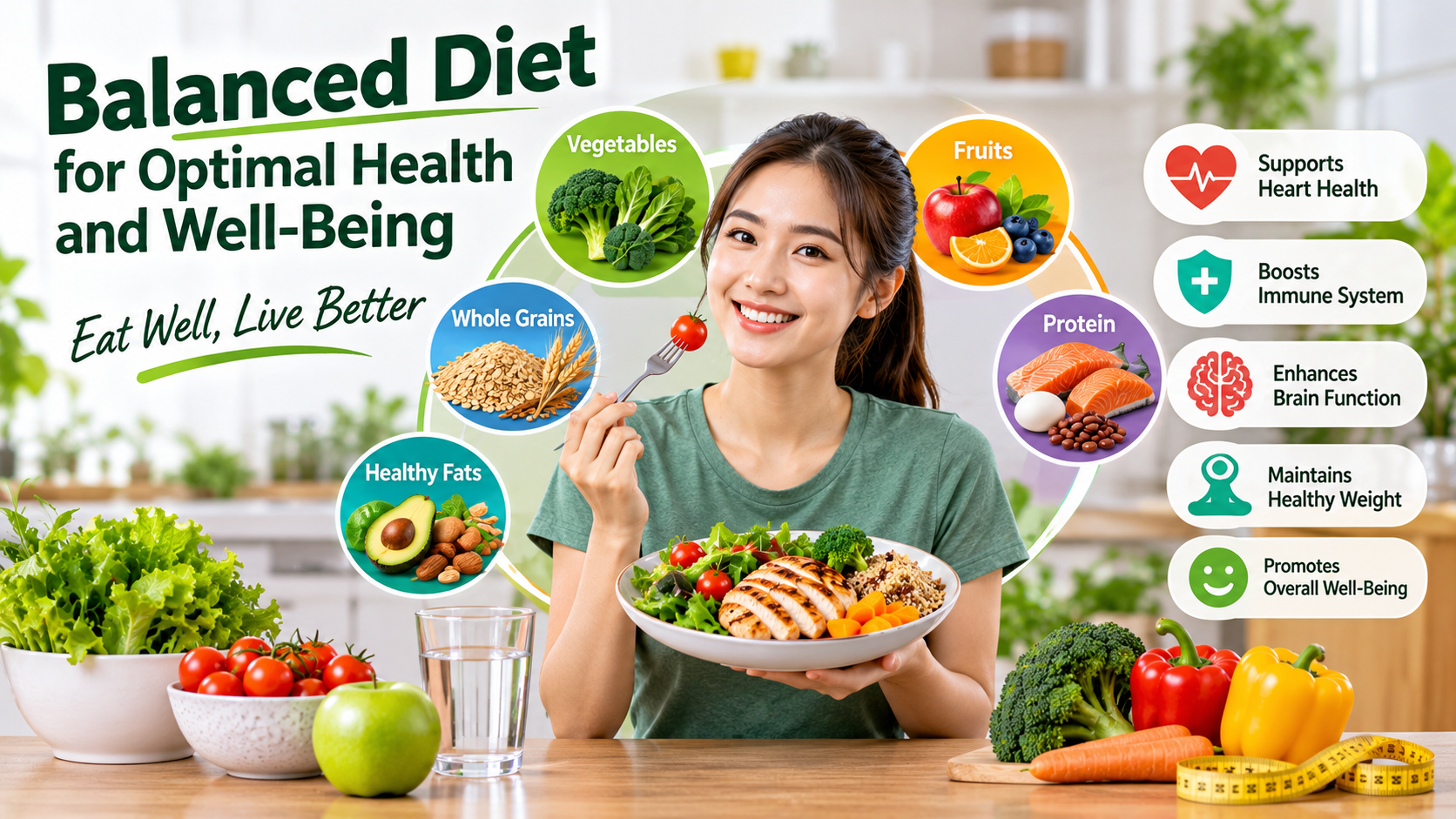
Moreover, focusing solely on vitamin supplements can lead to imbalances in nutrient intake. Supplements often lack the complex interplay of nutrients found in whole foods that support overall health. A balanced diet rich in fruits, vegetables, whole grains, and healthy fats provides a diverse array of vitamins and minerals that work together to support bodily functions. Relying exclusively on supplements may overlook the importance of dietary variety, which is crucial for maintaining health and preventing deficiencies.
In summary, while supplements can be beneficial in certain cases, whole food supplements and a balanced diet are preferred for achieving optimal nutrient intake. Understanding the differences can guide individuals in making better dietary choices that promote holistic health.
The Future of Vitamin Supplementation in Nutrition
As we move forward into an era marked by rapid advancements in health technology and personalized nutrition, the future of vitamin supplementation appears promising and transformative. Emerging trends in the industry suggest a shift towards individualized vitamin regimens that cater to the specific health needs of each person. This evolution is largely driven by advancements in technology and a growing understanding of nutrition science, paving the way for tailored supplementation strategies that can enhance overall wellness.
Technology is playing a pivotal role in shaping the development and accessibility of vitamin supplements. With the advent of artificial intelligence and data analytics, companies can now analyze vast amounts of consumer data to create personalized vitamin formulations. For instance, DNA testing kits can reveal specific genetic predispositions that affect nutrient absorption and metabolism. This information allows for the design of supplements that address individual deficiencies and optimize nutrient intake. Furthermore, mobile health applications are making it easier for consumers to track their nutrient levels and receive recommendations tailored to their dietary habits and lifestyle choices.
The rise of e-commerce has also revolutionized the vitamin supplement market, providing consumers with easy access to a wide variety of products. Subscription models have gained popularity, allowing customers to receive their personalized vitamin packs regularly without the need to reorder. The convenience of online shopping combined with personalized recommendations suggests that the future of vitamin supplementation will prioritize user experience and tailored solutions to meet unique health needs.
Emerging Trends in Vitamin Supplementation
Several trends are shaping the future landscape of vitamin supplementation, all aimed at improving health outcomes for diverse populations.
- Personalized Supplements: Custom vitamin packs based on genetic testing, lifestyle assessments, and health goals are becoming increasingly common.
- Plant-Based and Natural Ingredients: More consumers are seeking supplements that are derived from natural sources, leading to a surge in plant-based options that are both effective and sustainable.
- Integration with Health Tech: Wearable devices and health tracking apps are being integrated with vitamin supplementation, allowing for real-time tracking of nutritional intake and health metrics.
- Increased Focus on Preventive Health: As consumers become more health-conscious, there is a shift towards using vitamins not just for deficiency correction, but as proactive measures for maintaining overall health.
- Research-Backed Formulations: Companies are increasingly investing in clinical research to support their products, ensuring that supplements are effective and safe based on scientific evidence.
The future of research on vitamin supplementation is expected to delve deeper into understanding the nuances of nutrient interactions, optimal dosages, and the long-term benefits of various supplementation strategies. As interest in holistic health continues to rise, ongoing studies will likely explore how vitamins can play a key role in disease prevention and health promotion, providing populations with valuable insights into effective nutritional practices.
“Personalized vitamin regimens, backed by scientific research, are set to revolutionize the way individuals approach their health and well-being.”
Outcome Summary
In conclusion, while vitamin supplements can play a vital role in enhancing health, it is important to approach their use wisely. By understanding absorption, potential risks, and guidelines for selection, individuals can make educated decisions that align with their unique health needs and lifestyles.
Q&A
Are vitamin supplements necessary for everyone?
No, many people can meet their nutritional needs through a balanced diet; supplements are often recommended for specific deficiencies or health conditions.
Can I take multiple vitamin supplements at once?
While it’s possible, it’s essential to consult a healthcare professional to avoid potential overdoses or interactions.
How should I store vitamin supplements?
Store them in a cool, dry place away from direct sunlight to maintain their potency and effectiveness.
Do vitamin supplements replace a healthy diet?
No, supplements should complement a healthy diet, not replace it, as whole foods provide additional nutrients and benefits.
How long does it take to see benefits from vitamin supplements?
Results vary depending on the individual and the specific vitamins taken, but some benefits can be felt within weeks to months.