









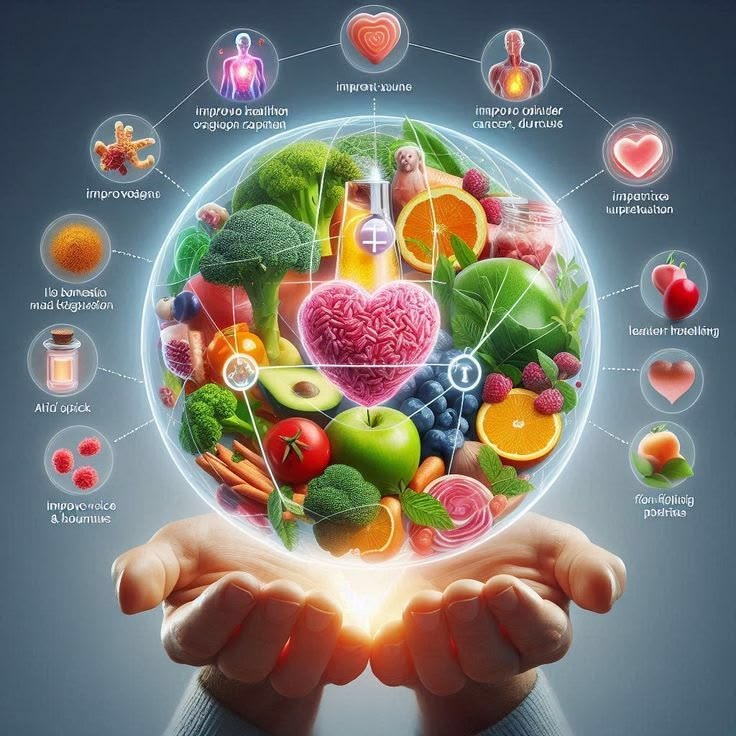
Mineral deficiency is a crucial topic that affects millions worldwide, influencing everything from daily energy levels to long-term health outcomes. Our bodies rely on a variety of minerals to function correctly, playing vital roles in processes like bone health, nerve function, and muscle contraction. Understanding mineral deficiency not only highlights the importance of these nutrients but also sheds light on how deficiencies can lead to a cascade of health issues.
In this discussion, we will explore the various types of mineral deficiencies, their symptoms, and the underlying causes. We will also examine the long-term consequences of untreated deficiencies, prevention strategies, and the role healthcare professionals play in managing these conditions. With a comprehensive overview, you’ll gain valuable insights into maintaining proper mineral levels for optimal health.
Understanding the Basics of Mineral Deficiency
Mineral deficiency refers to the lack of essential minerals in the body, which play a critical role in various physiological functions. Minerals are vital nutrients that help maintain overall health, supporting everything from bone strength to immune function. When the body lacks these essential elements, it can lead to a cascade of health issues, underscoring the importance of ensuring an adequate intake through diet or supplementation.
Minerals are inorganic substances that contribute to the body’s structure and function. They are categorized into two groups: macrominerals and trace minerals. Macrominerals, such as calcium, magnesium, and potassium, are needed in larger amounts, while trace minerals like iron, zinc, and selenium are required in smaller quantities. Each mineral has specific roles in bodily functions, and deficiencies can disrupt these processes. For instance, calcium is crucial for bone health and muscle function, while potassium regulates fluid balance and muscle contractions. Magnesium is involved in over 300 biochemical reactions, including energy production and protein synthesis.
When mineral deficiencies occur, they can lead to a variety of health complications. For example, a lack of iron can result in anemia, characterized by fatigue and weakness due to reduced oxygen transport in the blood. Similarly, insufficient calcium intake can lead to osteoporosis, increasing the risk of fractures. Zinc deficiency may impair immune function, making individuals more susceptible to infections. The impact of these deficiencies can extend beyond physical health, affecting mental well-being and quality of life.
“Minerals are the unsung heroes of nutrition, playing roles that are essential yet often overlooked.”
Understanding the importance of minerals and recognizing the symptoms of deficiencies can empower individuals to make informed dietary choices. A balanced diet rich in fruits, vegetables, whole grains, lean proteins, and dairy products can help prevent deficiencies. Regular health check-ups and blood tests can also assist in identifying any nutrient shortfalls early on, ensuring timely intervention.
Common Types of Mineral Deficiencies and Their Symptoms
Mineral deficiencies can significantly impact overall health and well-being. They often go unnoticed at first but can manifest in various ways that affect daily life, productivity, and mental health. Understanding the common types of mineral deficiencies and their symptoms is essential for prevention and management.
One of the most prevalent mineral deficiencies is iron deficiency. It can lead to anemia, resulting in fatigue, weakness, and pale skin. Individuals may also experience shortness of breath during physical activities or have difficulty concentrating due to reduced oxygen supply to the brain. Another common deficiency is calcium deficiency, which primarily affects bone health. Symptoms may include brittle nails, muscle cramps, and increased risk of fractures. In severe cases, it can contribute to osteoporosis, where bones become porous and fragile.
Magnesium deficiency is another issue, often characterized by symptoms like muscle twitches, fatigue, and mental disorders such as anxiety and depression. A lack of magnesium can also lead to irregular heartbeats and high blood pressure, making it crucial for cardiovascular health. Potassium deficiency can result in weakness, fatigue, and muscle cramps, as well as digestive issues such as constipation. These symptoms can interfere with daily activities and overall quality of life. Lastly, zinc deficiency can lead to immune dysfunction, hair loss, and delayed wound healing. It is also linked to a decrease in taste and smell, which can impact one’s appetite and nutritional intake.
Symptoms of Common Mineral Deficiencies
Recognizing the symptoms of mineral deficiencies can be critical for timely intervention. Here’s a breakdown of five common deficiencies and their associated symptoms:
- Iron Deficiency: Commonly manifests as fatigue, weakness, pale skin, shortness of breath, and difficulty concentrating.
- Calcium Deficiency: Symptoms include brittle nails, muscle cramps, and an increased risk of fractures, leading to conditions like osteoporosis.
- Magnesium Deficiency: Characterized by muscle twitches, fatigue, anxiety, depression, irregular heartbeats, and elevated blood pressure.
- Potassium Deficiency: Often presents with weakness, fatigue, muscle cramps, and digestive issues like constipation, severely affecting daily routines.
- Zinc Deficiency: Leads to immune dysfunction, hair loss, delayed wound healing, and a decrease in taste and smell, impacting appetite and nutrition.
The symptoms of these mineral deficiencies can overlap, particularly in terms of fatigue and weakness. For example, both iron and magnesium deficiencies can lead to feelings of tiredness, but the causes are distinct. Iron deficiency primarily reduces oxygen transport in the blood, while magnesium impacts neuromuscular functions. Calcium deficiency, while also causing muscle cramps, does so due to inadequate calcium in the muscles during contraction.
Understanding these unique characteristics allows for better identification of deficiencies, ensuring that individuals seek appropriate dietary adjustments or medical advice. By recognizing the subtle differences and effects of each mineral deficiency, one can take proactive steps to improve their health and prevent the potential complications associated with these deficiencies.
Causes Behind Mineral Deficiency
Mineral deficiencies can impact overall health and well-being significantly. Understanding the underlying causes is crucial for prevention and management. Various dietary choices and lifestyle habits directly contribute to the depletion of essential minerals in our bodies. Furthermore, modern agricultural practices and certain medical conditions also play a pivotal role in this growing concern.
Dietary and Lifestyle Factors
Diet is a primary contributor to mineral deficiencies. Many individuals consume diets that lack diversity, heavily relying on processed foods that are often stripped of their nutritional value. For instance, a diet high in refined grains may lead to a deficiency in magnesium, as whole grains are typically richer in this essential mineral. In addition, excessive consumption of sugar and unhealthy fats can interfere with the absorption of critical minerals like calcium and zinc.
Lifestyle choices, including the overconsumption of alcohol and the chronic use of certain medications, can further exacerbate mineral deficiencies. Alcohol can impair the intestinal absorption of minerals and lead to deficiencies over time. Certain medications, particularly diuretics, can increase the excretion of minerals through urine, further depleting the body’s reserves.
Impact of Modern Agricultural Practices
Modern agricultural practices have a profound impact on the mineral content of our food. Intensive farming techniques often prioritize high-yield crops over nutrient-rich varieties. This focus on quantity rather than quality has led to soils being depleted of essential minerals due to excessive cropping and inadequate replenishment of soil nutrients. For example, a study published in the Journal of the American College of Nutrition highlighted that the mineral content of fruits and vegetables has declined significantly over the past 50 years, with some crops showing a decrease of up to 40% in vital minerals like calcium, iron, and magnesium.
Additionally, practices such as monoculture can lead to a lack of biodiversity in farming, reducing the natural ability of the soil to replenish its nutrient content. The use of chemical fertilizers, while boosting yields, often fails to provide a full spectrum of minerals necessary for plant health. Consequently, crops grown in nutrient-deficient soils yield food that may lack essential minerals, contributing to mineral deficiencies in the population.
Medical Conditions Leading to Mineral Deficiencies
Certain medical conditions can predispose individuals to mineral deficiencies. For instance, gastrointestinal disorders such as celiac disease or Crohn’s disease can impair nutrient absorption, leading to deficiencies in minerals like iron and calcium. Furthermore, conditions like chronic kidney disease can disrupt the balance of minerals in the body, either causing excess loss or inadequate retention.
Additionally, hormonal imbalances, such as those associated with menopause or thyroid disorders, can influence how minerals are utilized and stored in the body, making some individuals more susceptible to deficiencies. Understanding these medical factors is essential in addressing mineral deficiencies effectively and guiding appropriate treatment and dietary recommendations.
Consequences of Untreated Mineral Deficiency
Ignoring mineral deficiencies can lead to significant long-term health risks that extend beyond immediate symptoms. Minerals play crucial roles in various bodily functions, and their absence can result in serious complications that affect overall health and well-being. The consequences can vary widely depending on the specific mineral that is lacking, the severity of the deficiency, and the population affected.
Long-term Health Risks
Mineral deficiencies can have a profound impact on health, leading to a range of severe conditions if left untreated. The risks are not merely limited to physical health; they can also affect mental health, growth, and development, especially in vulnerable populations. Consider the following examples of critical minerals and the consequences of their deficiencies:
- Calcium Deficiency: Calcium is essential for bone health. A prolonged deficiency can lead to osteoporosis, a condition characterized by brittle bones and an increased risk of fractures. This is particularly concerning for older adults, especially postmenopausal women, who are already at higher risk for bone density loss.
- Iron Deficiency: Iron is crucial for the production of hemoglobin in red blood cells. Severe iron deficiency can result in anemia, which may lead to fatigue, weakness, and impaired cognitive function. In pregnant women, this deficiency can increase the risk of premature birth and low birth weight, impacting both mother and child.
- Magnesium Deficiency: Magnesium is involved in over 300 biochemical reactions in the body. Chronic deficiency can result in muscle cramps, mental disorders, and an increased risk of heart disease. Older adults are particularly susceptible, as absorption decreases with age, and they often consume less magnesium-rich food.
These examples illustrate the severe outcomes that can arise from untreated mineral deficiencies and highlight the importance of addressing these issues promptly.
Impact on Different Age Groups and Populations
The consequences of untreated mineral deficiencies can vary significantly across different age groups and populations. Certain demographics are more vulnerable and face distinct challenges.
- Children: During growth phases, children require adequate minerals for healthy development. Deficiencies can lead to developmental delays, cognitive impairments, and stunted growth.
- Pregnant Women: Expectant mothers need higher mineral intake to support fetal growth. Deficiencies can affect not only the mother’s health but also the newborn’s development, leading to complications such as low birth weight.
- Older Adults: Aging individuals often have dietary restrictions and reduced absorption rates, making them more prone to deficiencies. This can exacerbate existing health issues and lead to a decline in overall quality of life.
The long-term repercussions of untreated mineral deficiencies can alter health trajectories and diminish quality of life across various life stages.
Understanding these consequences emphasizes the need for awareness and proactive management of mineral intake across all life stages to prevent serious health complications.
Treatments and Supplements for Mineral Deficiency
Mineral deficiencies can lead to a range of health issues, and addressing them effectively is crucial for maintaining overall well-being. Various treatment options are available, each with its own benefits and drawbacks. This section explores these treatments and the comparison between dietary supplements and natural food sources, aiming to provide a comprehensive understanding of how to combat mineral deficiencies.
When it comes to addressing mineral deficiencies, there are primarily two routes: dietary adjustments and supplementation. Dietary adjustments involve incorporating foods rich in the specific minerals needed. Common sources include leafy greens for magnesium, dairy products for calcium, and red meat for iron. On the other hand, supplements come in the form of pills, powders, or liquid formulations designed to deliver specific minerals directly to the body.
Pros and Cons of Using Dietary Supplements
Using dietary supplements can be an efficient way to address mineral deficiencies, especially when dietary changes alone are insufficient. However, it’s important to weigh the advantages against the possible downsides.
The benefits of dietary supplements include:
- Targeted Nutrient Delivery: Supplements provide specific minerals in concentrated doses, making them an effective solution for deficiencies.
- Convenience: They are easy to obtain and consume, particularly for individuals with busy lifestyles or limited access to certain foods.
- Enhanced Absorption: Some supplements are formulated to enhance mineral absorption, which can be beneficial for individuals with digestive issues.
Despite these advantages, dietary supplements also come with potential drawbacks:
- Risk of Overdose: Excessive intake of supplements can lead to toxicity, especially with fat-soluble vitamins and certain minerals.
- Lack of Nutritional Balance: Supplements do not provide the full spectrum of nutrients that whole foods offer, which can lead to imbalances if relied upon exclusively.
- Cost: Quality supplements can be expensive, and ongoing use may become financially burdensome.
While supplements can effectively address deficiencies, overall nutrition should ideally come from a balanced diet rich in whole foods.
Natural Food Sources Versus Synthetic Supplements
When considering how to address mineral deficiencies, the choice between natural food sources and synthetic supplements is a significant factor.
Natural food sources offer a variety of minerals along with numerous health benefits, including fiber, vitamins, and antioxidants. For example, consuming spinach not only provides magnesium but also vitamins A and C, which support overall health. Foods are generally well-absorbed by the body, and the risk of toxicity is lower compared to concentrated supplements.
In contrast, synthetic supplements are often engineered to deliver specific minerals at higher concentrations than what is typically found in food. While they can be effective for quickly addressing deficiencies, reliance on them can lead to gaps in other essential nutrients.
Moreover, the bioavailability of synthetic minerals can vary. For instance, while ferrous sulfate is a common iron supplement, some individuals may find it less effective or experience gastrointestinal side effects.
In summary, while both dietary supplements and natural food sources have their places in treating mineral deficiencies, it is vital to consider individual health needs and consult healthcare professionals for tailored advice. A holistic approach, focusing on nutrient-dense foods while using supplements when necessary, generally yields the best outcomes for mineral health.
The Role of Healthcare Professionals in Managing Mineral Deficiency
Healthcare professionals play a critical role in identifying and managing mineral deficiencies, which can have significant implications for overall health. Their expertise allows for accurate diagnosis, effective treatment, and personalized care plans tailored to individual needs. By understanding the signs and symptoms of mineral deficiencies, healthcare providers can help patients maintain optimal health and prevent complications.
In the clinical setting, various tests and assessments are utilized to diagnose mineral deficiencies accurately. These diagnostic tools not only determine the presence of deficiencies but also help gauge the severity and impact on health. Commonly employed methods include:
Diagnostic Tests and Assessments
Laboratory tests are fundamental in diagnosing mineral deficiencies. They provide healthcare professionals with quantitative data about a patient’s mineral levels. Some of the key tests include:
- Blood Tests: Serum tests measure levels of essential minerals like iron, calcium, magnesium, and potassium. These tests are typically the first line of investigation for suspected deficiencies.
- Urine Tests: 24-hour urine collection can help assess the excretion of minerals, providing insights into absorption and deficiency status.
- Dietary Assessments: Evaluating dietary intake through food diaries or questionnaires enables healthcare providers to identify potential gaps in nutrient consumption.
- Clinical Assessments: Healthcare professionals often look for physical signs and symptoms associated with mineral deficiencies, such as fatigue, muscle cramps, or brittle nails.
The effectiveness of managing mineral deficiencies largely relies on personalized treatment plans developed by healthcare providers. Each patient’s requirements are unique, and treatment must take into consideration their specific circumstances, including age, sex, underlying health conditions, and lifestyle factors.
Importance of Personalized Treatment Plans
Creating individualized treatment plans is essential for successfully managing mineral deficiencies. These plans may include:
- Supplementation: Based on test results, healthcare professionals may recommend specific mineral supplements to restore adequate levels.
- Dietary Modifications: Tailored dietary advice can enhance mineral intake through food sources rich in necessary nutrients. For instance, recommending leafy greens for calcium or red meat for iron.
- Monitoring: Regular follow-ups and retests allow healthcare providers to monitor progress and adjust treatment strategies as necessary.
- Education: Providing patients with knowledge about the importance of minerals in their diet fosters better compliance and healthier lifestyle choices.
Personalized treatment plans enhance the likelihood of successful outcomes in managing mineral deficiencies.
Healthcare professionals serve as invaluable resources in the detection and management of mineral deficiencies. By utilizing appropriate diagnostic tools and tailoring treatment plans, they can significantly improve patient health and well-being.
Myths and Misconceptions About Mineral Deficiency
Mineral deficiencies are often surrounded by a cloud of myths and misconceptions that can lead to misunderstanding and poor health practices. Many people believe in oversimplified ideas about minerals and their role in health, which can result in incomplete dietary choices and negative health outcomes. It’s essential to dispel these myths and provide evidence-based insights to foster better understanding and wellness.
Misinformation regarding mineral deficiencies can create significant challenges in nutritional practices. Many individuals may rely on hearsay or anecdotal evidence instead of solid research, leading to inadequate intake of essential minerals. Misunderstandings can influence dietary choices, lifestyle habits, and even healthcare decisions, potentially resulting in health complications. Addressing these misconceptions is crucial for promoting informed health practices.
Common Myths About Mineral Deficiency
Several prevalent myths surrounding mineral deficiency require clarification. Understanding these misconceptions can lead to improved health awareness and better practices.
- Myth: All minerals can be easily obtained from diet alone.
While many minerals are available in foods, certain individuals, such as those with restrictive diets, may not get adequate amounts. For example, vegans may struggle to obtain sufficient iron and calcium without proper planning. - Myth: Taking supplements compensates for a poor diet.
Relying solely on supplements can lead to a lack of the synergistic effects provided by whole foods. For instance, calcium from dairy sources is often better absorbed than from supplements due to the presence of other nutrients. - Myth: Mineral deficiencies are only a concern for the elderly.
While older adults may be at greater risk, deficiencies can affect individuals of all ages, including children and pregnant women, whose nutritional needs are heightened. - Myth: You can easily recognize mineral deficiencies through symptoms.
Many mineral deficiencies can be asymptomatic or have vague symptoms. For instance, low magnesium levels can lead to fatigue and muscle weakness, which may be attributed to other conditions. - Myth: Organic foods are always higher in minerals than conventional foods.
The mineral content of food is dependent on the soil quality and farming practices rather than the organic label. Studies have shown that mineral levels can vary widely regardless of agricultural methods.
“Understanding the facts about mineral deficiencies allows for better dietary choices and improved overall health.”
Misinformation can lead to harmful health practices, such as excessive supplementation or neglecting critical food groups. Always seeking credible, evidence-based information is vital for making informed health decisions regarding mineral intake, ensuring a balanced approach to nutrition.
Global Perspectives on Mineral Deficiency
Mineral deficiency is a pressing global health issue that affects diverse populations in varying degrees. It is essential to understand how geographical, cultural, and socio-economic factors influence the prevalence and impact of mineral deficiencies worldwide. This understanding can guide effective interventions and policy-making to address this silent epidemic.
Regional disparities in mineral deficiency reflect differences in diet, health care access, and education levels. For instance, the prevalence of iron deficiency anemia is notably higher in South Asia and Sub-Saharan Africa, where diets are often low in iron-rich foods and healthcare systems may be under-resourced. In contrast, developed regions may see deficiencies primarily in specific populations, such as the elderly or those with restrictive diets.
Socio-economic Factors Contributing to Mineral Deficiency
Various socio-economic factors play a crucial role in the prevalence of mineral deficiency, particularly in low-income countries. These factors can perpetuate a cycle of poor health and poverty, making it challenging for individuals to achieve adequate nutrition.
– Poverty: Limited financial resources often lead to insufficient purchase of nutrient-rich foods. Families may resort to cheaper, calorie-dense options that lack essential minerals.
– Education: Lack of nutritional knowledge can result in poor dietary choices. Parents may not be aware of the importance of minerals like iron, zinc, and iodine in their children’s diets.
– Food security: Economic instability and political conflicts can disrupt food supply chains, leading to shortages of essential foods that provide vital minerals.
– Healthcare access: In many low-income regions, access to healthcare is limited, resulting in inadequate screening and treatment for mineral deficiencies.
“Food security and education are foundational to preventing mineral deficiencies in vulnerable populations.”
Initiatives aimed at combating mineral deficiency on a global scale include various programs and policies led by governments, NGOs, and international organizations. These initiatives are designed to raise awareness, improve food security, and promote better dietary practices.
– Fortification programs: Governments and organizations often fortify staple foods with essential minerals. For instance, wheat and maize flour are commonly fortified with iron and folic acid in several countries to combat deficiencies in the population.
– Supplementation programs: Targeted supplementation campaigns provide essential minerals to specific groups, such as pregnant women and young children, to address acute deficiencies.
– Agricultural interventions: Programs promoting the cultivation of biofortified crops can enhance the mineral content of food. For example, crops like orange-fleshed sweet potatoes are rich in vitamin A and can help mitigate deficiencies in that nutrient.
– Public awareness campaigns: Educational initiatives inform communities about the importance of a balanced diet and how to make better food choices to improve mineral intake.
“Comprehensive approaches addressing socio-economic factors are essential for lasting impacts on mineral deficiency.”
Future Directions in Mineral Deficiency Research
The landscape of mineral deficiency research is rapidly evolving, driven by advancements in science and technology that promise to impact public health significantly. As awareness of mineral deficiencies and their health implications increases, researchers are focusing on innovative strategies to understand and address these deficiencies more effectively. This section explores emerging research areas, potential advancements in technology and medicine, and predictions regarding the future of mineral nutrition and health policy.
Emerging Research Areas in Mineral Deficiency
Research is increasingly examining the complex interactions between minerals, nutrition, and health. Some critical areas of focus include:
- Genetic Factors: Investigating how genetic predispositions influence mineral absorption and metabolism.
- Microbiome Interactions: Understanding how gut microbiota affect mineral bioavailability and overall health outcomes.
- Environmental Impacts: Studying the effects of climate change and soil degradation on mineral content in crops, which can lead to deficiencies in the population.
- Pediatric Studies: Focusing on the impact of mineral deficiencies in children, particularly in developing countries, where malnutrition is prevalent.
These research areas are vital as they help illuminate the multifaceted nature of mineral deficiencies and their broader implications for health.
Advancements in Technology and Medicine
Technological innovations are paving new paths in diagnosing and treating mineral deficiencies. Key advancements include:
- Wearable Technology: Devices that monitor nutrient levels in real-time, providing personalized dietary recommendations.
- Nanotechnology: Developing nano-supplements that enhance the bioavailability of essential minerals.
- Telemedicine: Utilizing remote consultations to provide nutritional guidance and support to populations lacking access to healthcare.
- Precision Nutrition: Tailoring dietary interventions based on individual health data, including genetic information.
These advancements hold the promise of more effective strategies for preventing and managing mineral deficiencies across diverse populations.
Future Predictions in Mineral Nutrition and Health Policy
Looking ahead, several predictions can be made regarding mineral nutrition and health policy:
- Increased Policy Support: A growing recognition of the importance of mineral nutrition is likely to lead to enhanced policy frameworks aimed at addressing deficiencies on a global scale.
- Integration of Nutrition into Healthcare: Health systems may increasingly incorporate nutrition as a vital component of patient care, particularly for chronic disease prevention.
- Public Awareness Campaigns: Enhanced education initiatives will likely raise awareness about the significance of mineral intake and promote healthier dietary choices.
- Focus on Sustainable Practices: Policies may shift toward sustainable agricultural practices that prioritize mineral-rich soil management, thereby improving the nutritional quality of food.
These predictions underscore the importance of a multi-faceted approach to mineral nutrition that encompasses scientific research, technology, and policy development, ultimately aiming to improve public health outcomes.
Prevention Strategies for Mineral Deficiency
Mineral deficiencies can significantly impact health, leading to a variety of issues such as weakened bones, fatigue, and impaired immune function. To safeguard against these deficiencies, it is essential to adopt effective prevention strategies. This involves not only understanding dietary sources rich in essential minerals but also embracing balanced nutrition and meal planning to ensure adequate intake.
Dietary Sources Rich in Essential Minerals
To effectively prevent mineral deficiencies, it is vital to include a variety of foods in your diet that are rich in essential minerals. Below is a comprehensive list of key minerals and their dietary sources:
- Calcium: Found in dairy products like milk, cheese, and yogurt; leafy greens such as kale and broccoli; and fortified foods like cereals and plant-based milk.
- Iron: Sourced from red meat, poultry, fish, lentils, beans, and fortified cereals. Consuming vitamin C-rich foods alongside iron sources can enhance absorption.
- Magnesium: Present in nuts, seeds, whole grains, legumes, and leafy green vegetables.
- Zinc: Available in meat, shellfish, legumes, seeds, nuts, dairy, and whole grains.
- Potasium: Found in bananas, oranges, potatoes, spinach, and avocados.
- Selenium: Sourced from Brazil nuts, seafood, and grains.
Balanced nutrition plays a crucial role in preventing mineral deficiencies. A well-rounded diet not only provides necessary vitamins and minerals but also promotes overall health. Each mineral has specific functions in the body; for example, calcium is vital for bone health, while iron is essential for transporting oxygen in the blood. Failing to include adequate amounts of these minerals in daily nutrition can lead to deficiencies, which can subsequently affect energy levels, cognitive function, and overall well-being.
Moreover, it is essential to recognize that different life stages and conditions can alter mineral requirements. For instance, pregnant women often need higher levels of calcium and iron to support fetal development. Thus, being aware of personal dietary needs and adjusting food intake accordingly can significantly enhance mineral status.
Meal Plan for Adequate Mineral Intake
Creating a balanced meal plan that incorporates a variety of foods rich in essential minerals can help ensure adequate intake. Below is a sample meal plan designed to deliver a range of minerals throughout the day:
| Meal | Food Items | Mineral Highlights |
|---|---|---|
| Breakfast | Oatmeal topped with sliced banana and a sprinkle of nuts | Magnesium, Potassium, Iron |
| Lunch | Grilled chicken salad with spinach, chickpeas, and feta cheese | Calcium, Iron, Zinc |
| Snack | Greek yogurt with berries | Calcium, Potassium |
| Dinner | Baked salmon with quinoa and steamed broccoli | Omega-3 fatty acids, Magnesium, Calcium |
| Dessert | Dark chocolate (70% cocoa or higher) | Iron, Magnesium |
Incorporating such diverse food choices not only aids in mineral intake but also ensures a balanced diet that supports overall health. Regularly revisiting and adapting meal plans can help maintain nutritional adequacy and prevent potential deficiencies.
Prevention Strategies for Mineral Deficiency
Preventing mineral deficiency is crucial for maintaining overall health and well-being. Minerals play vital roles in various bodily functions, including bone health, nerve transmission, and muscle contraction. A balanced diet rich in essential minerals is the best method to ensure that your body receives adequate amounts of these nutrients, thus avoiding deficiencies that could lead to serious health issues.
Dietary Sources Rich in Essential Minerals
To incorporate adequate minerals into your diet, it’s essential to recognize the foods that are rich in these nutrients. Here’s a comprehensive list of dietary sources for key minerals:
- Calcium: Dairy products like milk, cheese, and yogurt; leafy green vegetables such as kale and broccoli; fortified plant-based milk; and fish with bones, like sardines.
- Iron: Red meat, poultry, seafood, lentils, beans, tofu, and fortified cereals.
- Magnesium: Nuts (especially almonds and cashews), seeds, whole grains, legumes, and dark chocolate.
- Zinc: Meat, shellfish, legumes, seeds, nuts, dairy, and whole grains.
- Potassium: Bananas, potatoes, spinach, beans, and avocados.
- Selenium: Brazil nuts, seafood, grains, and eggs.
To prevent mineral deficiencies, it’s crucial to understand the importance of balanced nutrition. A diet that emphasizes a variety of foods not only helps to secure the essential minerals needed by the body but also enhances overall health. Each mineral serves unique functions; for instance, calcium and magnesium are vital for bone health, while iron is critical for oxygen transport in the blood.
Balanced nutrition means consuming an array of food that covers all macro and micronutrients. When one group of minerals is lacking, it can cause a domino effect, leading to other deficiencies and ultimately affecting bodily functions. Therefore, eating a diverse diet helps ensure that all mineral needs are met. For instance, a meal that includes leafy greens, lean protein sources, whole grains, and healthy fats can substantially contribute to your daily mineral intake.
Sample Meal Plan for Adequate Mineral Intake
Creating a meal plan that encapsulates various food sources is an effective way to ensure adequate mineral intake. Below is a balanced meal plan:
| Meal | Food Items |
|---|---|
| Breakfast | Oatmeal topped with walnuts and bananas, a glass of fortified almond milk. |
| Snack | Greek yogurt with honey and a sprinkle of chia seeds. |
| Lunch | Spinach salad with grilled chicken, cherry tomatoes, avocado, and a sprinkle of pumpkin seeds. |
| Snack | Carrot sticks with hummus. |
| Dinner | Quinoa with roasted vegetables, salmon, and a side of steamed broccoli. |
By structuring meals around these sources, individuals can cover their mineral needs effectively. This approach not only prevents deficiencies but also promotes overall health and vitality.
Final Thoughts
In conclusion, mineral deficiency is a significant health concern that can have far-reaching implications if left unaddressed. By understanding the various types of deficiencies, their symptoms, and effective prevention strategies, individuals can take proactive steps towards ensuring their health and well-being. Armed with this knowledge, we can work towards a future where mineral deficiencies are minimized, leading to healthier populations and improved quality of life.
User Queries
What are the main minerals essential for health?
The main essential minerals include calcium, potassium, magnesium, iron, and zinc.
How can I tell if I have a mineral deficiency?
Common signs include fatigue, muscle cramps, brittle bones, and changes in appetite. A medical professional can provide testing for accurate diagnosis.
Are mineral supplements effective for treating deficiencies?
Yes, mineral supplements can be effective, but it’s important to consult a healthcare provider to determine the right type and dosage.
Can a balanced diet prevent mineral deficiencies?
Yes, a balanced diet rich in fruits, vegetables, whole grains, and lean proteins can help prevent mineral deficiencies.
Is it possible to have too much of a mineral?
Yes, excessive intake of certain minerals can lead to toxicity, so it’s essential to adhere to recommended guidelines.