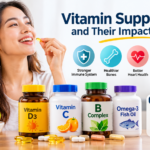







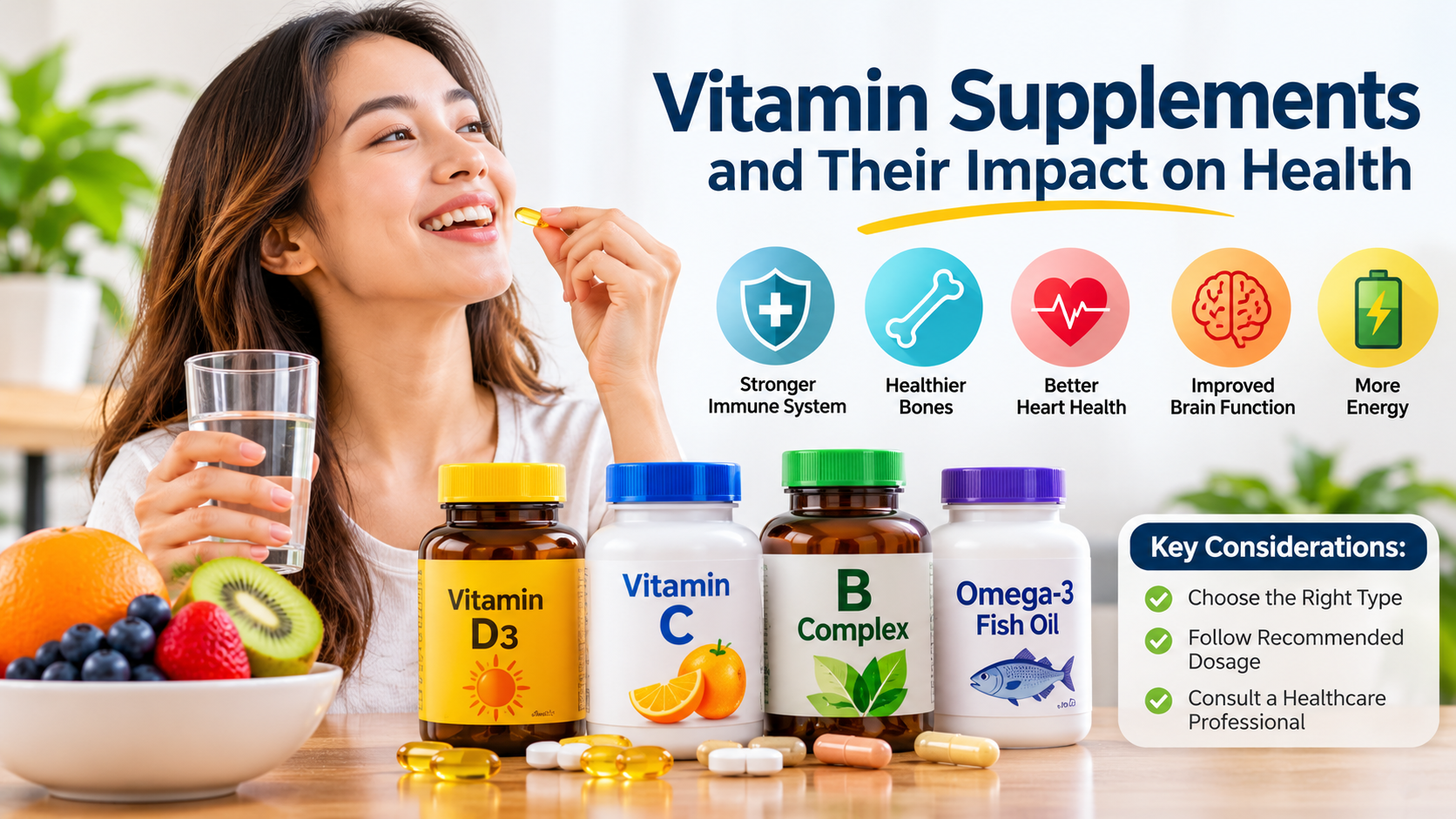
Vitamin supplements have become an essential part of many people’s daily routines, representing a blend of modern health practices and nutritional science. As our lifestyles evolve, so too does our approach to nutrition, leading to a growing reliance on these supplements to fill dietary gaps. This captivating journey into the world of vitamins reveals not only their benefits but also the factors influencing their consumption in today’s society.
From busy professionals to health-conscious individuals, the demand for vitamin supplements reflects a collective desire for enhanced well-being. With various options available on the market, understanding their role in our diets has never been more crucial. In this exploration, we will delve into the significance of these supplements, how they cater to diverse demographics, and the quality factors that consumers should consider when choosing the right products.
The role of vitamin supplements in modern health practices
In today’s fast-paced world, many individuals struggle to maintain balanced diets due to hectic lifestyles, dietary restrictions, and the sheer complexity of modern nutrition. As a result, vitamin supplements have become an integral part of health practices, providing an accessible means to bridge nutritional gaps and promote overall well-being.
The importance of vitamin supplements in contemporary diets cannot be overstated. With the rise of processed foods and the decline in the consumption of fresh fruits and vegetables, many people find it challenging to ingest adequate amounts of essential vitamins and minerals. Vitamin supplements serve as a practical solution, ensuring individuals receive necessary nutrients that might be lacking in their daily meals. Moreover, certain groups, such as pregnant women, the elderly, and those with specific health conditions, often have heightened nutritional needs that can be effectively met through supplementation.
Lifestyle changes, including increased awareness about health and wellness, have significantly influenced the consumption of vitamin supplements. The fitness movement and a growing focus on preventative healthcare have led many to adopt supplement regimens as a proactive measure against potential deficiencies. For example, busy professionals often lean towards quick and convenient supplement options to support their energy levels and immune function amidst demanding work schedules. Additionally, the rise of plant-based diets has prompted many individuals to turn to supplements like Vitamin B12, which is predominantly found in animal products, to ensure they meet their nutritional requirements.
Several popular vitamin supplements have gained traction for their specific health benefits. For instance, Vitamin D is often recommended for bone health and immune support, particularly in regions with limited sunlight exposure. Omega-3 fatty acids, commonly derived from fish oil, are recognized for their heart health benefits and anti-inflammatory properties. Additionally, Vitamin C is widely consumed for its role in boosting the immune system and promoting skin health.
The increasing availability of multivitamins has also made it easier for individuals to obtain a broad spectrum of essential nutrients in one convenient dose, appealing to those who may struggle with tailored supplementation.
“Vitamin supplements provide a practical solution to nutritional gaps that may arise from modern dietary habits.”
As individuals navigate their health journeys, the role of vitamin supplements in modern health practices continues to adapt, reflecting the evolving needs of society and the ongoing quest for optimal health.
Evaluating the necessity of vitamin supplements for different demographics
Understanding the necessity of vitamin supplements requires a closer look at how factors such as age, gender, and health status can influence individual needs. While many people may think that taking vitamins is universally beneficial, the truth is that supplementation should be tailored to specific demographic groups. This analysis highlights the varying requirements and potential risks associated with vitamin supplementation across different segments of the population.
Age plays a significant role in determining the need for vitamin supplementation. For instance, children and adolescents, who are in critical stages of growth and development, may require additional vitamins such as Vitamin D and Calcium to support bone health and immune function. The elderly, on the other hand, often experience decreased absorption of nutrients due to changes in metabolism and digestive efficiency. They might benefit significantly from Vitamin B12, Vitamin D, and Calcium to maintain bone density and cognitive function.
Gender also influences vitamin needs. For example, women of childbearing age may require higher levels of Folic Acid to prevent neural tube defects during pregnancy. Iron supplementation is often necessary for women, especially those with heavy menstrual cycles, due to the risk of anemia. Men, conversely, might focus on vitamins such as Zinc and Vitamin D to support testosterone levels and overall health.
Health status is another critical determinant of vitamin requirements. Individuals with certain chronic health conditions, such as diabetes or gastrointestinal disorders, may have increased needs for specific vitamins. For example, people with diabetes often benefit from increased levels of Vitamin B12 and Omega-3 fatty acids to help manage their condition. Those with malabsorption issues, such as Crohn’s disease, may require supplementation of fat-soluble vitamins (A, D, E, K) to counteract deficiencies.
Groups that may benefit most from specific vitamins
Different demographic groups can derive substantial benefits from targeted vitamin supplementation. Below are some notable examples:
- Pregnant Women: Folic Acid is crucial for fetal development, reducing the risk of birth defects.
- Infants and Children: Vitamin D supplementation is vital to support development and prevent rickets.
- Older Adults: Vitamins B12 and D are important for cognitive function and bone health.
- Vegetarians and Vegans: Vitamin B12, Iron, and Omega-3 fatty acids may need to be supplemented due to dietary restrictions.
- Athletes: Increased physical activity may elevate the need for Vitamins C and E for recovery and immune support.
While vitamin supplements can offer significant benefits, inappropriate use can pose risks across various demographics. Excessive intake of fat-soluble vitamins (A, D, E, K), for instance, can lead to toxicity. Additionally, some individuals may experience adverse interactions between supplements and medications. It is crucial for individuals, particularly those with chronic conditions or who are pregnant, to consult healthcare professionals before embarking on a supplementation regimen.
“Supplementation should be personalized based on individual health needs and lifestyle factors.”
In conclusion, evaluating the necessity of vitamin supplements requires a nuanced approach, taking into account the specific needs of different demographics. The right supplementation can enhance health and well-being, but it must be approached with care.
The interactions between vitamin supplements and medications
The relationship between vitamin supplements and prescription medications is a complex and crucial aspect of health management. Many individuals take vitamin supplements as part of their daily routine to support overall wellness or target specific health concerns. However, it is essential to recognize that certain vitamins can significantly influence the efficacy of prescribed medications. Understanding these interactions is vital for ensuring optimal health outcomes and preventing unintended consequences.
Certain vitamins have the potential to alter how medications work in the body, leading to decreased effectiveness or increased side effects. For instance, vitamin K can hinder the action of anticoagulant medications such as warfarin. Warfarin is prescribed to prevent blood clots, and vitamin K plays a crucial role in the body’s ability to form clots. Patients taking warfarin are typically advised to maintain a consistent intake of vitamin K to avoid fluctuations that can impact their treatment.
Common vitamin interactions with medications
Several vitamins are known to interact with medications, and awareness of these interactions can help prevent complications. Here are some commonly used vitamins and their potential effects on medications:
- Vitamin E: Often taken for its antioxidant properties, high doses of vitamin E can increase the risk of bleeding when combined with anticoagulants or antiplatelet medications. This can lead to complications for patients requiring careful blood management.
- Vitamin B6: This vitamin can affect the metabolism of certain medications, such as those used to treat Parkinson’s disease. It may decrease the effectiveness of levodopa, a common medication for this condition, thereby impacting symptom management.
- Folic Acid (Vitamin B9): While essential for cell growth and metabolism, folic acid can also influence the effectiveness of certain cancer treatments, particularly methotrexate. This medication works by inhibiting cell division, and folic acid supplementation can potentially reduce its therapeutic effects.
- Vitamin D: Although generally safe, excessive vitamin D may interfere with the effectiveness of certain medications prescribed for high blood pressure or cholesterol, as it can influence calcium levels and affect vascular function.
Consulting healthcare professionals before starting vitamin supplements is crucial for anyone on prescription medications. A healthcare provider can provide personalized advice, considering individual health conditions and existing medications. They can also help monitor potential interactions and make necessary adjustments to treatment plans.
Always inform your healthcare provider about any supplements you are taking, as this information is essential for safe and effective treatment.
In summary, being proactive about understanding the interplay between vitamin supplements and prescription medications can help individuals make informed choices about their health. Consulting with healthcare professionals is an integral part of this process, ensuring that vitamin supplementation complements rather than complicates prescribed therapies.
The environmental impact of vitamin supplement production
The production of vitamin supplements entails various ecological considerations that affect the environment significantly. As the demand for these nutritional products grows, so does the need to examine the environmental costs associated with their manufacturing processes. From resource extraction to packaging, there are multiple stages where sustainability can be compromised, leading to increased carbon footprints and ecological degradation.
The manufacturing of vitamin supplements requires various raw materials, including natural and synthetic ingredients. The extraction and processing of these materials can have detrimental effects on ecosystems. For instance, certain vitamins are derived from plant sources, which may involve agricultural practices that contribute to deforestation and soil depletion. Moreover, the energy-intensive processes used in synthesizing vitamins, especially synthetic ones, contribute to greenhouse gas emissions. As a result, companies must prioritize ecological responsibility in their manufacturing practices to mitigate these impacts.
Sustainable practices in vitamin supplement production
To counteract the environmental impact of vitamin supplement production, companies can adopt several sustainable practices. These methods not only reduce the carbon footprint but also promote overall environmental health. Here are key practices that can be implemented:
- Utilization of renewable energy sources: Manufacturers can transition to solar, wind, or hydropower to reduce reliance on fossil fuels, which significantly lowers their carbon emissions.
- Eco-friendly sourcing of raw materials: Companies should prioritize suppliers that engage in sustainable farming practices, ensuring that ingredients are sourced without causing harm to biodiversity or ecosystems.
- Minimizing packaging waste: Innovative packaging solutions, such as biodegradable or recyclable materials, can significantly reduce plastic waste associated with vitamin supplements.
- Lifecycle assessments: Conducting thorough lifecycle assessments helps companies understand the environmental impact of their products from production to disposal, guiding them toward more sustainable practices.
- Water conservation techniques: Implementing methods to reduce water usage during production processes aids in preserving this vital resource and minimizing the ecological footprint.
Several brands are setting the benchmark for environmental responsibility in the vitamin supplement industry. For example, Garden of Life emphasizes organic certification and sustainable sourcing for its products, ensuring that they have minimal environmental impact. Another notable brand, Nutrafol, is committed to using eco-friendly packaging and has initiated a reforestation program to offset its carbon emissions. These companies are paving the way for a more sustainable approach to vitamin supplement production, showcasing that it is possible to prioritize health while also caring for the planet.
“Sustainability in manufacturing is not just a trend; it’s a responsibility that every company should embrace for the sake of our planet.” – Industry Expert
Cultural perceptions and trends surrounding vitamin supplement use
The perception of vitamin supplements varies significantly across different cultures, influenced by historical practices, health beliefs, and economic conditions. In some regions, vitamin supplementation is seen as a necessary component of a healthy lifestyle, while in others, it is viewed with skepticism or as a luxury. Understanding these cultural perceptions provides insight into the global vitamin supplement market and the emerging trends that shape it.
Different cultures maintain distinct views on the necessity and efficacy of vitamin supplementation. In Western societies, particularly the United States, vitamin supplements are often marketed as essential for maintaining health and preventing deficiencies. This perception is bolstered by aggressive marketing strategies that emphasize a fast-paced lifestyle, which can lead to nutrient gaps. Consequently, the prevalence of multivitamin usage in the U.S. is quite high, with approximately 50% of adults reporting regular use. This trend is supported by a robust industry, with brands investing heavily in advertising that underscores the importance of vitamins for everything from energy levels to immune support.
In contrast, many Asian cultures, such as those in Japan and China, often emphasize a holistic approach to health that relies heavily on diet, traditional remedies, and natural foods. Here, vitamin supplements might be considered secondary to obtaining nutrients through a balanced diet rich in whole foods. For instance, the Japanese diet traditionally includes fermented foods and a variety of vegetables, which naturally provide essential nutrients. While the use of supplements is growing in these regions, especially among younger consumers influenced by globalization, there remains a strong reliance on traditional dietary practices.
Influence of marketing on public perception
Marketing plays a crucial role in shaping public perception and consumption patterns regarding vitamin supplements. The strategies employed by brands often harness various cultural narratives that resonate with specific demographics. In Western markets, the appeal to individuality and self-improvement is prevalent. Advertisements frequently feature fitness influencers or health gurus endorsing products, which create aspirational connections for consumers. This approach has led to an increase in the purchase of personalized supplements tailored to individual health needs and goals.
Conversely, in countries with a more collectivist culture, like those in parts of Africa or Asia, marketing strategies often focus on community health and family wellness. For instance, campaigns may highlight the importance of supplements in boosting children’s immunity during school seasons, thus appealing to parental concerns. This communal approach can enhance the perceived necessity of supplementation within these societies, aligning with cultural values of familial responsibility and collective well-being.
Emerging trends in vitamin supplementation reflect a shift towards personalized and clean-label products globally. Consumers are increasingly interested in transparency regarding ingredient sourcing and manufacturing processes. Additionally, the rise of e-commerce has facilitated access to a wider variety of supplements, allowing individuals to explore international products that align with their cultural preferences and health ideologies. For example, adaptogenic herbs derived from traditional practices in Ayurvedic medicine are gaining traction among Western consumers seeking natural ways to manage stress.
As the global market expands, cultural perceptions of vitamin supplements continue to evolve, influenced by ongoing research, consumer education, and the integration of traditional practices with modern health trends.
Strategies for incorporating vitamin supplements into a balanced diet
Incorporating vitamin supplements into your daily routine can significantly enhance your overall health, especially when combined with a balanced diet. While supplements can be beneficial, it’s crucial to remember that they should complement, not replace, nutrient-rich foods. Striking a balance between supplements and whole foods is essential for optimal health.
Vitamin supplements can provide essential nutrients that might be lacking in your diet. However, they work best when paired with a diet filled with diverse and wholesome foods. Here are some practical tips for seamlessly integrating vitamin supplements into your daily nutrition.
Practical tips for integration
To effectively incorporate vitamin supplements into your diet, consider the following strategies:
- Assess your dietary needs: Determine which vitamins and minerals you may be lacking. It’s beneficial to consult with a healthcare professional or a registered dietitian who can guide you based on your specific health conditions and dietary habits.
- Time your supplements: Taking vitamins at the right time can enhance absorption. For instance, fat-soluble vitamins (A, D, E, K) should be taken with meals that contain fat, while water-soluble vitamins (B-complex and C) can be taken with or without food.
- Choose high-quality supplements: Look for reputable brands that ensure their products are tested for purity and potency. Certifications from third-party organizations can be a good indicator of quality.
- Mix with meals: Incorporate your supplements into your meals. For example, if you take a vitamin C supplement, pair it with a citrus fruit like an orange or a kiwi for added benefits.
- Stay consistent: Make supplement intake a daily habit. Setting reminders or including them in your morning routine can help you remember.
Maintaining a nutrient-rich diet is crucial, as whole foods not only provide vitamins and minerals but also offer dietary fiber, antioxidants, and other essential compounds. Foods rich in various vitamins can perfectly complement your supplement regimen. For example, leafy greens like spinach and kale are excellent sources of vitamin K and folate; fatty fish like salmon provides omega-3 fatty acids and vitamin D; while nuts and seeds can contribute vitamin E.
“Relying solely on supplements can lead to nutrient imbalances; hence, a diet rich in whole foods is indispensable.”
Incorporating vitamin supplements into a balanced diet is not just about adding pills to your routine; it’s about enhancing your overall nutrition through smart choices that support your body’s needs. By following these strategies and focusing on nutrient-dense foods, you can create a sustainable and health-promoting dietary pattern.
Methods for assessing vitamin supplement quality and efficacy
Evaluating the quality and efficacy of vitamin supplements is crucial for consumers seeking to enhance their health through dietary additions. With countless options on the market, understanding the factors that contribute to a supplement’s reliability can help individuals make informed choices.
When assessing vitamin supplements, several key factors must be considered to determine their quality and effectiveness. Firstly, the ingredient list should be scrutinized. Consumers should look for supplements that contain bioavailable forms of vitamins, ensuring that the body can effectively absorb and utilize them. Additionally, checking the dosages is essential. The amounts of vitamins should align with the recommended dietary allowances (RDAs) or tolerable upper intake levels (ULs) established by health authorities, avoiding potentially harmful overdoses.
Another significant aspect is the presence of fillers, binders, or artificial additives, which may detract from the supplement’s efficacy or cause adverse reactions in sensitive individuals. Consumers should opt for products that minimize unnecessary additives and focus on pure, high-quality ingredients. The manufacturing process also plays a pivotal role in determining supplement quality. Good Manufacturing Practices (GMP) certification indicates that the product has been produced under strict quality control conditions.
Role of third-party testing and certifications
Third-party testing and certifications provide an additional layer of assurance regarding the safety and quality of vitamin supplements. These evaluations are conducted by independent organizations that assess the product for purity, potency, and safety. Certifications from recognized bodies such as NSF International, US Pharmacopeia (USP), or ConsumerLab.com signify that a supplement meets high standards for quality and has been tested for contaminants like heavy metals, pesticides, and microbiological impurities.
A supplement bearing a third-party seal indicates that it not only contains what it claims on the label but is also free from harmful substances. This is especially important for consumers who may have allergies or specific health conditions. The transparency offered by third-party testing can help individuals avoid products that may pose health risks, allowing them to make more informed decisions.
To support informed decision-making, here is a list of credible resources consumers can use to research supplement quality:
- National Institutes of Health (NIH) Office of Dietary Supplements: Provides comprehensive information on dietary supplements, including factsheets on various vitamins and minerals.
- ConsumerLab.com: Offers independent testing results for vitamin supplements, including product reviews and quality ratings.
- NSF International: Provides certifications for supplements that meet strict standards for quality and safety.
- US Pharmacopeia (USP): Offers verification services for dietary supplements, ensuring they meet quality standards.
- Labdoor: Conducts independent tests on dietary supplements and provides detailed reports on their quality and efficacy.
Common misconceptions about vitamin supplements
Many individuals rely on vitamin supplements to enhance their health, yet several misconceptions surround their efficacy and necessity. A significant number of people believe that taking vitamins can replace a balanced diet, while others think that high doses are always better. These misconceptions can lead to misunderstandings about nutritional needs and adverse health outcomes.
Misconceptions about vitamin supplements can have serious implications for public health. For instance, the belief that all supplements are harmless can lead to excessive intake and potential toxicity. Furthermore, the idea that vitamins can replace healthy eating may result in poor dietary choices and nutrient deficiencies. Clarifying these myths is essential for promoting better health and understanding the role of vitamins in our diets.
Common myths about vitamin supplements
Understanding the widespread myths about vitamin supplements helps illuminate their true role in health. Below are some common misconceptions:
- Vitamins can replace a healthy diet: Many people think that taking vitamin supplements negates the need for a well-balanced diet. However, whole foods provide not only vitamins but also essential minerals, fiber, and phytochemicals that supplements cannot fully replicate.
- More is better: There is a perception that taking higher doses of vitamins will yield better health benefits. This is not always true, and some vitamins can be harmful in excess. For example, excessive vitamin A can lead to liver damage.
- All supplements are safe: The narrative that supplements are “natural” and therefore safe is misleading. Some supplements can interact with medications or cause side effects. For instance, vitamin K can interfere with blood thinners.
- Vitamins cure diseases: Some people believe that taking certain vitamins can cure illnesses, such as vitamin C for colds. While vitamins are crucial for health, they should not be viewed as a cure-all.
According to a study published in the Journal of the American Medical Association, those who rely solely on supplements for nutrients often have poorer overall health outcomes compared to those who obtain their vitamins through a balanced diet. Additionally, a review in the Annals of Internal Medicine concluded that high-dose vitamin supplements may not prevent chronic diseases or promote longevity. These findings emphasize the importance of a nutrient-rich diet rather than an overreliance on supplements.
“Supplements are not a substitute for a healthy diet; they are intended to complement it.”
Clarifying these misconceptions can help individuals make informed choices regarding their health and nutrition. As such, it is vital to consult with healthcare professionals before starting any supplement regimen and to prioritize whole foods as the primary source of vitamins and nutrients.
Methods for assessing vitamin supplement quality and efficacy
When it comes to selecting vitamin supplements, consumers often face a bewildering array of options. Ensuring that the chosen supplements are of high quality and effective is crucial for maintaining health and well-being. Factors such as sourcing, manufacturing processes, and ingredient integrity play a significant role in supplement quality. A thorough assessment involves evaluating these factors along with certifications and testing that assure consumers of the products’ safety and efficacy.
One of the key considerations when evaluating vitamin supplements is the transparency of the ingredient sourcing. Trusted manufacturers often disclose where their raw materials come from, which can indicate quality. Additionally, the manufacturing processes should adhere to Good Manufacturing Practices (GMP), which ensures that products are consistently produced and controlled according to quality standards. It is also essential to check that the supplements include active ingredients in effective dosages, as some products may feature misleading marketing claims.
Role of third-party testing and certifications in ensuring supplement safety
Third-party testing is a critical aspect of verifying the quality and efficacy of vitamin supplements. Independent organizations conduct these tests to assess the potency, purity, and safety of the products. This process helps eliminate biases and offers consumers an extra layer of assurance. Certificates of Analysis (CoA) are often provided, detailing the results of laboratory tests conducted on the supplements for contaminants such as heavy metals, pesticides, and microbial organisms.
Certifications from reputable organizations, such as the United States Pharmacopeia (USP), NSF International, and ConsumerLab, are also essential indicators of quality. Products bearing these seals have successfully met rigorous testing standards, ensuring that they contain what they claim and are free from harmful substances. Consumers should look for these certifications when selecting supplements, as they serve as benchmarks for quality and safety.
To aid consumers in researching the quality of vitamin supplements, several credible resources are available. These resources can provide insights into brands, product efficacy, and safety profiles, empowering informed decisions.
- The U.S. Pharmacopeia (USP) provides information on product testing and quality standards.
- ConsumerLab offers independent reviews and lab testing results for various supplements.
- NSF International focuses on safety and quality standards in nutritional supplements.
- The Office of Dietary Supplements (ODS) of the National Institutes of Health (NIH) provides detailed fact sheets on vitamins and minerals.
- Labdoor evaluates and ranks supplements based on ingredient quality and label accuracy.
These resources not only help validate the effectiveness of vitamin supplements but also guide consumers in making choices that align with their health objectives.
Common misconceptions about vitamin supplements
Many people take vitamin supplements with the belief that they are an essential part of maintaining good health. However, several misconceptions about these products can lead to misunderstandings about their necessity, efficacy, and safety. Addressing these myths is crucial not only for individual health but also for public health as a whole.
One widespread misconception is that vitamin supplements can replace a healthy diet. While supplements can help fill nutritional gaps, they should never be seen as a substitute for whole foods. According to a study published in the “Journal of Nutrition,” whole foods provide a complex mix of nutrients that supplements cannot replicate. This includes fiber and various phytochemicals that contribute to overall health. Relying solely on supplements may lead to deficiencies in important nutrients present in fruits, vegetables, and whole grains.
Misunderstanding the Safety and Effectiveness of Supplements
Another common myth is that all vitamin supplements are safe and beneficial for everyone. This is not the case. Some individuals may experience adverse effects from certain vitamins, especially at high doses. The National Institutes of Health (NIH) has reported instances where excessive intake of fat-soluble vitamins, such as Vitamin A and D, can lead to toxicity. Proper dosage, based on individual health needs, is crucial for safety.
Furthermore, the misconception that “more is better” often prevails. Many people believe that taking higher doses of vitamins will lead to better health outcomes. However, research indicates that this can be counterproductive. A landmark study from the “American Journal of Clinical Nutrition” found that high-dose supplementation of Vitamin E did not reduce the risk of heart disease, and in some cases, increased mortality risk. This underscores the importance of moderation and personalized health assessments.
“A balanced and varied diet is the best source of vitamins and minerals.”
Education is vital for combating these misconceptions. Health professionals emphasize that individuals should consult with a healthcare provider before starting any supplement regimen, particularly if they have underlying health conditions or are pregnant. A better understanding of how vitamin supplements interact with medications and overall health can empower consumers to make informed choices.
By addressing these misconceptions, we can promote a more informed public perspective on vitamin supplements, leading to better health outcomes and a reduction in the unnecessary use of products that may not provide the expected benefits.
Last Word
In conclusion, vitamin supplements are more than just pills; they are a testament to our quest for better health and nutrition. As we navigate through the complexities of dietary needs, it’s vital to approach supplementation knowledgeably and responsibly. By debunking myths and understanding interactions with medications, we can make informed choices that support our health goals, ensuring that our approach to vitamins complements a balanced diet and enhances our overall well-being.
General Inquiries
What are vitamin supplements?
Vitamin supplements are products that provide essential vitamins to help fill nutritional gaps in the diet.
Who should take vitamin supplements?
Individuals with dietary restrictions, certain health conditions, or those who are pregnant may benefit from vitamin supplements.
Are vitamin supplements safe for everyone?
While many people can safely take supplements, it’s essential to consult a healthcare provider to avoid potential interactions and side effects.
Can I rely solely on vitamin supplements for nutrition?
No, supplements should complement a balanced diet, not replace it; whole foods provide additional nutrients and fiber.
How can I tell if a vitamin supplement is high quality?
Look for third-party testing, certifications, and transparent labeling of the ingredients to ensure quality.