







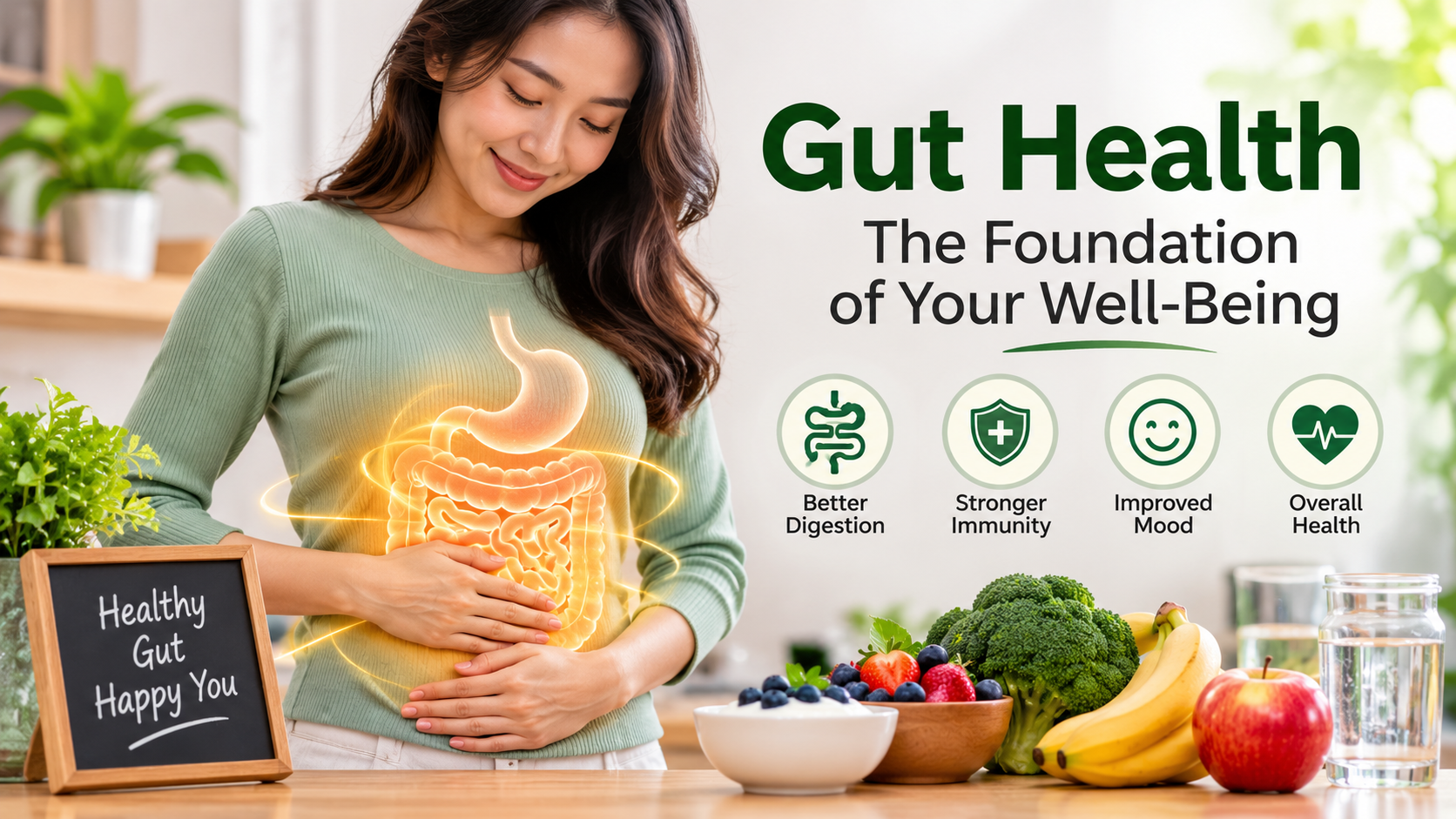
Gut health plays a crucial role in our overall well-being, influencing everything from digestion to mental wellness. Often overlooked, the gut is home to trillions of microorganisms that contribute to various bodily functions. These tiny inhabitants not only aid in food breakdown but also impact our immune system, emotional health, and even skin conditions. Understanding the importance of maintaining a healthy gut can lead to better lifestyle choices and improved health outcomes.
Research shows a strong link between gut health and mental well-being, revealing that gut microbiota can affect our mood and cognitive functions through the gut-brain axis. Furthermore, a balanced gut microbiome helps fend off chronic diseases and supports immune responses. In this exploration, we will delve into the significance of gut health, the foods that promote it, and the common issues that arise when things go awry.
Foods That Promote a Healthy Gut
Maintaining a healthy gut is essential for overall well-being, as it plays a crucial role in digestion, nutrient absorption, and immune function. The foods we consume can significantly influence our gut microbiota, promoting a balanced environment that supports our health. This section will explore various foods that enhance gut health, their benefits, and the role of probiotics and prebiotics.
Types of Foods That Enhance Gut Health
Incorporating a variety of gut-friendly foods into your diet can provide numerous benefits. Here’s a look at five types of foods that promote gut health:
- Fermented Foods: Foods like yogurt, kefir, kimchi, and sauerkraut are rich in probiotics, which are live bacteria that can benefit gut health. They help restore the balance of beneficial bacteria in the digestive system, thereby improving digestion and boosting immunity.
- High-Fiber Foods: Foods such as whole grains, legumes, fruits, and vegetables provide dietary fiber that acts as a prebiotic. This means they feed the beneficial bacteria in the gut, promoting their growth and activity, which is essential for a healthy gut microbiome.
- Bone Broth: Rich in collagen and amino acids, bone broth can help heal the gut lining and reduce inflammation. The gelatin in bone broth has been shown to support the digestive tract and improve gut health.
- Olive Oil: Extra virgin olive oil is packed with antioxidants and healthy fats. Its anti-inflammatory properties can help maintain a healthy gut environment and enhance the absorption of nutrients.
- Fruits and Vegetables: Especially those that are rich in antioxidants, such as berries, leafy greens, and cruciferous vegetables, can help reduce inflammation and promote a healthy gut. They also provide essential vitamins and minerals that support overall health.
Role of Probiotics and Prebiotics in Gut Health
Probiotics and prebiotics are two vital components in maintaining gut health. Probiotics are live microorganisms that provide health benefits when consumed in adequate amounts, while prebiotics are non-digestible food components that promote the growth of beneficial bacteria in the gut.
Probiotic-rich foods include:
- Yogurt: A well-known source of probiotics, beneficial for digestion and immune function.
- Kefir: A fermented milk drink that contains a diverse array of probiotics.
- Kimchi: A Korean dish made from fermented vegetables, rich in probiotics and vitamins.
- Miso: A fermented soybean paste that can enhance gut microbiota.
- Tempeh: A fermented soybean product that is high in protein and probiotics.
Prebiotic foods include:
- Garlic: Contains fructooligosaccharides (FOS) that promote beneficial bacteria growth.
- Onions: Rich in prebiotics that support gut health.
- Asparagus: Contains inulin, a type of prebiotic fiber.
- Bananas: Provide a source of dietary fiber and prebiotics.
- Chicory Root: A potent source of inulin, supporting beneficial gut bacteria.
Comparison of Fermented Foods and Their Gut Health Benefits
To better understand the benefits of various fermented foods, the following table summarizes their gut health advantages:
| Fermented Food | Probiotic Content | Health Benefits |
|---|---|---|
| Yogurt | Yes | Improves digestion, supports immunity, and may lower lactose intolerance symptoms. |
| Kefir | Yes | Contains multiple strains of probiotics, enhances gut microbiota diversity. |
| Kimchi | Yes | Rich in vitamins and antioxidants, promotes digestive health. |
| Sauerkraut | Yes | High in fiber and vitamins, aids in digestion, may improve immune response. |
| Miso | Yes | Supports gut health, rich in antioxidants, may reduce inflammation. |
“Incorporating these foods into your diet can lead to a more balanced gut microbiome and improved digestion.”
The Role of Gut Microbiota in Health
Gut microbiota refers to the trillions of microorganisms, including bacteria, viruses, fungi, and other microbes, that reside in our gastrointestinal tract. These microorganisms play a crucial role in our overall health and well-being, influencing digestion, metabolism, immune function, and even mental health. The balance and diversity of gut microbiota are essential for maintaining health, as disruptions in this delicate ecosystem can lead to various health issues, including obesity, diabetes, inflammatory bowel diseases, and even depression.
The composition of gut microbiota is not static; it is influenced by a variety of factors, particularly diet, lifestyle, and the environment. Diet is one of the most significant determinants, as the types of foods we consume can promote the growth of beneficial microbes or harmful ones. A diet rich in fiber, for instance, can foster the growth of beneficial bacteria that produce short-chain fatty acids, which are vital for gut health. On the other hand, a diet high in processed foods and sugars can lead to dysbiosis, an imbalance of gut microbes.
Influence of Diet, Lifestyle, and Environment
Dietary habits have a profound impact on the composition and diversity of gut microbiota. Here are some key aspects to consider:
- Fiber Consumption: High-fiber foods like fruits, vegetables, and whole grains support beneficial bacteria, which in turn can enhance gut health.
- Fermented Foods: Foods such as yogurt, kimchi, and kefir introduce beneficial probiotics that can positively influence gut microbiota.
- Processed Foods: Diets rich in sugars and unhealthy fats can reduce microbial diversity, leading to health issues.
Lifestyle factors, including physical activity and stress levels, also shape gut microbiota. Regular exercise promotes microbial diversity, while chronic stress can lead to dysbiosis. Environmental factors such as exposure to antibiotics and pollutants can significantly impact gut health as well. The use of antibiotics can wipe out beneficial bacteria, leading to imbalances that may take time to recover from.
Analysis of Gut Microbiota
Methods for analyzing gut microbiota have advanced significantly, providing insights into microbial community structures and functions. Techniques like 16S rRNA sequencing allow researchers to identify and quantify the different species of bacteria present in a sample. This analysis aids in understanding how changes in microbiota are linked to various health conditions.
The implications of these analyses can be profound. For example, identifying specific bacterial profiles associated with diseases can lead to targeted dietary or probiotic interventions. Additionally, research shows that personalized approaches based on individual microbiota compositions could enhance the efficacy of treatments for metabolic disorders and autoimmune diseases. By understanding the unique gut microbiota of individuals, healthcare providers can tailor recommendations to optimize health outcomes.
The gut microbiota is a key player in maintaining health, with significant implications on digestion, immunity, and even mental well-being.
Common Gut Health Issues and Their Solutions
Maintaining a healthy gut is essential for overall well-being, yet many people experience various gut health issues that can lead to discomfort and other health complications. Understanding these common problems and their solutions can pave the way for a healthier digestive system.
Several prevalent gut health issues can impact daily life, leading to symptoms such as bloating, discomfort, and irregular bowel movements. Below are three common gut health issues along with their symptoms and potential solutions.
Gastroesophageal Reflux Disease (GERD)
GERD is a chronic condition where stomach acid flows back into the esophagus, causing symptoms like heartburn, regurgitation, and difficulty swallowing. This condition can significantly disrupt daily activities and quality of life.
To mitigate GERD symptoms, individuals can adopt several lifestyle changes:
– Eat smaller, more frequent meals instead of large meals.
– Avoid trigger foods such as spicy dishes, caffeine, and citrus fruits.
– Maintain a healthy weight, as excess weight can increase abdominal pressure.
– Elevate the head of the bed to prevent nighttime reflux.
Irritable Bowel Syndrome (IBS)
IBS is a gastrointestinal disorder characterized by symptoms such as abdominal pain, bloating, gas, and altered bowel habits. These symptoms can vary from person to person and may significantly affect one’s lifestyle.
Solutions to manage IBS symptoms include:
– Keeping a food diary to identify and eliminate trigger foods.
– Incorporating regular physical activity to help regulate digestion.
– Practicing stress management techniques such as yoga or meditation.
– Considering a low FODMAP diet, which reduces certain carbohydrates that can ferment and cause gas.
Constipation
Constipation is a common digestive issue where individuals experience infrequent bowel movements, often accompanied by hard stools and discomfort. This condition can result from various factors, including diet, dehydration, and inactivity.
To alleviate constipation, the following lifestyle adjustments can be beneficial:
– Increase fiber intake through fruits, vegetables, and whole grains.
– Drink plenty of water to stay hydrated and support digestive function.
– Engage in regular exercise to promote bowel movements.
– Establish a regular bathroom routine to encourage daily bowel habits.
It’s important to address digestive discomfort effectively. Below is a list of natural remedies that may help alleviate symptoms:
- Ginger tea can soothe digestive issues and reduce nausea.
- Probiotics, found in yogurt and fermented foods, promote gut health.
- Peppermint oil may relieve bloating and cramping.
- Chamomile tea acts as an anti-inflammatory and can ease stomach discomfort.
- Fiber supplements, such as psyllium husk, can help regulate bowel movements.
Incorporating these approaches into daily life can greatly improve gut health and overall digestive comfort.
The Impact of Stress on Gut Health
Stress is a natural response to challenging situations, but when it becomes chronic, it can wreak havoc on the body, particularly the gut. The relationship between stress and gut health is a crucial aspect of overall wellness, as it involves complex physiological processes that can influence digestion, immunity, and even mood. Understanding this connection can empower individuals to take proactive steps in managing their stress levels for better gut health.
When the body experiences stress, it activates the “fight or flight” response, leading to the release of stress hormones such as cortisol and adrenaline. These hormones can disrupt the normal functioning of the gastrointestinal tract. For instance, stress can alter gut motility, leading to conditions like irritable bowel syndrome (IBS), and can even affect the balance of gut microbiota, promoting dysbiosis, which is an imbalance in the microbial communities. Furthermore, stress can increase intestinal permeability, often referred to as “leaky gut,” allowing toxins and bacteria to enter the bloodstream, which can trigger inflammation and various health issues.
Strategies for Managing Stress for Better Gut Health
Managing stress effectively is essential for maintaining a healthy gut. Several strategies can be implemented to help reduce stress levels and promote gut health:
Mindfulness practices and relaxation techniques can greatly reduce stress and enhance gut health. These practices encourage individuals to focus on the present moment and can help mitigate the physiological effects of stress. Incorporating activities such as yoga, meditation, or deep breathing exercises can provide significant benefits.
Regular physical exercise is another powerful tool in managing stress. Exercise releases endorphins, which are natural mood lifters, and can improve gut motility and overall digestive health. Engaging in at least 30 minutes of moderate exercise most days of the week can be beneficial.
Here are some effective strategies to manage stress:
- Mindfulness meditation: This practice can alter brain function and decrease stress levels, improving gut health.
- Regular exercise: Activities such as running, swimming, or cycling can help alleviate stress and enhance gastrointestinal function.
- Healthy diet: Consuming a balanced diet rich in whole foods can support gut microbiota and provide the necessary nutrients to combat stress.
- Social support: Maintaining strong social connections and talking to friends or family can reduce feelings of stress.
- Sufficient sleep: Quality sleep is essential for recovery and stress management; aim for 7-9 hours each night.
Scientific Studies Highlighting the Gut-Brain Connection
Research has increasingly focused on the gut-brain axis, illustrating how stress can impact gut health through various pathways. Studies have shown that psychological stress can lead to changes in gut microbiota composition. For example, a study published in the journal *Psychosomatic Medicine* found that individuals experiencing high levels of stress had a significantly different microbial profile compared to those with lower stress levels.
Another study demonstrated that stress-induced changes in gut permeability can lead to systemic inflammation, exacerbating conditions such as IBS and inflammatory bowel disease (IBD). It was observed that when stress was managed effectively, the symptoms of these conditions improved, further emphasizing the importance of mental well-being in gut health.
“Chronic stress can lead to alterations in gut microbiota and increased intestinal permeability, highlighting the interconnectedness of mental and gut health.”
The Link Between Gut Health and Skin Conditions
The relationship between gut health and skin conditions has garnered significant attention in recent years. Research indicates that the state of our gut microbiome can profoundly influence various skin issues, including acne and eczema. The gut-skin axis suggests that an imbalance in gut bacteria can lead to systemic inflammation and skin flare-ups, demonstrating the importance of maintaining a healthy gut for optimal skin health.
Skin conditions such as acne and eczema are often exacerbated by underlying gut health issues. For instance, acne has been linked to inflammation, which can be triggered by an unhealthy gut. Similarly, eczema is considered an inflammatory skin condition that may be affected by the gut microbiome, leading to increased skin sensitivity and flare-ups. By understanding this connection, individuals can take proactive steps to improve their skin by focusing on gut health.
Dietary Changes to Boost Skin Health
Making specific dietary changes can significantly improve skin health by promoting a balanced gut microbiome. Incorporating certain foods can help restore gut flora, reduce inflammation, and thus benefit skin conditions. Here are some dietary adjustments that can enhance gut and skin health:
- Probiotic-rich foods: Incorporating yogurt, kefir, sauerkraut, and kimchi can introduce beneficial bacteria to the gut, aiding digestion and reducing skin issues.
- Prebiotics: Foods like garlic, onions, bananas, and asparagus can feed the good bacteria in the gut, promoting a healthy balance.
- Omega-3 fatty acids: Found in fatty fish, flaxseeds, and walnuts, omega-3s have anti-inflammatory properties that can help alleviate skin conditions like acne and eczema.
- Antioxidant-rich fruits and vegetables: Berries, spinach, and carrots can help combat oxidative stress and inflammation, potentially improving skin health.
- Hydration: Drinking sufficient water supports overall bodily functions, including skin health, by keeping the skin hydrated and reducing dryness or irritation.
Understanding these dietary changes can empower individuals to take control of their skin conditions through better gut health.
Comparison of Skin Conditions Associated with Gut Health Issues
The following table Artikels various skin conditions that can be influenced by gut health, highlighting the symptoms and possible gut-related causes:
| Skin Condition | Symptoms | Potential Gut Health Issues |
|---|---|---|
| Acne | Pimples, cysts, oily skin | Inflammation, dysbiosis |
| Eczema | Itchy, inflamed skin, redness | Leaky gut syndrome, food sensitivities |
| Psoriasis | Red patches, silver scales on skin | Chronic inflammation, gut permeability issues |
| Rosacea | Facial redness, visible blood vessels | Imbalanced gut flora, inflammatory responses |
| Hives | Raised, itchy welts on skin | Food intolerances, gut inflammation |
Maintaining gut health is crucial not only for digestion but also for sustaining healthy skin. The interrelation between the gut and skin underscores the need for a comprehensive approach to skincare that includes dietary considerations.
Supplements for Gut Health Enhancement
Supplements can play a significant role in supporting and enhancing gut health. With an increasing focus on the gut microbiome and its impact on overall health, various supplements have emerged to help improve gut function, support digestion, and promote a balanced microbiome. Understanding the effectiveness and potential side effects of these supplements is essential for making informed choices.
Popular Supplements for Gut Health
Several supplements have gained popularity for their potential benefits in promoting gut health. These include probiotics, prebiotics, digestive enzymes, and fiber supplements. Each of these supplements offers unique properties that can contribute to a healthier gut.
- Probiotics: These live bacteria are often referred to as “good” bacteria. They can help restore the natural balance of gut flora, particularly after antibiotic use. Effective strains include Lactobacillus and Bifidobacterium.
- Prebiotics: Non-digestible fibers that feed the beneficial bacteria in the gut. Common sources include inulin and fructooligosaccharides (FOS), promoting the growth of healthy gut bacteria.
- Digestive Enzymes: These supplements help break down food into simpler molecules, enhancing nutrient absorption. They can be beneficial for those with digestive disorders or enzyme deficiencies.
- Fiber Supplements: Soluble and insoluble fibers support digestive health by promoting regular bowel movements and preventing constipation. Psyllium husk is a popular choice for fiber supplementation.
Potential Side Effects of Gut Health Supplements
While many supplements are generally safe, they can have side effects or adverse reactions, especially if taken improperly. It’s crucial to be aware of these potential issues before starting any new supplement regimen.
- Probiotics: Some individuals may experience gas, bloating, or digestive discomfort when first taking probiotics. It’s advisable to start with a lower dose and gradually increase to allow the body to adjust.
- Prebiotics: Excessive intake can lead to gastrointestinal distress, including bloating and gas. A gradual increase in dosage can help mitigate these effects.
- Digestive Enzymes: Overuse might lead to diarrhea or gastrointestinal discomfort. Consulting a healthcare provider for the appropriate dosage is recommended.
- Fiber Supplements: Sudden increases in fiber intake can cause bloating and abdominal discomfort. It’s important to also increase water intake to help with fiber digestion.
Choosing Quality Supplements for Specific Health Needs
Selecting the right supplement for gut health requires careful consideration of individual health needs and the quality of the product. Here are key factors to keep in mind:
- Ingredient Transparency: Look for supplements that clearly list all ingredients and their sources. High-quality products usually contain a combination of well-researched strains and are free from unnecessary additives.
- CFU Count: For probiotics, check the colony-forming units (CFUs) to ensure sufficient amounts of live bacteria are present. Most effective products contain at least 1 billion CFUs.
- Third-Party Testing: Choose supplements that have undergone independent testing for potency and purity. Certifications from organizations like NSF or USP can indicate quality assurance.
- Specific Strain Research: Different strains of probiotics serve different functions. Research what specific strains are beneficial for your individual health concerns, such as IBS or antibiotic recovery.
Understanding the Importance of Gut Health
Gut health is a crucial component of overall well-being, influencing various bodily functions and systems. The gut, often referred to as the “second brain,” comprises trillions of microorganisms that play a vital role in digestion, metabolism, and even mental health. A balanced gut microbiome contributes to nutrient absorption and helps maintain a robust immune system, underscoring its importance in our daily lives.
The connection between gut health and mental health is profound and backed by scientific research. The gut and brain communicate through the gut-brain axis, a complex network involving neural, hormonal, and immunological signals. Microorganisms in the gut produce neurotransmitters, such as serotonin, which is known to regulate mood. Approximately 90% of serotonin is produced in the gut, indicating how gut health can directly impact emotional well-being. An imbalance in gut flora can lead to increased inflammation, which has been linked to mood disorders, anxiety, and depression. For example, studies have shown that individuals with irritable bowel syndrome (IBS) often report higher rates of anxiety and depression, further illustrating this intricate relationship.
Impact of Gut Health on the Immune System and Chronic Diseases
Maintaining a healthy gut is essential for bolstering the immune system. A well-functioning gut microbiome helps the body distinguish between harmful pathogens and beneficial microorganisms. This balance fosters a strong line of defense against infections and diseases. Furthermore, gut health is closely linked to chronic diseases such as obesity, diabetes, and cardiovascular conditions.
Research indicates that an unhealthy gut may contribute to chronic low-grade inflammation, a significant factor in the development of various chronic illnesses. A diet high in processed foods and low in fiber can diminish microbial diversity, leading to impaired immune responses and increased susceptibility to inflammation. The following points highlight the key relationships between gut health and the immune system:
- Healthy gut flora produces short-chain fatty acids (SCFAs) that promote immune cell function and anti-inflammatory responses.
- A diverse microbiome helps regulate the production of antibodies, enhancing the body’s ability to fight off infections.
- Gut health impacts the body’s inflammatory response, with imbalanced gut bacteria potentially exacerbating chronic inflammation.
In summary, gut health is integral to overall health, influencing not only physical aspects but also mental and emotional well-being. The interconnectedness of the gut, brain, and immune system highlights the importance of nurturing and maintaining a healthy gut microbiome for a longer, healthier life.
Understanding the Importance of Gut Health
Gut health is a crucial aspect of our overall well-being, often referred to as the “second brain” due to its profound impact on various bodily functions. The gut houses trillions of microbes, known collectively as the gut microbiome, which play a significant role in digestion, metabolism, and even the regulation of immune responses. A balanced gut microbiome ensures that nutrients are efficiently absorbed and that harmful bacteria are kept in check. Moreover, an imbalance can lead to digestive issues, inflammation, and a host of chronic diseases, underscoring the importance of maintaining gut health for a vibrant life.
The connection between gut health and mental health is particularly fascinating, reflecting the intricate partnership between the gut and the brain, often referred to as the gut-brain axis. This bi-directional communication pathway involves various mechanisms, including the vagus nerve, hormones, and neurotransmitters. For instance, around 90% of serotonin, a key neurotransmitter that stabilizes mood, is produced in the gut. An unhealthy gut can result in lower serotonin levels, potentially leading to anxiety and depression. Furthermore, inflammation from an imbalanced microbiome can influence brain health, creating a vicious cycle of poor mental health and gut dysfunction.
Impact of Gut Health on the Immune System and Chronic Diseases
Gut health plays a pivotal role in supporting the immune system, which is vital for defending the body against pathogens. A significant portion of the immune system is housed in the gut, where the microbiome helps educate immune cells and modulate their responses. A diverse and balanced gut microbiome can enhance the immune response, while dysbiosis, or microbial imbalance, has been linked to increased susceptibility to infections and chronic diseases.
Chronic diseases such as obesity, diabetes, and cardiovascular conditions are increasingly recognized as being influenced by gut health. For instance, research indicates that certain gut bacteria can impact metabolic processes, potentially leading to insulin resistance and weight gain. Additionally, inflammatory bowel diseases (IBD) like Crohn’s disease and ulcerative colitis are directly linked to gut health, highlighting the urgency of maintaining gut integrity.
In summary, the relationship between gut health, mental health, immune function, and chronic disease illustrates the multifaceted importance of maintaining a healthy gut. A diet rich in fiber, probiotics, and prebiotics, along with a healthy lifestyle, can contribute significantly to gut health, setting the foundation for overall wellness.
Final Wrap-Up
In conclusion, prioritizing gut health is essential for a vibrant and fulfilling life. By understanding how our gut influences various aspects of health, we can make informed dietary and lifestyle choices. Embracing foods that nourish our microbiome, managing stress effectively, and addressing common gut issues can lead to significant improvements in our overall health and well-being. Remember, a happy gut often leads to a happier you!
FAQ Guide
What are the signs of an unhealthy gut?
Signs may include bloating, gas, diarrhea, constipation, food intolerances, and fatigue.
How long does it take to improve gut health?
Improvements can often be noticed within a few weeks with dietary changes, but complete healing may take longer depending on the individual.
Can stress really affect my gut health?
Yes, stress can disrupt the balance of gut bacteria, leading to digestive issues and other health problems.
Are all probiotics the same?
No, different probiotics have various strains that can target specific health issues, so it’s important to choose one suited to your needs.
Is it possible to test my gut health?
Yes, there are various tests available, including stool tests that analyze gut microbiota and can provide insights into gut health.