








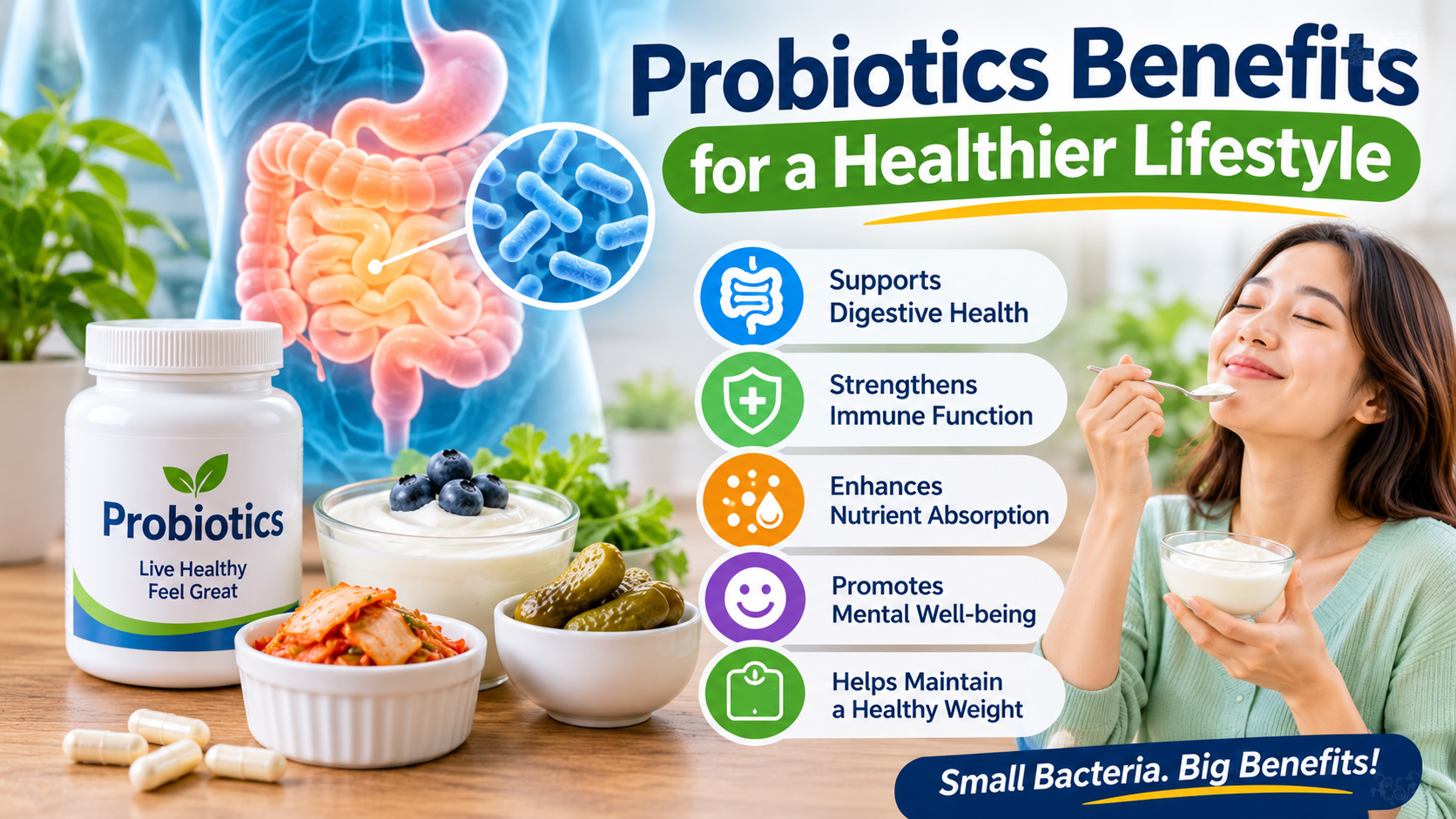
Probiotics benefits are increasingly becoming a hot topic in the health and wellness community, drawing attention to the significant roles these friendly bacteria play in our bodies. As we dive into the fascinating world of probiotics, we discover their multifaceted impact on our gut health, immune system, and even our mental well-being. It’s remarkable how these tiny organisms can help maintain balance within our microbiomes, support our defenses against illness, and guide us toward a happier state of mind.
From understanding how probiotics function to exploring their rich dietary sources, we’ll uncover the science behind their benefits, including their potential to aid in weight management and support various populations like infants and seniors. Plus, we’ll address important considerations and future research directions, ensuring a well-rounded perspective on these powerful proponents of health.
Understanding the Role of Probiotics in Gut Health
Probiotics play a vital role in maintaining a balanced gut microbiome, which is crucial for overall health and well-being. These beneficial microorganisms, often referred to as “good bacteria,” help to ensure that our digestive system functions optimally. The balance of microbes in the gut can significantly influence digestion, immunity, and even mental health.
Probiotics contribute to gut health through several mechanisms. Firstly, they help to restore and maintain a healthy balance of gut flora that can be disrupted by factors such as poor diet, stress, and antibiotic use. By increasing the population of beneficial bacteria, probiotics can inhibit the growth of harmful bacteria and pathogens. Additionally, probiotics produce short-chain fatty acids (SCFAs) during fermentation, which serve as an energy source for colon cells and promote a healthy intestinal barrier. This barrier prevents harmful substances from entering the bloodstream while allowing nutrients to be absorbed effectively.
Common Probiotic Strains and Their Benefits
Understanding the specific strains of probiotics and their unique effects on gut health can help in selecting the appropriate supplements or dietary sources. Here are some common strains and their notable benefits:
- Lactobacillus acidophilus: This strain is known for its ability to alleviate lactose intolerance symptoms and support the digestive process by converting lactose into lactic acid.
- Bifidobacterium bifidum: Often found in the intestines, this strain helps to break down dietary fiber and supports the immune system by inhibiting harmful bacteria.
- Lactobacillus rhamnosus: Famous for its effectiveness in preventing and treating diarrhea, this strain also plays a role in enhancing gut barrier function and modulating immune responses.
- Streptococcus thermophilus: This strain aids in lactose digestion and helps produce lactic acid, which contributes to the acidic environment necessary for inhibiting pathogenic bacteria.
Incorporating these probiotic strains into your diet can be accomplished through fermented foods such as yogurt, kefir, sauerkraut, and kimchi. These not only provide a source of beneficial bacteria but also enhance overall digestive health.
“Probiotics are essential for maintaining a balanced gut microbiome and supporting various aspects of health.”
The Impact of Probiotics on Immune Function
Probiotics, often referred to as “good bacteria,” play a significant role in maintaining a well-functioning immune system. The human gut houses a vast array of microorganisms, and a balanced microbiome is essential for health. When the balance is disrupted, it can lead to a weakened immune response, making the body more susceptible to infections and diseases. Research indicates that probiotics can help in modulating immune responses and enhancing the body’s defenses.
Recent studies have provided compelling evidence of the immune-boosting effects of probiotics. For instance, a systematic review published in the journal *Frontiers in Microbiology* highlighted that various probiotic strains can significantly reduce the incidence and duration of respiratory tract infections in children and adults. This demonstrates how specific probiotics not only support gut health but also enhance systemic immunity. Furthermore, a randomized controlled trial published in *Clinical Nutrition* showed that adults who consumed probiotics experienced fewer upper respiratory infections compared to those who did not. These findings underscore the potential of probiotics in supporting immune health, especially during seasons when infections are more prevalent.
Probiotic Strains and Immune Responses
Different probiotic strains exhibit unique immune-enhancing properties, contributing to their efficacy in bolstering immune function. Understanding these differences is crucial for selecting the right probiotic for specific health needs. Some notable strains include:
- Lactobacillus rhamnosus: This strain has been shown to enhance the production of immunoglobulin A (IgA), an antibody critical for mucosal immunity, thereby providing a frontline defense against pathogens.
- Bifidobacterium lactis: Research indicates that this strain can stimulate the activity of immune cells, such as macrophages and T-cells, which play vital roles in the body’s immune response.
- Lactobacillus casei: This strain may help increase the levels of cytokines, which are signaling molecules that modulate immune responses, thus promoting a more dynamic and effective immune reaction.
In essence, different strains of probiotics can enhance the immune system’s ability to respond to infections and diseases. By incorporating a variety of these beneficial microorganisms into the diet, individuals can support their immune health more effectively.
“Probiotics are a powerful ally in maintaining immune resilience and combating infections, enhancing the body’s natural defenses.”
Probiotics and Mental Health
Probiotics are often celebrated for their gut health benefits, but emerging research highlights their significant role in mental well-being as well. The connection between gut health and mental health is often referred to as the “gut-brain axis,” a complex communication network linking the gastrointestinal system with the brain. This interplay influences not only digestion but also mood and cognitive functions, suggesting that a healthy gut may contribute to better psychological health.
Studies indicate that the gut microbiome can affect the production of neurotransmitters, such as serotonin, which regulates mood. An imbalance in gut bacteria can lead to inflammation and potentially exacerbate mental health disorders. For instance, individuals with anxiety and depression often display altered gut microbiota, supporting the notion that maintaining a balanced gut can help alleviate these conditions.
Scientific Evidence for Probiotics in Mental Health
Research has demonstrated promising results regarding the efficacy of probiotics in supporting mental health. A number of clinical trials have shown that certain strains of probiotics may help reduce symptoms of anxiety and depression. One meta-analysis pointed out that probiotics, such as Lactobacillus and Bifidobacterium strains, were effective in reducing depressive symptoms and enhancing overall mood.
Notably, a randomized controlled trial found that participants consuming a specific probiotic blend exhibited lower levels of anxiety compared to the placebo group, indicating a direct link between gut health and mental well-being. Furthermore, another study highlighted that probiotics could mitigate the effects of stress on the body, thereby lessening anxiety levels.
The following probiotics have been studied for their potential mental health benefits:
- Lactobacillus rhamnosus: Known for its stress-reducing effects and ability to enhance mood.
- Bifidobacterium longum: Associated with improved cognitive function and decreased depressive symptoms.
- Lactobacillus helveticus: Shown to reduce anxiety and improve quality of life in various studies.
- Probiotic blends: Combinations of multiple strains have also been tested, yielding positive outcomes on mood and anxiety levels.
The growing body of evidence suggests that incorporating probiotics into daily routines may play a beneficial role in maintaining mental health, emphasizing the importance of gut health in overall well-being.
Probiotics Benefits for Specific Populations
Probiotics offer a range of health benefits that can significantly vary based on specific demographics. Different groups, such as infants, seniors, and pregnant women, exhibit unique health challenges that probiotics can help address. Understanding these needs is essential for optimizing health outcomes and ensuring these populations can enjoy the full benefits of probiotics.
Infants
Infants have immature digestive systems, making them particularly susceptible to gastrointestinal issues. Probiotics can help establish a healthy gut microbiome early in life, which is crucial for their overall development and immune function. Specific strains, such as Lactobacillus rhamnosus and Bifidobacterium bifidum, have been shown to reduce the incidence of colic, diarrhea, and allergic conditions. Probiotic drops or powders designed for infants can conveniently be added to formula or breast milk, making it easier for parents to support their child’s digestive health.
Seniors
As people age, their gut microbiota composition changes, often leading to digestive problems such as constipation, bloating, and decreased nutrient absorption. Probiotics can aid in restoring a balanced gut flora, improving digestive health, and enhancing immune response among seniors. Strains like Lactobacillus plantarum have shown promise in alleviating constipation and improving the overall gut environment in older adults. Probiotic yogurt or capsules specifically formulated for seniors can be effective options for maintaining gut health in this demographic.
Pregnant Women
Pregnant women experience various hormonal changes that can impact gut health. Probiotics can help manage common issues such as nausea, constipation, and gestational diabetes, while also contributing to fetal development. Strains like Bifidobacterium lactis and Lactobacillus reuteri are particularly beneficial during pregnancy. Women may opt for probiotic supplements designed for pregnancy or incorporate probiotic-rich foods like yogurt into their diets to support both their health and that of their developing baby.
Probiotics can serve as a vital tool for enhancing digestive health and immune function across various life stages.
The Role of Probiotics in Weight Management
Probiotics have gained popularity not just for their digestive health benefits but also for their potential role in weight management. Research suggests that certain strains of probiotics could significantly influence body weight and fat distribution, making them a valuable tool in the pursuit of weight loss or maintenance. This connection lies in the complex interactions between gut microbiota, metabolism, and overall health.
Several studies have demonstrated that probiotics can impact weight through various mechanisms. One primary way is by altering fat metabolism. Certain strains, such as Lactobacillus gasseri, have been shown to reduce abdominal fat and body weight. In a notable study, participants taking this strain lost about 8.5% of their body weight over a 12-week period, highlighting the potential for specific probiotics to aid in fat loss. These probiotics appear to enhance the body’s ability to metabolize fats more efficiently, converting them into energy rather than storing them.
Influence on Appetite Regulation
Understanding how probiotics can influence appetite is equally important in weight management. Some research indicates that specific probiotic strains can help regulate hormones associated with hunger and satiety. These strains may increase the production of hormones like peptide YY and GLP-1, which signal fullness to the brain, thus reducing overall calorie intake.
A significant aspect of this phenomenon is the relationship between gut health and appetite. A healthy gut microbiome can lead to improved digestion and nutrient absorption, which may help to stabilize energy levels and prevent unnecessary snacking. For example, individuals who incorporated probiotics into their daily routine reported feeling fuller for longer periods, leading to a natural decrease in calorie consumption.
“Probiotics can provide a holistic approach to weight management by addressing both fat metabolism and appetite regulation.”
Several testimonials highlight the effectiveness of probiotics in personal weight management journeys. One individual shared their experience with a probiotic blend that resulted in a steady weight loss over several months, alongside a more balanced diet and exercise. They reported that the probiotic helped curb cravings, making it easier to stick to their nutritional goals. Another case involved a group of women who saw a marked improvement in weight maintenance after introducing probiotics into their regimen, attributing their success to enhanced gut health and reduced appetite.
These insights showcase the multifaceted role probiotics can play in weight management, revealing their potential as a supportive element in achieving sustainable weight goals.
Probiotics in Fermented Foods
Fermented foods are not only a culinary delight but also a powerhouse of health benefits due to their rich probiotic content. These foods are created through the fermentation process, which involves the breakdown of sugars by bacteria and yeast, leading to the production of beneficial microbes. Incorporating fermented foods into your diet can greatly enhance your gut health, boost your immune system, and even improve your mood. Embracing these delicious options is a straightforward way to nourish your body while enjoying unique flavors and textures.
The primary benefit of consuming fermented foods rich in probiotics is their ability to support gut health. Probiotics help maintain the delicate balance of good and bad bacteria in the digestive system, which is vital for optimal digestion and nutrient absorption. The presence of these beneficial bacteria can alleviate common digestive issues, such as bloating, constipation, and diarrhea. Furthermore, research suggests that probiotics may enhance the immune response, making the body more resilient against infections and diseases. Regular consumption of fermented foods may also contribute to mental well-being, as there is a growing link between gut health and mood regulation.
Popular Fermented Foods and Their Probiotic Content
Incorporating a variety of fermented foods into your diet can maximize the benefits of probiotics. Here are some popular options you might consider:
- Yogurt: A well-known source of probiotics, especially Lactobacillus and Bifidobacterium strains. Provides calcium and protein.
- Kefir: Fermented milk drink rich in a diverse range of probiotics. More potent than yogurt, it also contains beneficial yeasts.
- Sauerkraut: Fermented cabbage that offers high levels of Lactobacillus and vitamin C. A tasty addition to salads and sandwiches.
- Kombucha: A fizzy tea drink packed with various probiotics and antioxidants. It’s refreshing and can be found in many flavors.
- Miso: Fermented soybean paste used in soups and dressings, rich in probiotics and beneficial enzymes.
Incorporating these fermented foods into a balanced diet is essential for achieving optimal health. They not only provide probiotics but also contribute various nutrients, enhancing overall dietary quality. Including a range of these foods can introduce different strains of beneficial bacteria into your system, ensuring a well-rounded approach to gut health. Emphasizing the consumption of fermented foods as part of your regular meals can lead to lasting improvements in digestion, immune function, and overall wellness. As a delicious and nutritious option, they should hold a prominent place in your diet for sustained health benefits.
Potential Risks and Considerations of Probiotic Use
While probiotics are widely recognized for their numerous health benefits, it’s essential to be aware of the potential risks and considerations that accompany their use. Just as with any supplement or medication, probiotics can cause side effects and may not be suitable for everyone. Understanding these risks helps users make informed decisions regarding their probiotic intake.
Probiotics are generally considered safe for the majority of the population. However, they can lead to adverse effects in certain individuals. Common side effects may include digestive issues such as bloating, gas, and mild diarrhea, particularly during the initial days of supplementation. These symptoms often subside as the body adjusts to the introduction of new bacteria. However, in some cases, more severe reactions can occur, particularly in individuals with underlying health conditions.
Populations Requiring Caution
Certain groups should exercise caution or seek medical advice before incorporating probiotics into their diet. The following populations are particularly vulnerable:
| Population | Considerations |
|---|---|
| Immunocompromised Individuals | Those with weakened immune systems, such as patients undergoing chemotherapy or living with HIV/AIDS, may risk developing infections due to the introduction of live bacteria. |
| Patients with Short Bowel Syndrome | Individuals who have had part of their intestines removed may experience complications from probiotics, as they may struggle to handle additional bacteria. |
| Individuals with Severe Lactose Intolerance | Certain probiotics are derived from dairy, and those with severe lactose intolerance may experience adverse effects when taking these supplements. |
| Pregnant and Nursing Women | While some probiotics are safe to take during pregnancy, others may not be well-studied, so it’s crucial to consult a healthcare provider. |
“Consult a healthcare professional before starting probiotics, especially if you belong to a vulnerable population.”
Understanding the benefits and risks of probiotic supplementation ensures a well-rounded approach to enhancing gut health while minimizing potential adverse effects. By being informed, individuals can better navigate their health journey with probiotics.
Future Directions in Probiotic Research
The field of probiotics is rapidly evolving, and emerging areas of research are beginning to uncover the multifaceted nature of these beneficial microorganisms. As science advances, new insights are being gained into how probiotics interact with human health and the environment. This section explores the future directions in probiotic research, highlighting potential new applications and the technological advancements that may enhance our understanding of probiotics.
A significant area of research in probiotics is focused on personalized nutrition and medicine. The realization that individuals have unique microbiomes has led to the exploration of tailored probiotic interventions. By analyzing an individual’s gut microbiota composition, researchers can potentially prescribe specific probiotic strains that would be most beneficial for that person, strengthening their immune system, improving digestion, and reducing the risk of diseases.
Emerging Applications of Probiotics
The potential applications of probiotics are broadening as research progresses. These beneficial bacteria are being investigated for their role in various health conditions beyond gastrointestinal issues. The following areas are being explored:
- Mental Health: A connection between gut health and mental wellness is gaining attention. Probiotics may help in managing conditions like anxiety and depression by influencing the gut-brain axis.
- Skin Health: Probiotics are being tested for their ability to improve skin conditions such as eczema and acne, suggesting their role in dermatological treatments.
- Metabolic Health: Research indicates that probiotics could assist in weight management and metabolic disorders like obesity and type 2 diabetes by modulating insulin sensitivity and inflammation.
- Immune Modulation: Probiotics are claims to enhance vaccine efficacy, specifically in populations with compromised immune responses, providing potential benefits during epidemics.
Technological advancements are playing a crucial role in deepening our understanding of probiotics. High-throughput sequencing technologies allow for a comprehensive analysis of the gut microbiome, which can identify specific strains of probiotics and their effects on health. Furthermore, bioinformatics tools enable researchers to analyze massive datasets, leading to the discovery of novel probiotic strains and their mechanisms of action.
Additionally, the development of new delivery systems, such as microencapsulation, can enhance the stability and efficacy of probiotics, ensuring they reach the gut alive. This innovation could significantly improve the effectiveness of probiotics in clinical applications, paving the way for more widespread use in preventive and therapeutic health strategies.
End of Discussion
In summary, the benefits of probiotics extend far beyond mere digestive support. They play a crucial role in bolstering our immune functions, enhancing mental health, and promoting overall wellness across different demographics. As we continue to explore innovative uses and research avenues for probiotics, it becomes clear that integrating these beneficial bacteria into our everyday lives can pave the way for improved health outcomes and a better quality of life.
Key Questions Answered
What are probiotics?
Probiotics are live microorganisms, often referred to as “good” bacteria, that provide health benefits when consumed in adequate amounts.
How do probiotics work in the body?
Probiotics help maintain a healthy balance of gut bacteria, support digestion, and can enhance the immune system by inhibiting harmful bacteria.
Can I get enough probiotics from food alone?
Many people can obtain sufficient probiotics from fermented foods like yogurt, kefir, sauerkraut, and kimchi, but some may benefit from supplements.
Are there any side effects to taking probiotics?
While probiotics are generally safe, some individuals may experience mild side effects such as gas or bloating, especially when first starting.
How long does it take to see benefits from probiotics?
The time it takes to notice benefits can vary; some may feel improvements within a few days, while others might take several weeks.