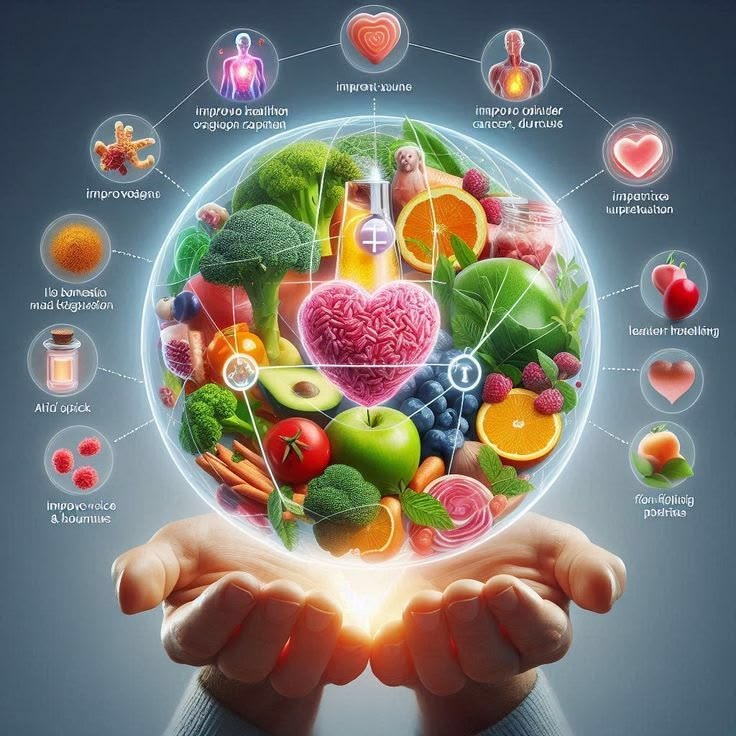








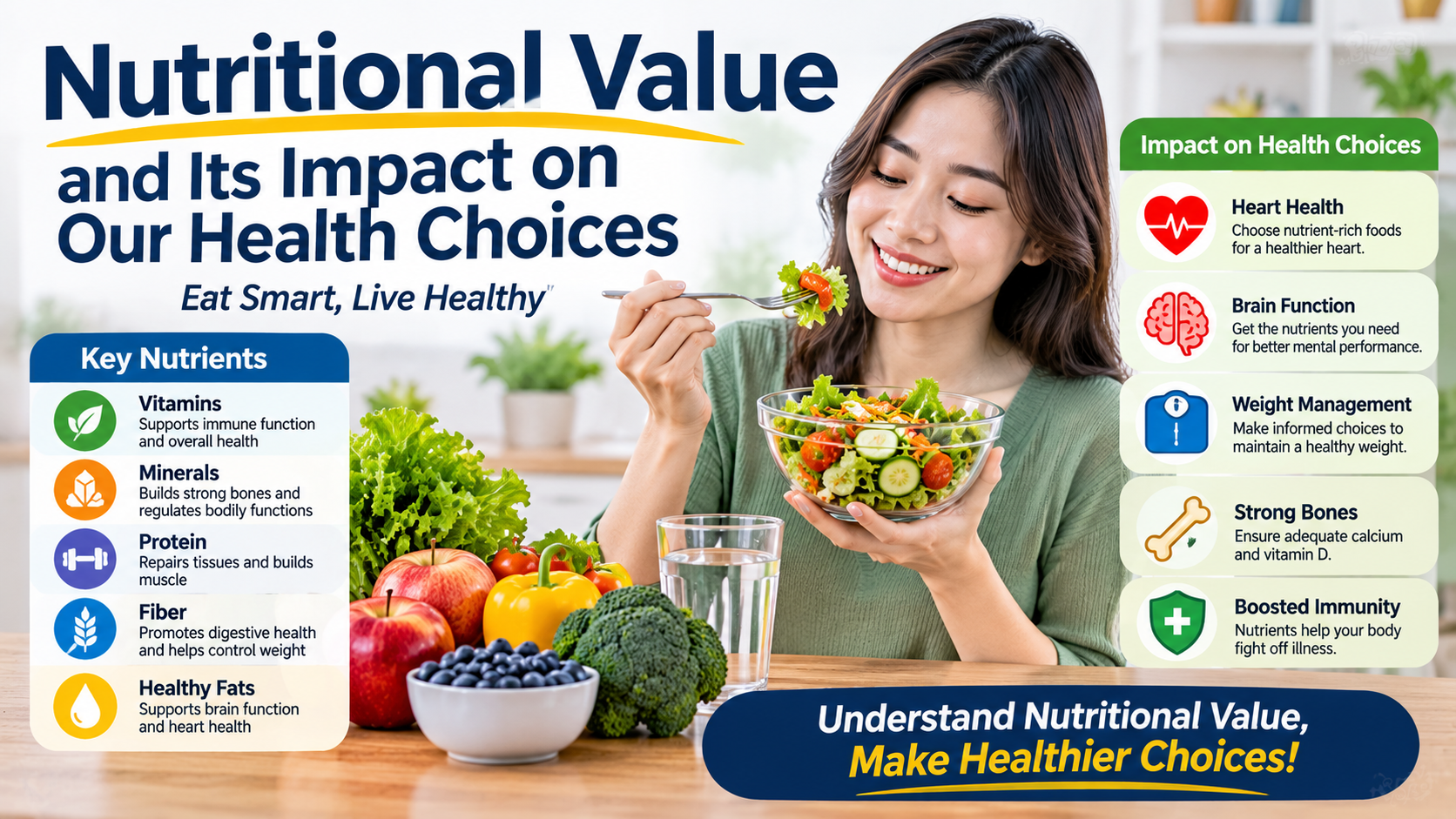
Nutritional value is more than just a number on a food label; it’s the backbone of our dietary choices and overall health. With increasing awareness about what we consume, understanding nutritional value can empower us to make informed decisions that enhance our well-being. This journey into nutritional value delves into its components, the choices it influences, and its role in our health.
By exploring the essential macronutrients and micronutrients that contribute to nutritional value, we can better grasp their significance in our diet planning. Moreover, we will discover how nutritional value shapes consumer behavior, especially through food labels and marketing tactics, ultimately affecting our health status and disease prevention strategies.
Understanding the Definition of Nutritional Value
Nutritional value is a crucial concept in understanding how the foods we consume contribute to our overall health and well-being. It encompasses the content of essential nutrients in a food item, which can significantly influence dietary choices and health outcomes. By assessing the nutritional value of foods, individuals can make informed decisions that promote balanced diets, catering to their specific health needs and lifestyle choices.
The components that contribute to nutritional value are primarily classified into two categories: macronutrients and micronutrients. Macronutrients include carbohydrates, proteins, and fats, which provide the body with energy and are necessary for growth and maintenance. In contrast, micronutrients, which consist of vitamins and minerals, play vital roles in biochemical processes and overall bodily function. The balance and proportion of these nutrients are essential, as they directly impact metabolic health, disease prevention, and overall vitality.
Components of Nutritional Value
Understanding the components of nutritional value allows for a more informed approach to diet planning. Each macronutrient and micronutrient carries specific functions and benefits that contribute to individual health status:
- Macronutrients: These are the nutrients required in larger amounts and include:
- Carbohydrates: They are the body’s primary source of energy and are found in foods like grains, fruits, and vegetables.
- Proteins: Essential for tissue repair and growth, proteins are abundant in meats, legumes, and dairy products.
- Fats: Necessary for hormone production and nutrient absorption, healthy fats can be sourced from avocados, nuts, and olive oil.
- Micronutrients: Though required in smaller quantities, these nutrients are vital for various bodily functions, including:
- Vitamins: Compounds like Vitamin C and the B vitamins assist in energy metabolism and immune function.
- Minerals: Elements such as iron and calcium are crucial for oxygen transport and bone health.
The nutritional value of food not only affects individual health status but also plays a significant role in preventing diseases and improving quality of life. A well-balanced diet rich in essential nutrients can reduce the risk of chronic diseases such as obesity, heart disease, diabetes, and certain cancers. For instance, a diet high in fruits and vegetables, which are rich in antioxidants and fiber, is linked to lower rates of cardiovascular diseases.
“Proper nutrition is a cornerstone of health and longevity, influencing everything from immune function to mood and vitality.”
Awareness of nutritional value is pivotal for making healthy dietary choices that suit personal health goals and needs. It empowers individuals to prioritize foods that align with their nutritional requirements, fostering a healthier lifestyle in the long run.
The Role of Nutritional Value in Food Choices
Consumers today are increasingly aware of the nutritional value of the food they choose to eat. This awareness significantly influences their decision-making processes when selecting food products. With growing health concerns such as obesity, diabetes, and heart disease, individuals are more inclined to scrutinize the nutritional content of food items. Thus, nutritional value serves not just as a metric of health, but as a critical factor that informs consumer preferences and purchasing decisions.
Nutritional value impacts consumer choices through the clarity and presentation of nutritional labels found on food packaging. These labels typically provide essential information including calories, fats, sugars, proteins, vitamins, and minerals. Shoppers often seek out products that align with their dietary goals, whether it be weight management, muscle building, or simply maintaining a balanced diet. For instance, a consumer may choose a low-calorie yogurt over a full-fat version based on the understanding that it fits better into their caloric intake for the day.
Nutritional Labels and Purchasing Behavior
The design and visibility of nutritional labels play a crucial role in influencing consumer behavior. Here are several key aspects that highlight their impact:
– Clear Information Presentation: Nutritional labels that are easy to read and understand can significantly sway consumer decisions. For example, using larger fonts for calorie counts or highlighting key nutrients can attract health-conscious consumers.
– Front-of-Package Labels: Many brands utilize front-of-package labels that summarize nutritional information at a glance. For instance, a “high in fiber” label can prompt shoppers to choose one cereal over another, as it suggests health benefits that resonate with their dietary choices.
– Health Claims: Terms like “organic,” “gluten-free,” or “low-fat” can position products favorably in the eyes of consumers. These claims align with current health trends and can often lead to increased sales, even if the overall nutritional value of the product is comparable to alternatives.
– Influence of Serving Sizes: Consumers may misinterpret serving sizes on labels, leading to misconceptions about the actual nutritional value of a product. For example, a snack food may appear low in calories per serving, but the consumer might not realize that the package contains multiple servings, resulting in higher caloric intake than expected.
“Understanding nutritional labels empowers consumers to make informed food choices that align with their health goals.”
Marketing and Perceived Nutritional Value
The marketing strategies employed by food companies significantly impact how consumers perceive nutritional value. Advertisements often emphasize the positive aspects of a product’s nutritional profile while downplaying negative attributes. For example, a beverage marketed as “low in sugar” may still contain high levels of artificial sweeteners, creating a misconception about its overall healthiness.
Food marketing can also exploit consumer emotions and trends, leading to misguided beliefs about certain foods. The trend of “superfoods” can lead buyers to believe that a specific food item, like acai or kale, can singularly improve health or well-being. This perception can overshadow the importance of a balanced diet, causing consumers to overlook other essential nutrients.
Moreover, social media and influencers play a substantial role in shaping dietary preferences, often promoting foods based on perceived health benefits rather than objective nutritional value. This influence can lead consumers to make choices based on trends rather than factual nutritional information, which may not always align with their health needs.
“Marketing shapes our understanding of nutrition, often creating misconceptions that can influence purchasing decisions.”
Comparing Nutritional Values Among Different Food Groups
Nutritional value varies significantly across different food groups, making it essential to understand these differences for better dietary choices. Each group contributes unique benefits and drawbacks, affecting overall health and wellness. This comparison will shed light on the nutritional profile of fruits, vegetables, grains, and proteins, as well as the impact of whole foods versus processed foods.
Nutritional Profiles of Food Groups
Fruits, vegetables, grains, and proteins each play vital roles in a balanced diet. Below is a breakdown of each group, outlining their key nutrients and health benefits.
- Fruits: Rich in vitamins, minerals, and antioxidants. They are generally low in calories and provide dietary fiber. Common examples include oranges (Vitamin C), bananas (potassium), and berries (antioxidants).
- Vegetables: High in vitamins (like A and K), minerals, and fiber. Vegetables such as spinach (iron), broccoli (calcium), and carrots (beta-carotene) support overall health and reduce disease risk.
- Grains: Whole grains such as brown rice and quinoa are excellent sources of carbohydrates, fiber, and B vitamins. They support energy levels and digestive health, while refined grains often lack these nutritional benefits.
- Proteins: Essential for muscle repair and growth. Foods like chicken, beans, and tofu provide amino acids necessary for bodily functions, with different sources offering varying levels of fat and fiber.
Nutritional Differences Between Whole Foods and Processed Foods
Understanding the contrast between whole foods and processed foods is crucial for making informed dietary choices. The table below illustrates key differences in nutritional values.
| Food Type | Whole Foods | Processed Foods |
|---|---|---|
| Example | Brown Rice | White Rice |
| Calories | 218 | 204 |
| Fiber | 3.5g | 0.6g |
| Vitamins | High in B vitamins | Lower in nutrients |
| Added Sugars | None | May contain added sugars |
The nutritional contributions of each food group also come with benefits and drawbacks:
- Fruits: Benefits include high fiber and antioxidants, while the drawbacks may involve higher sugar content.
- Vegetables: Extremely low in calories and high in nutrients, but some may be less palatable to certain individuals.
- Grains: Whole grains are nutritious and filling, whereas processed grains often lose beneficial nutrients.
- Proteins: Lean proteins promote muscle health; however, processed meats may contain unhealthy fats and preservatives.
“Whole foods generally retain their original nutrients, while processed foods can lead to health issues due to added sugars and unhealthy fats.”
The Importance of Nutritional Value in Special Diets
Nutritional value plays a critical role for individuals with specific dietary needs, including athletes and those managing chronic illnesses. Understanding and prioritizing nutritional content can significantly influence overall health, performance, and recovery. For these individuals, the right balance of nutrients not only supports daily functions but also enhances quality of life.
Individuals with special dietary needs must focus on assessing and balancing their nutritional intake to meet specific health goals. This often involves understanding macronutrients—proteins, fats, and carbohydrates—as well as micronutrients such as vitamins and minerals. Monitoring what we consume and making informed choices can lead to substantial health improvements. Here are some effective strategies for assessing nutritional value:
Strategies for Assessing Nutritional Value
Recognizing the importance of nutritional value enables individuals to make better dietary choices. Here are key strategies for evaluating and balancing nutritional intake:
- Read Food Labels: Familiarizing oneself with food labels helps in understanding the nutritional content of packaged foods, including serving sizes, calories, and nutrient breakdown.
- Use Food Tracking Apps: Various applications allow users to log meals and track their nutrient intake, making it easier to visualize dietary habits and adjust as necessary.
- Consult with a Nutritionist: Professionals can provide personalized advice based on individual health conditions, ensuring diets are tailored to meet specific nutritional needs.
- Incorporate Whole Foods: Prioritizing whole foods—such as fruits, vegetables, whole grains, and lean proteins—ensures a higher intake of essential nutrients compared to processed foods.
High nutritional value diets provide numerous health benefits. For instance, the Mediterranean diet, rich in fruits, vegetables, whole grains, and healthy fats, is linked to reduced risks of heart disease and improved cognitive function. Similarly, plant-based diets have been associated with lower rates of chronic illnesses like diabetes and hypertension.
“The right dietary choices can transform health and wellbeing, particularly for those with special dietary needs.”
Another example is the ketogenic diet, known for its focus on high-fat, low-carbohydrate intake. This diet has shown effectiveness in weight management and may also aid in improving symptoms for individuals with neurological disorders.
In summary, understanding and prioritizing nutritional value is essential for improving health outcomes in individuals with specific dietary needs. By implementing effective assessment strategies and focusing on high-nutritional-content diets, individuals can achieve better health and enhanced quality of life.
Nutritional Value and Its Impact on Global Health
Nutritional value is a cornerstone of public health, influencing everything from individual well-being to national health policies. At its essence, nutritional value refers to the essential nutrients contained in food, determining how well it can support health and reduce disease risks. As global populations grapple with various health challenges, the significance of nutritional value has never been more critical, dictating the strategies employed by governments and organizations around the world.
The interplay between nutritional value and global health issues is complex. Poor nutritional value contributes to obesity, malnutrition, and food insecurity, ultimately affecting life expectancy and quality of life. As health disparities grow, the need for targeted public health policies becomes essential to combat these interconnected challenges.
Impact of Nutritional Value on Public Health Policies
Public health initiatives significantly emphasize improving nutritional value to address global health challenges. Effective policies are often informed by the need to tackle high rates of obesity and malnutrition. These initiatives include educational programs aimed at increasing awareness about healthy eating habits and the nutritional content of various food items. For instance, many countries have implemented food labeling regulations to help consumers make informed choices.
Programs that have proven successful in enhancing nutritional awareness at the community level are vital for a healthier population. For example, community gardens in urban areas not only provide access to fresh produce but also educate participants about the benefits of consuming a diverse range of nutrients. Initiatives like these empower communities to take control of their food sources, thus improving overall nutritional value.
Global Issues Related to Nutritional Value
A lack of adequate nutritional value in diets contributes to a range of global issues including obesity, malnutrition, and food insecurity. The modern food environment, often dominated by processed foods high in sugar and fat, has led to alarming obesity rates. According to the World Health Organization, globally, obesity has nearly tripled since 1975, leading to an increased prevalence of non-communicable diseases such as diabetes and heart disease.
Conversely, malnutrition persists, particularly in low-income regions where access to nutrient-rich foods is limited. This is often exacerbated by economic instability and agricultural challenges. The challenge of food security is deeply intertwined with nutritional value, as food that is accessible does not always equate to food that is nutritious.
Successful Community-Level Interventions
Numerous successful programs highlight the importance of community engagement in enhancing nutritional value awareness. One notable example is the “Food is Medicine” initiative, where healthcare providers collaborate with local farms to provide fresh produce to patients with dietary-related health issues. This program not only improves the nutritional intake of participants but also supports local economies.
Another example is the “Cooking Matters” program, which teaches low-income families how to prepare healthy meals on a budget. Participants learn about the nutritional value of various foods and how to read labels, empowering them to make healthier food choices.
These community interventions underscore the importance of localized efforts in creating systemic change regarding nutritional awareness and health improvement. By addressing nutritional value at the community level, these programs aim to create sustainable health improvements that resonate throughout society.
Innovative Approaches to Enhancing Nutritional Value
The quest for improving the nutritional value of food is an ongoing challenge in the food industry, driven by the need for healthier dietary options. As consumers become more health-conscious, the demand for food products that not only taste good but also offer significant health benefits is on the rise. This has led to the exploration of various innovative approaches such as fortification, enrichment, and advancements in food technology to enhance nutrient profiles.
Fortification and Enrichment Techniques
Fortification involves adding essential vitamins and minerals to food products to prevent deficiencies and promote overall health. Enrichment, while similar, specifically refers to restoring nutrients lost during processing. Both methods are crucial in addressing dietary gaps within populations. Key examples include:
- Fortified Cereals: Many breakfast cereals are fortified with iron, B vitamins, and vitamin D to enhance their nutritional value, effectively supporting a balanced diet.
- Enriched Flour: White flour is often enriched with iron and B vitamins such as thiamine, riboflavin, niacin, and folic acid, making it a more nutritious choice for baked goods.
- Fortified Milk Alternatives: Plant-based milk products are frequently fortified with calcium and vitamin D to match or exceed the nutritional profile of cow’s milk.
Trends in Plant-Based Nutritional Enhancement
Current research trends are increasingly focused on plant-based foods, reflecting the growing shift towards vegetarian and vegan diets. Scientists are investigating ways to increase the nutritional density of these foods through various methods. Significant advancements include:
- Bioengineering: Genetic modification is being used to enhance the nutrient content of crops, such as increasing omega-3 fatty acid levels in algae, which can then be incorporated into food products.
- Fermentation: Utilizing fermentation processes not only improves the digestibility of certain nutrients but also enhances the bioavailability of vitamins, minerals, and probiotics in foods like tempeh and kimchi.
- Sprouting: Sprouting grains and legumes can significantly increase their nutritional value, improving protein content and enhancing levels of vitamins and minerals.
Food Technology and Nutrient Bioavailability
Food technology plays a pivotal role in enhancing the bioavailability of nutrients, making them more accessible for absorption by the body. Recent innovations in this field include:
- Nanoencapsulation: This technology allows for the delivery of nutrients in a form that improves absorption efficiency and stability, especially for sensitive compounds like vitamins.
- Food Processing Techniques: Techniques such as cooking, soaking, and enzymatic treatments can break down antinutritional factors in legumes and grains, thereby increasing the bioavailability of essential nutrients.
- Barrier Breakdown: Technologies aimed at breaking down cell walls in fruits and vegetables enable easier release of nutrients during digestion, enhancing overall nutrient absorption.
“Innovative food technologies are evolving rapidly, aiming to produce nutrient-dense food products that meet the needs of a health-conscious world.”
The Future of Nutritional Value in Food Sustainability
As the global population grows and environmental challenges intensify, the future of nutritional value in food sustainability becomes increasingly vital. Sustainable practices play a crucial role in enhancing the nutritional quality of our food systems. They not only aim to produce enough food to feed the world’s population but also focus on maintaining and improving the nutritional credentials of that food. This dual approach is essential for promoting health and well-being while ensuring the ecological balance necessary for future generations.
Climate change profoundly affects the nutritional value of food production and availability. As weather patterns shift, crop yields and nutrient profiles can fluctuate, leading to potential declines in the quality of essential vitamins and minerals. For instance, rising carbon dioxide levels have been shown to decrease the protein content in staple crops such as wheat and rice, thereby jeopardizing food security and nutritional health. Moreover, extreme weather events and altered rainfall patterns can disrupt food supply chains, further exacerbating issues related to food availability and nutritional adequacy.
Innovative Practices for Sustainable Nutritional Value
Farmers and food producers are increasingly adopting innovative practices that help maintain or improve the nutritional value of food while ensuring sustainability. These methods not only support ecological health but also promote the production of nutrient-rich foods. The following are key innovative practices currently being utilized:
- Crop Diversification: This involves planting a variety of crops rather than monocultures. Diverse crops can enhance soil health, reduce pest outbreaks, and improve the overall nutritional profile of the harvest.
- Agroecological Approaches: Integrating traditional farming knowledge with modern agricultural science, these approaches focus on creating resilient ecosystems that produce sustainable yields while maximizing nutritional value in food systems.
- Biofortification: This technique enhances the nutritional quality of food crops by increasing the levels of essential nutrients. For example, iron-fortified beans and zinc-enriched wheat are helping combat micronutrient deficiencies in various populations.
- Permaculture: By mimicking natural ecosystems in agricultural practices, permaculture promotes biodiversity and soil health, creating conditions that can enhance the nutritional density of food grown in these systems.
- Controlled Environment Agriculture (CEA): This method uses technology to create optimal growing conditions for crops, such as vertical farming and hydroponics. CEA can lead to higher nutrient levels in produce, as well as reduced reliance on chemical fertilizers and pesticides.
Through these innovative practices, the agricultural sector can better align with sustainability goals while improving the nutritional value of food. The emphasis on sustainable methods not only addresses the immediate concerns of food security and health but also contributes to long-term ecological viability, ensuring a healthier planet and population.
Outcome Summary
In conclusion, understanding nutritional value is crucial not just for individual health but also for broader public health initiatives. As we continue to navigate food choices in a complex market influenced by trends and marketing, being informed about nutritional value helps us make choices that support our well-being and promote sustainability. Ultimately, embracing nutritional value leads to healthier lifestyles and stronger communities.
FAQ Summary
What is the difference between macronutrients and micronutrients?
Macronutrients are the nutrients we need in larger quantities, such as proteins, fats, and carbohydrates, while micronutrients are required in smaller amounts, like vitamins and minerals, which are crucial for various bodily functions.
How can I improve the nutritional value of my meals?
You can enhance the nutritional value of your meals by incorporating whole foods, such as fruits, vegetables, whole grains, and lean proteins, while minimizing processed foods and added sugars.
Are food labels a reliable source of nutritional information?
Generally, food labels are a reliable source of nutritional information, but it’s important to be aware of serving sizes and understand how to read and interpret the information accurately.
How does nutritional value affect weight management?
Choosing foods with higher nutritional value can aid in weight management by promoting satiety and providing essential nutrients without excessive calories.
What role does nutritional value play in preventing chronic diseases?
A diet rich in high nutritional value foods can lower the risk of chronic diseases such as heart disease, diabetes, and obesity by promoting overall health and enhancing bodily functions.