






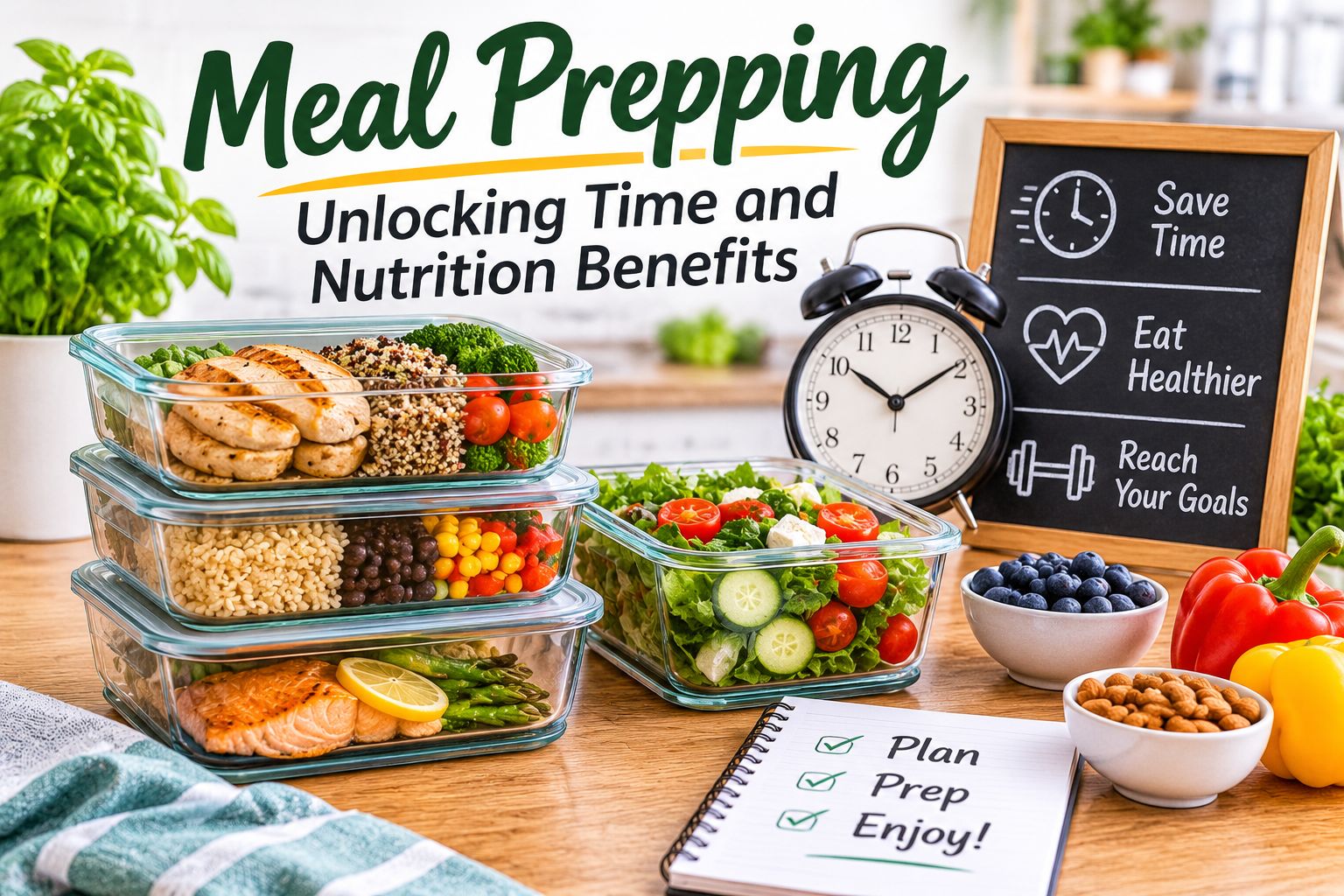
Meal prepping is a game-changer for those looking to optimize their daily routine while maintaining a healthy lifestyle. By dedicating just a few hours each week to plan and prepare meals in advance, individuals can drastically reduce the time spent on cooking and cleaning during busy weekdays. This approach not only frees up valuable time but also fosters healthier eating habits and encourages mindful consumption.
When you take the time to prep meals ahead of time, you’re not just investing in convenience; you’re also gaining control over your nutrition. With meal prepping, you can monitor your portion sizes, select wholesome ingredients, and create balanced meals that align with your dietary goals. As we dive deeper into the world of meal prepping, you’ll discover various techniques, common pitfalls, and how to customize a plan that best suits your lifestyle.
Meal prepping as a time management tool can significantly enhance your daily routine.
Meal prepping has gained popularity as an effective strategy for managing time and reducing stress throughout the week. By dedicating a few hours once a week to prepare meals in advance, individuals can streamline their daily routines, making it easier to maintain a healthy lifestyle without the chaos of last-minute cooking. This approach allows for a more organized week, cutting down on unnecessary distractions and providing a clearer focus on other responsibilities.
Meal prepping can save a significant amount of time during the week. Instead of spending 30-60 minutes daily cooking, washing dishes, and planning meals, preparing food in bulk can condense much of that effort into a single session. For instance, consider that preparing a week’s worth of lunches and dinners might take 2-3 hours on a Sunday. In contrast, cooking every day could easily sum up to 5-7 hours or more across the week. By setting aside that time for meal prepping, you can free up hours in your schedule for work, family, or relaxation.
Psychological benefits of planning meals in advance
Planning meals in advance provides several psychological benefits that contribute to a more peaceful mindset. When you know what you’re going to eat each day, it eliminates the mental load of daily decision-making. This can reduce anxiety related to what to cook and help you make healthier choices. Meal prepping also fosters a sense of achievement and control over your diet, which can enhance your overall well-being.
In addition, when meals are prepped, you may find yourself more inclined to stick to your dietary goals. This structured approach can also support better nutritional balance, as planned meals are typically more varied and incorporate necessary food groups compared to last-minute choices.
Meal prepping transforms the kitchen into a space of efficiency rather than chaos. It allows for a more mindful connection with food, supporting a holistic approach to health that enhances both physical and mental wellness. By investing time upfront, individuals can experience lasting benefits throughout the week, enabling them to focus on other life priorities with reduced stress.
Understanding the nutritional advantages of meal prepping is crucial for a healthy lifestyle.
Meal prepping is not just a modern trend; it’s a strategic approach to healthy living that offers numerous nutritional benefits. By preparing meals in advance, individuals can take control of what goes into their food, ensuring that they meet their dietary needs and preferences. This practice enables better organization, making it easier to adhere to a healthy eating plan without the stress of deciding on meals daily.
One of the most significant advantages of meal prepping is the enhanced control over portion sizes and nutritional content. When meals are prepped in advance, it becomes easier to measure out portions, which can prevent overeating and promote mindful eating habits. This is particularly beneficial for those looking to manage their weight or achieve specific dietary goals. By controlling portion sizes, individuals can ensure they are consuming the right amount of macronutrients—carbohydrates, proteins, and fats—tailored to their personal health objectives.
Impact of meal prepping on dietary goals such as weight loss or muscle gain
Meal prepping is a highly effective strategy for supporting various dietary goals, including weight loss and muscle gain. By planning meals ahead of time, individuals can make informed choices regarding the ingredients they use, and portion sizes they allocate, which directly impacts their dietary success.
For weight loss, meal prep helps individuals avoid the temptation of unhealthy food options that are often more convenient. Instead, pre-portioned meals can be packed with nutrient-dense foods like lean proteins, whole grains, and plenty of fruits and vegetables. For example, a well-balanced meal could include grilled chicken breast, quinoa, and steamed broccoli, providing essential vitamins and minerals while keeping calorie counts in check.
On the other hand, individuals aiming to gain muscle can benefit from meal prepping by ensuring a consistent intake of protein and calories throughout the day. This means preparing meals that are rich in lean meats, legumes, and dairy products. A daily regimen might include prepped snacks such as Greek yogurt or protein shakes to easily meet the increased protein needs that come with muscle-building.
“Meal prepping not only aids in maintaining healthy portion sizes but also ensures balanced nutrition, making it easier to achieve dietary goals.”
Balanced meals are vital for overall health and wellness, and meal prepping serves as a practical solution to achieve this balance consistently. By incorporating a variety of food groups into each meal, individuals can ensure they are getting the necessary nutrients their bodies require. This practice also reduces the likelihood of nutrient deficiencies and fosters healthier eating patterns long-term.
Exploring different meal prepping methods can inspire creativity in the kitchen.
Meal prepping is more than just a time-saving strategy; it can also be a gateway to culinary creativity. By exploring various meal prepping techniques, you can enhance your cooking skills and discover new flavor combinations. Different methods cater to diverse lifestyles, preferences, and dietary needs, making this approach adaptable for everyone.
One popular method of meal prepping is batch cooking, where you prepare large quantities of food at once, often focusing on a single recipe or ingredient. This technique allows for efficient use of time and resources, as you can utilize the same base ingredients across multiple meals, reducing waste. On the other hand, assembly-style prepping involves prepping individual components—such as grains, proteins, and vegetables—that can be mixed and matched throughout the week, providing variety while keeping preparation straightforward.
Meal prepping techniques overview
Understanding the different methods of meal prepping can help you choose the one that best fits your lifestyle. Here’s a detailed overview of popular meal prepping techniques along with their advantages and disadvantages:
- Batch Cooking:
Prepare large quantities of food at once for easy reheating throughout the week.
- Pros: Saves time, minimizes food waste, can be economical.
- Cons: Limited variety, may require large storage space.
- Assembly-Style Prepping:
Prep individual components for a range of customizable meals.
- Pros: High variety, encourages creativity, easy to adjust based on cravings.
- Cons: Can be time-consuming to prep multiple items, may require careful organization.
- Freezer Meal Prepping:
Prepare meals to freeze and reheat at a later date.
- Pros: Convenient for busy weeks, long shelf life, retains nutritional value.
- Cons: Requires planning, some meals may not freeze well.
- One-Pan Meals:
Cook all ingredients in a single pan for easy prep and cleanup.
- Pros: Minimal cleanup, quick cooking time, simple ingredient list.
- Cons: Limited cooking methods, may not suit all recipes.
Using containers for meal storage and organization
Effective storage and organization are crucial for successful meal prepping. Choosing the right containers not only keeps your meals fresh but also makes it easier to grab and go. Various types of containers can enhance your meal prep experience. Consider the following:
1. Glass Containers: Ideal for reheating and durability, glass containers are non-toxic and can withstand high temperatures. They are great for saucy meals since they don’t absorb odors.
2. Plastic Containers: Lightweight and generally less expensive, these containers come in various sizes. Make sure to choose BPA-free options to avoid harmful chemicals.
3. Meal Prep Bags: These insulated bags can keep meals warm or cool during transport, perfect for people on the go.
4. Mason Jars: Not only can they store salads and overnight oats, but they also showcase your creations beautifully, making meals visually appealing.
5. Divided Containers: These are particularly handy for assembly-style prepping, allowing you to keep different components separate until mealtime.
By utilizing a variety of containers and understanding the different meal prepping techniques, you can foster creativity in the kitchen and streamline your cooking process, making it an enjoyable part of your routine.
Identifying common mistakes in meal prepping can help improve the process.
Meal prepping can be a game-changer for your culinary routine, saving time and ensuring you eat healthy. However, there are several common mistakes that can hinder your meal prep efforts. Recognizing and addressing these errors can greatly enhance your efficiency and the quality of your meals.
Common Meal Prepping Errors
Understanding the typical pitfalls in meal prepping can help you make the most of your efforts. Here are three frequent mistakes and how to effectively avoid them:
- Neglecting Food Safety: One of the biggest mistakes is not properly cooling and storing your food. Bacteria thrive between 40°F and 140°F, so it’s crucial to let food come to room temperature before refrigerating or freezing it. To avoid this mistake, always refrigerate leftovers within two hours of cooking.
- Overcomplicating Meals: Trying to prepare complex meals can lead to burnout and a lack of variety. Opting for simpler recipes that feature a few fresh ingredients is more sustainable. Focus on meals that can be prepared in bulk and diversified easily with different spices or sauces to keep them interesting.
- Improper Portion Sizes: Misjudging portion sizes can lead to wasted food or overeating. To avoid this, use measuring cups or a kitchen scale to ensure each serving is the right amount. Meal containers with portion guidelines can also help maintain balance in your meals.
Impact of Improper Storage on Food Quality and Safety
Improper food storage can lead to compromising the quality and safety of your meals. Each component of your meal deserves proper attention to ensure freshness and nutritional value.
When food is not stored in airtight containers, it can lead to exposure to air, which degrades both flavor and texture over time. Additionally, improper temperatures can cause spoilage, leading to foodborne illnesses. Always use airtight containers and label them with dates to keep track of freshness.
Planning Meals for Reheating
Several strategies can ensure that your meals can be easily reheated without losing their original flavor or texture.
One effective method is to choose ingredients that hold up well when reheated. For instance, whole grains and roasted vegetables tend to retain their quality better than delicate items. Additionally, consider the following tips:
- Separate Sauces: Keep sauces in separate containers until you’re ready to eat. This prevents sogginess in dishes like salads or stir-fries.
- Choose Reheatable Ingredients: Ingredients like quinoa, brown rice, and sturdy vegetables maintain their texture well when reheated. Avoid items that can become mushy.
- Utilize Proper Reheating Techniques: Reheat meals in the oven or on the stovetop when possible, as these methods help maintain texture better than microwaving, which can make some foods rubbery.
Creating a budget-friendly meal prepping plan is essential for many individuals.
Meal prepping is a fantastic way to save time, eat healthier, and stick to a budget. For many, the challenge lies in creating a meal prep plan that doesn’t break the bank. With a little strategic planning and creativity, it’s possible to prepare nutritious meals that are both affordable and satisfying.
Designing a budget-friendly weekly meal prep plan begins with careful consideration of your financial constraints and dietary needs. Start by mapping out a week’s worth of meals, taking into account your schedule, preferences, and any sales or discounts available at your local grocery stores. Aim to create a flexible menu that allows for variety while focusing on ingredients that are less expensive but still nutritious.
Strategies for Selecting Affordable Ingredients
When it comes to shopping for meal prep, selecting affordable ingredients without compromising nutrition is key. Here are some strategies to keep in mind:
- Buy in bulk: Purchase grains, legumes, and frozen vegetables in larger quantities. This often reduces the price per serving and extends shelf life.
- Choose generic brands: Often, generic or store-brand products offer the same quality as name brands at a lower price.
- Plan around sales: Check local flyers or apps for weekly sales and plan your meals around which items are discounted.
- Incorporate beans and lentils: These protein-packed options tend to be inexpensive and versatile for various dishes.
- Limit processed foods: While convenient, processed foods can be more expensive and less nutritious compared to whole foods.
Benefits of Using Seasonal Produce
Utilizing seasonal produce not only enhances flavor but can significantly reduce costs. Seasonal fruits and vegetables are often more abundant, leading to lower prices. Here are a few advantages:
- Better flavor: Seasonal produce is harvested at its peak, resulting in better taste and freshness.
- Increased nutrient density: Fruits and vegetables that are in season are often more nutritious as they are fresher and haven’t traveled as far to reach your plate.
- Lower prices: When produce is in season, local farmers’ markets and grocery stores typically offer lower prices due to the abundance of supply.
- Variety in diet: Incorporating seasonal ingredients allows for a diverse range of flavors and nutrients throughout the year.
Demonstrating the environmental impact of meal prepping can encourage sustainable practices.
Meal prepping is not just a convenient way to organize meals for the week; it also plays a significant role in promoting sustainability and reducing our environmental footprint. By preparing meals at home, individuals can make mindful choices that positively impact the planet.
One of the most notable environmental benefits of meal prepping is its potential to reduce food waste. In the United States alone, it is estimated that roughly 30-40% of the food supply is wasted, contributing significantly to greenhouse gas emissions as decomposing food releases methane. When people plan their meals, they are less likely to over-purchase ingredients that may go unused. Additionally, by using up leftovers creatively, meal preppers can minimize waste and make the most out of every grocery trip.
Reducing food waste and promoting sustainability
The connection between meal prepping, food waste reduction, and sustainability is substantial. When meals are prepped in advance, several eco-friendly practices can be adopted:
- Efficient grocery shopping: Meal planning helps in creating precise shopping lists, ensuring that only necessary ingredients are bought. This reduces the likelihood of impulse purchases that often lead to waste.
- Using expired or imperfect produce: Meal prepping allows for the use of ingredients that may not be in perfect condition, thus preventing perfectly good food from being discarded.
- Composting organic waste: Any scraps that do accumulate from meal prepping can be composted instead of thrown away, enriching the soil while reducing landfill contributions.
Statistics further emphasize the environmental advantages of cooking at home. According to a study by the Environmental Protection Agency, ready-to-eat meals account for nearly 13% of food waste. In contrast, home-cooked meals, which are often associated with meal prepping, tend to produce significantly less waste. Moreover, the carbon footprint of preparing meals at home can be lower than dining out due to the reduced energy required for transportation and packaging.
Incorporating reusable containers and eco-friendly practices
In addition to reducing food waste, meal prepping allows individuals to adopt more sustainable practices through the use of eco-friendly products.
Utilizing reusable containers for storage is one of the most effective ways to minimize single-use plastic consumption. Some beneficial practices include:
- Glass containers: These are durable and can be used repeatedly without leaching chemicals, making them a safer alternative to plastic.
- Silicone bags: Ideal for storing snacks or sandwiches, silicone bags are reusable and help eliminate the need for disposable plastic bags.
- Beeswax wraps: These can replace plastic wrap for covering bowls or wrapping food, ensuring freshness without contributing to plastic waste.
By integrating these practices, meal preppers not only enhance their culinary efficiency but also contribute to a greener planet. The cumulative effect of these small yet significant choices can lead to major strides in environmental conservation, showcasing how a simple habit like meal prepping can align with broader sustainability goals.
Analyzing the social aspects of meal prepping can highlight its community benefits.
Meal prepping is often seen as a solitary endeavor focused on efficiency and nutrition. However, it possesses profound social dimensions that can enhance community bonds and foster relationships among family members and friends. By incorporating social elements into meal prepping, individuals can create shared experiences that not only make cooking more enjoyable but also build lasting connections.
Meal prepping can transform into a social activity that encourages family bonding. When families come together to plan and prepare meals, it opens up opportunities for collaboration and communication. Each family member can be assigned specific tasks, such as chopping vegetables or assembling containers, which promotes teamwork and a sense of contribution. This collaborative environment can lead to shared laughter, stories, and the creation of cherished memories around the kitchen table.
Sharing meal prep recipes and experiences
The sharing of meal prep recipes and experiences can be a powerful way to connect with others, whether through social media platforms, community groups, or within friend circles. When individuals take the time to document their meal prep journeys, they create a wealth of resources that can inspire and motivate others.
Online communities dedicated to meal prepping serve as platforms for people to exchange tips, recipe ideas, and personal stories. Engaging in these communities can offer the following benefits:
-
Access to diverse recipes and cooking techniques.
This variety allows individuals to experiment with different cuisines, enhancing their culinary skills and broadening their palates.
-
Support and encouragement.
Sharing successes and challenges can foster a sense of camaraderie among members, making the journey of meal prepping less isolating.
-
Celebration of cultural traditions.
Members can share heritage recipes, which not only enriches the meal prep experience but also educates others about different cultures.
Group meal prepping advantages
Group meal prepping is another avenue through which social connections can thrive. When friends or family members gather to prepare meals together, it not only makes the process more enjoyable but also provides practical benefits.
The advantages of group meal prepping can include the following:
-
Cost-effectiveness.
By pooling resources, participants can buy ingredients in bulk, reducing individual expenses and minimizing food waste.
-
Shared labor.
Splitting tasks can lead to a more efficient preparation process, making it possible to prepare a larger variety of meals in a shorter amount of time.
-
Strengthening relationships.
The shared experience of cooking and enjoying meals together can deepen bonds and create lasting friendships.
Incorporating social aspects into meal prepping not only enriches the experience but also serves as a powerful tool for building community. By engaging with others, individuals can make meal prepping a collective journey rather than a solitary task, resulting in stronger relationships and a more connected community.
Designing a personalized meal prep strategy tailored to individual needs can enhance effectiveness.
Creating a personalized meal prep strategy is essential for achieving dietary goals while accommodating individual preferences. By tailoring meal prep to fit one’s specific needs, it becomes easier to maintain healthy eating habits and manage lifestyle demands. This approach not only helps in meal organization but also enhances the overall meal experience by ensuring enjoyment and satisfaction.
Assessing personal dietary needs and preferences is a key step in designing an effective meal prep strategy. Understanding what works for you involves reflecting on your health goals, dietary restrictions, and taste preferences. Here’s how to thoroughly assess these factors:
Assessment of Personal Dietary Needs and Preferences
Identifying dietary needs starts with recognizing any food allergies or intolerances, as well as personal health objectives, such as weight loss, muscle gain, or managing chronic conditions. Additionally, taste preferences play a vital role in meal enjoyment and adherence to a prep plan. Here’s a structured approach to assess these needs:
- Evaluate Health Goals: Determine if your focus is on weight management, muscle building, or simply maintaining a balanced diet.
- Identify Dietary Restrictions: Make a list of any allergies (e.g., nuts, dairy) or dietary restrictions (e.g., vegetarian, gluten-free).
- Assess Taste Preferences: Consider your favorite foods and cuisines to ensure meals are appealing.
- Consider Lifestyle Factors: Take into account your work schedule, family needs, and cooking skills to create a realistic meal prep plan.
Once dietary needs are assessed, the next step involves creating a customized meal prep strategy that accommodates various lifestyles. Here is a step-by-step guide to help in formulating this strategy:
Step-by-Step Guide for Customized Meal Prep Strategy
A personalized meal prep strategy can streamline your week and ensure you have nutritious meals at hand. Follow these steps to create an effective plan:
- Plan Your Meals: Start each week by planning your meals. Choose recipes that align with your dietary needs and preferences.
- Grocery Shopping: Make a shopping list based on your meal plan, ensuring you have all necessary ingredients while avoiding impulse buys.
- Batch Cooking: Dedicate a specific day for meal prep. Cook in bulk to save time; consider making staples like grains, proteins, and roasted vegetables.
- Portioning: Divide meals into containers for easy access throughout the week. Label containers with dates to keep track of freshness.
- Storage Practices: Store meals in the fridge or freezer as needed, ensuring you understand proper food safety and storage techniques.
For those with specific dietary restrictions, here are examples of meal prep plans that cater to different needs:
Examples of Meal Prep Plans for Dietary Restrictions
Creating meal plans that cater to specific dietary restrictions can be simple and enjoyable. Below are examples tailored for vegetarian and gluten-free diets:
“A well-planned meal prep strategy can enhance both health and satisfaction.”
- Vegetarian Meal Prep Plan:
- Breakfast: Overnight oats topped with fruits and nuts.
- Lunch: Quinoa salad with black beans, corn, and avocado.
- Dinner: Stir-fried tofu with mixed vegetables and brown rice.
- Gluten-Free Meal Prep Plan:
- Breakfast: Smoothie with spinach, banana, and almond milk.
- Lunch: Grilled chicken salad with mixed greens and a lemon vinaigrette.
- Dinner: Zucchini noodles with marinara sauce and turkey meatballs.
By assessing personal needs, following a structured preparation guide, and utilizing specific meal plans, individuals can design a meal prep strategy that enhances effectiveness and fits seamlessly into their lifestyles.
Final Summary
In conclusion, meal prepping is not just about saving time; it’s about enhancing your overall well-being. By embracing this practice, you can enjoy the dual benefits of improved nutrition and efficiency, all while minimizing waste and potentially fostering social connections. Whether you’re a busy professional, a fitness enthusiast, or someone simply looking to eat healthier, meal prepping can be your go-to strategy for a more organized and fulfilling food experience.
Helpful Answers
What is meal prepping?
Meal prepping involves preparing your meals in advance to save time and ensure healthier eating throughout the week.
How long can I store prepped meals?
Generally, prepped meals can be stored in the fridge for 3-4 days and in the freezer for up to 3 months.
Do I need special containers for meal prepping?
While not necessary, using airtight containers can help maintain the freshness and quality of your prepped meals.
Can meal prepping help with weight loss?
Yes, meal prepping can help with weight loss by allowing you to plan portion sizes and make healthier food choices in advance.
Is meal prepping expensive?
Meal prepping can actually save money by reducing food waste and allowing you to buy in bulk.