








Depression symptoms form a crucial aspect of understanding mental health, shedding light on a condition that often goes unnoticed. With the prevalence of depression on the rise, recognizing its symptoms allows individuals and loved ones to take proactive steps towards seeking help. This overview delves into the multifaceted nature of depression, from the core symptoms that define it to the lesser-known manifestations that can complicate diagnosis and treatment.
By exploring how these symptoms impact daily life, relationships, and cognitive functions, we can appreciate the significance of early intervention and the role of support systems in navigating through this challenging landscape. Whether through personal anecdotes or statistical insights, the discussion aims to empower readers with knowledge and tools for identifying and addressing depression symptoms effectively.
Understanding the Core Symptoms of Depression
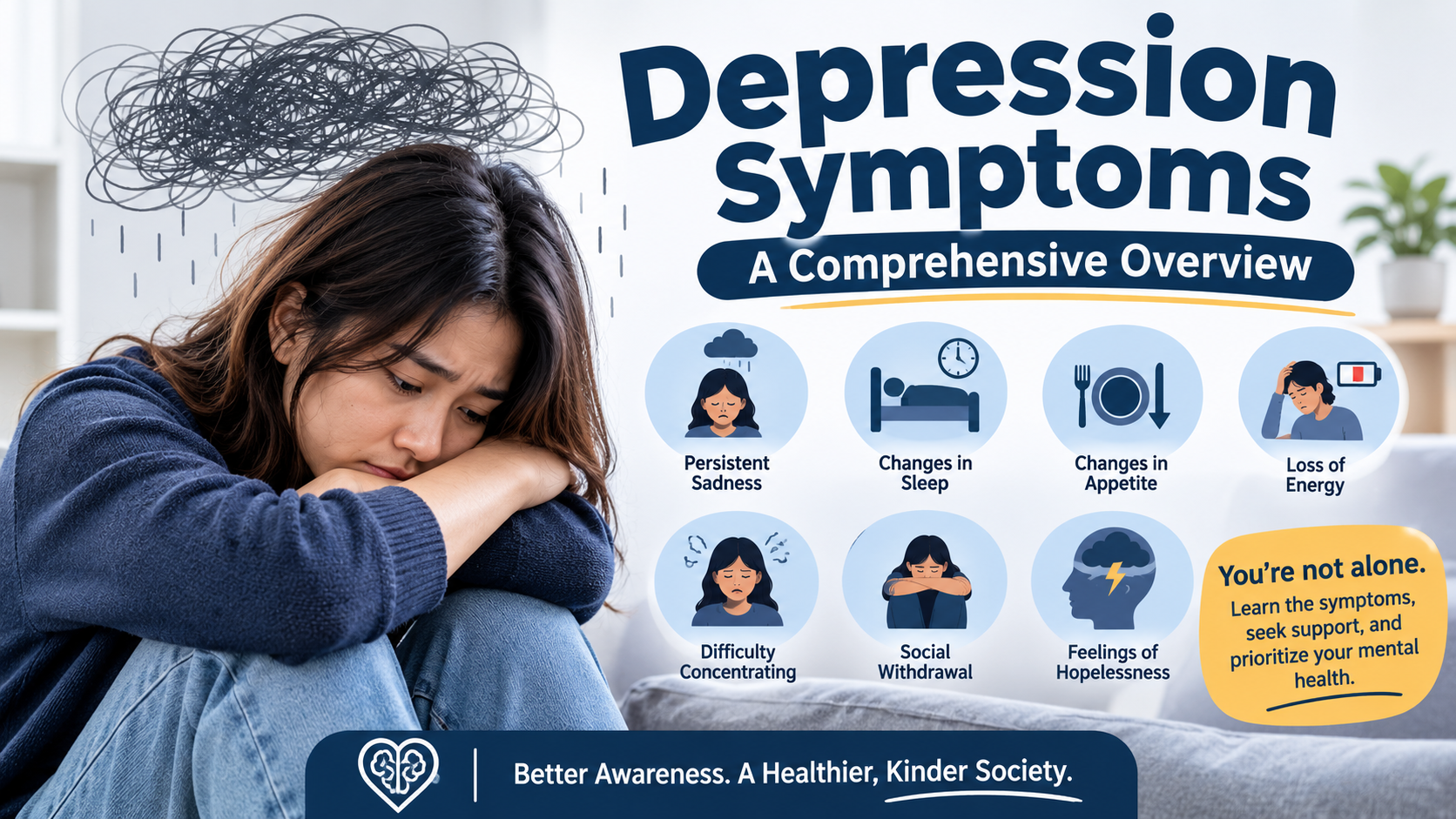
Depression is a complex mental health condition that affects millions worldwide. Recognizing its core symptoms is crucial for effective treatment and support. Major symptoms often manifest both emotionally and physically, influencing daily life and overall well-being. Understanding these symptoms can help individuals and their loved ones identify when professional help might be necessary.
The major symptoms commonly associated with depression can be categorized into emotional and physical manifestations. Emotional symptoms include persistent sadness, feelings of hopelessness, and a lack of interest or pleasure in activities once enjoyed, such as hobbies or socializing. For instance, someone who previously loved painting may find it difficult to even pick up a brush, reflecting a significant change in their emotional state. On the physical side, symptoms can manifest as fatigue, changes in appetite or weight, sleep disturbances, and even unexplained aches and pains. A person might feel a constant sense of lethargy, making even simple tasks feel overwhelming.
Differences Between Situational and Clinical Depression Symptoms
The symptoms of depression can vary significantly based on whether the condition is classified as situational or clinical. Situational depression typically arises from specific life events such as loss, trauma, or significant life changes. The symptoms, while still serious, may be more closely tied to the triggering event and often improve as the individual adjusts to their circumstances. Common symptoms of situational depression include:
- Sadness directly linked to a life event, such as a breakup or job loss.
- Emotional responses that are intense but can fluctuate with changes in situation.
- A temporary decrease in motivation that may resolve with time or support.
In contrast, clinical depression, or major depressive disorder, encompasses a broader range of symptoms that persist regardless of external circumstances. This form of depression is more chronic and is characterized by:
- A pervasive sense of hopelessness and despair that lasts for an extended period.
- Severe emotional numbness, where individuals may not feel joy or sadness.
- Functional impairment in daily life, affecting work, relationships, and self-care.
- Physical symptoms such as chronic fatigue and sleep disturbances that are not solely linked to external factors.
Clinical depression often requires more comprehensive treatment approaches, including therapy and medication, to manage symptoms effectively.
In summary, understanding the core symptoms of depression—both emotional and physical—can aid in distinguishing between situational and clinical forms. Recognizing these differences is vital for seeking appropriate help and support.
The Impact of Depression Symptoms on Daily Life
Depression symptoms can have a profound effect on individuals, often hindering their ability to manage personal and professional responsibilities effectively. The pervasive nature of these symptoms can lead to a significant decline in performance in various aspects of life, making even the simplest tasks feel overwhelming.
One of the primary ways depression affects daily functioning is through decreased motivation and energy levels. This can result in missed work deadlines, neglected household chores, and difficulty maintaining relationships. For instance, a case study of a marketing professional revealed that persistent feelings of hopelessness led him to withdraw from team meetings and avoid engaging in projects, ultimately jeopardizing his job security. Similarly, a stay-at-home parent reported struggling to get out of bed, which left her children with unmet needs and contributed to feelings of guilt and inadequacy.
Consequences on Social and Relational Dynamics
The social and relational consequences of persistent depressive symptoms can be severe and far-reaching. Individuals often find themselves withdrawing from friendships and family interactions, which can exacerbate feelings of isolation and loneliness. The effects of this withdrawal can manifest in various ways:
- Decreased communication: Individuals may stop reaching out to friends or family, leading to misunderstandings and strained relationships.
- Social avoidance: Participating in social gatherings may become daunting, resulting in missed opportunities for connection and support.
- Strained romantic relationships: Partners may find it challenging to understand or support the individual with depression, leading to frustration and conflict.
In many cases, the withdrawal is not just a symptom of depression but also a coping mechanism that can inadvertently signal to loved ones that help is not needed, further perpetuating the cycle of isolation. According to research, individuals with depression often experience a decrease in social support, which is crucial for recovery.
“Social isolation can intensify depressive symptoms, making it essential for individuals to seek out connections, even when it feels difficult.”
Overall, the impact of depression symptoms on daily life is multifaceted, affecting personal responsibilities and social dynamics alike. By understanding these effects, we can better advocate for those struggling with depression and encourage open conversations about mental health.
Identifying Lesser-Known Symptoms of Depression
Depression is often characterized by a set of well-known symptoms such as persistent sadness, loss of interest, and fatigue. However, there are many atypical symptoms that can also indicate the presence of depression, which are frequently overlooked. Recognizing these lesser-known symptoms is crucial for developing an effective treatment plan and ensuring individuals receive the support they need.
Physical pain and sleep disturbances are two significant atypical symptoms associated with depression. Many individuals may experience chronic pain conditions, such as headaches, back pain, or joint pain, which can be mistaken for other medical issues. Sleep disturbances, including insomnia or hypersomnia, can also manifest as symptoms of depression, impacting overall health and well-being. Addressing these symptoms is vital since untreated physical discomfort or sleep issues can exacerbate the psychological aspects of depression, creating a cycle that is difficult to break.
Significance of Recognizing Atypical Symptoms
Understanding the significance of atypical symptoms of depression can greatly enhance the effectiveness of treatment approaches. For instance, individuals who present with physical pain as a symptom may benefit from a multidisciplinary approach that includes both mental health support and physical therapy. Similarly, recognizing sleep disturbances as part of the depressive experience can lead to targeted interventions such as cognitive-behavioral therapy for insomnia (CBT-I).
A variety of demographics may present differently when it comes to lesser-known symptoms of depression. For example, older adults may more commonly report physical symptoms, often attributing them to aging rather than depression. Conversely, younger individuals might express their depressive symptoms through behavioral changes rather than physical pain. Gender differences also play a role; research has indicated that women may experience more pronounced emotional symptoms, while men might be more likely to exhibit irritability or aggression alongside physical symptoms.
- Older adults often present with chronic pain and fatigue, which can overshadow the more traditional emotional symptoms of depression.
- Younger individuals may exhibit behavioral changes, such as increased social withdrawal or academic decline, often not linking these changes to a depressive disorder.
- Men might express their depression through irritability, anger, or risk-taking behavior, which can mask their emotional pain.
- Women are more likely to report feelings of sadness and worthlessness, but they too may experience significant physical symptoms that can complicate diagnosis.
“Recognizing and addressing atypical symptoms of depression can significantly enhance treatment outcomes and improve quality of life.”
Overall, being aware of the diverse ways depression can manifest across different demographics is essential for clinicians and caregivers. It ensures a more accurate diagnosis and a comprehensive treatment plan tailored to individual needs, ultimately leading to better mental health outcomes.
The Role of Cognitive Symptoms in Depression
Cognitive symptoms are a significant aspect of depression that can profoundly affect an individual’s life. These symptoms encompass various mental processes, including memory, attention, and decision-making. When someone experiences depression, these cognitive functions can become impaired, leading to difficulties in daily living and a decreased quality of life. Understanding the role of cognitive symptoms in depression is essential for effective management and support.
The cognitive aspects of depression often manifest as memory issues or challenges in making decisions. Individuals may find it hard to concentrate, recall information, or process new ideas. This cognitive cloudiness can contribute to feelings of inadequacy and frustration, further exacerbating the depressive state. When cognitive symptoms affect self-perception, individuals may start to view themselves negatively, doubting their capabilities and worth. This negative self-image can perpetuate the cycle of depression, leading to a decline in mental health.
Cognitive Symptoms and Their Impact on Self-Perception
Cognitive symptoms in depression significantly influence how individuals perceive themselves and their abilities. When faced with memory issues or decision-making difficulties, individuals may feel overwhelmed, leading to feelings of incompetence. This impact on self-perception can be detrimental, as it often fuels a negative cycle of thinking. Recognizing this relationship is key to developing effective coping strategies.
To address cognitive symptoms in individuals with depression, several strategies can be effectively implemented:
- Structured Routines: Establishing a daily routine can help individuals manage their time and tasks better, reducing the cognitive load and creating a sense of accomplishment.
- Memory Aids: Utilizing tools such as planners, reminders, and lists can enhance memory retention and assist with the organization of thoughts and tasks.
- Mindfulness Practices: Engaging in mindfulness techniques, such as meditation or deep breathing, can improve focus and clarity, counteracting cognitive fog.
- Cognitive Behavioral Therapy (CBT): This therapeutic approach helps individuals identify and reframe negative thought patterns associated with cognitive symptoms, fostering a more positive self-image.
- Physical Activity: Regular exercise has been shown to have a positive effect on cognitive function and overall mental health, promoting neuroplasticity and improving mood.
Incorporating these strategies into daily life can help individuals manage cognitive symptoms more effectively. By addressing the cognitive aspects of depression, it becomes possible to improve self-perception and overall mental health, paving the way for a more fulfilling life.
The Relationship Between Depression Symptoms and Co-occurring Conditions
Depression is often not an isolated condition; it frequently occurs alongside other mental health disorders and physical health issues. This relationship can create a complex web of symptoms and challenges that make diagnosis and treatment notably difficult. Understanding this interplay is vital for effective management and improving patient outcomes.
The co-occurrence of depression with other disorders can significantly affect both the presentation of symptoms and the effectiveness of treatment strategies. For instance, individuals with anxiety disorders may experience heightened depressive symptoms, while those with chronic health conditions like diabetes or heart disease may find that their physical ailments exacerbate their mental health struggles. This overlap makes it essential for healthcare providers to consider all aspects of a patient’s health when developing a treatment plan.
Common Co-occurring Disorders and Their Symptoms
Several mental health disorders and physical conditions frequently accompany depression, leading to a range of symptoms that can complicate diagnosis and treatment. Recognizing these co-occurring conditions is crucial for holistic care. Below is a table that Artikels some of the most common co-occurring disorders and their related symptoms:
| Co-occurring Disorder | Related Symptoms |
|---|---|
| Anxiety Disorders | Excessive worry, restlessness, irritability, panic attacks |
| Substance Use Disorders | Increased tolerance, withdrawal symptoms, cravings, neglecting responsibilities |
| Post-Traumatic Stress Disorder (PTSD) | Flashbacks, avoidance behaviors, hyperarousal, negative mood |
| Bipolar Disorder | Extreme mood swings, emotional instability, impulsive behavior |
| Chronic Physical Conditions (e.g., diabetes, heart disease) | Fatigue, pain, sleep disturbances, changes in appetite |
“The presence of co-occurring conditions can obscure the main symptoms of depression, often leading to misdiagnosis or ineffective treatment plans.”
Considering these co-occurring conditions is paramount in creating targeted interventions. Treatment approaches may need to be adjusted to address both the depression and any accompanying disorders comprehensively. For instance, a patient struggling with both depression and anxiety may benefit from a combined approach of therapy and medication that addresses both issues simultaneously. Understanding the intricate relationships among these conditions can lead to improved mental health management and overall well-being.
Strategies for Recognizing and Addressing Depression Symptoms
Recognizing and addressing depression symptoms is crucial for individuals seeking to improve their mental health. Understanding how to identify these symptoms can empower people to take proactive steps toward seeking help. This section provides practical strategies, including self-assessment tools, conversation starters for discussions with healthcare providers or loved ones, and essential steps for accessing resources.
Self-Assessment Tools and Questionnaires
Self-assessment tools are valuable resources for individuals to gauge their mental health and identify potential depression symptoms. These tools can help in recognizing patterns and levels of emotional distress. Below are several effective self-assessment questionnaires that can facilitate this process:
- Patient Health Questionnaire-9 (PHQ-9): A widely used tool consisting of nine questions that assess the severity of depression symptoms over the past two weeks.
- Beck Depression Inventory (BDI): This inventory contains 21 multiple-choice questions related to symptoms and attitudes that help measure the intensity of depression.
- Generalized Anxiety Disorder 7-item Scale (GAD-7): Although primarily an anxiety tool, it includes questions that can overlap with depressive symptoms, providing insight into overall mental health.
- Center for Epidemiologic Studies Depression Scale (CES-D): This scale focuses on depressive symptoms experienced in the past week, which can help track short-term changes in mood.
Initiating Conversations About Symptoms
Opening a dialogue about depression symptoms can be challenging yet essential for finding support. It is important to approach these conversations with honesty and clarity. The following methods can help facilitate these discussions with healthcare providers or loved ones:
- Prepare Your Thoughts: Before initiating a conversation, take some time to reflect on your feelings and symptoms. Jot down key points or examples that illustrate what you are experiencing.
- Choose the Right Setting: Find a comfortable and private space to have these discussions. A calm environment can help both parties feel at ease.
- Be Honest and Direct: Express your feelings clearly. Use “I” statements, such as “I have been feeling very low lately,” to communicate your experiences without sounding accusatory.
- Ask for Support: Let the other person know that you are seeking their understanding or assistance. This can be as simple as saying, “I would appreciate your support as I navigate these feelings.”
Practical Steps for Seeking Help and Resources
Once symptoms are recognized, taking action is vital. Knowing the steps to seek help can make the process less daunting. Below are practical actions individuals can take to access the support they need:
- Research Mental Health Professionals: Look for therapists, psychologists, or psychiatrists in your area. Online directories and local health services can provide useful information.
- Utilize Hotlines and Support Groups: Many organizations offer hotlines and support groups for those experiencing depression. These can provide immediate support and connect individuals with peers who understand their experiences.
- Consult Your Primary Care Physician: Schedule an appointment with your doctor to discuss your symptoms. They can provide referrals to specialists and help determine the best treatment options.
- Explore Online Resources: Websites like the National Alliance on Mental Illness (NAMI) and Mental Health America offer valuable information, self-help guides, and opportunities for connecting with others.
Recognizing the signs of depression is the first step towards recovery; seeking help is the next.
The Importance of Early Intervention for Depression Symptoms
Recognizing and addressing depression symptoms at an early stage is crucial for improving overall outcomes. Early intervention can significantly reduce the severity of the condition, paving the way for a more effective recovery process. By understanding the importance of timely action, individuals can better navigate the challenges of depression and foster a healthier mental state.
Addressing depression symptoms promptly can lead to a series of benefits that not only enhance an individual’s quality of life but also reduce the long-term impacts of the illness. Statistics suggest that intervention within the first few months of experiencing symptoms can result in recovery rates as high as 70%. By recognizing the signs early, individuals can access appropriate treatment options, which may include therapy, medication, or lifestyle changes. This timely approach can lead to a quicker return to daily activities and a more stable emotional state.
Role of Support Systems in Early Intervention
Support systems play a pivotal role in facilitating early intervention for individuals experiencing depression symptoms. These systems can include family, friends, mental health professionals, and support groups, all of which contribute to a more comprehensive approach to managing depression. The presence of a robust support network can encourage individuals to seek help sooner and can provide a sense of belonging that is essential for recovery.
When discussing the significance of support systems, consider the following key points:
- Encouragement to Seek Help: Supportive family and friends can motivate individuals to recognize their symptoms and seek professional assistance without the stigma often associated with mental health issues.
- Emotional Support: Having a strong support system provides emotional backing, which can help individuals cope with their feelings and reduce feelings of isolation that often accompany depression.
- Accountability: A supportive network can help individuals maintain their treatment plans by holding them accountable for attending therapy sessions or taking prescribed medications.
- Resource Sharing: Support systems can assist in identifying resources, such as therapists or community programs, that individuals might not have known about, facilitating earlier intervention.
“With early intervention, individuals with depression can significantly improve their recovery rates and achieve a better quality of life.”
In summary, early intervention for depression symptoms is not just beneficial, it is essential. The combination of prompt recognition, effective treatment, and a supportive environment can make a substantial difference in the lives of those affected by depression.
Last Word
In conclusion, understanding depression symptoms is vital not only for those experiencing them but also for their friends and family. By raising awareness and fostering open conversations about mental health, we can create a supportive environment that encourages individuals to seek help when needed. Together, we can work towards dismantling the stigma surrounding depression and promote a culture of empathy and understanding.
Quick FAQs
What are the most common symptoms of depression?
Common symptoms include persistent sadness, loss of interest in activities, changes in appetite or sleep patterns, fatigue, and feelings of worthlessness.
How can I differentiate between situational and clinical depression?
Situational depression typically arises from a specific event or circumstance, while clinical depression persists over time and may not have an identifiable cause.
Can depression symptoms vary by age or gender?
Yes, symptoms can manifest differently; for example, men may exhibit irritability while women may show more emotional symptoms.
How can I support someone showing signs of depression?
Listen empathetically, encourage them to seek help, and offer to assist them in finding resources or accompanying them to appointments.
Is it possible to experience physical symptoms with depression?
Absolutely, many individuals report physical symptoms such as chronic pain, headaches, or digestive issues alongside emotional symptoms.