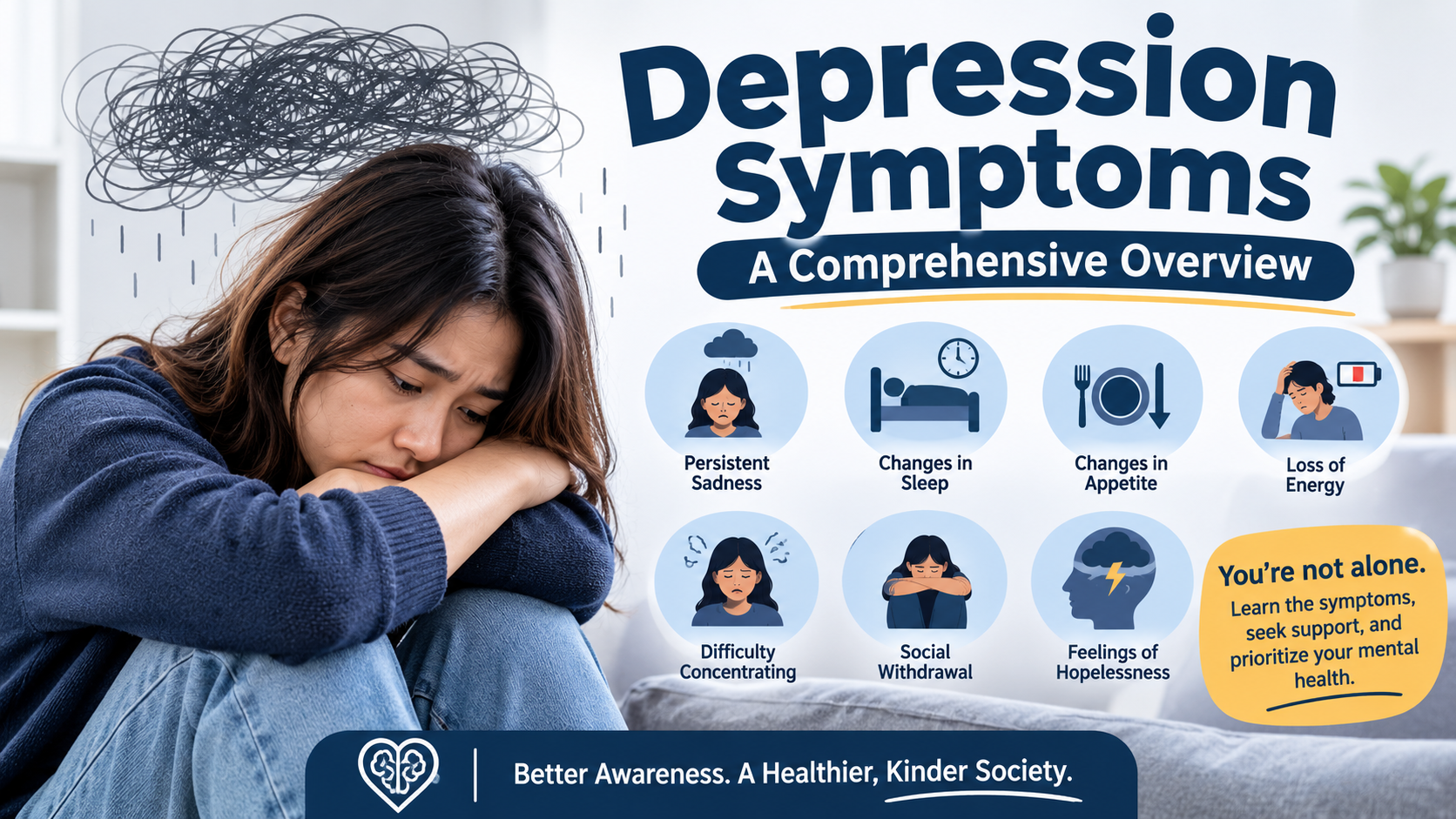









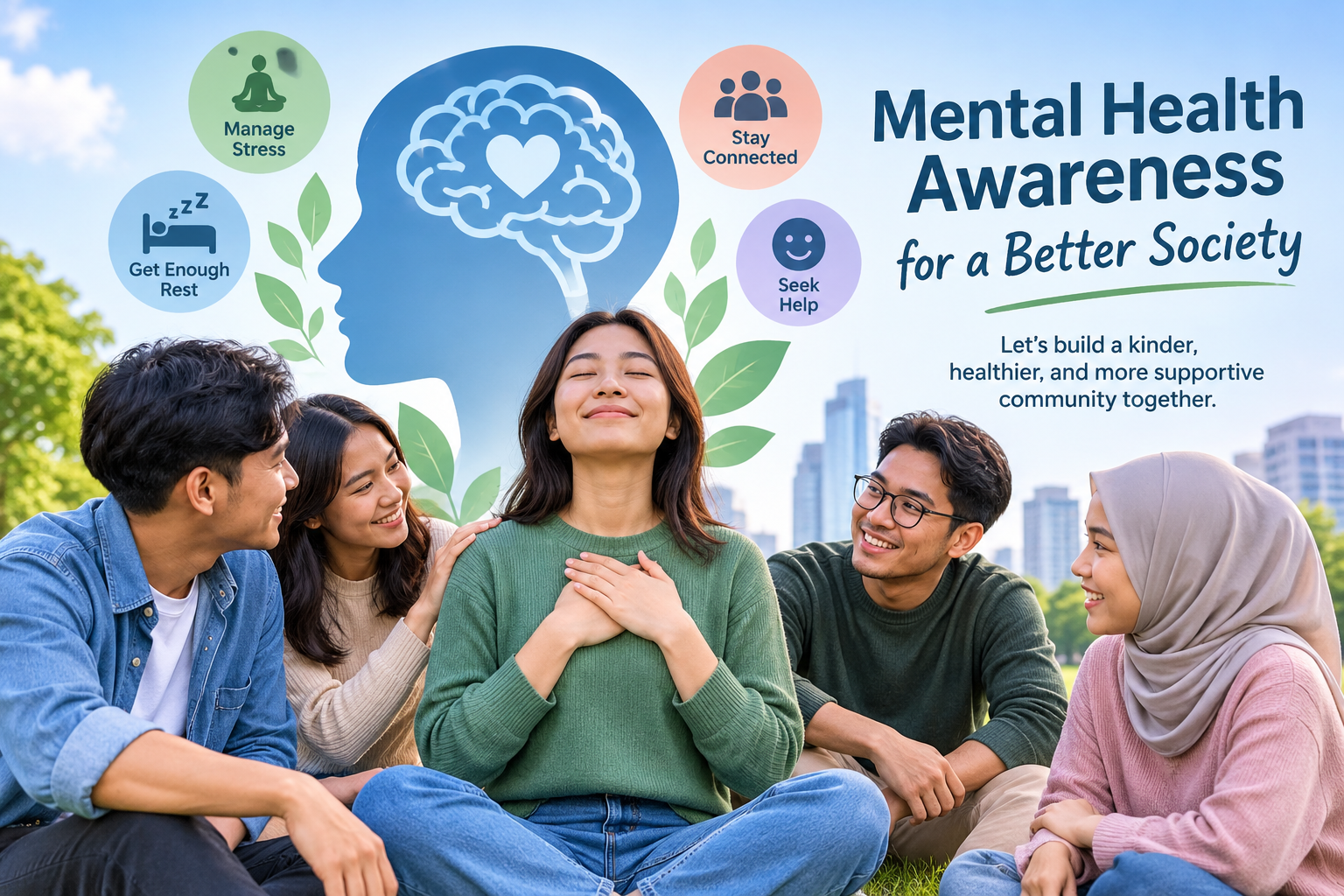
Mental health awareness is crucial in today’s fast-paced world, as it sheds light on an often-overlooked aspect of overall well-being. With increasing recognition of mental health issues, awareness initiatives play a vital role in educating the public, reducing stigma, and encouraging open conversations. This narrative aims to explore the significance of mental health awareness, emphasizing its impact on individuals and communities alike.
Incorporating mental health education into various societal spheres, such as schools, workplaces, and communities, is essential for fostering a supportive environment. By understanding the prevalence of mental health issues and the barriers that prevent open discussions, we can collectively work towards a more inclusive society where mental health is prioritized and celebrated.
Understanding the Importance of Mental Health Awareness
Mental health awareness has become a pivotal topic in contemporary society. The recognition of mental health as a crucial aspect of overall well-being has evolved significantly over the years. With an increasing number of people experiencing mental health challenges, it is essential for society to prioritize awareness and education around these issues. Understanding the importance of mental health awareness not only fosters empathy and support among individuals but also promotes a culture of openness and dialogue.
The significance of mental health awareness lies in its ability to educate the public, reduce stigma, and encourage individuals to seek help when needed. Mental health issues, such as depression, anxiety, and stress, affect millions of people worldwide. According to the World Health Organization (WHO), approximately 1 in 4 people will experience a mental health issue at some point in their lives. This statistic highlights the prevalence and urgency of mental health awareness. When mental health is openly discussed, it becomes easier for individuals to recognize their struggles and seek support. Furthermore, a society that values mental health helps to create supportive environments where people feel safe to share their experiences and challenges.
Impact of Stigma on Mental Health
Stigma surrounding mental health can have detrimental effects on individuals and society as a whole. People with mental health conditions often face discrimination and negative stereotypes, which can discourage them from seeking the help they need. The fear of being judged or ostracized can lead to isolation, worsening their condition. Breaking down these barriers is essential for fostering an inclusive society where everyone can thrive.
Statistics suggest that stigma significantly influences the treatment of mental health issues. A study published in The Lancet Psychiatry showed that 77% of respondents with mental health conditions reported that they faced stigma, which affected their willingness to seek help. These figures underscore the urgency of addressing mental health stigma. Initiatives aimed at raising awareness, such as campaigns and education programs, have been instrumental in changing perceptions and promoting understanding.
The global impact of mental health issues is staggering, with the WHO estimating that over 264 million people worldwide suffer from depression, making it one of the leading causes of disability. Moreover, anxiety disorders affect around 284 million people globally. These statistics illuminate the need for mental health awareness as a fundamental component of public health initiatives. By prioritizing mental health awareness, we can work towards a society that not only recognizes mental health challenges but actively supports those who are affected.
The Role of Education in Promoting Mental Health Awareness
Educational institutions play a pivotal role in fostering mental health awareness among students. By integrating mental health education into curricula, schools and universities can equip students with the knowledge and tools necessary to understand and manage mental health issues. It also helps in reducing stigma associated with mental health, promoting a culture of openness and support. Education can serve as a preventive measure, encouraging early intervention and support for those facing mental health challenges.
Incorporating mental health education involves a multi-faceted approach that includes curriculum development, practical workshops, and ongoing support systems. Schools can introduce mental health topics into existing subjects such as health education, physical education, and social studies. Additionally, dedicated mental health classes can be offered, covering topics like emotional intelligence, stress management, and coping strategies. Schools can also facilitate programs that promote mindfulness and resilience, which can be integrated into daily routines.
Successful Mental Health Programs in Educational Settings
Numerous schools and universities have successfully implemented mental health programs that demonstrate the effectiveness of such initiatives. One notable example is the “Mindfulness in Schools” project, which has been integrated into various UK schools. This program teaches students mindfulness techniques to reduce stress and anxiety, resulting in improved concentration and emotional regulation.
Another prominent program is the “Active Minds” initiative in U.S. universities, which aims to raise awareness about mental health issues among students and provide peer support. This student-led organization engages in outreach activities, campaigns, and provides resources to help students understand and address their mental health needs.
Training teachers and staff is crucial for recognizing and responding to mental health issues among students. Professional development programs should emphasize the importance of mental health literacy, enabling educators to identify signs of distress and intervene appropriately. By fostering a supportive environment, trained staff can create safe spaces for students to express their feelings and seek help when needed.
The implementation of mental health first aid training has shown to be beneficial in many schools, providing staff with the skills to support students in crisis. With proper training, teachers can play a significant role in destigmatizing mental health discussions, ultimately leading to a healthier school culture where students feel valued and understood.
Utilizing Social Media as a Tool for Mental Health Advocacy
Social media has become a powerful platform for raising awareness and supporting mental health initiatives. With billions of users worldwide, platforms such as Facebook, Twitter, Instagram, and TikTok offer unique opportunities for individuals and organizations to connect, share personal stories, and promote mental health awareness. The accessibility and reach of social media allow for impactful messaging that can inspire action and foster community support.
One of the most significant advantages of leveraging social media for mental health advocacy is its ability to create dialogue and reduce stigma surrounding mental health issues. By sharing personal experiences, individuals can humanize mental health struggles, making it easier for others to relate and empathize. This encourages a supportive environment where people feel comfortable discussing their own mental health challenges. Additionally, social media campaigns can amplify calls for action, encouraging followers to participate in events, fundraisers, or advocacy efforts that promote mental health resources.
Effective Social Media Campaigns for Mental Health Awareness
Various campaigns have successfully harnessed social media to promote mental health awareness and initiatives. These campaigns not only spread information but also inspire individuals to engage in conversations about mental health. Some notable examples include:
- #BellLetsTalk: This initiative by Bell Canada focuses on mental health awareness, encouraging people to share their stories and thoughts using the hashtag. For every tweet, retweet, and post that includes the hashtag, Bell donates to mental health programs, effectively raising funds while spreading awareness.
- #MentalHealthAwareness: This ongoing campaign encourages users to share their experiences with mental health through personal stories and resources. It aims to create a supportive online community, breaking the silence that often surrounds mental health issues.
- Instagram’s #HereForYou: This campaign encourages users to offer support to friends and community members struggling with mental health issues. By using the hashtag, individuals can share messages of encouragement and advice, fostering a sense of camaraderie on the platform.
The effectiveness of these campaigns lies in their ability to engage users actively, prompting them to share their stories and advocate for mental health resources in their communities.
While social media can serve as an empowering tool for mental health advocacy, it also poses potential risks for users. The constant exposure to curated content can lead to social comparison, feelings of inadequacy, and anxiety. Additionally, the spread of misinformation about mental health can further exacerbate stigma and confusion. To mitigate these risks, individuals and organizations can adopt several strategies:
- Promote Digital Literacy: Educating users on how to critically assess information and recognize reliable sources can reduce the spread of misinformation.
- Encourage Healthy Usage: Setting boundaries for social media use, such as limiting screen time or unfollowing accounts that trigger negative feelings, can help maintain a healthy balance.
- Foster Supportive Environments: Creating online spaces that prioritize mental health discussions and promote self-care can help counteract negative experiences on social media.
By recognizing both the benefits and challenges associated with social media, advocates can continue to utilize these platforms effectively while promoting mental health awareness and support.
Strategies for Individuals to Support Mental Health
Mental health is a vital aspect of overall well-being, and individuals can take various proactive measures to support their own mental health while also being there for others. By implementing practical strategies, one can foster a nurturing environment that promotes mental wellness. These approaches not only aid in personal development but also encourage a supportive community around mental health awareness.
Actionable Steps for Promoting Mental Health
Creating a culture that values mental health involves sharing actionable steps that individuals can incorporate into their daily lives. The following points highlight effective strategies for promoting mental health:
- Practice mindfulness through meditation or deep-breathing exercises to reduce stress and increase awareness of the present moment.
- Establish a routine that includes regular sleep patterns, balanced nutrition, and physical exercise to maintain both physical and mental health.
- Engage in activities that bring joy, such as hobbies or spending time with loved ones, to enhance mood and foster positive feelings.
- Limit screen time, especially on social media, to decrease feelings of anxiety and inadequacy often triggered by online comparisons.
- Set realistic goals and prioritize tasks to avoid feeling overwhelmed, fostering a sense of accomplishment.
- Reach out for professional help when needed, such as talking to a therapist or counselor, to address mental health challenges effectively.
- Encourage open dialogue with friends or family about emotions and mental health, promoting understanding and support.
Importance of Self-Care Practices
Self-care is essential for maintaining mental wellness as it allows individuals to recharge and reconnect with themselves. Engaging in self-care activities helps mitigate stress and improves overall emotional health. Simple practices, such as taking a walk in nature, reading a book, or indulging in a warm bath, can significantly uplift one’s mood and provide a necessary break from daily pressures.
“Taking time for yourself is not a luxury, it’s a necessity.”
Prioritizing self-care can lead to increased resilience against stressors, better emotional regulation, and a more positive outlook on life. This foundational aspect of mental health lays the groundwork for individuals to be more present and supportive of others.
Fostering Open Conversations About Mental Health
Creating an environment where mental health can be openly discussed is crucial for breaking down stigma and promoting understanding. Individuals can encourage conversations by sharing their own experiences in a safe and non-judgmental way.
To facilitate these discussions, individuals can utilize the following methods:
- Start by sharing personal feelings or struggles related to mental health, making it easier for others to feel comfortable sharing their own experiences.
- Use media such as books, podcasts, or articles that address mental health topics as conversation starters with friends and family.
- Ask open-ended questions about feelings and experiences to invite deeper discussions without putting pressure on others to share.
- Create support groups, either in-person or online, where individuals can come together to discuss mental health challenges and share coping strategies.
- Promote mental health awareness events or workshops within local communities to provide information and resources.
Fostering these conversations not only supports individual healing but strengthens the community by creating a network of understanding and empathy.
The Impact of Workplace Culture on Mental Health
A supportive workplace culture is crucial for fostering employee mental health and overall well-being. A positive environment encourages open discussions about mental health, reduces stigma, and empowers employees to seek help when needed. Companies with a strong focus on mental health awareness create a culture where employees feel valued, engaged, and less stressed, which ultimately enhances productivity and job satisfaction.
Workplace culture plays a significant role in influencing employees’ mental health. A positive culture not only cultivates a sense of belonging but also encourages a healthy work-life balance. Organizations that prioritize mental health can mitigate workplace stressors that lead to burnout, absenteeism, and turnover. By implementing initiatives that promote mental well-being, companies can create an atmosphere where employees thrive both personally and professionally.
Best Practices for Supportive Work Environments
To foster a mental health-friendly workplace, organizations can adopt several best practices. These strategies are essential for cultivating an environment that promotes awareness and support for mental health issues:
- Promote Open Communication: Encourage employees to discuss their mental health openly without fear of judgment. Regular check-ins and feedback can help identify concerns early.
- Provide Mental Health Resources: Offer access to mental health resources, such as counseling services, workshops, and mental health days, to support employees’ well-being.
- Implement Flexible Work Policies: Allow for flexibility in work hours and remote work options to help employees manage their personal and professional responsibilities more effectively.
- Encourage Work-Life Balance: Promote policies that encourage employees to unplug after working hours and take regular breaks to recharge mentally and physically.
- Train Managers: Equip leadership with the skills to recognize and address mental health issues within their teams. Training can help reduce stigma and promote supportive behaviors.
Case Studies of Effective Mental Health Initiatives
Several companies have successfully implemented mental health initiatives, demonstrating the positive impact of a supportive workplace culture.
One notable example is Google, which offers comprehensive mental health programs, including on-site counseling, mindfulness sessions, and workshops on stress management. Their approach fosters an open dialogue about mental health, contributing to a culture of acceptance and support.
Another example is Starbucks, which provides its employees with free access to emotional and mental health resources through its partnership with mental health organizations. Their Employee Assistance Program (EAP) allows workers to seek help confidentially, reinforcing the company’s commitment to mental health.
Both companies highlight the importance of integrating mental health initiatives into the workplace culture, ultimately leading to enhanced employee satisfaction and retention.
The Influence of Community Support on Mental Health Awareness
Community support plays a pivotal role in enhancing mental health awareness, providing a network of resources, services, and education. Organizations within the community can effectively facilitate outreach and support services that cater to the diverse needs of individuals facing mental health challenges. By fostering an environment of understanding and empathy, community organizations can bridge the gap between those in need and the resources available to them, ultimately reducing stigma and promoting mental well-being.
Community organizations serve as vital conduits for mental health awareness through various outreach programs and services. They can implement educational workshops, seminars, and campaigns aimed at informing the public about mental health issues, thereby increasing understanding and diminishing misconceptions. For example, organizations like the National Alliance on Mental Illness (NAMI) conduct local events that not only educate the public but also provide essential resources for individuals seeking help. These initiatives can include distributing informational pamphlets, hosting online webinars, or engaging in social media campaigns to reach a broader audience.
Peer Support Groups and Their Impact
Peer support groups play an essential role in fostering mental wellness and reducing stigma associated with mental health issues. These groups create a safe space for individuals to share their experiences and struggles without fear of judgment. Participants often find comfort in knowing they are not alone, and the shared experiences can be incredibly validating.
The benefits of peer support groups include:
- Empowerment: Individuals are encouraged to take control of their mental health journey and make informed decisions about their treatment and recovery.
- Connection: Participants build meaningful relationships, which can provide emotional support and understanding.
- Resource Sharing: Members often share coping strategies, recommend therapists, and discuss various treatment options, leading to informed choices.
- Stigma Reduction: Open discussions about mental health challenges help dismantle stereotypes and societal misconceptions, encouraging others to seek help.
As these groups thrive on shared experiences, they can significantly foster resilience and hope among individuals, reinforcing the notion that recovery is possible.
Collaboration Between Sectors for Enhanced Support
The collaboration between various sectors—healthcare, education, and local government—can significantly enhance community support for mental health. Each sector brings unique strengths and resources that, when combined, create a more comprehensive support system.
Education systems can integrate mental health awareness into their curricula, ensuring that students learn about emotional well-being from a young age. Schools can implement programs that connect students with mental health professionals, thereby normalizing the conversation around mental wellness.
Healthcare providers can collaborate with local organizations to offer free or low-cost mental health services. For instance, community health clinics can host mental health fairs that provide screenings, consultations, and educational materials.
Local government initiatives can support mental health awareness through funding and policy-making. They can allocate resources to community organizations, ensuring they have the means to operate effectively and reach those in need.
Such collaborations often result in:
- Increased Accessibility: Community members receive easier access to mental health services through integrated programs.
- Holistic Approaches: Comprehensive strategies consider the various factors affecting mental health, leading to more effective solutions.
- Community Engagement: Joint efforts can mobilize community members, fostering a collective responsibility towards mental health.
By harnessing the strengths of multiple sectors, communities can create a robust support network that not only raises mental health awareness but also actively supports individuals in their recovery journeys.
Innovative Approaches to Mental Health Awareness Campaigns
Mental health awareness campaigns have evolved significantly, adopting innovative methods to reach wider audiences and create a deeper impact. As societal understanding of mental health improves, these campaigns have increasingly harnessed creativity and community engagement to break down the stigma surrounding mental health issues. Various strategies have emerged, offering fresh perspectives and engaging ways to foster an inclusive dialogue about mental well-being.
One particularly effective strategy involves the use of art, music, and literature as expressive outlets. These forms of expression serve not only as therapeutic tools for individuals but also as powerful mediums for raising awareness. Art installations, such as murals or sculptures in public spaces, can convey complex emotions and stories related to mental health, inviting conversation and reflection. For example, the “Inside Out Project” encourages individuals to share their stories through large-scale photographic portraits, creating a visual representation of diverse mental health experiences in communities around the world.
Music, too, plays a significant role in mental health campaigns. Songs addressing themes of depression, anxiety, and resilience can resonate with listeners, fostering a sense of solidarity. Events like “Mental Health Music Festivals” bring together artists and mental health advocates, using the universal language of music to spread awareness and reduce stigma. One notable example is the “Music for Mental Health” initiative in the UK, which features performances from various artists while raising funds for mental health charities.
Literature, including poetry and storytelling, has also proven impactful in mental health awareness efforts. Written narratives can provide insight into the struggles and triumphs of those with mental health conditions, making the topic more accessible and relatable. Programs that feature open mic nights or poetry slams, such as the “Spoken Word for Mental Health” series, encourage individuals to share their experiences, fostering community support and understanding.
Grassroots movements have made significant strides in mental health awareness, often driven by personal experiences and community needs. For instance, the “Black Girl Magic” movement has spotlighted mental health issues within the Black community, advocating for culturally relevant resources and support. Similarly, the “Bell Let’s Talk” campaign in Canada has successfully utilized social media to encourage discussions about mental health, with a focus on reducing stigma and promoting help-seeking behaviors.
These innovative approaches exemplify how creativity and community engagement can significantly influence mental health awareness campaigns, prompting conversations that can lead to meaningful change.
The Future of Mental Health Awareness Initiatives
As we look towards the future of mental health awareness initiatives, emerging trends and technologies are poised to play a crucial role. With advancements in digital health, artificial intelligence, and community engagement platforms, the landscape of mental health advocacy is evolving rapidly. Innovations such as teletherapy, mental health apps, and online support networks are making mental health care more accessible than ever before. This shift signifies a growing recognition of the importance of mental health, and the need for continuous advocacy to ensure that these resources are effectively utilized.
Emerging Trends and Technologies
The integration of technology into mental health awareness presents a multitude of opportunities. The rise of virtual reality (VR) therapy is one notable trend that offers immersive experiences for patients dealing with anxiety, PTSD, and phobias. By simulating real-world environments, VR therapy allows individuals to confront and manage their fears in a controlled setting. Additionally, machine learning algorithms can analyze user data to provide personalized mental health recommendations, helping individuals find the most effective coping strategies.
Moreover, social media platforms are increasingly becoming vital tools for mental health advocacy. Campaigns like #BellLetsTalk and #MentalHealthAwarenessMonth engage millions by fostering open discussions about mental health and eliminating stigma. These platforms not only raise awareness but also connect individuals to resources and support systems.
Despite these advancements, there are barriers that could hinder the progress of mental health awareness. Stigmatization remains a significant challenge; many individuals still fear judgment when discussing mental health issues. To combat this, continuous advocacy efforts are essential. Educational programs that promote mental health literacy can empower communities to support one another and create a more inclusive environment.
Additionally, access to technology presents another barrier. In many regions, especially underserved communities, individuals may lack the necessary resources to engage with digital mental health services. To address this issue, collaborations between governments, nonprofits, and private sectors are crucial. Initiatives that provide subsidized internet access or mobile mental health clinics can bridge the gap and ensure equitable access to mental health care.
In conclusion, while the future of mental health awareness initiatives is promising with emerging technologies and continuous advocacy, addressing potential barriers remains imperative. By fostering inclusive strategies and leveraging technology, we can enhance mental health awareness and create a supportive environment for all individuals to thrive.
Outcome Summary
In conclusion, mental health awareness is not merely a trending topic but a necessary movement that needs our continuous commitment. As we navigate through the various dimensions of mental health, from education to community support, it becomes increasingly clear that collective efforts can create lasting change. By breaking down stigma and encouraging open dialogues, we can pave the way for a future where mental well-being is recognized as a fundamental component of a thriving society.
Helpful Answers
What is mental health awareness?
Mental health awareness involves educating people about mental health issues, promoting understanding, and reducing stigma surrounding these conditions.
Why is mental health awareness important?
It is essential for facilitating conversations about mental health, encouraging individuals to seek help, and fostering a supportive community.
How can I promote mental health awareness?
You can promote it by sharing information, engaging in discussions, participating in awareness campaigns, and supporting mental health organizations.
What can I do if someone I know is struggling with their mental health?
Offer support by listening without judgment, encouraging them to seek professional help, and being there for them as they navigate their challenges.
Are there specific signs of mental health issues I should watch for?
Common signs include changes in mood, withdrawal from social activities, changes in sleeping or eating patterns, and an inability to cope with daily stress.