






• Anxiety relief is a vital aspect of mental well-being, as it addresses the often overwhelming feelings of worry and fear that can disrupt daily life. Understanding how anxiety can affect mental health is crucial for finding effective relief methods. This journey through anxiety relief encompasses various psychological approaches, natural remedies, and professional therapies that can help individuals regain control.
Throughout this discussion, we will explore not only the psychological impacts of anxiety but also practical solutions, including mindfulness techniques, dietary adjustments, and the importance of social support. By recognizing the symptoms and understanding the coping mechanisms available, anyone struggling with anxiety can find a path to a more peaceful and fulfilling life.
Understanding the Psychological Impact of Anxiety and Its Relief
Anxiety is a pervasive issue that affects countless individuals across various demographics. Its impact extends beyond the mere feeling of worry or fear; it profoundly alters mental health and daily functioning. Recognizing the signs and understanding the psychological theories related to anxiety are crucial steps toward finding effective relief and improving one’s quality of life.
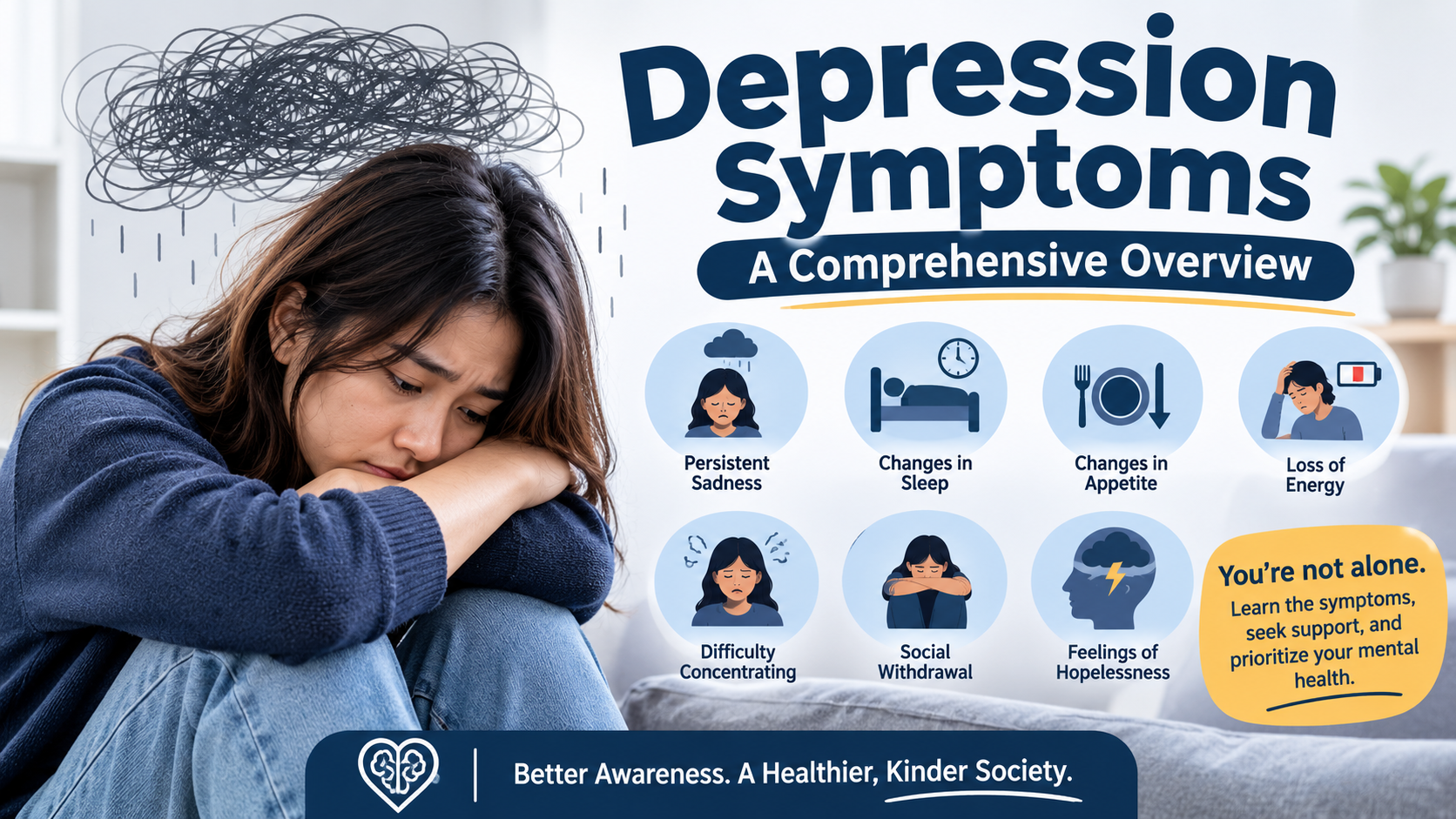
Anxiety manifests in various forms, including generalized anxiety disorder, social anxiety, and panic disorder, each carrying unique psychological burdens. Individuals with anxiety may experience persistent worry, restlessness, fatigue, and difficulty concentrating, which can hinder their ability to perform daily tasks and maintain relationships. Research indicates that anxiety disorders can lead to significant impairments in both personal and professional life, reducing motivation and engagement in activities once enjoyed.
Psychological theories provide valuable insights into understanding anxiety and its relief. Cognitive-behavioral theory posits that dysfunctional thought patterns contribute to anxiety, suggesting that altering these thoughts can lead to relief. Behavioral theories emphasize the role of learned responses and avoidance behaviors, where individuals may develop anxiety through experiences that condition them to associate specific situations with fear. Additionally, the psychodynamic perspective delves into unconscious factors that may drive anxiety, exploring unresolved conflicts or past traumas.
Recognizing symptoms of anxiety is paramount for effective intervention. Early identification of anxiety symptoms allows for timely support and self-help strategies, reducing the potential for escalation into more severe mental health issues. Common signs include physical symptoms such as increased heart rate, sweating, and gastrointestinal distress, alongside psychological indicators like excessive worrying and irritability. Understanding these symptoms enables individuals to seek professional help or adopt coping strategies, such as mindfulness, exercise, or therapy.
In summary, anxiety significantly affects mental health, daily functioning, and overall quality of life. Psychological theories shed light on the mechanisms behind anxiety and its relief, while recognizing symptoms plays a critical role in managing this pervasive condition. By fostering awareness and providing effective interventions, individuals can navigate the challenges posed by anxiety and enhance their mental well-being.
Natural Methods for Anxiety Relief in Daily Life
In today’s fast-paced world, anxiety has become a common challenge for many individuals. Fortunately, there are several natural methods that can help alleviate anxiety and promote a sense of calm. Incorporating these techniques into daily life not only fosters emotional well-being but also enhances overall health. Below are some effective natural methods for anxiety relief.
Herbal Remedies
Herbal remedies have been utilized for centuries to address anxiety and promote relaxation. One of the most well-known herbs is chamomile, often consumed as a tea. Chamomile is praised for its calming effects and can help reduce anxiety symptoms. Another effective herb is lavender, commonly used in aromatherapy or as an essential oil. Lavender has been shown to lower heart rates and promote relaxation. Additionally, valerian root is a popular choice for those struggling with insomnia due to anxiety. It can help improve sleep quality, which is often compromised by anxiety. Finally, passionflower has been linked to reduced anxiety levels and improved mood, making it a beneficial addition to an anxiety relief toolkit.
Mindfulness and Meditation
Mindfulness and meditation play a crucial role in managing anxiety. These practices encourage individuals to focus on the present moment, promoting a sense of calm and clarity. Mindfulness involves paying attention to thoughts and feelings without judgment, allowing individuals to observe their anxiety rather than becoming overwhelmed by it. Meditation, on the other hand, can take various forms, such as guided imagery, breathing exercises, or mantra repetition. Research indicates that regular mindfulness practice can lead to significant reductions in anxiety, with studies showing that it can alter brain patterns associated with stress. The benefits extend beyond anxiety relief; mindfulness and meditation can enhance emotional regulation, improve focus, and foster a greater sense of overall well-being.
Physical Activity
Engaging in physical activity is one of the most effective natural methods for reducing anxiety levels. Exercise releases endorphins, the body’s natural mood elevators, which can lead to an improved mood and reduced feelings of anxiety. Activities such as walking, jogging, or yoga can be particularly beneficial. Yoga, in particular, combines physical movement with breath control and meditation, making it a holistic approach to managing anxiety. Regular physical activity not only helps in alleviating anxiety symptoms but also promotes better sleep, increases self-esteem, and enhances resilience to stress. According to studies, even moderate exercise for 30 minutes a day can significantly lower anxiety levels, making it a practical and accessible option for many.
Deep Breathing Techniques
Deep breathing techniques are simple yet powerful tools for anxiety relief. When anxiety strikes, breathing patterns often become shallow and rapid. Practicing deep breathing helps to counteract this response by activating the body’s relaxation response. Techniques such as diaphragmatic breathing or the 4-7-8 method can be particularly effective. In diaphragmatic breathing, individuals breathe deeply through the nose, allowing the diaphragm to expand fully, and then exhale slowly through the mouth. The 4-7-8 method involves inhaling for four counts, holding the breath for seven counts, and exhaling for eight counts. These techniques can be practiced anywhere, making them an accessible option for those facing anxiety in daily life.
Establishing a Routine
Establishing a daily routine can significantly contribute to anxiety relief. Routines provide structure and predictability, which can be comforting for individuals experiencing anxiety. Incorporating specific time blocks for work, relaxation, meals, and self-care activities helps create a sense of control over one’s environment. Additionally, engaging in calming activities such as reading, journaling, or spending time in nature can enhance the routine. A consistent sleep schedule is also vital, as poor sleep can exacerbate anxiety symptoms. By creating and adhering to a routine, individuals can foster a sense of stability and reduce feelings of anxiety.
The Connection Between Diet and Anxiety Relief
Nutrition plays a crucial role in our mental health, particularly when it comes to anxiety relief. The foods we consume can have a direct impact on our mood, energy levels, and overall mental well-being. Studies have shown that certain dietary patterns, such as a Mediterranean diet rich in whole foods, can improve mental health and reduce anxiety symptoms. Incorporating specific foods known for their anxiety-relieving properties can help create a more balanced and soothing diet, contributing positively to our emotional state.
The relationship between gut health and anxiety is becoming increasingly recognized in the field of psychology and nutrition. A large portion of our serotonin, the neurotransmitter responsible for feelings of happiness, is produced in the gut. This highlights the importance of maintaining a healthy gut microbiome. A diverse gut flora can enhance the gut-brain axis communication, potentially alleviating anxiety. Foods rich in fiber, such as fruits, vegetables, and whole grains, support gut health by feeding beneficial bacteria. In contrast, a diet high in processed foods can negatively affect gut health, leading to inflammation and increasing anxiety symptoms. Probiotics and fermented foods like yogurt, kimchi, and sauerkraut can also promote gut health and help regulate mood.
Sample Meal Plan with Anxiety-Relieving Foods
Creating a meal plan that includes foods known for their anxiety-relieving benefits can be a simple yet effective way to support mental health. Here’s a sample meal plan incorporating these foods:
– Breakfast:
– Oatmeal topped with sliced bananas and a sprinkle of cinnamon
– A glass of warm lemon water
– Snack:
– A handful of mixed nuts (almonds, walnuts, and pistachios)
– Lunch:
– Quinoa salad with cherry tomatoes, cucumber, chickpeas, and a drizzle of olive oil and lemon juice
– Steamed broccoli on the side
– Snack:
– Greek yogurt with honey and a handful of blueberries
– Dinner:
– Grilled salmon served with brown rice and steamed asparagus
– A side of fermented sauerkraut
This meal plan emphasizes whole, nutrient-dense foods that can help reduce anxiety symptoms. Foods high in omega-3 fatty acids, like salmon, and those rich in antioxidants, such as berries, are particularly beneficial for mental health. Including a variety of fruits, vegetables, whole grains, and probiotic-rich foods fosters gut health and supports the body’s natural ability to manage stress and anxiety.
The Role of Professional Therapy in Anxiety Management
Anxiety can feel overwhelming, but professional therapy offers a structured approach to managing and alleviating its symptoms. Through various therapeutic modalities, individuals can develop coping mechanisms that empower them to navigate their anxiety more effectively. Understanding the types of therapy available and their impact on anxiety management is crucial for anyone seeking relief from this common mental health condition.
Therapeutic Approaches for Anxiety Relief
Professional therapy encompasses a range of techniques designed to help individuals understand and cope with their anxiety. Among these, two of the most effective are Cognitive Behavioral Therapy (CBT) and Exposure Therapy. Both methods focus on changing negative thought patterns and behaviors that contribute to anxiety.
Cognitive Behavioral Therapy (CBT) is a structured, goal-oriented approach that helps individuals identify and challenge irrational thoughts and beliefs. By reframing these thoughts, clients can reduce their anxiety symptoms and improve their emotional well-being. The process typically involves:
- Recognizing negative thought patterns that trigger anxiety.
- Learning to replace these thoughts with more balanced perspectives.
- Practicing coping strategies to manage anxiety in real-life situations.
- Engaging in behavioral experiments to test the validity of anxious thoughts.
Exposure Therapy, on the other hand, focuses on gradual exposure to anxiety-provoking stimuli. This technique helps clients confront their fears in a controlled environment, ultimately reducing their anxiety over time. The steps in Exposure Therapy include:
- Creating a hierarchy of feared situations, starting from least to most anxiety-provoking.
- Gradually exposing the client to these situations in a safe and supportive setting.
- Encouraging the client to remain in the situation until their anxiety diminishes.
- Providing tools and techniques to manage any distress that arises during exposure.
Therapy helps individuals cope with anxiety by equipping them with practical skills and insights that foster resilience. It provides a safe space for exploration and understanding, allowing clients to process their emotions without judgment. The therapeutic relationship itself can be a source of comfort, offering support and validation that may be lacking in other areas of life.
When comparing the effectiveness of therapy versus medication for anxiety relief, it’s essential to consider the long-term benefits of therapy. While medications such as SSRIs (Selective Serotonin Reuptake Inhibitors) can offer quick relief from symptoms, they often come with side effects and do not address the underlying issues contributing to anxiety. Therapy, in contrast, encourages personal growth and equips individuals with tools to manage future challenges independently. Research has shown that many individuals benefit from a combination of both therapy and medication, tailoring their treatment to their unique needs.
“Therapy is about feeling understood, supported, and empowered to make changes.”
In summary, professional therapy plays a vital role in anxiety management. With approaches like CBT and Exposure Therapy, individuals can gain insight into their anxiety, learn effective coping strategies, and ultimately lead more fulfilling lives. The choice between therapy and medication should be made based on individual circumstances, preferences, and the specific nature of one’s anxiety symptoms.
Creating a Personal Anxiety Relief Toolkit
Building a personal anxiety relief toolkit is essential for individuals seeking effective strategies to manage anxiety. A well-rounded toolkit can empower people to take control of their mental health and navigate challenging moments with confidence. By curating a collection of tools and resources tailored to personal needs, individuals can create a sustainable approach to anxiety relief.
Creating a comprehensive list of tools and resources is a critical step in managing anxiety. These tools can range from simple breathing techniques to engaging in hobbies or utilizing technology. It’s important for everyone to explore different strategies to find what resonates best with them. Here are some effective tools that many have found helpful:
Essential Tools for Anxiety Management
A diverse range of tools can enhance your anxiety relief toolkit. The following list highlights various resources commonly used by individuals, each serving a unique purpose in anxiety management.
- Mindfulness Apps: Apps such as Headspace or Calm provide guided meditations and mindfulness exercises that encourage relaxation and present-moment awareness.
- Journaling: Writing down thoughts and feelings can help clarify emotions and reduce overwhelming feelings. Keeping a gratitude journal can also improve overall mood.
- Exercise Routines: Regular physical activity can significantly lower anxiety levels. Activities like yoga, running, or even brisk walking can release endorphins, promoting feelings of well-being.
- Breathing Techniques: Simple techniques, like the 4-7-8 method, can help manage acute anxiety by focusing on breath and calming the nervous system.
- Therapeutic Support: Engaging with a therapist or counselor can provide personalized strategies and support tailored to individual experiences with anxiety.
“Building a toolkit isn’t just about having resources; it’s about knowing yourself well enough to choose what works.”
Personal anecdotes often provide relatable insights into the effectiveness of anxiety relief toolkits. One individual, Sarah, shared her journey of crafting her toolkit, which included a mix of mindfulness practices, physical exercise, and creative outlets such as painting. Through consistent use of her toolkit, Sarah noticed a dramatic decrease in her anxiety levels and reported feeling more in control of her emotions.
Another testimonial comes from Mark, who emphasized the importance of using technology to assist his anxiety management. By incorporating apps that facilitate meditation and tracking his anxious moments, he was able to identify patterns and triggers. This self-awareness allowed him to make informed adjustments to his daily routine.
Customizing anxiety relief strategies is crucial, as each person experiences anxiety differently. Individual preferences, lifestyle, and past experiences all play a role in determining what techniques work best. It is essential to experiment with various tools and adapt them to suit personal needs. What works for one individual may not resonate with another, and embracing this uniqueness can lead to more effective anxiety management.
“The best toolkit is one that reflects who you are and what you need to thrive.”
The Impact of Social Support on Anxiety Relief
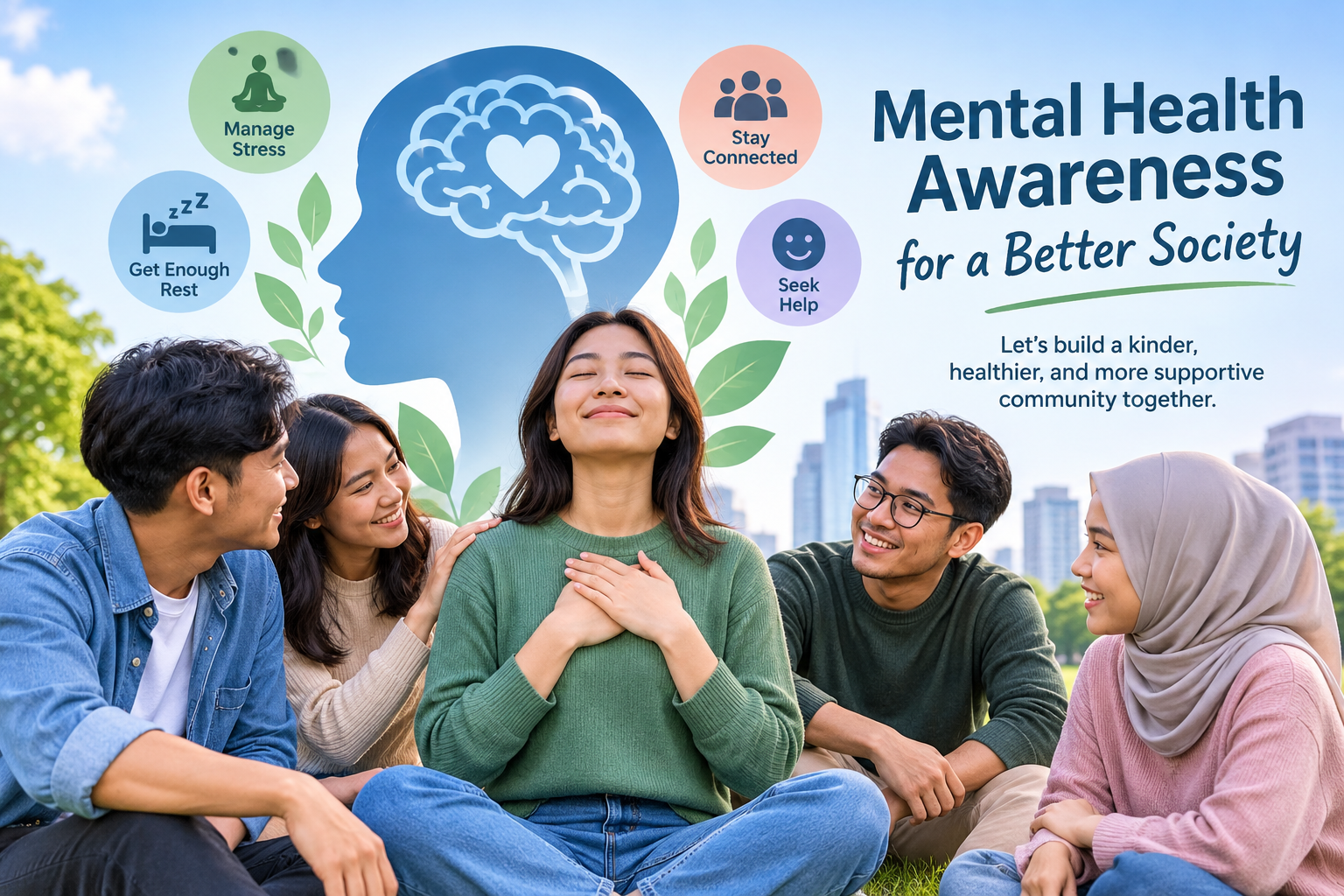
Social connections play a crucial role in managing and alleviating anxiety symptoms. When individuals interact with supportive friends, family, and communities, they often experience a sense of belonging and understanding that can significantly reduce feelings of isolation and distress. The emotional support provided by social networks helps individuals process their feelings and cope with anxiety more effectively.
The presence of a supportive social network can have a profound impact on an individual’s mental health. Studies have shown that people with strong social ties are better equipped to deal with stress and anxiety. Emotional support from friends and family can lead to improved mental well-being, while the act of sharing experiences can provide relief and validation. Engaging with others fosters a sense of security, which can mitigate the symptoms of anxiety.
Ways to Build a Supportive Social Network for Anxiety Relief
Establishing a solid social support network is vital for managing anxiety. Here are several effective strategies to help create a supportive environment:
- Engage in Social Activities: Join clubs, classes, or groups that align with your interests. Participating in social activities not only puts you in contact with like-minded individuals but also provides a structured setting to meet new people.
- Reach Out to Existing Relationships: Take the initiative to connect with friends and family. Don’t hesitate to express your feelings or concerns; opening up can strengthen your relationships and invite support.
- Utilize Online Platforms: Explore online support forums and social media groups dedicated to anxiety relief. These platforms can connect you with a community that understands your struggles, offering shared experiences and advice.
Community groups and online support forums can be invaluable resources for individuals dealing with anxiety. Community groups often provide in-person connections and activities that foster a sense of belonging. These groups can range from support meetings to hobby clubs, promoting interaction among members and facilitating mutual support.
Online support forums are particularly beneficial for those who may feel uncomfortable discussing their issues face-to-face. They allow for anonymity and provide a space to share experiences, receive advice, and find encouragement from others facing similar challenges. The convenience of accessing these resources from home makes it easier for individuals to reach out for help when needed.
“Strong social support can act as a buffer against anxiety, providing individuals with the resources and connections necessary to navigate their mental health challenges.”
Exploring Innovative Technological Aids for Anxiety Relief
In recent years, technology has emerged as a powerful ally in the fight against anxiety. With the proliferation of various apps and digital tools designed specifically for managing mental health, individuals experiencing anxiety can access resources and support at their fingertips. These innovative aids not only offer immediate relief but also facilitate long-term coping strategies. This exploration highlights some prominent technological solutions available to assist those seeking to alleviate their anxiety.
Technological Tools for Anxiety Management
Numerous technological aids exist to help manage anxiety effectively. These tools vary in functionality and user experience, catering to a wide range of needs. Below are three noteworthy options:
- Headspace: This app is popular for its easy-to-follow guided meditations and mindfulness exercises. Users can engage in short sessions that focus on breathing techniques, visualization, and relaxation, helping to reduce stress and anxiety levels.
- Calm: Known for its calming sounds and sleep stories, Calm provides an array of meditation resources to help users find a sense of peace. With tools for both short-term anxiety relief and long-term mental wellness, it encourages users to integrate mindfulness into their daily routines.
- Woebot: This AI-powered chatbot offers conversational support and cognitive-behavioral techniques. Woebot engages users in dialogue about their feelings, providing instant coping strategies and emotional support when anxiety strikes.
Technology has the potential to provide immediate anxiety relief through various mechanisms. One significant advantage is the accessibility of resources that can be utilized in real-time. For instance, when faced with an anxiety-inducing situation, a user can quickly open a meditation app such as Headspace or Calm and engage in breathing exercises or guided meditations. This instant access allows for immediate regulation of anxiety symptoms, reducing the likelihood of an overwhelming panic response.
Moreover, technology can facilitate a sense of connection and support. With platforms like Woebot, individuals can interact with a virtual companion that offers encouragement and coping strategies. Such interactions can help mitigate feelings of isolation, which often accompany anxiety disorders. Additionally, many apps provide personalized feedback and progress tracking, empowering users by making them aware of their emotional health journey.
Despite these benefits, relying on technology for anxiety management can pose challenges. One major drawback is the potential for over-dependence on digital tools, which might lead some individuals to overlook the importance of traditional therapy or face-to-face support. Moreover, not all apps are created equally; the quality and effectiveness can vary significantly. Users may find themselves overwhelmed by options or frustrated by a lack of personalization.
Another concern is the impact of screen time on mental health. Excessive use of digital devices can contribute to higher levels of anxiety and disrupt sleep patterns, which may exacerbate the very issues these tools aim to alleviate. Therefore, it’s essential for users to strike a balance between leveraging technology and engaging in holistic approaches to mental wellness.
The Importance of Sleep for Anxiety Relief
Quality sleep is a cornerstone of mental health, particularly when it comes to managing anxiety. Research has consistently shown that poor sleep can exacerbate anxiety symptoms, creating a cyclical problem where anxiety leads to sleep disturbances, which in turn increases anxiety levels. A good night’s sleep not only helps regulate mood but also plays a crucial role in cognitive processes, emotional regulation, and overall wellbeing.
Sleep quality is intricately linked to anxiety levels, with numerous studies indicating that individuals who experience insomnia or disrupted sleep patterns often report higher levels of anxiety. A study published in the journal *Sleep* revealed that 50% to 80% of individuals with anxiety disorders also experience sleep disturbances. Furthermore, the National Sleep Foundation emphasizes that sleep deprivation can lead to increased levels of cortisol, the stress hormone, which can aggravate feelings of anxiety.
Strategies for Improving Sleep Hygiene
Improving sleep hygiene can significantly alleviate anxiety and enhance the quality of sleep. Here are effective strategies to consider:
- Establish a Consistent Routine: Going to bed and waking up at the same time every day helps regulate your body’s internal clock, leading to more restful sleep.
- Create a Relaxing Bedtime Environment: A cool, dark, and quiet room can greatly enhance sleep quality. Consider using blackout curtains or a white noise machine to minimize disturbances.
- Avoid Stimulants Before Bed: Reducing intake of caffeine and nicotine in the hours leading up to sleep can prevent interference with your sleep cycle.
- Limit Screen Time: Blue light emitted from screens can hinder melatonin production. Aim to turn off electronic devices at least an hour before bedtime.
- Engage in Relaxation Techniques: Practicing mindfulness, deep breathing, or gentle yoga before bed can help reduce anxiety and prepare your body for sleep.
Research highlights the significance of sleep for mental health, with studies indicating that individuals who prioritize sleep experience lower anxiety levels. According to a report from the Centers for Disease Control and Prevention (CDC), approximately 35% of adults in the U.S. report getting less than the recommended seven hours of sleep per night. This sleep deprivation correlates with higher rates of anxiety and depression, emphasizing the need for effective sleep strategies as part of comprehensive anxiety management.
End of Discussion
In conclusion, navigating through anxiety relief involves a multifaceted approach that combines awareness, self-care, and professional help when necessary. By integrating natural methods, nutritional considerations, and social support into daily life, individuals can significantly reduce anxiety symptoms. It’s important to remember that finding the right mix of strategies is a personal journey, and with the right tools, relief is within reach.
FAQ Summary
What are some immediate techniques for anxiety relief?
Deep breathing exercises, focusing on your senses, and practicing grounding techniques can provide quick relief from anxiety symptoms.
Can anxiety be completely cured?
While many people manage their anxiety effectively, it may not be completely curable for everyone. However, symptoms can be significantly reduced with the right approaches.
How long does it take to see results from therapy?
Results can vary, but many individuals start to notice improvements within a few sessions, depending on their specific situation and the type of therapy used.
Are there any long-term effects of untreated anxiety?
Untreated anxiety can lead to chronic stress, physical health problems, and difficulties in personal and professional relationships over time.
Is medication necessary for everyone with anxiety?
No, not everyone needs medication; many find relief through therapy and lifestyle changes. It’s essential to consult a healthcare professional for personalized advice.