







Emotional well-being is more than just a state of mind; it’s a vital component of leading a fulfilling life. It shapes our thoughts, influences our behaviors, and plays a significant role in how we interact with the world around us. Individuals with strong emotional well-being tend to have better physical health, maintain healthier relationships, and experience higher satisfaction in their daily activities. Understanding and nurturing our emotional health can lead to improved decision-making and increased productivity, creating a ripple effect that enhances various aspects of life.
As we explore the significance of emotional well-being, we will delve into its components, the role of mindfulness and self-care, the impact of social connections, and strategies to cultivate emotional intelligence. Each element contributes to a holistic understanding of emotional health, emphasizing its importance in navigating life’s challenges.
Emotional well-being is a crucial aspect of overall health that influences daily functioning and life satisfaction.
Emotional well-being is an integral part of our overall health, shaping how we think, feel, and interact with others. It directly influences our daily functioning and life satisfaction. When we prioritize our emotional well-being, we are more likely to experience positive emotions, cope effectively with stress, and build meaningful relationships. This foundation of stability enables us to navigate through life’s challenges with resilience and a sense of purpose.
The significance of emotional well-being extends far beyond mere happiness. It plays a crucial role in our physical health and our relationships. Numerous studies suggest that individuals with high emotional well-being are less likely to experience chronic illnesses. This is largely due to the fact that positive emotions are linked to lower levels of stress hormones, which in turn can lead to improved immune function and lower blood pressure. Additionally, good emotional health fosters strong social connections, as individuals who feel good emotionally are more likely to engage in social activities and maintain healthy relationships.
Emotional well-being also has a profound impact on decision-making and productivity. When individuals are emotionally balanced, they are better equipped to make thoughtful decisions rather than impulsive ones. For instance, someone in a positive emotional state may approach a challenging project at work with creativity and confidence, leading to innovative solutions and enhanced productivity. Conversely, someone struggling with emotional turmoil may find it difficult to focus, leading to procrastination and a decline in work quality.
Examples of emotional well-being affecting decision-making can be observed in various scenarios. A student who is feeling emotionally secure may excel in academics, actively participating in discussions and collaborating with peers. On the other hand, a person grappling with anxiety might struggle with making even simple choices, such as selecting a meal or deciding on a weekend plan. This illustrates how emotional well-being becomes a driving force behind our actions and decisions, coloring our experiences and shaping our lives.
Understanding the components that make up emotional well-being can help individuals improve their mental state.
Emotional well-being is a crucial aspect of overall health, influencing how we feel, think, and interact with others. It encompasses various components that contribute to our mental state and overall life satisfaction. By understanding these components, individuals can take actionable steps to enhance their emotional health and resilience in the face of life’s challenges.
The key components of emotional well-being include self-awareness, emotional regulation, and resilience. Each of these components plays a significant role in shaping an individual’s emotional health.
Self-awareness
Self-awareness involves recognizing and understanding one’s emotions, thoughts, and behaviors. This foundational component allows individuals to identify their emotional triggers, understand their strengths and weaknesses, and assess how their feelings influence their actions. By being self-aware, people can make more conscious choices that align with their values and goals.
Emotional regulation
Emotional regulation refers to the ability to manage and respond to emotional experiences in a healthy way. This includes recognizing when emotions arise and employing strategies to cope effectively without being overwhelmed. Emotional regulation is essential for maintaining relationships and navigating social situations, as it helps individuals express their feelings appropriately and constructively.
Resilience
Resilience is the capacity to recover from setbacks, adapt to change, and keep going in the face of adversity. Individuals with high resilience are better equipped to handle stress, bounce back from failures, and maintain a positive outlook. This component is vital for emotional well-being, as it fosters a mindset that embraces challenges as opportunities for growth.
To further illustrate how to enhance these components of emotional well-being, the following table provides activities that can support self-awareness, emotional regulation, and resilience:
| Component | Activities |
|---|---|
| Self-awareness |
Journaling to reflect on feelings and experiences. Mindfulness meditation to remain present and observe thoughts without judgment. Seeking feedback from trusted friends or mentors to gain perspective. |
| Emotional regulation |
Practicing deep breathing techniques to calm the mind. Engaging in physical activity to release pent-up emotions. Learning and using coping strategies, such as cognitive reframing. |
| Resilience |
Setting realistic goals and breaking them into manageable steps. Building a strong support network of friends and family. Reflecting on past challenges and the lessons learned from them. |
The role of mindfulness and self-care practices in enhancing emotional well-being should not be underestimated.
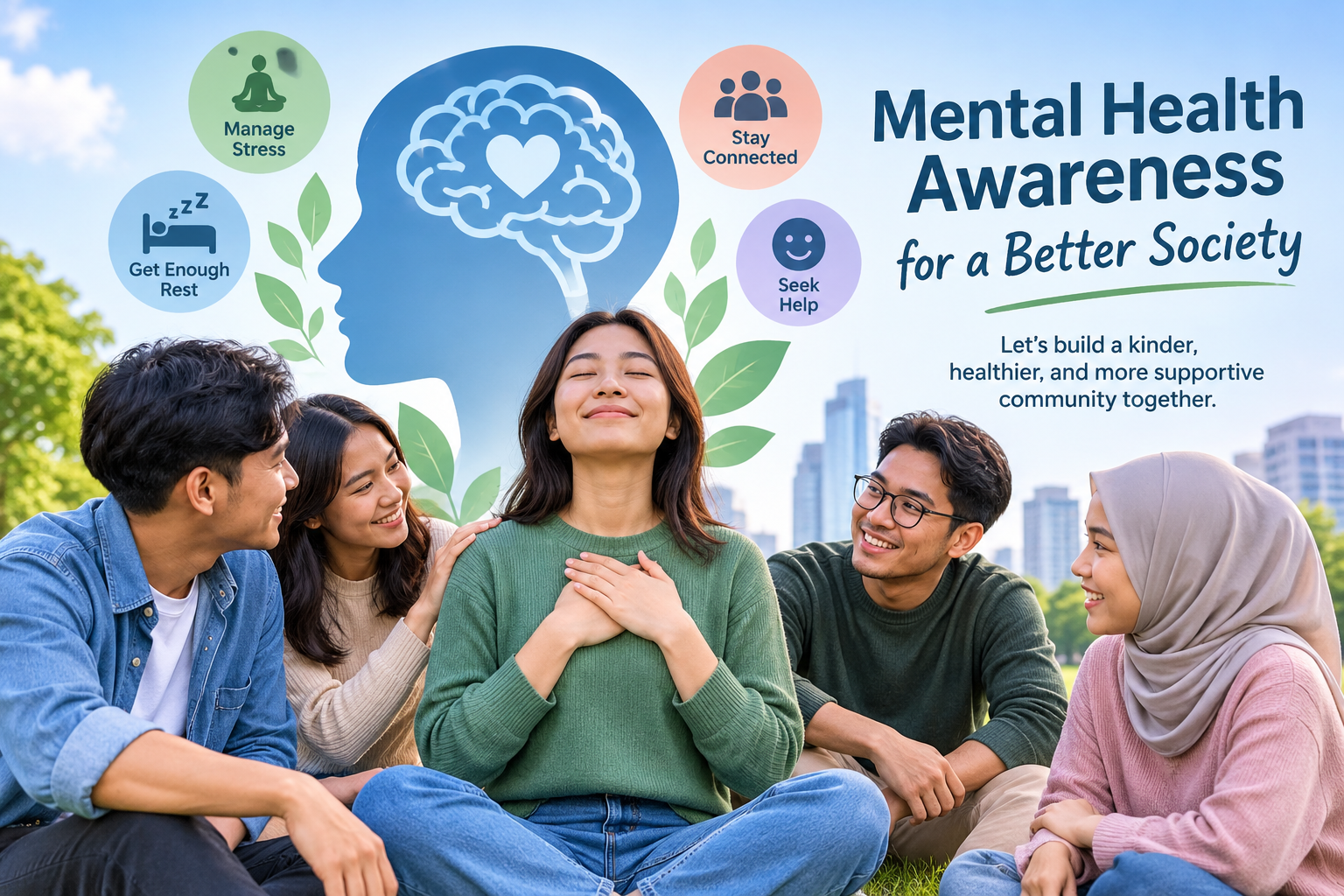
Mindfulness and self-care practices are essential components of emotional well-being. They enable individuals to cultivate a greater sense of self-awareness, reduce stress, and improve emotional regulation. By focusing on the present moment and actively engaging in self-nurturing activities, one can significantly enhance their overall emotional health. This discussion will delve into various mindfulness techniques, the benefits of self-care activities, and how consistent practice leads to lasting emotional stability.
Mindfulness Techniques and Their Effects on Emotional Health
Mindfulness encompasses a range of techniques that promote awareness and presence in everyday life. These practices can dramatically improve emotional health by fostering resilience and reducing anxiety. Techniques include:
1. Mindful Breathing: This involves focusing on the breath and observing it without judgment. Practicing mindful breathing for just a few minutes a day can alleviate stress and calm the mind, leading to enhanced emotional stability.
2. Body Scan Meditation: This technique encourages individuals to mentally scan their body from head to toe, observing any sensations without reacting to them. It helps in reducing bodily tension and increases self-awareness, making it easier to manage emotional responses.
3. Mindful Observation: Engaging with one’s surroundings by observing the details of an object or nature can create a sense of connection and peace. This practice helps ground individuals in the present and fosters positive emotions.
4. Gratitude Journaling: Writing down things one is grateful for allows individuals to shift focus from negative thoughts to positive experiences. This can cultivate a more optimistic outlook and mitigate feelings of sadness.
5. Loving-Kindness Meditation: This practice involves sending goodwill and compassion to oneself and others. Research shows that it can increase feelings of connectedness and reduce negative emotions.
Regular engagement in these mindfulness practices can lead to improved emotional responses, decreasing the frequency and intensity of stress and anxiety over time.
Self-Care Activities to Boost Emotional Well-Being
Self-care is a vital practice for maintaining emotional well-being. Engaging in self-care activities can recharge the mind and body, enabling individuals to cope better with life’s challenges. Here are several self-care activities and their benefits:
– Physical Exercise: Engaging in regular physical activity releases endorphins, which are natural mood lifters. Exercise also enhances overall physical health, contributing to higher self-esteem.
– Creative Outlets: Activities such as painting, writing, or playing music allow for self-expression, which can be therapeutic. These creative endeavors can help in processing emotions and reducing stress.
– Nature Walks: Spending time outdoors in nature can enhance mood and promote relaxation. The sights, sounds, and smells of nature have been shown to reduce anxiety and increase feelings of well-being.
– Mindful Eating: This involves paying attention to the experience of eating, such as savoring each bite. It can promote healthier eating habits and foster a positive relationship with food.
– Quality Sleep: Prioritizing good sleep hygiene can greatly affect emotional health. Adequate rest improves mood and cognitive function, making it easier to manage stress.
Incorporating these self-care activities into daily life can help create an emotional buffer against stressors and improve resilience.
Long-Term Benefits of Consistent Practice
Consistent practice of mindfulness techniques and self-care activities offers profound long-term benefits for emotional stability. Over time, these practices can reshape how individuals respond to stress, enhance emotional regulation, and foster a greater sense of overall contentment. By developing a habit of mindfulness, individuals may find it easier to remain calm during challenging situations and maintain a positive outlook. This adaptability is crucial for navigating life’s ups and downs, leading to a more balanced and fulfilling emotional life. Furthermore, building a routine around mindfulness and self-care activities can create a foundational support system that encourages ongoing personal growth and resilience.
The impact of social connections on emotional well-being is profound and multifaceted.
Social connections play a vital role in shaping our emotional health. They offer us a sense of belonging, purpose, and support, which are essential components of our overall well-being. Whether through family, friends, or community ties, these relationships significantly affect how we feel and cope with life’s challenges. In this discussion, we will explore the various ways social interactions influence our emotional landscape, highlighting both the positive and negative aspects.
Influence of Relationships on Emotional Health
Strong social ties can enhance emotional well-being by providing support, fostering resilience, and creating a sense of belonging. Individuals with deep connections often experience lower levels of stress and anxiety and have higher self-esteem. For instance, a study published in the Journal of Health and Social Behavior found that people with robust social networks are 50% more likely to report high levels of happiness compared to those who are more isolated.
On the flip side, negative social interactions can lead to increased feelings of loneliness and depression. Toxic relationships, characterized by conflict, criticism, or lack of support, can severely impact mental health. A report from the National Institute of Mental Health highlights that individuals who experience frequent negative interactions are at a greater risk of developing anxiety and depression.
To illustrate the importance of social connections, consider the following statistics:
- According to a study by the American Psychological Association, individuals with strong social ties have a 50% higher chance of living longer compared to those with weaker connections.
- Research from the University of California, Berkeley indicates that social isolation can lead to health risks equivalent to smoking 15 cigarettes a day.
Building and maintaining a supportive social network is crucial for emotional well-being. It requires effort and intention, such as nurturing friendships, participating in community activities, or seeking new social opportunities. Engaging in meaningful conversations, offering help to others, and being open to receiving support are all essential elements of fostering these connections.
In summary, the impact of social connections on emotional health cannot be overstated. The balance between positive and negative interactions shapes our emotional experiences, and nurturing supportive relationships can lead to a more fulfilling life.
Strategies for developing emotional intelligence can significantly improve emotional well-being.
Emotional intelligence (EI) refers to the ability to recognize, understand, and manage our own emotions as well as the emotions of others. It plays a crucial role in our daily lives, influencing how we communicate, resolve conflicts, and build relationships. Higher emotional intelligence fosters greater empathy, improved mental health, and more effective collaboration, leading to enhanced emotional well-being.
Understanding Emotional Intelligence and its Importance
Emotional intelligence encompasses several competencies, including self-awareness, self-regulation, motivation, empathy, and social skills. These competencies guide individuals in navigating social complexities, making informed decisions, and managing stress. For instance, a person with high EI can remain calm under pressure, understand the feelings of their colleagues, and respond appropriately, which helps in creating a positive work environment and maintaining healthy relationships.
Steps to Enhance Emotional Intelligence
Improving emotional intelligence is a gradual process that requires conscious effort and practice. Below are actionable steps that individuals can take to enhance their emotional intelligence:
1. Practice Self-Awareness
– Reflect on your emotions regularly. Keeping a journal can help track your feelings and identify triggers.
– Seek feedback from trusted friends or coworkers about how they perceive your emotional responses.
2. Develop Self-Regulation Skills
– Implement mindfulness techniques, such as meditation or deep-breathing exercises, to stay present and manage your reactions.
– Pause before responding to emotional situations, allowing time to process your feelings and think through your response.
3. Enhance Motivation
– Set personal goals that align with your values and passions to cultivate intrinsic motivation.
– Celebrate small achievements to build confidence and maintain enthusiasm.
4. Cultivate Empathy
– Practice active listening by focusing fully on the speaker, understanding their perspective, and responding thoughtfully.
– Engage in conversations with diverse individuals to broaden your understanding of different emotions and experiences.
5. Improve Social Skills
– Participate in group activities or team projects to practice interpersonal communication.
– Seek opportunities for networking to enhance your ability to build relationships and resolve conflicts.
Resources for Developing Emotional Intelligence
For those interested in further enhancing their emotional intelligence, there are various resources available. Below is a list that includes books, online courses, and relevant organizations:
– Books:
– “Emotional Intelligence: Why It Can Matter More Than IQ” by Daniel Goleman
– “The Emotionally Intelligent Manager” by David R. Caruso and Peter Salovey
– Online Courses:
– “Developing Your Emotional Intelligence” on LinkedIn Learning
– “Emotional Intelligence at Work” offered by Coursera
– Organizations:
– The Consortium for Research on Emotional Intelligence in Organizations
– The Emotional Intelligence Network
By implementing these strategies and utilizing the available resources, individuals can significantly boost their emotional intelligence and improve their overall emotional well-being.
Coping mechanisms for dealing with emotional distress are essential for maintaining emotional well-being.
Coping mechanisms play a vital role in how individuals navigate the ups and downs of life. When faced with emotional distress, having effective strategies at hand can help mitigate feelings of anxiety, sadness, or overwhelm. Learning to manage emotional pain not only improves mental health but also enhances overall quality of life.
Various coping strategies can be employed to handle stress and emotional pain. These strategies can be broadly categorized into healthy and unhealthy coping mechanisms. Healthy coping methods lead to positive outcomes and emotional resilience, while unhealthy ones may provide temporary relief but can result in long-term negative effects.
Healthy coping strategies
Healthy coping strategies involve constructive actions that help alleviate emotional distress and promote well-being. Here are some effective methods:
- Mindfulness and meditation: Engaging in mindfulness practices allows individuals to stay present, reducing anxiety and fostering a sense of calm.
- Physical activity: Exercise releases endorphins, which can improve mood and reduce stress levels.
- Social support: Reaching out to friends or family for support can enhance emotional resilience and provide a sense of belonging.
- Hobbies and creative outlets: Pursuing interests such as painting, writing, or music can serve as a therapeutic escape and foster emotional expression.
- Therapy or counseling: Professional help provides a safe space to explore emotions and develop coping skills.
Unhealthy coping strategies
Unhealthy coping mechanisms may offer short-term relief but often lead to further complications. It’s important to recognize these methods to avoid their pitfalls:
- Substance abuse: Turning to alcohol or drugs may temporarily numb emotional pain but can lead to addiction and other health issues.
- Avoidance behaviors: Ignoring problems or procrastinating can create a cycle of unresolved issues and increased stress.
- Overeating or unhealthy eating: Using food as a comfort can lead to health problems and does not address the underlying emotions.
- Aggression or emotional outbursts: Reacting with anger can damage relationships and lead to feelings of guilt and shame.
- Excessive screen time or social media use: While it may provide distraction, it can exacerbate feelings of loneliness and anxiety.
Comparison of coping mechanisms
Understanding the advantages and disadvantages of different coping methods can provide clarity on how to approach emotional distress. The following table Artikels these aspects:
| Coping Method | Advantages | Disadvantages |
|---|---|---|
| Mindfulness and meditation | Enhances emotional regulation, reduces anxiety. | Requires practice and consistency to see benefits. |
| Physical activity | Improves mood and physical health. | May be challenging for those with physical limitations. |
| Substance abuse | Provides immediate relief from distress. | Can lead to addiction and worsened mental health. |
| Avoidance behaviors | Offers temporary escape from stress. | Increases anxiety and prolongs unresolved issues. |
| Therapy or counseling | Develops long-term coping skills, provides professional guidance. | Can be costly and requires commitment. |
Choosing healthy coping mechanisms is crucial for emotional well-being and can significantly impact one’s ability to handle life’s challenges.
The influence of cultural perspectives on emotional well-being is a critical area of exploration.
Emotional well-being varies significantly across cultures, shaped by distinct beliefs, practices, and societal norms. Understanding how different cultures perceive and manage emotional health is essential for fostering a supportive environment in our multicultural society. Each culture has unique approaches to emotional expression, coping mechanisms, and the significance placed on mental health, which can deeply influence individuals’ experiences and perceptions of their emotional landscape.
Cultural Perceptions and Practices Surrounding Emotional Health
The way cultures handle emotional health is diverse, with various societal norms and values influencing individual practices. Here are three distinct cultural perspectives that showcase this diversity:
1. Eastern Cultures (e.g., Japan and China): In many Eastern cultures, emotional well-being is often intertwined with community and family. There is a tendency to prioritize harmony and collective well-being over individual expression. For instance, in Japan, the concept of “wa” emphasizes group cohesion, leading to a culture where expressing negative emotions openly may be seen as disruptive. A personal anecdote illustrates this: a friend from Japan once shared how, during a tough time, they felt pressured to maintain a cheerful demeanor at work, even when they were struggling internally. This reflects the cultural expectation to uphold group harmony, which can complicate personal emotional expression.
2. Western Cultures (e.g., USA and Canada): In contrast, many Western cultures often emphasize individualism and self-expression. Emotional health is frequently framed as a personal responsibility. People are encouraged to communicate their feelings openly and seek help when needed. For example, in the United States, therapy is widely accepted and often promoted as a vital tool for personal development. A colleague once recounted their journey through therapy as a transformative experience, highlighting how discussing their feelings openly was not only accepted but encouraged within their social circles.
3. Indigenous Cultures (e.g., Native American Tribes): Indigenous cultures tend to view emotional well-being through a holistic lens, integrating spiritual, physical, and emotional health. For many Native American communities, connection to nature and traditional practices plays a crucial role in maintaining emotional balance. A powerful story involved a Native American friend who shared how participating in community rituals, such as sweat lodges, helped them navigate periods of grief. These communal practices foster a sense of belonging and support, illustrating an approach to emotional health that emphasizes community and spirituality.
Understanding these cultural differences is vital for individuals navigating emotional well-being in a multicultural society. When diverse perspectives are recognized and respected, it enhances empathy and fosters more inclusive practices that support emotional health. Individuals seeking emotional well-being can benefit from recognizing these cultural factors, adapting their approaches to align with their backgrounds while also embracing the therapeutic practices of other cultures. By doing so, they can create a more supportive and understanding emotional climate that respects diverse experiences and promotes overall well-being.
The importance of professional help in maintaining emotional well-being cannot be overlooked.
Seeking professional help is a vital step toward maintaining emotional well-being. Individuals often face challenges that can affect their mental health, and professional support can provide the tools and strategies necessary to navigate these obstacles effectively. Whether dealing with everyday stressors or deeper emotional issues, professional guidance can lead to a more balanced and fulfilling life.
Forms of Professional Support
Various forms of professional support are available, each offering unique benefits. Therapy and counseling are two primary avenues that individuals can pursue.
– Therapy: This form of professional help often involves in-depth discussions and various therapeutic techniques. Cognitive Behavioral Therapy (CBT), for instance, helps individuals identify and change negative thought patterns, while psychodynamic therapy delves into unconscious processes influencing current behavior. Therapists provide a safe space for clients to express their feelings and work through unresolved issues.
– Counseling: Generally more short-term compared to therapy, counseling focuses on specific issues or life changes. It can be particularly effective for individuals facing transitional periods, such as job loss or relationship changes. Counselors offer practical advice and support, helping clients develop coping strategies and set realistic goals.
Both therapy and counseling foster personal growth and self-awareness, which are essential components of emotional well-being.
Situations Requiring Professional Help
Certain situations underline the importance of seeking professional assistance. Recognizing when to reach out for help can make a significant difference in one’s mental health journey.
Examples include:
– Experiencing prolonged feelings of sadness or hopelessness.
– Struggling with anxiety that interferes with daily activities.
– Dealing with trauma or post-traumatic stress after a distressing event.
– Facing relationship issues that seem insurmountable.
– Coping with significant life changes, such as divorce or the death of a loved one.
Each of these scenarios can heavily impact emotional well-being, making the involvement of a professional not just beneficial but essential.
Considerations for Choosing a Mental Health Professional
Selecting the right mental health professional is crucial for effective treatment. Here are several key considerations when making this decision:
– Qualifications and Credentials: Ensure the professional has relevant qualifications, licenses, and experience in their field.
– Specialization: Look for a professional who specializes in the specific issues you want to address, such as anxiety, depression, or trauma.
– Approach and Techniques: Familiarize yourself with the therapeutic approaches they use to see if it aligns with your preferences and needs.
– Compatibility: Consider whether you feel comfortable with the professional; a good rapport can enhance the therapeutic process.
– Availability and Accessibility: Check their availability for appointments and whether they offer flexible scheduling options, including virtual sessions.
– Cost and Insurance: Understand the costs involved and whether they accept your insurance or offer a sliding scale for affordability.
By keeping these points in mind, individuals can find a mental health professional who can best support their journey toward emotional well-being.
Outcome Summary
In summary, emotional well-being is a multifaceted topic that encompasses various dimensions of our lives. By acknowledging its significance and implementing strategies to enhance it, we can create a balanced, fulfilling existence. Whether through mindfulness practices, building strong relationships, or seeking professional support, prioritizing emotional well-being ultimately leads to a richer, more meaningful life experience.
FAQ Compilation
What are some signs of poor emotional well-being?
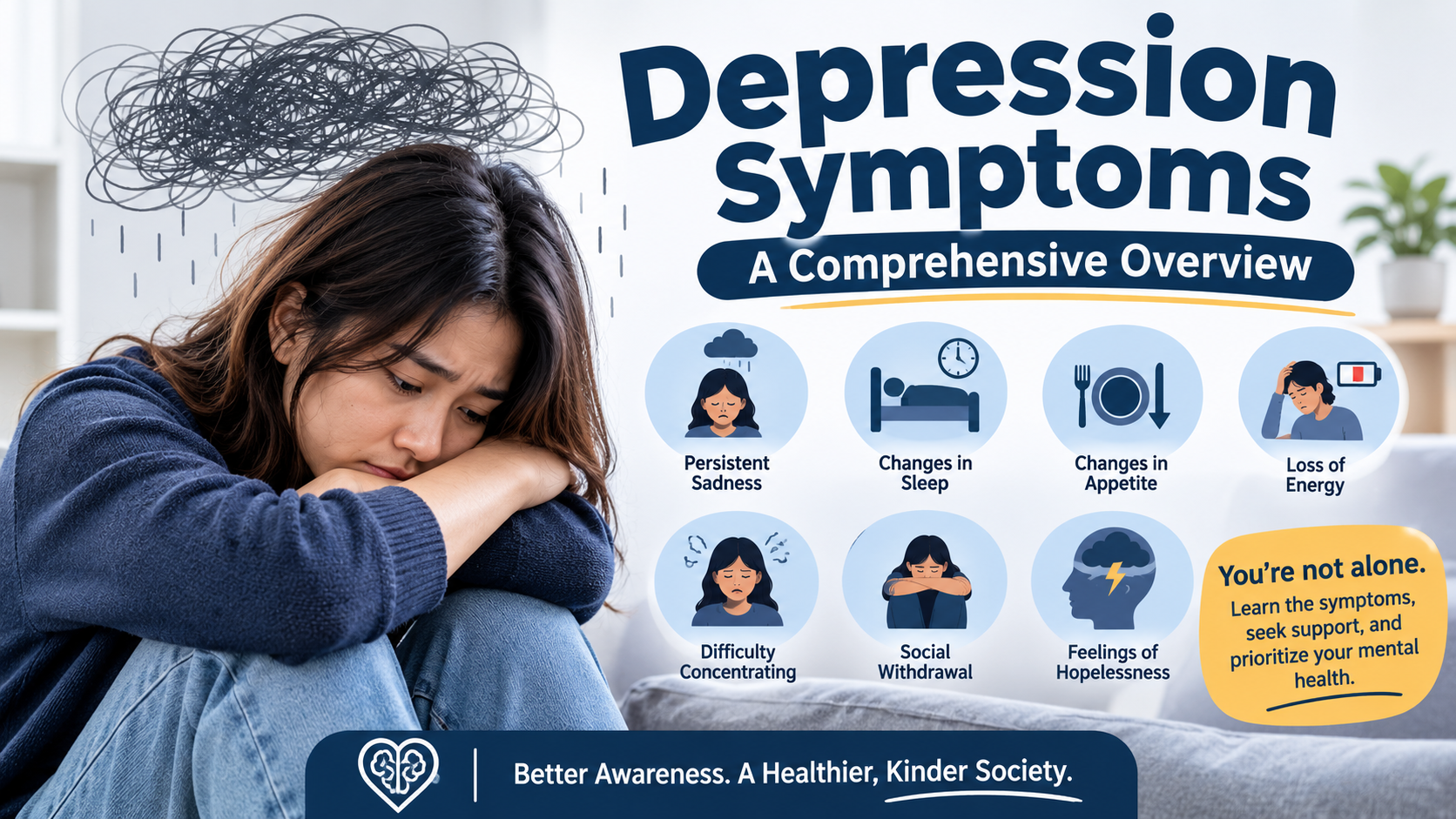
Signs may include persistent sadness, anxiety, irritability, and difficulty concentrating, along with changes in appetite or sleep patterns.
How can I improve my emotional well-being?
Improvement can come from practicing mindfulness, engaging in self-care, fostering social connections, and seeking professional help when needed.
Is emotional well-being the same as mental health?
While related, emotional well-being focuses more on how we manage our emotions and relationships, whereas mental health encompasses a broader range of psychological conditions.
Can physical activity influence emotional well-being?
Yes, regular physical activity is linked to improved mood and reduced anxiety, positively contributing to emotional health.
How often should I practice mindfulness for it to be effective?
Consistency is key; even a few minutes daily can significantly enhance emotional well-being over time.