








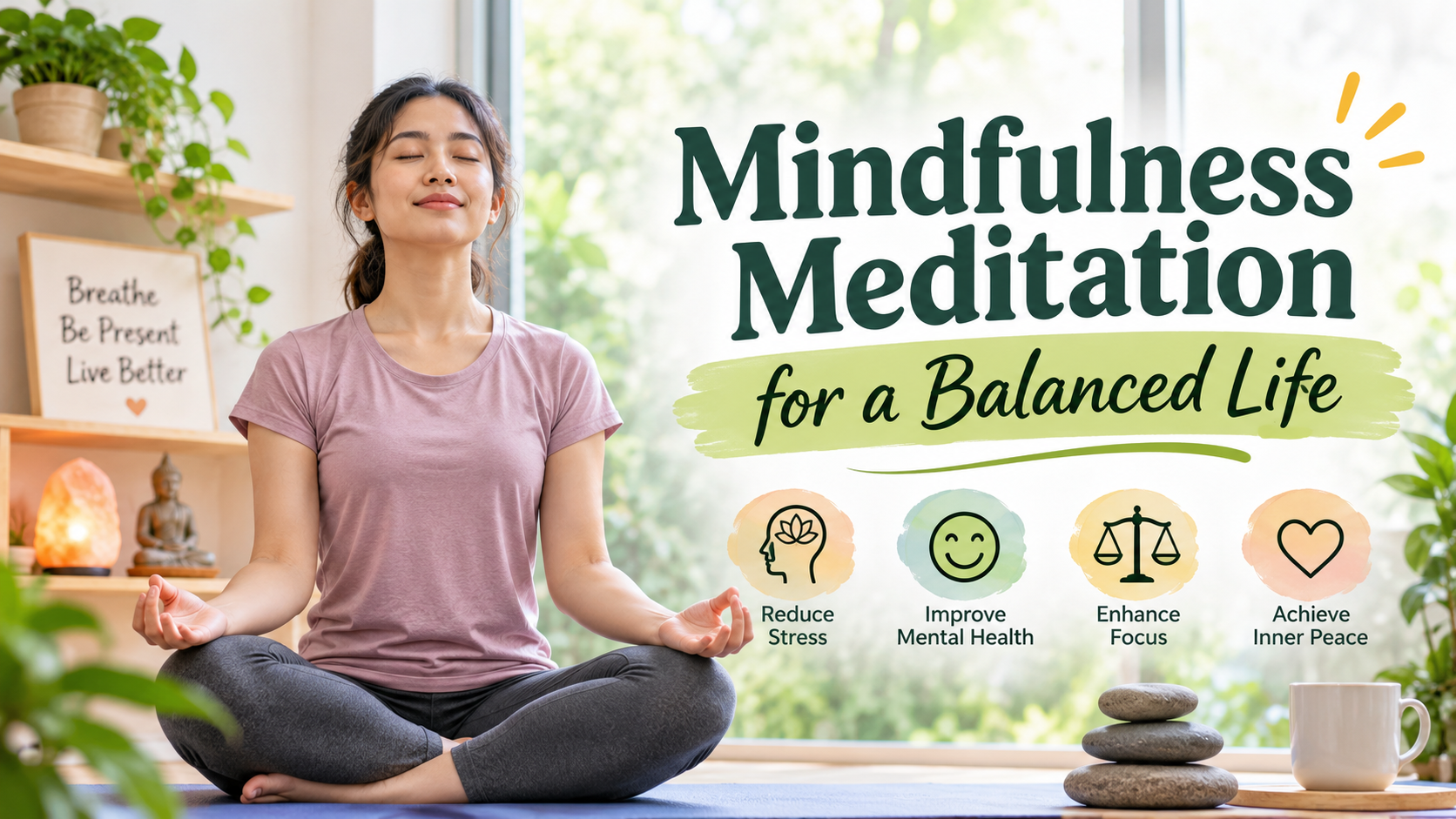
Kicking off with Mindfulness meditation, this practice has gained immense popularity as a powerful tool for enhancing mental clarity and emotional resilience. Rooted in ancient traditions, particularly Buddhism, mindfulness meditation offers a pathway to self-awareness and improved well-being.
This article delves into the historical evolution of mindfulness meditation, explores its psychological and physical benefits, and provides practical techniques to incorporate into daily life, making it accessible for everyone, regardless of their busy schedules.
The Historical Development of Mindfulness Meditation
Mindfulness meditation has a rich history that spans centuries, rooted in ancient traditions and philosophical teachings. It primarily finds its origins in Buddhism, where it has been practiced as a means to cultivate awareness, compassion, and emotional regulation. Over time, mindfulness has evolved beyond its Buddhist roots, influencing various cultures and spiritual practices around the world.
Mindfulness meditation, or “sati” in Pali, is an essential aspect of the Buddhist path, aiming to develop a focused awareness on the present moment. The earliest records of mindfulness practice can be traced back to the teachings of the Buddha over 2,500 years ago in ancient India. Central to these teachings is the Four Noble Truths and the Eightfold Path, which emphasize the significance of mindfulness in alleviating suffering and attaining enlightenment. The practice was integral to various Buddhist schools, including Theravada and Mahayana, as it fostered insights into the nature of existence and the self.
Milestones in the Evolution of Mindfulness Practice
Mindfulness meditation has undergone significant transformations as it spread across different cultures and adapted to various contexts. Here are notable milestones that shaped its development:
- Early Adoption in Buddhism: The first major milestone occurred with the establishment of Buddhism, where mindfulness became a core component of spiritual practice, particularly through meditation techniques that encouraged deep reflection and insight.
- Expansion into Asian Cultures: As Buddhism spread to countries such as China, Japan, and Tibet, mindfulness practices began to integrate with local traditions, leading to diverse interpretations and methodologies, such as Zen and Tibetan Buddhism.
- Modern Psychotherapy Integration: In the late 20th century, mindfulness was introduced into Western psychology, notably through the work of figures like Jon Kabat-Zinn, who developed Mindfulness-Based Stress Reduction (MBSR) programs that combined mindfulness with medical and psychological therapies.
- Global Popularization: The 21st century saw an explosion of interest in mindfulness across various domains including healthcare, education, and corporate environments, highlighting its applicability to stress reduction, emotional well-being, and productivity.
Notable Figures in Mindfulness Meditation
Several individuals have played pivotal roles in the teaching and popularization of mindfulness meditation throughout history. These figures have contributed significantly to its understanding and application:
- Siddhartha Gautama (Buddha): The founder of Buddhism, whose teachings laid the groundwork for mindfulness practice as a path to enlightenment.
- Thich Nhat Hanh: A Vietnamese Zen master known for his teachings on mindfulness and peace, emphasizing the practice of being fully present in daily life.
- Jon Kabat-Zinn: A pioneer in integrating mindfulness into modern medicine, he developed MBSR and has authored several influential books on mindfulness.
- Jack Kornfield: An American author and teacher who brought mindfulness meditation from the East to the West, focusing on its psychological benefits.
“Mindfulness is a way of befriending ourselves and our experience.” – Jon Kabat-Zinn
The historical development of mindfulness meditation reflects an ongoing journey of adaptation and integration into the global consciousness, bridging ancient wisdom with contemporary understanding and application.
The Psychological Benefits of Practicing Mindfulness Meditation
Mindfulness meditation has emerged as a powerful tool for enhancing mental well-being. By cultivating a state of awareness and presence, practitioners can experience significant psychological benefits that positively influence their daily lives. This practice not only aids in reducing stress but also contributes to improved emotional resilience and overall mental health.
Various mental health benefits are associated with mindfulness meditation, which has been increasingly supported by scientific research. Practicing mindfulness can lead to reduced anxiety levels, improved mood, and enhanced emotional regulation. These benefits stem from the ability of mindfulness to foster a non-judgmental awareness of thoughts and feelings, allowing individuals to navigate their emotional landscape with greater ease.
Mental Health Improvements
The following points Artikel the key mental health improvements associated with consistent mindfulness meditation practice:
- Reduction in Anxiety: Numerous studies have shown that mindfulness meditation significantly reduces symptoms of anxiety disorders. For instance, a meta-analysis published in the journal JAMA Internal Medicine demonstrated that mindfulness meditation programs can lead to moderate reductions in anxiety, depression, and pain.
- Improvement in Mood: Engaging in mindfulness practices has been linked to a noticeable enhancement in mood. Research published in the journal Psychological Science found that individuals who practiced mindfulness reported greater feelings of happiness and life satisfaction compared to those who did not.
- Enhanced Emotional Regulation: Mindfulness meditation strengthens an individual’s capacity to manage their emotions effectively. A study published in Emotion journal indicated that mindfulness training enables individuals to respond to emotional stimuli with greater calmness and less emotional reactivity.
- Lowered Stress Levels: Mindfulness has been found to decrease levels of the stress hormone cortisol. A study reported in the journal Health Psychology found that participants who practiced mindfulness exhibited significantly reduced cortisol levels compared to a control group.
- Improved Focus and Attention: Regular mindfulness practice is associated with improved concentration and attention span. Research in the journal Attention, Perception, & Psychophysics pointed out that mindfulness meditation enhances attentional control and cognitive flexibility.
Scientific studies consistently support the psychological advantages of mindfulness meditation. For instance, a randomized controlled trial published in the journal Clinical Psychology Review found that mindfulness meditation can be effective in reducing symptoms of depression and anxiety, reinforcing its role as a therapeutic intervention.
Real-life testimonials highlight the transformative effects of mindfulness on mental well-being. For example, a participant in a mindfulness-based stress reduction program reported a significant decrease in anxiety and an increased ability to handle stress. Another case involved a corporate employee who, after incorporating mindfulness into their daily routine, noticed a marked improvement in their emotional stability and job satisfaction. These personal accounts exemplify how mindfulness meditation can lead to profound changes in mental health and emotional resilience.
Techniques for Practicing Mindfulness Meditation
Mindfulness meditation encompasses various techniques that help individuals develop a heightened awareness of the present moment. By focusing on specific practices, one can enhance their ability to cultivate mindfulness throughout daily activities. This section explores key methods such as body scanning and breath awareness, providing a structured approach for beginners to embark on their mindfulness journey.
Body Scanning Technique
Body scanning is a powerful mindfulness technique that encourages deep awareness of physical sensations. The process involves mentally scanning the body for areas of tension or discomfort while promoting relaxation. Here’s how to practice body scanning step-by-step:
1. Find a Comfortable Position: Sit or lie down in a quiet space where you won’t be disturbed.
2. Close Your Eyes: Gently close your eyes to minimize distractions and focus inward.
3. Take Deep Breaths: Inhale deeply through your nose, hold for a moment, and exhale slowly through your mouth.
4. Begin the Scan: Start at the top of your head and mentally note any sensations, tension, or relaxation in each body part as you move down to your toes.
5. Acknowledge Sensations: Without judgment, acknowledge the feelings in each area. If tension is present, visualize breathing into that spot, allowing it to relax.
6. Complete the Scan: Once you’ve scanned your entire body, take a few deep breaths again before slowly opening your eyes.
Breath Awareness Technique
Breath awareness focuses on the natural rhythm of your breathing as a way to anchor your attention in the present moment. Below is a step-by-step guide to starting this practice:
1. Choose Your Setting: Find a quiet, comfortable place where you can sit or lie down without interruptions.
2. Posture: Sit upright with your back straight but relaxed, allowing your hands to rest on your knees or in your lap.
3. Focus on Your Breath: Close your eyes and bring your attention to your breath. Notice the sensation of air entering and leaving your nostrils or the rise and fall of your chest.
4. Count Your Breaths: To maintain focus, try counting your breaths. Inhale (1), exhale (2), up to ten, then start over. If your mind wanders, gently bring your focus back to your breath.
5. Practice Regularly: Aim to practice breath awareness for at least five to ten minutes daily, gradually increasing the duration as you become more comfortable.
Resources for Mindfulness Techniques
Utilizing resources and applications can greatly enhance your mindfulness meditation practice. Below is a curated list of tools that can guide individuals in learning and practicing mindfulness techniques effectively:
The importance of these resources is in providing structured guidance and support, especially for beginners who may find it challenging to establish a routine. Here are some helpful resources:
- Headspace: An app designed to teach mindfulness and meditation techniques through guided sessions and animations.
- Calm: Offers a variety of guided meditations, sleep stories, and breathing exercises to promote relaxation.
- Insight Timer: A free meditation app with thousands of guided meditations from various teachers and a community for support.
- Mindfulness Coach: A self-guided app created by the Department of Veterans Affairs to help users learn mindfulness skills.
- Books: “The Miracle of Mindfulness” by Thich Nhat Hanh and “Wherever You Go, There You Are” by Jon Kabat-Zinn are excellent reads for understanding mindfulness principles.
Integrating Mindfulness Meditation into Daily Life
Incorporating mindfulness meditation into a busy lifestyle can seem challenging, but it is entirely feasible with the right approach. Mindfulness is not merely about sitting quietly for long periods; it can be seamlessly integrated into various daily activities. This integration allows individuals to cultivate a sense of awareness and presence throughout their day, enhancing overall well-being.
Finding time for mindfulness meditation in a hectic schedule is essential for reaping its benefits. Simple practices can be incorporated into everyday routines, ensuring that mindfulness becomes a part of life rather than an additional task. Here are some practical suggestions for integrating mindfulness meditation into daily life.
Mindfulness during Commutes and Work
Commuting and work can be viewed as opportunities for mindfulness practice. Engaging in mindfulness during these times can help reduce stress and improve focus.
- Mindful Commuting: Whether driving, biking, or using public transport, practice being fully present. Focus on your breath, notice the sensations of your body, or observe the sights and sounds around you during the journey.
- Mindful Breaks at Work: Take short breaks throughout the day for mindfulness exercises. Use these moments to practice deep breathing or stretch while focusing on your movements, clearing your mind of distractions.
- Mindfulness in Meetings: Before attending a meeting, take a moment to breathe deeply and center yourself, helping to enhance your awareness and engagement during discussions.
Setting Up a Daily Mindfulness Routine
Establishing a daily mindfulness routine can support consistent practice, tailored to fit individual schedules and commitments. A well-structured routine can foster a sense of discipline and commitment to mindfulness.
- Morning Ritual: Start your day with a brief mindfulness session. Even five minutes of focused breathing or meditation can set a positive tone for the day.
- Consistent Timing: Choose a time each day that works best for you, whether it’s early morning, lunchtime, or evening, and stick to it to create a habit.
- Environment Setup: Create a dedicated space for mindfulness practice that is free from distractions. This space can be as simple as a quiet corner in your home or a serene spot outside.
Mindfulness in Everyday Activities
Mindfulness can also enhance everyday activities, transforming routine tasks into moments of awareness and appreciation. This practice can lead to greater enjoyment and satisfaction in daily life.
- Mindful Eating: During meals, take the time to savor each bite. Focus on the flavors, textures, and aromas of your food, which can enhance your relationship with eating and improve digestion.
- Mindful Walking: While walking, pay attention to your steps, the ground beneath your feet, and your surroundings. This practice can help ground you in the present moment.
- Mindful Listening: When engaging in conversations, give your full attention to the speaker. Notice their words, tone, and body language, leading to more meaningful connections and understanding.
Overcoming Challenges in Mindfulness Meditation Practice
Starting a mindfulness meditation practice can often feel like a daunting task. Many individuals encounter various challenges that hinder their progress and enjoyment of meditation. Understanding these common obstacles is the first step toward cultivating a resilient and effective practice. By recognizing the difficulties that arise, one can implement strategies to navigate through them, ensuring a more fulfilling experience on this journey toward mindfulness.
Common Obstacles in Mindfulness Meditation
Many practitioners face similar hurdles when they begin their meditation journey. These obstacles can include distractions from the environment, a wandering mind, physical discomfort, and even self-doubt about one’s ability to meditate effectively. Addressing these challenges is crucial for establishing a consistent practice.
- Distractions: External noises, interruptions, and visual stimuli can heavily disrupt focus during meditation sessions.
- Restlessness: A natural sense of restlessness or impatience can arise, making it difficult to remain still and present.
- Pain and Discomfort: Physical discomfort in the body can distract practitioners, leading to frustration and disengagement.
- Self-Criticism: Many individuals struggle with negative self-talk, questioning their ability to meditate correctly or achieve mindfulness.
Strategies to Overcome Distractions and Enhance Focus
Implementing specific techniques can help mitigate distractions and improve focus during meditation sessions. Creating a conducive environment and practicing certain methods can enhance the overall experience.
- Designate a Meditation Space: Find a quiet and comfortable space dedicated to meditation. This can help signal to your mind that it’s time to focus.
- Use Guided Meditations: Utilizing apps or recordings can provide structure and keep your focus directed, especially for beginners.
- Focus on Breath: Concentrating on your breath serves as an anchor, gently bringing your attention back when distractions arise.
- Set a Timer: Establishing a specific time for meditation can help you relax into the practice, knowing when it will end.
Cultivating Patience and Resilience
Building patience and resilience is essential when facing difficulties in meditation. The journey of mindfulness is often non-linear, and embracing this aspect can lead to deeper learning.
- Practice Self-Compassion: Remind yourself that it’s normal to have off days in your practice. Being kind to yourself fosters resilience.
- Celebrate Small Wins: Recognize and celebrate the progress you make, no matter how small. This can boost motivation and patience.
- Embrace Impermanence: Understand that thoughts and feelings are transient. Allow yourself to acknowledge them without judgment.
- Consistency Over Perfection: Focus more on the act of showing up rather than how ‘well’ you are meditating. Consistency builds a more robust practice.
“The journey of mindfulness requires patience; every step taken in awareness is a step toward deeper understanding.”
Mindfulness Meditation and Physical Health
Mindfulness meditation has garnered attention not only for its mental health benefits but also for its profound impact on physical health. This practice fosters a greater awareness of the present moment, leading to significant physiological changes that enhance overall wellness. The connection between mindfulness and physical health is increasingly recognized, with research highlighting its ability to reduce stress and improve sleep quality, which are crucial for maintaining good health.
Mindfulness meditation has been found to be an effective intervention for stress reduction, which in turn can lead to improvements in various physical health markers. Studies have shown that regular mindfulness practice can lower cortisol levels, the hormone associated with stress, thereby reducing anxiety and promoting a calmer state of being. Improved sleep quality is another notable benefit, as mindfulness encourages relaxation and helps in breaking the cycle of racing thoughts that often disrupt restful sleep.
Research Findings on Mindfulness and Physical Health Benefits
Numerous studies support the assertion that mindfulness meditation contributes positively to physical health, particularly in managing chronic pain and enhancing overall wellness. Research indicates that individuals who engage in mindfulness practices report lower levels of pain and discomfort. Mindfulness meditation encourages a shift in how one perceives pain, often leading to decreased sensitivity and emotional responses to pain stimuli.
One significant study published in the Journal of Pain found that participants engaging in mindfulness-based stress reduction (MBSR) reported substantial pain relief and improved quality of life. Another research highlighted that mindfulness practices can lead to lower blood pressure, improved immune function, and reduced inflammation—all essential components of good health.
To illustrate the various physical health outcomes related to regular mindfulness practice compared to other forms of stress relief, the following table encapsulates key findings:
| Health Outcome | Mindfulness Meditation | Other Stress Relief Methods |
|---|---|---|
| Stress Reduction | Significant decrease in cortisol levels | Moderate decrease, varies by method (exercise, therapy) |
| Pain Management | Effective in chronic pain relief | Varies widely; some methods can exacerbate pain |
| Sleep Quality | Improved sleep onset and duration | May improve sleep, but often inconsistent |
| Blood Pressure | Lowering of systolic and diastolic blood pressure | Exercise can lower blood pressure, but not as consistently |
| Overall Wellness | Enhanced immune function and reduced inflammation | General benefits from exercise or nutritional changes |
The evidence clearly indicates that mindfulness meditation offers distinct advantages for physical health, particularly when compared to other stress relief techniques. By integrating mindfulness into daily routines, individuals can cultivate a more robust and resilient physical state, leading to an improved quality of life.
Mindfulness Meditation in Educational Settings
Mindfulness meditation has gained significant traction in educational settings, becoming a valuable tool for promoting student well-being and enhancing academic performance. As schools look for innovative ways to support their students, mindfulness practices are increasingly being integrated into curricula, providing both immediate and long-term benefits for learners of all ages.
The impact of mindfulness meditation programs in schools is profound, affecting not only the emotional health of students but also their ability to focus and perform academically. Research indicates that students who participate in mindfulness programs demonstrate reduced levels of stress and anxiety, improved attention spans, and higher overall satisfaction with their school experience. The regular practice of mindfulness helps students develop emotional regulation skills, leading to better interactions with peers and teachers, and fostering a more positive classroom environment.
Examples of Successful Mindfulness Initiatives
Numerous educational institutions worldwide have implemented successful mindfulness initiatives, showcasing the effectiveness of these programs. These initiatives often include structured mindfulness courses, daily mindfulness practices, and dedicated staff training. Examples include:
- Mindful Schools Program (USA): This program offers online courses for educators and parents, emphasizing mindfulness practices that can be taught to children. Schools that have adopted this curriculum report improved focus and emotional resilience among students.
- The Calm Schools Initiative (UK): This initiative provides resources and training for teachers to incorporate mindfulness into daily lessons. Schools implementing this program have observed marked improvements in student behavior and academic performance.
- MindUp Program (Canada): Developed by The Goldie Hawn Foundation, this program integrates mindfulness, neuroscience, and social-emotional learning. Schools using MindUp have reported enhancement in students’ social skills and a decrease in behavioral issues.
Integrating Mindfulness Practices in Classrooms
Educators can effectively integrate mindfulness practices into their classrooms through various strategies that cater to the unique needs of their students. These strategies can be tailored to fit different age groups and learning environments, ensuring accessibility and relevance.
Implementing short mindfulness sessions during transitions can help students refocus. For example, beginning a class with a 5-minute breathing exercise allows students to center themselves, promoting a calm atmosphere conducive to learning. Additionally, teachers can incorporate mindfulness into lesson plans by encouraging students to reflect on their thoughts and feelings related to the content being studied.
Regular mindfulness activities, such as guided meditations or mindful walking sessions, can be included in the school day. These practices not only enhance students’ well-being but also foster a sense of community within the classroom. By creating a safe space for mindfulness, educators can help students cultivate skills that extend beyond the classroom, supporting their overall growth and development.
“Mindfulness is not a destination, but a journey that enriches the educational experience.”
Through these approaches, educators can foster a culture of mindfulness within their institutions, promoting resilience, focus, and a deeper connection to the learning process.
Exploring Mindfulness Meditation Communities
Mindfulness meditation thrives in communities where individuals can connect, share experiences, and support each other on their journeys. These communities provide invaluable resources, guidance, and motivation to sustain and deepen one’s practice. Engaging with others who share similar interests and challenges can enhance understanding and foster personal growth.
The significance of community in mindfulness practice cannot be overstated. Being part of a group encourages accountability and opens avenues for sharing insights and techniques. It also creates a safe space for individuals to voice their struggles and successes, ultimately enriching the meditation experience.
Mindfulness Meditation Communities and Organizations
Several organizations and communities exist to support mindfulness practitioners, both online and offline. These groups offer resources such as guided meditations, workshops, and forums for discussion. Here are some notable communities that individuals can consider joining to enhance their mindfulness journey:
- Insight Timer: A popular meditation app that includes a vast community of meditators. It offers guided meditations, courses, and a vibrant social platform for sharing experiences.
- The Mindfulness Meditation Center: An organization that provides in-person and virtual classes, retreats, and community events focused on mindfulness practices.
- Headspace: While primarily an app, Headspace also fosters an online community through which users can share experiences and tips on maintaining a mindfulness practice.
- Mindful Schools: This organization focuses on bringing mindfulness into the lives of children and families, offering programs and resources for educators and parents.
- Local Sanghas: Many cities have local mindfulness communities or “sanghas” that meet regularly for meditation and discussion. These groups often provide a welcoming environment to deepen practice.
Connecting with these communities can lead to richer insights and a more fulfilling meditation practice.
Online and Offline Resources for Community Engagement
Participating in mindfulness meditation communities can be immensely beneficial. Below are various resources for individuals keen on deepening their mindfulness journey:
- Facebook Groups: Numerous groups dedicated to mindfulness and meditation where members share tips, experiences, and resources.
- Meetup: This platform allows individuals to find and join local meditation groups, workshops, and mindfulness classes.
- Reddit: Subreddits like r/Meditation are great for sharing experiences, advice, and finding community support.
- YouTube Channels: Channels dedicated to mindfulness, such as “The Mindful Movement,” provide guided practices and community discussions.
- Local Yoga Studios: Many studios offer mindfulness classes or workshops, creating opportunities for in-person connections with like-minded individuals.
Being part of these communities not only enhances practice but also fosters a supportive network that can make the mindfulness journey more enjoyable and impactful.
Outcome Summary
In summary, Mindfulness meditation not only enriches our mental health but also fosters a greater sense of connection to ourselves and the world around us. By overcoming challenges and integrating these practices into our everyday routines, we can cultivate lasting peace and joy in our lives.
FAQ Compilation
What is mindfulness meditation?
Mindfulness meditation is a practice that involves focusing on the present moment and accepting it without judgment, often through techniques like breath awareness or body scanning.
How long should I meditate?
Starting with just 5 to 10 minutes daily can be beneficial, gradually increasing the duration as you become more comfortable with the practice.
Can mindfulness meditation improve my concentration?
Yes, regular practice of mindfulness meditation is shown to enhance focus and attention by training the mind to remain present and reduce distractions.
Do I need to sit in a specific position to meditate?
No, you can meditate in any comfortable position, whether sitting on a chair, cushion, or even lying down, as long as you maintain a posture that allows you to stay alert.
Is mindfulness meditation suitable for everyone?
Yes, mindfulness meditation is suitable for individuals of all ages and backgrounds, as it can be adapted to fit personal needs and preferences.