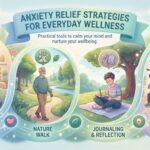




Anxiety relief is a vital topic that resonates with many individuals navigating the complexities of modern life. With increasing pressures from work, relationships, and personal expectations, understanding how to manage anxiety effectively has never been more important. This discussion will explore various approaches to relieve anxiety, from mindfulness practices to physical activity and social support, offering a comprehensive look at effective strategies that can enhance daily living.
Throughout this exploration, we will identify the symptoms of anxiety, delve into the benefits of meditation and exercise, and highlight the significance of nutrition and social connections in managing anxiety levels. Whether you’re experiencing anxiety yourself or supporting someone who is, this guide aims to provide practical insights and tools for long-term relief and well-being.
Identifying the Symptoms of Anxiety and Their Impact on Daily Life
Anxiety is a common mental health issue that manifests through various physical and emotional symptoms. Many people experience anxiety at some point in their lives, yet understanding its symptoms and impact can significantly enhance coping strategies and support systems. Recognizing these signs is the first step toward managing anxiety effectively.
The symptoms of anxiety are diverse and can vary greatly from person to person. They generally fall into two categories: physical and emotional. Physical symptoms often include rapid heartbeat, sweating, shaking, fatigue, and difficulty sleeping. Emotionally, individuals may experience feelings of dread, restlessness, irritability, and difficulty concentrating. This combination can create a feedback loop where physical symptoms exacerbate emotional distress and vice versa.
Impact of Anxiety on Daily Activities and Relationships
Anxiety can significantly disrupt daily life, influencing various aspects such as work performance, social interactions, and personal relationships. When anxiety becomes overwhelming, it can lead to avoidance behaviors, making it challenging to engage in normal activities.
For example, someone might dread going to work and experience increased anxiety before meetings, leading to decreased productivity and job performance. In social settings, anxiety can trigger feelings of self-consciousness, making it difficult to connect with others. Relationships may suffer as individuals withdraw or become irritable due to their struggles.
Several common situations illustrate how anxiety manifests in everyday life:
- Public Speaking: A common scenario where anxiety is prevalent is during presentations or speeches, often causing physical reactions such as sweating and shaking, alongside emotional distress like fear of judgment.
- Social Gatherings: Attending parties or social events can cause anxiety, leading to avoidance of such gatherings due to fear of social interactions and potential embarrassment.
- Work Meetings: Participating in team meetings might induce anxiety, resulting in difficulty expressing thoughts or contributing ideas, affecting overall workplace dynamics.
- Daily Commutes: The act of commuting can trigger anxiety for some, leading to panic attacks or feelings of being trapped, particularly in crowded or enclosed spaces.
“Understanding the symptoms and impacts of anxiety can empower individuals to seek help and establish effective coping mechanisms.”
Overall, the presence of anxiety affects not just the individual but also their surrounding environment, influencing how they interact with others and manage their responsibilities.
Exploring the Benefits of Mindfulness and Meditation for Anxiety Relief
Mindfulness and meditation have emerged as powerful tools for managing anxiety, offering individuals a path to greater emotional resilience and peace of mind. These practices focus on cultivating awareness and presence in the moment, allowing people to acknowledge their thoughts and feelings without judgment. This approach can lead to significant reductions in anxiety levels, making it easier to navigate the challenges of daily life.
Mindfulness, at its core, is about being fully engaged with the present, which can help break the cycle of ruminative thinking often associated with anxiety. By developing a non-reactive awareness, individuals can learn to observe their anxious thoughts and feelings as transient experiences rather than defining aspects of their identity. This shift in perspective is crucial for managing anxiety.
Principles of Mindfulness and Its Application
The principles of mindfulness revolve around awareness, acceptance, and non-judgment. These principles can be integrated into daily activities, creating opportunities for anxiety management throughout the day. Practicing mindfulness involves several key components:
- Aware Observation: Acknowledging thoughts and feelings without labeling them as good or bad.
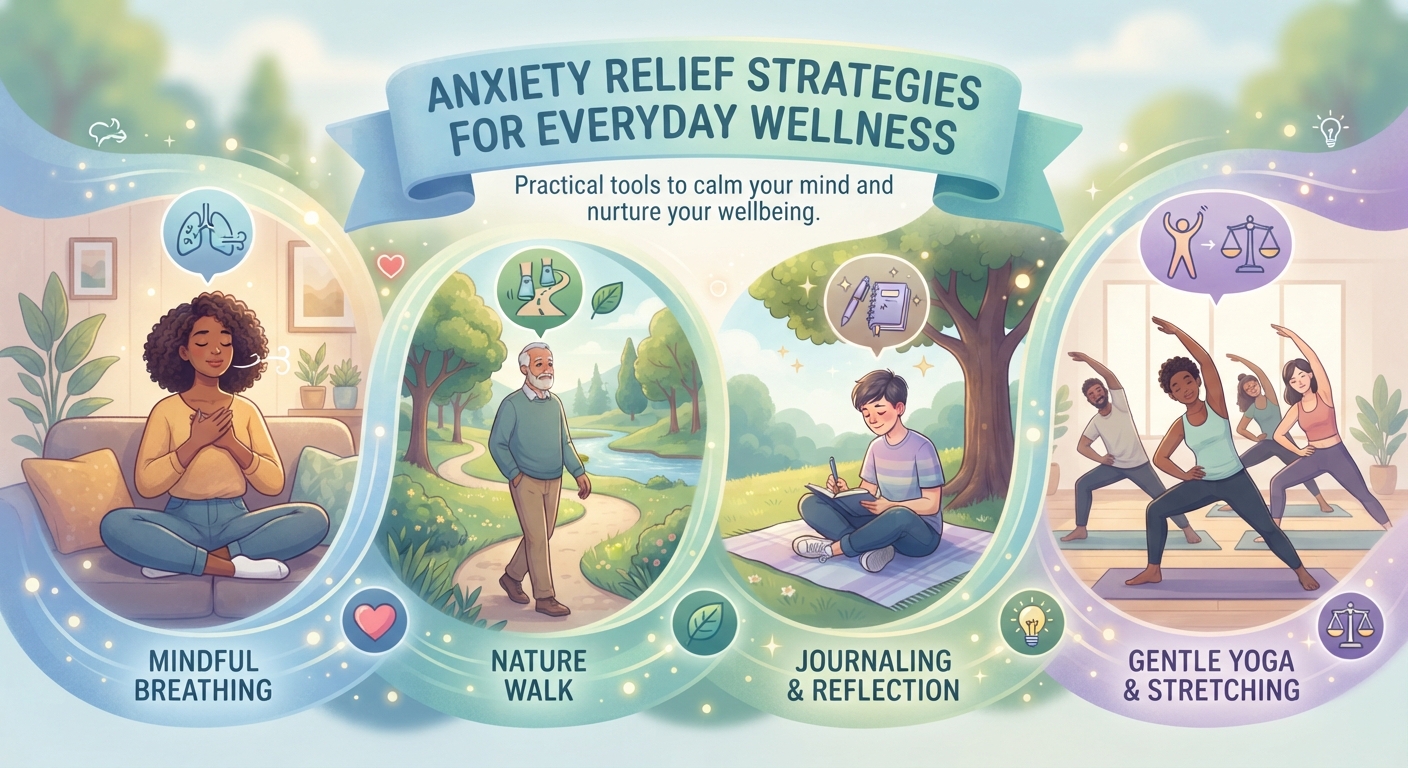
- Breath Awareness: Focusing on the breath can anchor the mind and create a sense of calm.
- Present Moment Focus: Engaging all senses to experience the here and now enhances connection to life as it unfolds.
By incorporating these principles into everyday life, individuals can reduce stress and promote a sense of well-being.
Meditation Techniques for Anxiety Management
Various meditation techniques specifically cater to individuals experiencing anxiety. These practices can vary in style, duration, and focus, allowing for flexibility in implementation. Here are some widely recognized techniques:
- Guided Meditation: Utilizing audio or video resources, guided meditations can lead users through visualization and relaxation techniques, making it easier to focus and reduce anxiety.
- Body Scan Meditation: This technique involves mentally scanning the body for tension and consciously relaxing each part, promoting a sense of peace and awareness.
- Loving-kindness Meditation: By cultivating feelings of love and compassion towards oneself and others, this practice can enhance emotional resilience and decrease anxiety levels.
These techniques empower individuals, helping them develop a regular practice that fits their lifestyle.
Research Findings on Mindfulness Effectiveness
Numerous studies have highlighted the efficacy of mindfulness and meditation in alleviating anxiety. For instance, a meta-analysis published in the journal *Psychological Bulletin* revealed that mindfulness-based interventions significantly reduced anxiety symptoms across various populations. Furthermore, a study conducted by researchers at Harvard University demonstrated that participants who practiced mindfulness meditation showed measurable changes in brain regions associated with stress regulation after eight weeks.
“Mindfulness is a powerful tool, enabling individuals to rewire their response to stress and anxiety through sustained practice and awareness.”
Incorporating real-life accounts, many individuals have reported transformative experiences through mindfulness practices. One participant shared how a daily meditation routine helped them regain control over their anxiety, allowing them to approach challenging situations with greater confidence and calmness. As these practices continue to gain popularity, their integration into therapeutic settings further underscores their value in promoting mental health and well-being.
Understanding the Role of Physical Activity in Mitigating Anxiety Symptoms
Regular physical activity is a powerful tool in managing anxiety symptoms, providing numerous physiological and psychological benefits. Engaging in exercise not only helps reduce levels of anxiety but also promotes overall well-being. The relationship between physical activity and reduced anxiety is well-documented and can be attributed to several key physiological processes.
Physical activity triggers the release of endorphins, often referred to as “feel-good” hormones, which can enhance mood and promote a sense of calm. Additionally, exercise increases blood flow to the brain, improving overall cognitive function and resilience against stress. The regular practice of physical activity can also lead to a reduction in muscle tension, which is commonly associated with anxiety states. By systematically engaging in exercise, individuals can effectively manage their anxiety levels over time.
Physiological Benefits of Exercise in Reducing Anxiety
The advantages of physical activity extend beyond mere mood enhancement; they involve significant physiological changes that contribute to anxiety relief. The following points Artikel the key benefits:
- Endorphin Release: Physical activity stimulates the brain to produce endorphins, which are natural mood lifters that can help alleviate feelings of anxiety.
- Increased Neurotransmitter Levels: Exercise boosts levels of serotonin and norepinephrine, neurotransmitters that play a crucial role in regulating mood and anxiety.
- Reduced Muscle Tension: Engaging in physical activities helps to relax the muscles, alleviating physical symptoms of anxiety, such as tightness or tension.
- Improved Sleep Quality: Regular exercise can enhance sleep patterns, leading to deeper and more restorative sleep, which is essential for reducing anxiety.
- Enhanced Brain Function: Physical activity increases blood flow to the brain, promoting neurogenesis and improving cognitive functions, which can help in managing stress more effectively.
Incorporating regular physical activity into one’s routine can yield long-term benefits for anxiety management. Consistency in exercise helps in developing resilience against stressors and anxiety triggers, fostering a stronger mental health foundation. By committing to an active lifestyle, individuals can experience sustained reductions in anxiety levels over time.
Types of Exercises Particularly Effective for Anxiety Relief
Certain types of exercises have been shown to be particularly effective in alleviating anxiety symptoms. Engaging in a variety of physical activities can cater to different preferences and lifestyles, making it easier to incorporate them into daily routines.
- Aerobic Exercises: Activities such as running, cycling, and swimming are proven to release endorphins, which contribute to an elevated mood and decreased anxiety levels.
- Yoga: This practice combines physical postures, breathing exercises, and meditation, fostering relaxation and mindfulness, which are effective for anxiety management.
- Strength Training: Lifting weights not only builds muscle but also promotes mental strength and resilience, helping to combat anxiety over time.
- Walking or Hiking: Simple yet effective, these activities provide the benefits of exercise while allowing individuals to connect with nature, further enhancing mood.
- Dance: Engaging in dance is not only enjoyable but also serves as a medium for self-expression and emotional release, making it an excellent option for anxiety reduction.
Incorporating these exercises into a regular routine can lead to improved mental health outcomes. The combination of physical exertion and the enjoyment of the activity can serve as a powerful antidote to anxiety, contributing not just to immediate relief but long-term resilience against stress and anxiety-provoking situations.
Evaluating the Effectiveness of Herbal Remedies and Natural Supplements for Anxiety
The growing interest in natural solutions for anxiety relief has led many individuals to explore herbal remedies and natural supplements. This section delves into several popular options that have garnered attention for their potential effectiveness in alleviating anxiety symptoms. Understanding these remedies can empower individuals to make informed decisions regarding their mental health strategies.
Herbal remedies and natural supplements have been studied for their efficacy in reducing anxiety symptoms, offering a range of solutions that may complement traditional treatments. Here, we will review some well-known herbal options, their potential benefits, and any associated side effects.
Common Herbal Remedies and Natural Supplements for Anxiety Relief
There are several herbal remedies and natural supplements that have shown promise in easing anxiety. Below is an overview of these options, including their descriptions and suggested dosages:
| Herb/Supplement | Description | Dosage Recommendation |
|---|---|---|
| Chamomile | A gentle herb often consumed as tea, known for its calming effects. | 200-400 mg of chamomile extract, or 1-2 cups of tea daily. |
| Lavender | Widely used for its soothing aroma, lavender can be ingested or inhaled. | 80-160 mg of lavender oil capsules, or 3-4 drops of essential oil in a diffuser. |
| Valerian Root | Traditionally used to treat insomnia and anxiety, valerian root may improve sleep quality. | 300-600 mg of valerian extract, taken 30 minutes to 2 hours before bedtime. |
| Passionflower | Known for its calming properties, passionflower is often used to relieve anxiety and improve sleep. | 250-500 mg of passionflower extract, or 1-2 cups of tea daily. |
| L-Theanine | An amino acid found in green tea that promotes relaxation without drowsiness. | 100-400 mg per day, depending on individual needs. |
The aforementioned herbal remedies have shown varying degrees of effectiveness in clinical studies. For instance, chamomile has been associated with reduced anxiety symptoms in several studies, while lavender oil has demonstrated anxiolytic effects in both aromatherapy and supplementation. However, it is crucial to consider potential side effects, such as drowsiness or gastrointestinal issues, that some individuals may experience when using these remedies.
“Natural doesn’t always mean safe; understanding dosing and potential interactions is vital for effective use.”
This overview provides a foundation for understanding the landscape of herbal remedies and natural supplements for anxiety relief, guiding individuals in their pursuit of mental well-being.
Creating a Personal Anxiety Management Plan for Long-Term Relief
Building a personal anxiety management plan is a proactive step toward achieving long-term relief from anxiety symptoms. Such a plan not only helps individuals identify their stressors but also equips them with effective strategies to cope. By implementing a structured approach tailored to one’s specific needs, anxiety can become significantly more manageable over time.
A successful anxiety management plan involves integrating lifestyle changes, coping strategies, and support systems into daily routines. It is essential to recognize that everyone’s journey with anxiety is unique; therefore, a personalized approach is crucial for effective management.
Incorporating Lifestyle Changes
Adopting healthy lifestyle changes is fundamental in managing anxiety. These changes can influence mood and resilience, making it easier to cope with stress. Consider the following aspects:
- Regular Exercise: Engaging in physical activity releases endorphins, which can elevate mood and reduce feelings of anxiety. Aim for at least 30 minutes of moderate exercise most days of the week.
- Balanced Diet: A nutritious diet rich in whole foods can impact mental health positively. Incorporate fruits, vegetables, lean proteins, and whole grains while reducing processed foods and sugars.
- Sufficient Sleep: Quality sleep is essential for emotional regulation. Aim for 7-9 hours of sleep per night, establishing a consistent sleep routine to enhance sleep quality.
- Mindfulness Practices: Techniques such as yoga, meditation, or deep-breathing exercises can help ground individuals during anxious moments, promoting relaxation and focus.
Implementing Coping Strategies
Managing anxiety effectively often requires a variety of coping strategies that can be utilized during challenging times. Some valuable strategies include:
- Journaling: Writing down thoughts and feelings can provide clarity and help individuals process their emotions, making it easier to identify triggers.
- Positive Affirmations: Using affirmations can combat negative thoughts, encouraging a more positive mindset and reinforcing self-worth.
- Time Management Techniques: Planning and prioritizing tasks can reduce overwhelming feelings associated with deadlines and responsibilities.
- Limiting Caffeine and Alcohol: Both substances can exacerbate anxiety symptoms; therefore, moderating intake may lead to improved mental health.
Establishing Support Systems
A strong support system can significantly impact one’s ability to manage anxiety. Engaging with others fosters connection and understanding, which can alleviate feelings of isolation. Here are some ways to build a solid support network:
- Professional Help: Consulting with a mental health professional, such as a therapist or counselor, can provide effective coping strategies tailored to individual needs.
- Support Groups: Participating in support groups allows individuals to connect with others facing similar challenges, providing shared experiences and encouragement.
- Family and Friends: Openly communicating feelings with trusted loved ones can create an understanding environment where individuals feel safe discussing their anxiety.
- Online Communities: Many virtual support platforms exist, offering a space for individuals to share experiences and advice, broadening their support network.
Monitoring Progress and Adjusting the Plan
An essential part of any personal anxiety management plan is the continuous monitoring of progress. Regularly assessing what strategies work and which ones need adjustment is crucial for long-term success.
“The key to effective anxiety management is adaptability; what works today may need modification tomorrow.”
Tracking symptoms and the effectiveness of coping strategies can be done through journaling or apps designed for mental health management. This awareness can inform necessary changes, ensuring the plan remains relevant and effective. Regular check-ins with a mental health professional can also aid in fine-tuning the management plan, allowing for adjustments based on evolving needs and circumstances.
Sharing Effective Breathing Techniques to Calm Anxiety in Real-Time
In moments of anxiety, our bodies can enter a state of heightened arousal, leading to physical symptoms such as rapid heart rate, shallow breathing, and tension. Breathing techniques serve as powerful tools to counteract these reactions, allowing individuals to regain control and instill a sense of calm. By focusing on our breath, we can harness physiological responses that help regulate the nervous system.
Breathing exercises work by shifting our focus from anxiety-inducing thoughts to the rhythmic pattern of our breath, effectively activating the parasympathetic nervous system. This shift helps lower the heart rate and reduces stress hormones, creating a physiological environment conducive to relaxation. Engaging in these simple yet effective techniques can be done anywhere and at any time, making them invaluable during moments of acute anxiety.
Effective Breathing Exercises for Anxiety Relief
Incorporating breathing exercises into your routine can significantly alleviate anxiety. Below are some effective techniques that can be utilized during stressful moments:
- Diaphragmatic Breathing: Also known as abdominal or deep breathing, this technique encourages full oxygen exchange, promoting a sense of calm. To practice, inhale deeply through the nose, allowing your diaphragm to expand fully, then exhale slowly through the mouth. This exercise can be particularly useful when feeling overwhelmed, as it reduces tension and promotes relaxation.
- 4-7-8 Breathing: This technique involves inhaling for a count of four, holding the breath for a count of seven, and exhaling for a count of eight. It is designed to slow down the heart rate and induce a state of calm. This method can be employed effectively in situations such as public speaking or when facing difficult conversations.
- Nostril Breathing: This practice, rooted in yogic traditions, involves alternating nostril breathing. It is believed to balance the body’s energy and improve focus. Close one nostril and inhale deeply through the other, then switch nostrils and exhale. This technique can be especially beneficial when preparing for tasks that require concentration, such as studying or working on creative projects.
- Box Breathing: Commonly used by athletes and military personnel, box breathing consists of inhaling, holding, exhaling, and holding again, each for a count of four. This method can help ground individuals during high-pressure situations, such as job interviews or important presentations.
Integrating these breathing exercises into daily life can significantly impact one’s ability to manage anxiety. Practicing these techniques regularly not only equips individuals with tools to handle stressful moments but also enhances overall well-being.
Analyzing the Impact of Social Support Networks on Anxiety Reduction
Social support networks play a crucial role in managing anxiety symptoms by providing individuals with a sense of belonging and understanding. These connections can significantly influence emotional well-being, offering comfort during times of distress. The presence of supportive relationships can lead to a reduction in anxiety levels, as individuals feel less isolated and more empowered to face their challenges.
Cultivating and maintaining supportive relationships requires intentional effort. It is important to engage with friends, family, and community members who are empathetic and attentive. Building these connections involves open communication, actively seeking opportunities to connect, and being present for others, which in turn reinforces your support network.
Strategies to Cultivate Supportive Relationships
Establishing strong social connections involves several effective strategies that encourage supportive interactions. These strategies help create a safe environment where individuals can share their feelings, reducing anxiety through mutual understanding. Consider the following approaches:
- Open Communication: Share your thoughts and feelings regularly with trusted friends or family members. This fosters a deeper understanding and ensures that your support system is aware of your emotional state.
- Participate in Group Activities: Engage in community events or recreational activities that align with your interests. This not only helps in meeting new people but also in nurturing existing friendships.
- Practice Active Listening: Being a good listener can strengthen relationships. By being attentive to others’ concerns, you create a reciprocal support dynamic.
- Seek Professional Help: If needed, consider joining a support group where you can connect with others facing similar challenges. Professional facilitators can provide structure and guidance during discussions.
- Offer Support to Others: Providing emotional support to friends can enhance your own coping mechanisms. It fosters a supportive atmosphere that benefits everyone involved.
Community resources and support groups offer additional avenues for individuals struggling with anxiety. These resources can provide structured environments where individuals can share experiences and coping strategies.
Community Resources and Support Groups
Accessing community resources can significantly enhance one’s support network. Many organizations offer specific programs tailored to support those dealing with anxiety. Consider exploring the following options:
- Mental Health Organizations: National or local mental health associations often provide resources, helplines, and support groups specifically designed for anxiety management.
- Peer Support Groups: Many communities host peer-led support groups that encourage open discussion and shared experiences among individuals facing similar challenges.
- Online Forums and Social Media Groups: Virtual platforms can connect you with a wider audience, providing an opportunity to share experiences and receive support from individuals globally.
- Workplace Wellness Programs: Some companies offer employee assistance programs that include mental health resources, counseling services, and workshops focused on stress and anxiety relief.
“Strong social connections can buffer stress and lead to improved mental health outcomes.”
Fostering a strong social support network is essential in managing anxiety. By actively engaging with others and utilizing available resources, individuals can experience significant relief from anxiety symptoms, ultimately leading to a higher quality of life.
Investigating the Influence of Nutrition on Anxiety Levels
Nutrition plays a pivotal role in our overall mental health, and its impact on anxiety levels is an area of growing interest. The food we consume can significantly influence our mood and stress levels, either exacerbating or alleviating feelings of anxiety. By understanding how specific dietary choices affect our mental well-being, we can make informed decisions that support our emotional health.
Certain dietary components can directly impact our brain chemistry and mood regulation. For instance, foods rich in omega-3 fatty acids, antioxidants, and vitamins can enhance brain function and reduce anxiety symptoms. Conversely, diets high in refined sugars and unhealthy fats may contribute to heightened anxiety and stress levels. A balanced diet that incorporates a variety of nutrient-dense foods can foster a positive mood and help manage anxiety more effectively.
Foods That Promote Mental Well-Being
Incorporating specific foods into your diet can be a proactive approach to enhancing mental health. Here is a list of foods known to promote mental well-being and reduce anxiety:
- Fatty Fish: Salmon, mackerel, and sardines are rich in omega-3 fatty acids, which have been linked to improved mood and reduced anxiety.
- Nuts and Seeds: Almonds, walnuts, and flaxseeds are packed with magnesium and vitamin E, both of which support brain health.
- Dark Chocolate: Containing flavonoids, dark chocolate can help boost mood and lower stress levels.
- Leafy Greens: Spinach, kale, and swiss chard are high in folate, which is essential for serotonin production.
- Fermented Foods: Yogurt, kimchi, and sauerkraut promote gut health and may improve mood due to the gut-brain connection.
- Berries: Blueberries and strawberries are rich in antioxidants that help combat oxidative stress in the brain.
The importance of hydration cannot be overlooked when discussing anxiety management. Staying well-hydrated is crucial for maintaining optimal brain function and emotional health. Dehydration can lead to irritability, fatigue, and difficulties in concentration, all of which may exacerbate feelings of anxiety.
The Role of Hydration in Anxiety Management
Proper hydration is vital for mental clarity and emotional stability. Research has shown that even mild dehydration can negatively impact mood and cognitive performance. Water is essential for transporting nutrients throughout the body and helps facilitate the production of neurotransmitters that are crucial for mood regulation.
“Hydration is key to maintaining overall health and emotional balance.”
It is recommended to consume an adequate amount of water daily, typically around 8-10 cups, depending on individual needs and activity levels. Regularly drinking water and incorporating hydrating foods, such as fruits and vegetables, can support both physical and mental health by reducing anxiety levels and enhancing overall well-being.
Final Summary
In summary, effectively managing anxiety involves a multifaceted approach that encompasses mindfulness, physical activity, natural remedies, and social support. By implementing these strategies, individuals can foster a healthier mindset and cultivate resilience against anxiety’s challenges. Remember, the journey to anxiety relief is unique for everyone, and taking small, consistent steps can lead to significant improvements in your overall quality of life.
Detailed FAQs
What are common symptoms of anxiety?
Common symptoms include restlessness, rapid heartbeat, excessive worry, and difficulty concentrating.
Can mindfulness really help with anxiety?
Yes, mindfulness practices can help ground individuals in the present moment, reducing feelings of overwhelm.
How often should I exercise to relieve anxiety?
Regular exercise, at least 30 minutes most days of the week, can significantly help reduce anxiety symptoms.
Are there any side effects of herbal remedies for anxiety?
Some herbal remedies may cause side effects, such as digestive issues or interactions with medications, so it’s best to consult a healthcare provider.
What role does nutrition play in managing anxiety?
A balanced diet rich in whole foods can positively influence mood and anxiety levels.