









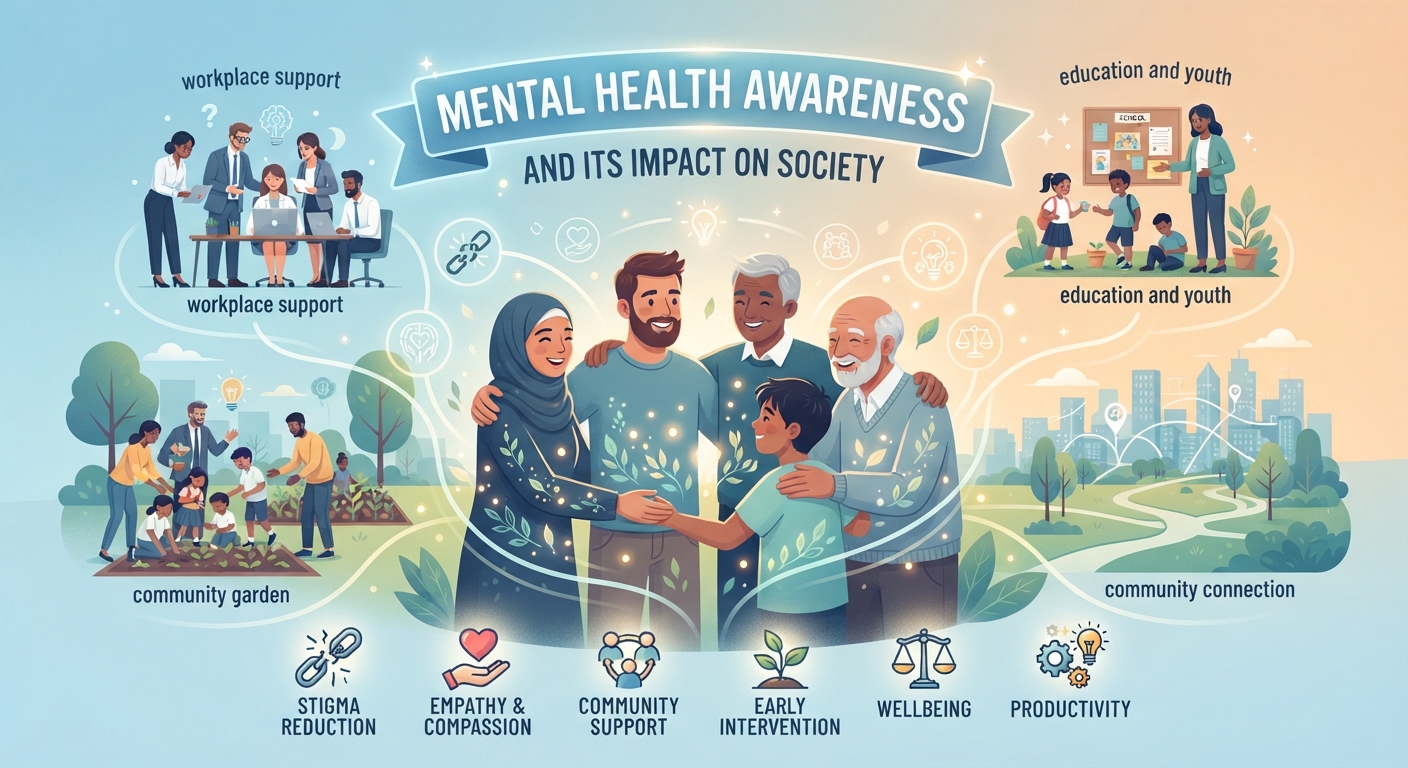
Kicking off with Mental health awareness, understanding its significance is crucial in shaping how society views and addresses mental well-being. Mental health awareness is not just about recognizing mental illnesses; it’s about fostering a culture of empathy, education, and understanding. The conversations surrounding mental health can lead to a more supportive environment, where individuals feel empowered to seek help and share their experiences without fear of judgment.
Moreover, different cultures perceive mental health in varied ways, influencing awareness efforts globally. Education plays a vital role in promoting this awareness, enabling communities to dismantle stigma and cultivate a more informed public. By effectively communicating the importance of mental health, we can encourage open discussions and drive positive societal change.
Understanding the importance of mental health awareness in society
Mental health awareness plays a critical role in shaping societal attitudes towards mental health. It serves as a bridge to understanding, acceptance, and support for individuals grappling with mental health challenges. When awareness is raised in communities, it helps dismantle the stigma associated with mental health issues, encouraging individuals to seek help without fear of judgement. Furthermore, mental health awareness drives public conversations, changes perceptions, and promotes the idea that mental health is just as important as physical health.
The influence of mental health awareness on societal attitudes can be profound. Increased awareness leads to greater empathy and understanding among the general population. As individuals become educated about mental health, they begin to recognize it as a vital component of overall well-being. This shift in attitude encourages supportive environments, which are essential for individuals struggling with mental health conditions. The promotion of mental health awareness can also catalyze policy changes, leading to improved resources and services for those in need. For instance, campaigns such as “Bell Let’s Talk” in Canada have significantly raised awareness and funding for mental health initiatives, illustrating how awareness can translate into tangible societal benefits.
Cultural perceptions of mental health and awareness efforts
Cultural perceptions greatly influence how mental health is understood and addressed within different communities. In many cultures, mental health issues have long been stigmatized, often viewed as a sign of weakness or failure. In these contexts, individuals might be less likely to seek help due to fears of judgment or ostracization. Efforts to increase mental health awareness must therefore take cultural nuances into account, tailoring messages that resonate with specific communities while promoting acceptance and understanding.
To effectively enhance mental health awareness, it is essential to understand the unique barriers faced by different cultural groups. For instance, in some Eastern cultures, mental health might be approached through a lens of spirituality or traditional healing practices, which could contrast with Western medical models. Awareness campaigns that incorporate culturally relevant perspectives can foster acceptance and encourage individuals to engage with mental health resources. This might include community workshops, educational materials in native languages, or the involvement of local leaders who can advocate for mental health within their cultural frameworks.
The role of education in promoting mental health awareness
Education serves as a fundamental pillar in promoting mental health awareness within communities. By integrating mental health education into school curricula, young people can learn about the importance of mental well-being from an early age. This proactive approach not only demystifies mental health issues but also equips future generations with the knowledge to identify symptoms and seek help for themselves or others.
Educational initiatives can take various forms, including school programs, community workshops, and online resources. The following points highlight the significance of education in fostering mental health awareness:
- Promoting emotional literacy enables individuals to understand and express their feelings effectively.
- Training educators and staff to recognize signs of mental health distress creates a supportive school environment.
- Peer support programs encourage students to communicate openly about mental health, reducing stigma.
- Workshops for parents can empower families to engage in conversations about mental health, fostering supportive home environments.
- Utilizing social media platforms can amplify educational messages and reach wider audiences, particularly younger demographics.
Effective education about mental health is key to breaking down barriers and fostering a culture of understanding and support.
Identifying the key components of mental health awareness campaigns
Mental health awareness campaigns play a crucial role in fostering understanding and reducing stigma surrounding mental health issues. By focusing on effective strategies and components, these campaigns can significantly improve public perception and encourage individuals to seek help. This segment will highlight essential elements that contribute to the success of mental health awareness initiatives, showcase successful case studies, and discuss methods for measuring the impact of these campaigns.
Essential elements of effective mental health awareness campaigns
To create impactful mental health awareness campaigns, several key components should be integrated. These elements ensure the message resonates with the audience and achieves its intended goals.
- Clear Messaging: Effective campaigns utilize straightforward language and relatable narratives that resonate with diverse audiences. Clear messaging helps demystify mental health issues, making them more approachable and less intimidating.
- Community Engagement: Involving community members in the planning and execution of campaigns fosters a sense of ownership and relevance. This could involve local workshops, partnerships with schools, or collaboration with local organizations to address specific community needs.
- Accessibility of Resources: Campaigns should provide easily accessible resources for individuals seeking help, such as hotlines, websites, and information about local services. By highlighting these resources, campaigns empower individuals to take action regarding their mental health.
Successful case studies that have improved mental health awareness
Several successful case studies demonstrate the effectiveness of mental health awareness campaigns. These initiatives have made significant strides in changing perceptions and increasing accessibility to resources.
- Time to Change (UK): This campaign has focused on reducing stigma associated with mental health through social media, community events, and public engagements. It has led to increased conversations around mental health and has encouraged many to seek help.
- Heads Together (UK): Initiated by The Duke and Duchess of Cambridge, this campaign aimed to change the conversation around mental health and encourage open discussions. The campaign has successfully engaged celebrities and public figures, significantly raising awareness and changing attitudes toward mental health issues.
- Bell Let’s Talk (Canada): This initiative promotes mental health through social media involvement and annual fundraising events. Each interaction on social media translates into donations for mental health services, resulting in increased funding and awareness.
Strategies for measuring the impact of mental health campaigns on public perception
Assessing the impact of mental health awareness campaigns is essential for understanding their effectiveness and guiding future efforts. Various strategies can be employed to gauge public perception and the overall success of these initiatives.
- Surveys and Polls: Conducting pre- and post-campaign surveys can provide valuable insights into changes in public attitudes and knowledge about mental health. Tracking responses over time reveals trends and areas requiring further focus.
- Social Media Analytics: Monitoring engagement metrics such as likes, shares, and comments can highlight how well the campaign resonated with the audience. Analyzing sentiment in social media conversations offers a deeper understanding of public perception shifts.
- Focus Groups: Organizing focus groups can provide qualitative data on how individuals perceive mental health issues following the campaign. This feedback can help tailor future initiatives to meet audience needs more effectively.
“Effective mental health awareness campaigns are not just about raising awareness; they’re about fostering understanding and creating a supportive environment for those in need.”
Exploring the relationship between mental health and stigma
Mental health stigma is a significant barrier that affects individuals seeking help for mental health issues. It encompasses the negative attitudes and beliefs that society holds about mental health disorders, often leading to discrimination and social exclusion. This stigma can deter individuals from seeking the support they need, impacting their overall well-being and recovery journey.
The historical context of mental health stigma reveals a long-standing pattern of misunderstanding and marginalization. In ancient societies, individuals with mental health issues were often viewed as possessed or cursed, leading to their isolation. Through the years, as scientific understanding evolved, the perception of mental illnesses shifted; however, stigma persisted. The deinstitutionalization movement in the mid-20th century aimed to integrate individuals with mental health conditions into society but often resulted in further stigma due to a lack of community support and education. Today, while awareness has increased, stigma remains a potent issue, particularly in cultures where mental health is still not openly discussed.
Impact of Stigma on Seeking Help
The stigma surrounding mental health can have profound effects on individuals, particularly when it comes to seeking help. The fear of being judged or labeled can prevent people from reaching out for support, leading to a cycle of silence and suffering. Individuals may internalize negative societal views, resulting in feelings of shame and isolation. This can exacerbate their conditions and create further distance from effective treatment options.
Several initiatives aimed at reducing stigma have shown promising results. These efforts often focus on education, advocacy, and community engagement. For instance:
- Public Awareness Campaigns: Campaigns such as ‘Time to Change’ in the UK have worked to change public attitudes towards mental health by sharing real stories and promoting open discussions. Reports indicate increased willingness to talk about mental health issues among the public as a result of these campaigns.
- School Programs: Educational programs in schools encourage understanding and empathy towards mental health from a young age. By incorporating mental health awareness into curricula, these programs aim to reduce stigma and promote supportive environments.
- Workplace Initiatives: Many companies are implementing mental health days, stress management training, and open-door policies to foster a culture of support. Studies suggest that workplaces that prioritize mental health see reduced absenteeism and increased employee satisfaction.
“Stigma is often rooted in fear and misunderstanding; education is the key to changing perceptions.”
These initiatives highlight the importance of community involvement and proactive education in combating stigma around mental health. By fostering understanding, society can create a more supportive and inclusive environment for individuals facing mental health challenges.
Analyzing the role of social media in mental health awareness
Social media has emerged as a powerful platform for raising awareness about mental health issues. With billions of users worldwide, these platforms create an unprecedented opportunity to disseminate information, share personal experiences, and foster supportive communities. By leveraging social media, advocates and organizations can reach diverse audiences, breaking down the stigma associated with mental health and enhancing public understanding.
Social media platforms such as Facebook, Twitter, Instagram, and TikTok have become essential tools for promoting mental health awareness. Organizations utilize these platforms to disseminate educational content, share personal stories, and engage in meaningful discussions. Campaigns like #MentalHealthAwarenessMonth and #EndTheStigma have gained traction, illustrating how hashtags can unify voices around a common cause. Social media enables timely and accessible communication, allowing information to be shared quickly, thus promoting a broader understanding of mental health issues.
Positive Effects of Social Media on Public Perceptions of Mental Health
The impact of social media on public perceptions of mental health can be largely positive, fostering greater awareness and understanding. Various studies have shown that social media helps in normalizing conversations around mental health, which can lead to reduced stigma.
* The following points highlight the positive aspects: *
- Increased Awareness: Campaigns and information shared on social media can educate individuals about mental health conditions and available resources.
- Community Support: Online communities provide spaces where individuals can share experiences and support one another, creating a sense of belonging.
- Access to Resources: Social media can direct individuals to mental health services, hotlines, and educational materials tailored to their needs.
Negative Effects of Social Media on Public Perceptions of Mental Health
Despite its benefits, social media can also negatively influence perceptions of mental health. Misinformation, cyberbullying, and unrealistic portrayals can undermine genuine mental health advocacy.
* The following points Artikel the negative consequences: *
- Misinformation Spread: Not all information shared is accurate; misleading content can lead to misconceptions about mental health.
- Comparative Anxiety: Constant exposure to curated lifestyles can lead to feelings of inadequacy, anxiety, and depression among users.
- Cyberbullying: Victims of bullying may experience exacerbated mental health issues, as online harassment can have severe psychological effects.
Recommendations for Utilizing Social Media Effectively
To maximize the benefits of social media for mental health initiatives, specific strategies can be implemented. These recommendations aim to foster a more supportive and informative online environment.
* Consider the following effective strategies: *
- Promote Accurate Information: Ensure that all shared content is sourced from credible organizations and mental health professionals.
- Engage with Followers: Foster interactions by responding to comments and providing a platform for open discussions about mental health.
- Use Visual Storytelling: Incorporate videos, infographics, and personal testimonials to make content more relatable and impactful.
Effective use of social media can transform how society views mental health, making awareness and support more accessible to all.
Examining mental health awareness in schools and educational institutions
Integrating mental health awareness programs into school curricula is crucial for nurturing emotional well-being and resilience among students. As the pressures of academic life continue to rise, schools play a vital role in recognizing and addressing mental health challenges. By embedding mental health awareness into educational settings, we can create a supportive environment that promotes empathy, understanding, and overall wellness.
Importance of Integrating Mental Health Awareness Programs
Addressing mental health in schools is essential to foster a healthy learning environment. Programs that educate students about mental health can significantly reduce the stigma associated with mental illness, allowing students to seek help when needed. These programs also equip students with coping strategies and emotional regulation skills, leading to improved academic performance and personal development.
Specific mental health programs have shown effectiveness within school settings. Examples include:
- MindUP: This program teaches students about neuroscience and mindfulness, helping them to develop emotional intelligence and resilience. Research indicates that students participating in MindUP show improved emotional regulation and lower levels of stress.
- SEL (Social and Emotional Learning): SEL programs focus on developing skills such as self-awareness, self-management, social awareness, relationship skills, and responsible decision-making. Studies have demonstrated that schools implementing SEL see notable improvements in student behavior and academic achievement.
- Check and Connect: This mentoring program targets disengaged students by pairing them with mentors who provide support and guidance, fostering connection and commitment to school. This approach has proven effective in reducing dropout rates and enhancing students’ emotional well-being.
Role of Teachers and Staff in Fostering a Mentally Healthy School Environment
Teachers and school staff are fundamental in creating a nurturing atmosphere where mental health issues can be addressed openly. Their interaction with students places them in an ideal position to identify early signs of mental distress. The following practices can enhance the mental health landscape within schools:
- Training and Professional Development: Providing teachers with training on mental health can empower them to recognize symptoms of distress and respond appropriately. Workshops and seminars can equip educators with the tools needed to support students effectively.
- Creating Supportive Policies: Schools that implement policies promoting mental health awareness contribute to a culture of openness. These policies may include anti-bullying initiatives and stress management programs, which are instrumental in establishing a safe environment.
- Collaboration with Mental Health Professionals: Partnerships between schools and mental health organizations can facilitate access to resources, training, and support for students. School counselors, psychologists, and social workers can provide essential services to students in need.
Integrating mental health awareness in schools is not just an enhancement; it is a necessity for the holistic development of every student.
Investigating the impact of mental health policy on awareness efforts
Mental health policies play a crucial role in shaping the landscape of mental health awareness initiatives. Governmental frameworks can either bolster these efforts or create barriers that hinder accessibility and understanding. As societies increasingly recognize the importance of mental health, the relationship between policy and awareness becomes essential in promoting better mental health outcomes for individuals and communities.
Governmental policies can enhance mental health awareness initiatives by providing funding, resources, and a legislative framework that supports education and outreach. For instance, countries that allocate specific budgets for mental health services often see a direct correlation with increased public awareness campaigns. Conversely, lack of policy support can stymie efforts, leading to insufficient resources for programs aimed at education and destigmatization. It is vital for policymakers to understand that mental health awareness is not just a social issue but a public health priority that requires sustained commitment.
Collaboration between stakeholders in mental health policy
The importance of collaboration among various stakeholders in mental health policy cannot be overstated. Effective mental health initiatives often rely on input and cooperation from a diverse array of entities, including governmental agencies, non-profit organizations, healthcare providers, and community groups. Such collaboration fosters a holistic approach to mental health, ensuring that multiple perspectives and expertise contribute to policy formulation and implementation.
Key stakeholders can include:
- Government agencies that create and enforce policy frameworks.
- Healthcare providers who offer direct services to individuals in need.
- Non-profit organizations that advocate for mental health issues and provide community support.
- Academic institutions that conduct research on mental health trends and effectiveness of policies.
- Individuals with lived experiences who provide insights into the real-world impact of policies.
These collaborative efforts enhance the credibility of mental health policies, ensuring they are evidence-based and reflective of the needs of the population they serve.
Comparative analysis of mental health policies across different countries
Examining mental health policies around the world reveals significant differences in how countries prioritize mental health awareness and services. For example, Scandinavian countries like Sweden and Norway are often regarded as leaders in mental health policy due to their comprehensive welfare systems that integrate mental health services into general healthcare. These countries have successfully implemented public awareness campaigns that focus on education and reducing stigma.
In contrast, countries with fewer resources or less emphasis on mental health, such as some in the developing world, often lack the infrastructure necessary for effective mental health awareness initiatives. These disparities highlight the need for tailored approaches to policy that consider the unique cultural, economic, and social contexts of each country.
A comparative look at mental health policies can be illustrated through a table that summarizes key aspects such as funding levels, public awareness campaigns, and access to mental health services:
| Country | Funding for Mental Health | Public Awareness Campaigns | Access to Services |
|---|---|---|---|
| Sweden | High | Extensive | Universal access |
| United States | Moderate | Growing | Varied |
| India | Low | Limited | Restricted |
Such analyses can inform policymakers about best practices and potential pitfalls in mental health strategies globally, guiding future improvements in awareness efforts.
Highlighting the significance of personal stories in raising mental health awareness
Personal stories play a crucial role in raising awareness about mental health. They provide a unique perspective that transcends statistics and clinical jargon, making complex issues more relatable. By sharing individual experiences, we foster a deeper understanding of mental health challenges, encouraging empathy and support from others.
Narratives that portray personal experiences with mental health can significantly enhance the collective understanding of these issues. They allow individuals to see themselves in the experience of others, breaking down the stigma surrounding mental health. This sharing of vulnerability not only humanizes the topic but also validates the feelings of those who may be struggling. The emotional weight carried by personal stories can lead to increased awareness and compassion among audiences, ultimately promoting a culture of understanding.
Benefits of personal narratives in fostering empathy and understanding
Personal narratives serve as powerful tools to foster empathy and deepen understanding around mental health issues. Here are some benefits that illustrate their importance:
- Human Connection: Sharing personal stories creates a sense of connection, highlighting common struggles that individuals face, thus normalizing mental health challenges.
- Emotional Impact: Personal accounts evoke emotions, helping audiences to feel rather than just understand mental health issues, which can lead to more compassionate responses.
- Awareness of Diversity: Different narratives showcase a range of experiences, emphasizing that mental health issues affect diverse populations in varied ways.
- Reduces Stigma: By openly discussing their experiences, storytellers help to dismantle the stigma associated with mental health, encouraging others to seek help and share their own stories.
- Inspiration and Hope: Personal stories often include journeys of recovery and resilience, providing hope and motivation to those facing similar challenges.
Storytelling in campaigns to connect with diverse audiences
Storytelling can be particularly effective in mental health campaigns aiming to reach various demographic groups. By tailoring narratives to resonate with specific audiences, campaigns can enhance their impact. Consider the following strategies:
- Using Diverse Voices: Featuring stories from individuals of different backgrounds, experiences, and identities ensures that various communities feel represented and included.
- Relatable Formats: Utilizing formats such as podcasts, videos, or social media posts allows stories to be shared in ways that are accessible and appealing to different age groups and cultures.
- Engagement through Interactive Storytelling: Creating platforms where audiences can contribute their stories fosters a sense of community and shared experience, encouraging greater participation and dialogue.
- Highlighting Local Experiences: Focusing on regional narratives helps to connect with local audiences, making stories more relevant and impactful within specific communities.
Platforms for sharing personal stories to maximize impact
To effectively share personal stories and enhance awareness about mental health, choosing the right platforms is essential. Each platform offers unique advantages for reaching diverse audiences:
- Social Media: Platforms like Instagram, Twitter, and Facebook allow for quick and broad dissemination of personal stories, fostering community engagement and interaction.
- Blogs and Websites: Long-form narratives can be shared on personal blogs or mental health advocacy websites, providing space for more in-depth storytelling and resources.
- Podcasts: Audio storytelling creates an intimate experience for listeners, allowing them to connect with the storyteller’s journey on a personal level.
- Documentaries and Films: Visual storytelling through documentaries provides a powerful medium to showcase real-life experiences, making them impactful and memorable.
- Live Events and Workshops: Hosting events where individuals share their stories in person can create strong emotional connections and foster a supportive environment for discussion.
Creating a community-based approach to mental health awareness
Local communities play a pivotal role in fostering mental health awareness and support. By engaging individuals at the grassroots level, community initiatives can effectively address mental health challenges while promoting understanding and empathy. A community-based approach not only raises awareness but also creates safe spaces for individuals to share their experiences and seek help without stigma.
One significant advantage of local community involvement in mental health initiatives is the ability to tailor programs to fit the unique needs of the population. This localized focus ensures that the mental health resources available are relevant and culturally sensitive. Community members who actively participate contribute valuable insights, leading to more effective strategies. Additionally, when people from the same community come together, they build trust and solidarity, which is essential for discussing sensitive topics like mental health.
Successful community-led projects
Various community-led projects have successfully raised mental health awareness, demonstrating the power of grassroots efforts. These initiatives often serve as models for others aiming to create similar programs. Some noteworthy examples include:
- The Mind Matters Campaign: This initiative started in a small town and utilized local artists to create murals and public art installations that depict mental health themes. The project drew attention to mental health issues and opened dialogue among residents.
- Community Wellness Days: Many towns have hosted wellness events that provide free workshops, information booths, and mental health screenings. These events foster a sense of community while educating attendees about mental health resources.
- Peer Support Networks: Some communities have established peer-led support groups where individuals can share their experiences and offer each other emotional support. These networks empower participants and destigmatize mental health conversations.
Engaging community members in ongoing conversations about mental health is crucial for maintaining momentum and support. Creating opportunities for dialogue can help normalize discussions around mental health, reducing stigma and encouraging those in need to seek help. Here are some effective strategies to promote continuous engagement:
- Organize regular community forums or workshops where experts can discuss mental health topics and answer questions from the audience, fostering a culture of openness.
- Leverage social media platforms to share stories, resources, and updates about local mental health initiatives, encouraging community members to participate in discussions.
- Establish partnerships with local schools, businesses, and organizations to promote mental health awareness campaigns that reach a broader audience.
- Create and distribute informative materials, such as brochures or newsletters, that educate community members about mental health issues and available resources.
By empowering communities to take charge of their mental health initiatives, we can create a supportive environment where individuals feel safe discussing their mental well-being. The collaborative effort of community members not only promotes awareness but also cultivates a culture of compassion and understanding around mental health.
Understanding the role of workplaces in promoting mental health awareness
Creating a supportive environment for mental health in the workplace is essential for fostering employee well-being and productivity. Employers play a pivotal role in promoting mental health awareness by implementing initiatives that not only raise awareness but also provide actionable resources and support for their teams. By prioritizing mental health, organizations can cultivate a culture of openness, reduce stigma, and enhance overall workplace morale.
Employers can create a supportive environment for mental health awareness through various approaches. These include establishing clear mental health policies, offering flexible work arrangements, and encouraging open communication about mental health issues. It is crucial for employers to actively promote mental health resources and provide training that equips employees with the knowledge to identify mental health challenges, both in themselves and their colleagues.
Benefits of mental health training and resources for employees
Mental health training and resources yield numerous benefits for employees and organizations alike. By investing in mental health initiatives, employers can enhance employee engagement, reduce absenteeism, and promote a healthier work environment. The importance of mental health training is underscored by its potential to foster resilience, increase job satisfaction, and improve overall well-being.
Training programs can cover a range of topics, including stress management, mindfulness techniques, and coping strategies. These programs empower employees to handle stress effectively and encourage them to seek help when needed. Integrating mental health resources into the workplace can lead to a more informed workforce that recognizes the importance of mental well-being.
- Improved employee morale: Employees who feel supported in their mental health are more likely to be engaged and motivated.
- Reduced turnover rates: Organizations that prioritize mental health tend to retain employees longer, minimizing recruitment and training costs.
- Enhanced productivity: Employees with access to mental health resources are more focused and productive.
Examples of successful workplace mental health initiatives and their outcomes
Numerous companies have successfully implemented mental health initiatives that demonstrate the positive impact of prioritizing mental health in the workplace. For instance, a well-known technology firm introduced a Mental Health Day policy, allowing employees to take designated time off for mental health purposes without stigma. As a result, the company reported a 30% decrease in burnout rates and an increase in employee satisfaction.
Another example includes a financial services company that launched an Employee Assistance Program (EAP) offering free counseling and mental health resources. The introduction of the EAP led to a significant reduction in absenteeism and a noticeable improvement in employee performance metrics.
“Investing in mental health is not just an ethical responsibility; it’s a business imperative that leads to a more engaged and productive workforce.”
In summary, the role of workplaces in promoting mental health awareness is indispensable. By cultivating a culture of support, providing mental health training, and implementing successful initiatives, employers can significantly enhance the well-being of their teams and foster a thriving work environment.
Strategies for sustaining mental health awareness beyond specific events or campaigns
Maintaining mental health awareness is crucial, not only during designated campaigns but as an ongoing effort. Sustaining this awareness involves proactive strategies that engage individuals and communities year-round, ensuring that mental health remains a priority in our daily lives. This continuous focus fosters an environment where mental well-being can thrive.
Long-term strategies must be employed to keep mental health awareness alive and vibrant. These strategies encourage ongoing education about mental health and promote active community involvement. Regular initiatives can empower people to seek help and support each other.
Ongoing Education and Resource Availability
Educating communities about mental health should be a persistent endeavor rather than limited to specific events. Providing accessible resources and information plays a significant role in this strategy.
- Workshops and seminars can be organized regularly, focusing on different aspects of mental health, such as stress management, mindfulness practices, and recognizing mental health issues.
- Creating an easily accessible online platform with articles, videos, and self-help tools can help individuals educate themselves at their own pace.
- Utilizing social media to share informative posts, mental health tips, and personal stories can engage a broader audience and foster a supportive online community.
Community Engagement and Support Networks
Involving community members in mental health awareness initiatives creates a supportive environment that encourages open discussions.
- Establishing local support groups allows individuals to share their experiences and challenges, promoting collective healing and understanding.
- Collaborating with local businesses to sponsor mental health awareness events can enhance community visibility and participation.
- Encouraging schools and educational institutions to integrate mental health education into their curricula ensures young individuals are aware of these issues from an early age.
Long-term Goals for Mental Health Initiatives
Setting clear, long-term goals is essential for the effectiveness of mental health awareness initiatives. These goals should focus on creating lasting change within communities.
- Increasing access to mental health resources and services can help reduce the stigma associated with seeking help.
- Advocating for policy changes that prioritize mental health funding and resources at local and national levels can create systemic support for mental health initiatives.
- Measuring the impact of mental health awareness campaigns through surveys and feedback can help refine future initiatives, ensuring they meet the needs of the community.
“Mental health is not a destination, but a process. It’s about how you drive, not where you’re going.”
Wrap-Up
In conclusion, embracing Mental health awareness is essential for transforming societal attitudes and reducing stigma. By highlighting personal stories and fostering community involvement, we can create a robust support system that encourages individuals to prioritize their mental health. Sustained efforts and policies will ensure that mental health remains a vital topic of discussion, ultimately leading to a healthier and more resilient society.
FAQ Overview
What is mental health awareness?
Mental health awareness refers to the understanding and recognition of mental health issues and the importance of mental well-being in overall health.
Why is mental health awareness important?
It helps to reduce stigma, promotes understanding, and encourages individuals to seek help when needed.
How can I help raise mental health awareness?
You can share information, engage in conversations, support events, or volunteer with organizations focused on mental health.
What are common mental health disorders?
Common disorders include anxiety, depression, bipolar disorder, and schizophrenia, among others.
How does mental health awareness impact young people?
It encourages young people to talk about their feelings, seek help, and reduces the likelihood of developing severe mental health issues.