









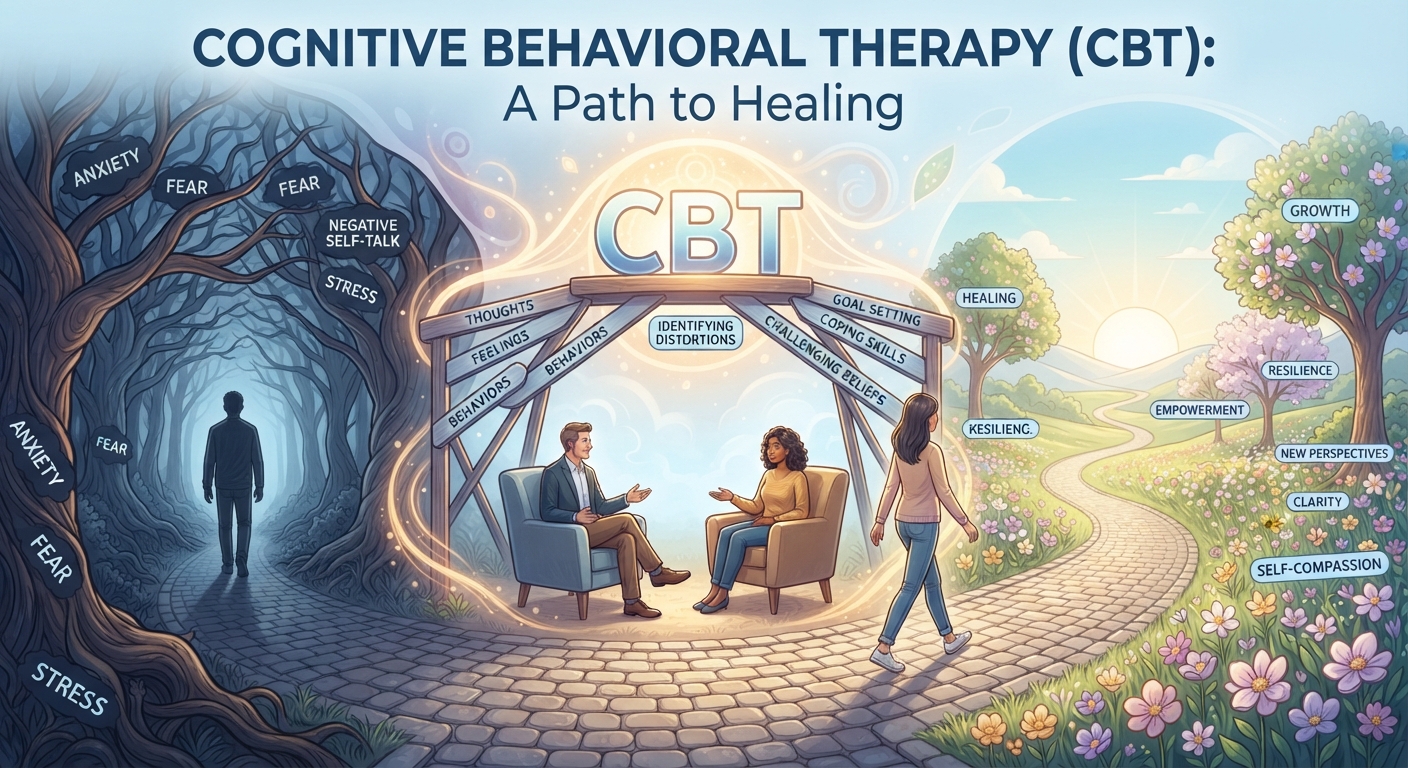
Cognitive behavioral therapy (CBT) stands as a beacon of hope in the realm of mental health treatment, offering structured and evidence-based approaches to a variety of psychological challenges. This innovative therapy focuses on the intricate connections between thoughts, emotions, and behaviors, paving the way for individuals to understand and reshape their mental patterns. By addressing cognitive distortions and facilitating behavior modification, CBT empowers clients to navigate their emotional landscapes and achieve lasting change.
Throughout its development, CBT has evolved significantly, influenced by historical milestones and key figures who shaped its principles. It combines practical strategies with psychological insight, aiming to equip individuals with tools to manage their mental health effectively. As we delve deeper into CBT, we will uncover its fundamental theories, session structures, efficacy in treating mental health conditions, and the promising role of technology in enhancing its accessibility.
The historical development of cognitive behavioral therapy
Cognitive Behavioral Therapy (CBT) has emerged as one of the most effective psychotherapeutic approaches in modern psychology. Its roots trace back to the mid-20th century, evolving from earlier therapeutic methods and influenced by advances in psychology, philosophy, and the broader sociocultural context of the time.
The origins of CBT can be credited to key figures such as Aaron T. Beck and Albert Ellis. Beck, a psychiatrist, developed Cognitive Therapy in the 1960s, aiming to treat depression by identifying and challenging negative thought patterns. His work was pivotal in demonstrating how cognitive distortions contribute to emotional distress. Meanwhile, Albert Ellis introduced Rational Emotive Behavior Therapy (REBT) around the same time. Ellis’s framework emphasized the role of irrational beliefs in emotional disturbance and highlighted the importance of rational thinking for emotional well-being. These foundational theories laid the groundwork for what would later evolve into CBT.
As the therapy gained traction in the 1970s and 1980s, several milestones marked its evolution. The integration of behavioral techniques with cognitive approaches marked a significant turning point. Techniques such as systematic desensitization, exposure therapy, and cognitive restructuring became widely adopted in therapeutic practices. Notably, the publication of seminal works, including “Cognitive Therapy of Depression” by Beck and “A Guide to Rational Living” by Ellis, provided practical frameworks for therapists and patients alike.
Societal and psychological factors significantly influenced the growth of CBT. The rising awareness of mental health issues in the post-war era, coupled with increased demand for effective treatment options, prompted research and development in psychotherapy. The burgeoning field of psychology sought evidence-based practices, leading to the establishment of CBT as a scientifically validated approach. The emphasis on measurable outcomes in therapy resonated well with insurance companies and healthcare systems, enhancing its acceptance and integration into clinical settings.
Moreover, the advent of technology and the internet in the late 20th and early 21st centuries has further propelled CBT’s accessibility. Online therapy platforms and mobile applications have emerged, making CBT techniques available to a broader audience. This adaptability of CBT to various formats, along with a focus on practical skills and self-help techniques, contributes to its continued popularity and relevance in today’s mental health landscape.
Fundamental principles and theories behind cognitive behavioral therapy
Cognitive Behavioral Therapy (CBT) is a structured, short-term, goal-oriented form of psychotherapy that aims to change patterns of thinking or behavior that are causing people’s problems. The foundational concepts of CBT are rooted in the belief that our thoughts, emotions, and behaviors are interconnected, and that changing negative thought patterns can lead to changes in feelings and behaviors.
Central to the principles of CBT are cognitive distortions, which are irrational or exaggerated thought processes that can negatively influence how we perceive situations and ourselves. These distortions often lead to emotional distress and maladaptive behaviors. Common types of cognitive distortions include all-or-nothing thinking, where a person sees situations in black-and-white terms, and overgeneralization, where an individual believes that a single negative event is a never-ending pattern of defeat. By identifying and challenging these distortions, clients can learn to replace them with more balanced and realistic thoughts.
Relationship between thoughts, emotions, and behaviors
CBT posits a dynamic interplay between thoughts, emotions, and behaviors. This triadic model suggests that our thoughts influence our feelings, which in turn shape our actions. Understanding this relationship is crucial for effective therapeutic intervention. For instance, a person may have the thought, “I always fail,” leading to feelings of hopelessness and the behavior of avoiding challenges.
In therapeutic settings, CBT practitioners often use specific techniques to illustrate this relationship. One effective method is thought recording, where clients write down their negative thoughts, the emotions those thoughts evoke, and the behavior that follows. This exercise helps to bring awareness to the automatic thoughts that may not reflect reality. By addressing and reframing these thoughts, the individual can experience a shift in emotions and behaviors.
An example of applying these principles can be seen in exposure therapy, a technique often used in the treatment of anxiety disorders. In this approach, clients are gradually exposed to the source of their fear while using CBT strategies to manage their negative thoughts and feelings. For instance, someone with a fear of public speaking may start by visualizing themselves speaking in front of an audience, progressing to rehearsing in front of a trusted friend, and eventually delivering a speech in a small group. Throughout this process, the therapist helps the client challenge negative beliefs about their abilities and the potential outcomes of speaking.
Another common technique is cognitive restructuring, which helps clients identify and dispute their negative automatic thoughts. For example, a client who believes “I will embarrass myself in any social situation” may be guided to evaluate the evidence supporting this belief, recognize counterexamples, and develop a more balanced perspective. This change in cognition can lead to decreased anxiety and more positive social interactions.
Through these foundational principles, CBT empowers individuals to take charge of their mental health by fostering a greater awareness of their thought processes and encouraging proactive behavioral changes. By understanding the interplay of thoughts, emotions, and behaviors, clients can make meaningful progress in overcoming their challenges.
The structure and process of a typical cognitive behavioral therapy session
Cognitive Behavioral Therapy (CBT) sessions typically follow a structured format that facilitates effective communication and skill-building between the therapist and the client. This format is essential for helping clients identify and change unhelpful thought patterns and behaviors, ultimately leading to improved mental health and well-being.
The general structure of a CBT session includes several distinct phases that ensure a comprehensive approach to therapy. Each phase plays a crucial role in the client’s journey toward understanding and overcoming their challenges. The therapist’s role is to guide and support the client throughout this process, while the client’s active participation is essential for success.
Phases of Cognitive Behavioral Therapy
The CBT session usually encompasses the following phases:
- Assessment: This initial phase involves gathering information about the client’s mental health history, current symptoms, and specific challenges. The therapist engages in active listening and may use standardized questionnaires to assess the client’s condition. This phase is critical for establishing a baseline and understanding the client’s unique context.
- Goal Setting: Once the assessment is complete, the therapist and client collaboratively identify specific, measurable goals for therapy. These goals should be realistic and tailored to the client’s needs. For example, a client struggling with anxiety may set a goal to reduce their avoidance of social situations.
- Skill Training: In this phase, clients learn various skills and techniques to manage their symptoms and improve their coping strategies. This often includes teaching clients how to recognize cognitive distortions and replace them with more balanced thoughts. Techniques such as thought records and behavioral experiments are commonly employed during this stage.
Common Techniques Used in CBT Sessions
Throughout the therapy process, several techniques are commonly utilized to enhance the effectiveness of CBT. These techniques help clients to engage with their thoughts and behaviors on a deeper level.
- Thought Records: Clients are encouraged to document their negative thoughts, the circumstances surrounding them, and the emotional responses they elicit. This helps to identify patterns and triggers, allowing the therapist and client to collaboratively challenge and reframe these thoughts.
- Behavioral Experiments: Clients test out beliefs and assumptions in real-life situations to gather evidence for or against their thoughts. For instance, a client might confront their fear of public speaking by giving a short presentation to a small group.
- Exposure Therapy: In cases of anxiety or phobias, clients gradually face their fears in a controlled manner. This exposure helps reduce anxiety over time and can be integrated with cognitive restructuring techniques to address associated negative thoughts.
“Understanding the structure and techniques of CBT empowers clients to actively participate in their healing process.”
Efficacy of cognitive behavioral therapy in treating various mental health conditions
Cognitive Behavioral Therapy (CBT) has established itself as a highly effective treatment modality for a variety of mental health conditions, including anxiety, depression, and post-traumatic stress disorder (PTSD). With a structured approach that focuses on identifying and restructuring negative thought patterns, CBT empowers individuals to manage their symptoms and improve their overall mental well-being.
CBT demonstrates significant efficacy for individuals dealing with anxiety disorders. Numerous studies indicate that up to 70% of patients experience noticeable improvements after completing a course of CBT. This therapeutic approach equips patients with coping strategies and skills to confront and reduce their anxious thoughts and behaviors. For instance, a meta-analysis published in the Journal of Anxiety Disorders found that CBT is particularly effective for conditions such as generalized anxiety disorder and social anxiety disorder, often leading to longer-lasting results compared to other therapeutic interventions.
Comparison of CBT with Other Therapeutic Approaches
When evaluating the success rates and client satisfaction of CBT against other therapeutic modalities such as psychodynamic therapy and medication management, the evidence consistently favors CBT. Research has shown that clients often report higher satisfaction levels with CBT due to its goal-oriented nature and the sense of empowerment it fosters. A comprehensive review in the American Journal of Psychiatry found that patients undergoing CBT experienced a higher rate of symptom reduction compared to those receiving pharmacotherapy alone, especially in cases of moderate to severe depression.
In particular, CBT’s structured approach allows for measurable outcomes, which many clients find reassuring. A study conducted by Hofmann et al. (2012) demonstrated that CBT has a higher efficacy rate than medication for anxiety and depressive disorders, especially when considering the long-term benefits. The study highlighted that patients who engaged in CBT were less likely to relapse, compared to those who relied solely on medication.
Furthermore, clinical trials have highlighted the positive outcomes of CBT for PTSD. Research published in the Journal of Traumatic Stress showed that participants who underwent trauma-focused CBT reported significant reductions in PTSD symptoms compared to those who received supportive counseling. This illustrates that CBT not only helps in symptom management but also addresses the underlying cognitive distortions often perpetuating these conditions.
In summary, the empirical evidence supporting the efficacy of CBT in treating anxiety, depression, and PTSD is robust. Its structured, goal-oriented nature and focus on cognitive restructuring make it a preferred choice among healthcare providers and patients alike, resulting in improved mental health outcomes and client satisfaction.
Challenges and limitations faced in cognitive behavioral therapy
Cognitive Behavioral Therapy (CBT) has gained popularity for its structured approach to addressing mental health issues. However, clients may face numerous challenges and limitations throughout the therapeutic process. Understanding these obstacles is crucial for both clients and therapists, as it can guide the therapeutic relationship and enhance outcomes.
Potential obstacles in CBT
Several potential obstacles can hinder a client’s progress in CBT. One significant challenge is resistance to change. Clients may feel comfortable in their existing thought patterns, even if they are maladaptive. This reluctance can manifest as skepticism towards the efficacy of CBT, resulting in decreased engagement during sessions. Additionally, clients might struggle with self-disclosure, fearing judgment or vulnerability. Building trust with a therapist is vital, yet some clients may remain guarded, limiting their willingness to explore deep-seated emotions or past traumas.
Another prominent challenge is the complexity of emotions and thoughts that clients may experience. Some individuals have difficulty identifying or articulating their feelings, making it hard for therapists to guide them effectively. This may be particularly true for clients dealing with co-occurring disorders, such as anxiety and depression, where symptoms can overlap and complicate treatment. The interplay of various mental health issues can create confusion and lead to frustration if the therapy feels unmanageable.
Limitations of CBT in complex cases
While CBT is effective for a wide range of issues, it may fall short when addressing complex mental health conditions or co-occurring disorders. These cases often require an integrative approach that combines various therapeutic modalities for effective treatment. For example, a client experiencing severe trauma-related symptoms alongside anxiety may benefit more from a combination of trauma-informed care and CBT techniques, rather than solely relying on CBT.
CBT may also struggle with clients who have deeply entrenched cognitive distortions or long-standing behavioral patterns. In such cases, the structured nature of CBT may feel inflexible and insufficient, requiring therapists to adapt their strategies. This is where the skill and adaptability of the therapist become critical. A proficient therapist must recognize when to modify their approach, incorporate additional therapeutic techniques, or refer clients to specialists when necessary.
Ultimately, the effectiveness of CBT hinges on the therapist’s ability to navigate these challenges and limitations, ensuring that the therapeutic process remains client-centered and responsive to individual needs.
Integrating cognitive behavioral therapy with other therapeutic modalities
Cognitive Behavioral Therapy (CBT) has gained significant recognition in the realm of mental health treatment for its effectiveness in addressing a variety of psychological issues. However, integrating CBT with other therapeutic modalities can enhance treatment outcomes and provide a more comprehensive approach to mental health care. The integration of CBT with techniques like mindfulness and psychodynamic therapy can lead to a deeper understanding of clients’ issues and promote more significant healing.
Combining CBT with other therapeutic approaches offers unique advantages. For instance, mindfulness practices can complement CBT by cultivating present-moment awareness, which enhances emotional regulation and reduces stress. Meanwhile, psychodynamic therapy can help clients explore underlying unconscious processes and emotional conflicts, providing context for their cognitive distortions. The rationale behind this hybrid approach is rooted in the understanding that different modalities can address various layers of a client’s experience, ultimately leading to more robust treatment.
Examples of integrated treatment plans and their outcomes
Integrated treatment plans can vary widely, depending on the client’s specific needs and the issues being addressed. Here are a few examples illustrating successful hybrid approaches:
1. CBT and Mindfulness-Based Stress Reduction (MBSR): A client struggling with anxiety might engage in traditional CBT to identify and challenge irrational thoughts while simultaneously participating in mindfulness meditation sessions. This combination can significantly enhance the client’s ability to manage anxious thoughts by fostering a non-judgmental awareness of their experiences. Studies have shown that clients using this integrated approach often report decreased levels of anxiety and improved emotional resilience.
2. CBT and Psychodynamic Therapy: A client experiencing depression due to unresolved childhood trauma may benefit from the cognitive restructuring techniques of CBT while also delving into their past through psychodynamic therapy. This dual approach allows the client to confront and process their emotional history while actively working on changing negative thought patterns. Outcomes for such clients often include improved mood stability and a greater sense of self-awareness.
3. CBT and Acceptance and Commitment Therapy (ACT): In cases where a client struggles with chronic pain or illness, combining CBT with ACT can be particularly beneficial. While CBT addresses the negative thought cycles surrounding pain, ACT encourages clients to accept their experiences and commit to living a meaningful life despite discomfort. This integrated approach has shown promising results, with clients reporting improved quality of life and emotional well-being.
In scenarios where clients present with complex or co-occurring disorders, a hybrid approach becomes increasingly essential. For individuals with anxiety and trauma histories, integrating CBT and trauma-informed care can create a safe space for exploration while also equipping clients with coping strategies. Similarly, for clients dealing with substance use disorders alongside mental health issues, an integrated plan that combines CBT with motivational interviewing can enhance engagement and promote lasting change.
Through these examples, it’s evident that an integrated therapeutic approach can not only provide immediate relief from symptoms but also promote long-term healing by addressing the multifaceted nature of human psychology.
The role of technology in the evolution and accessibility of cognitive behavioral therapy
The integration of technology into cognitive behavioral therapy (CBT) has significantly transformed its accessibility and delivery methods. Digital platforms and applications have emerged as vital tools, enabling a broader audience to engage with therapeutic techniques that were once limited to traditional settings. This technological shift not only democratizes access to mental health resources but also fosters a more personalized therapeutic experience.
The rise of digital therapy platforms and apps has greatly expanded the reach of CBT. With the increasing prevalence of smartphones, individuals can now access therapy tools anytime and anywhere. This ease of accessibility is particularly beneficial for those living in remote areas, where mental health services may be scarce. Furthermore, the anonymity offered by online platforms can encourage individuals to seek help without the stigma that sometimes accompanies in-person therapy. For instance, apps like Woebot and Moodfit provide users with interactive CBT exercises and resources that help monitor mental health and promote coping strategies.
Online versus in-person therapy sessions
Both online and in-person therapy sessions have unique advantages that cater to different needs and preferences. Understanding these benefits is crucial for individuals considering their options for CBT.
– Convenience: Online therapy eliminates travel time, allowing clients to attend sessions from the comfort of their homes. This flexibility can lead to increased adherence to treatment plans as scheduling becomes less of a barrier.
– Accessibility: For those with mobility issues or living in underserved areas, online therapy provides a lifeline to professional help. Clients can connect with therapists from anywhere in the world, broadening their choices.
– Comfort: Many individuals find it easier to discuss personal issues in a familiar environment, fostering a sense of security and openness during sessions.
– Cost-effectiveness: Online therapy options are often more affordable than traditional in-person sessions, making mental health support more reachable for a wider audience.
While online therapy offers many benefits, in-person therapy remains invaluable for certain clients. The face-to-face interaction fosters a stronger therapeutic alliance, which is essential for effective treatment. In-person sessions also allow therapists to observe body language and non-verbal cues, enhancing the overall understanding of the client’s emotional state.
The future of CBT in a technologically driven therapeutic landscape is promising. As technology continues to evolve, so too will the modalities of therapy. Innovations like virtual reality (VR) and artificial intelligence (AI) are expected to play a pivotal role. For example, VR can create immersive environments for exposure therapy, allowing clients to confront their fears in a controlled setting, which has shown effectiveness in treating phobias and anxiety disorders. Similarly, AI-driven chatbots could provide immediate support and resources, acting as a supplementary tool between therapy sessions.
Overall, technology’s integration into CBT not only enhances accessibility but also enriches the therapeutic experience, paving the way for a more responsive and inclusive mental health care system.
Final Conclusion
In summary, cognitive behavioral therapy (CBT) emerges as a versatile and effective treatment modality, capable of addressing a wide range of mental health issues. Its structured approach not only aids in symptom relief but also fosters personal growth and resilience. By integrating CBT with other therapeutic methods and embracing technological innovations, the future of mental health treatment looks brighter than ever, offering hope to those seeking a path toward healing and well-being.
Essential Questionnaire
What is the duration of a typical CBT session?
A typical CBT session lasts around 45 to 60 minutes, focusing on specific goals and therapeutic techniques.
How many sessions of CBT are usually needed?
Most individuals benefit from 12 to 20 sessions, but the number may vary based on individual needs and treatment goals.
Can CBT be done online?
Yes, CBT can effectively be conducted online through teletherapy platforms, making it accessible to a wider audience.
Is CBT suitable for children and adolescents?
Absolutely, CBT can be adapted for children and adolescents, helping them address issues like anxiety and depression with age-appropriate techniques.
Are there any side effects of CBT?
CBT is generally well-tolerated, though some individuals may initially experience discomfort when confronting difficult emotions or thoughts.