







Depression symptoms can often feel overwhelming, casting a shadow over daily life and affecting emotional and physical well-being. As we delve into this topic, we uncover the various signs that individuals may experience, ranging from persistent sadness to physical changes that impact their daily routines. Understanding these symptoms is crucial not only for those who may be suffering but also for friends, family, and caregivers who strive to offer support.
Each person’s experience with depression is unique, influenced by factors such as age, cultural background, and personal circumstances. By exploring the nuances of depression symptoms, we gain insights into how they manifest and vary across different demographics. This knowledge can empower individuals to recognize the signs in themselves and others, facilitating a path toward understanding and recovery.
Understanding the Emotional and Physical Signs of Depression
Depression is a complex mental health condition that affects millions of people worldwide. It manifests through a variety of emotional and physical symptoms, making it essential to identify these signs for effective treatment. Understanding these symptoms can help in recognizing depression in oneself or loved ones, facilitating timely intervention and support.
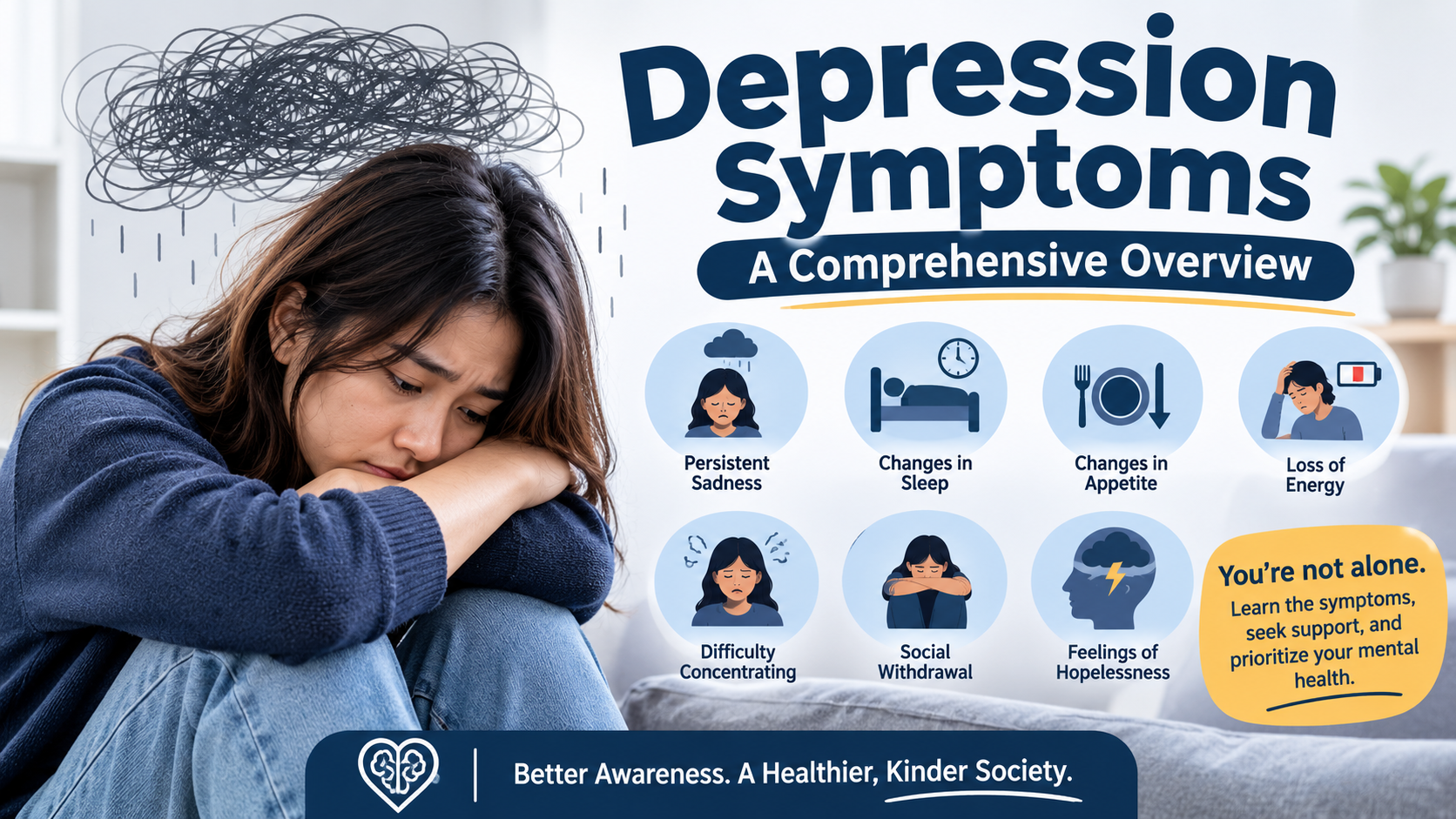
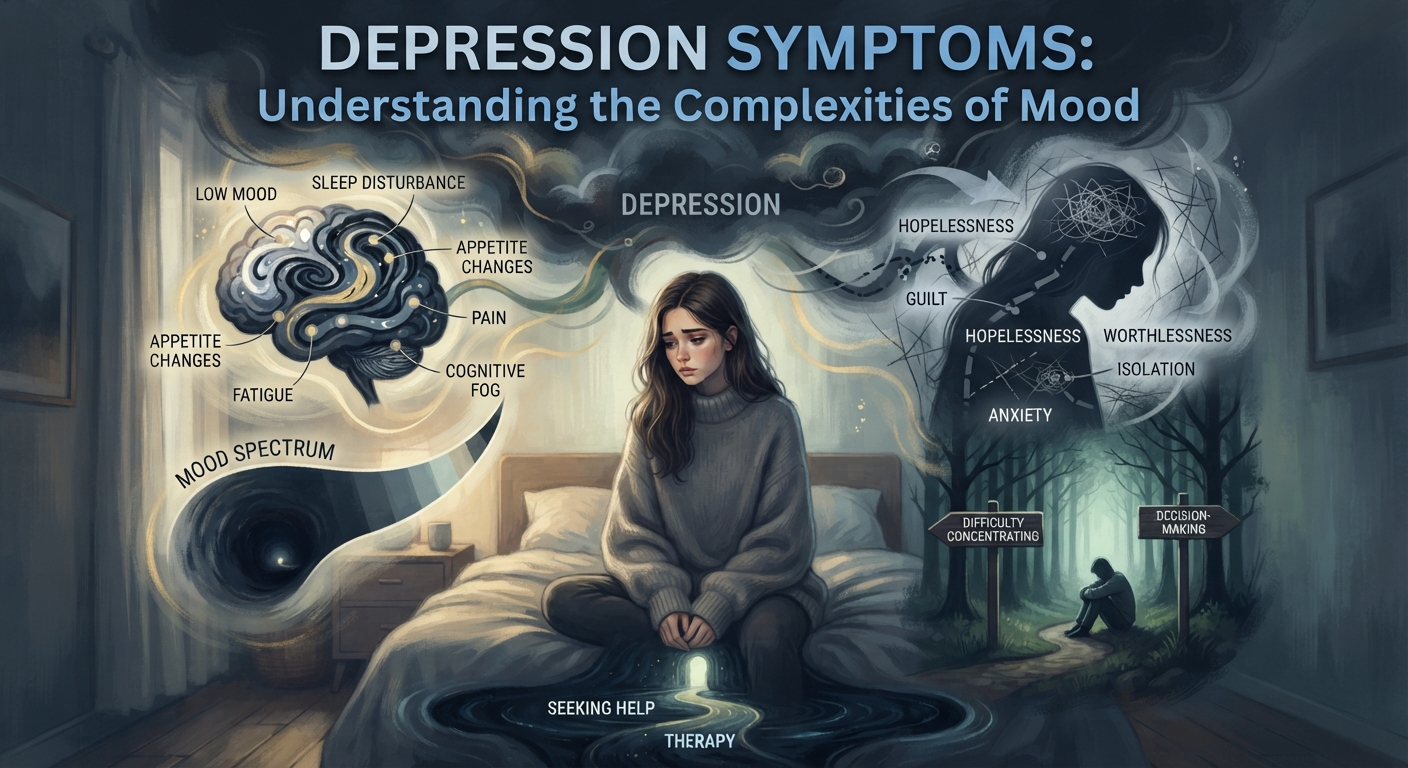
Emotional symptoms of depression are often the first indicators of the condition, reflecting significant shifts in mood and feelings. These symptoms can vary in intensity and duration, often affecting day-to-day life. Common emotional symptoms include:
- Persistent Sadness: A feeling of emptiness or hopelessness that lasts for weeks or longer.
- Loss of Interest: A noticeable decrease in enthusiasm for activities once enjoyed, such as hobbies or socializing.
- Irritability: Increased frustration or anger, often over trivial matters, leading to conflicts with others.
- Feelings of Worthlessness: Overwhelming self-doubt and negative thoughts about oneself, often accompanied by guilt.
- Anxiety: Heightened feelings of worry or fear, which can coexist with depressive symptoms.
- Difficulty Concentrating: Challenges in focusing or making decisions, impacting work or daily responsibilities.
- Suicidal Thoughts: In severe cases, individuals may contemplate self-harm or feel that life is not worth living, requiring immediate intervention.
In addition to emotional symptoms, depression often presents a range of physical signs that can significantly impact overall health and well-being. These physical manifestations may not be immediately recognized as linked to depression. Examples of common physical symptoms include:
- Fatigue: An overwhelming sense of tiredness, even after adequate sleep, making it hard to perform daily tasks.
- Changes in Appetite: Either increased hunger or loss of interest in food, leading to noticeable weight gain or loss.
- Sleep Disturbances: Insomnia or oversleeping, both of which can exacerbate feelings of exhaustion and lethargy.
- Physical Aches and Pains: Unexplained body aches, headaches, or digestive issues that do not respond to treatment.
- Reduced Energy Levels: A general feeling of low energy that affects motivation and productivity.
- Social Withdrawal: Avoiding social interactions or activities that were once enjoyable, leading to isolation.
Recognizing both emotional and physical symptoms of depression is crucial for seeking help and starting a path toward recovery. Early identification can lead to better management strategies and improved quality of life.
How Depression Symptoms Differ Among Individuals
Depression is a complex mental health condition that manifests differently across various individuals. The symptoms can vary significantly based on age, gender, cultural background, and personal experiences. Understanding these differences is critical for accurate diagnosis and tailored treatment plans. Recognizing how depression symptoms differ across demographics can lead to more effective communication and support strategies, ultimately benefiting those affected.
Variations in Depression Symptoms Across Age Groups
Depression presents unique challenges depending on the age group affected. Children, adolescents, adults, and the elderly may exhibit different symptoms due to developmental stages, life experiences, and social expectations. For instance, children may express depression through irritability or behavioral issues instead of the classic sadness, while adults might experience symptoms like fatigue or loss of interest in daily activities.
The following table highlights some common variations in depression symptoms across different age groups:
| Age Group | Common Symptoms | Potential Triggers | Expression of Emotions |
|---|---|---|---|
| Children (5-12 years) | Behavioral changes, irritability, sadness, social withdrawal | Family issues, bullying, school stress | Often show through play or withdrawal |
| Adolescents (13-19 years) | Anger, mood swings, feelings of worthlessness, decreased motivation | Peer pressure, academic stress, identity crises | May express through rebellious behavior |
| Adults (20-64 years) | Chronic fatigue, anxiety, hopelessness, loss of interest | Work-related stress, relationship issues, financial problems | Often internalized, leading to isolation |
| Elderly (65+ years) | Cognitive decline, increased physical ailments, sadness, isolation | Loss of loved ones, chronic health issues, loneliness | May be less likely to express emotions openly |
Cultural background plays a significant role in how individuals express and cope with depression symptoms. In some cultures, mental health issues may be stigmatized, leading to underreporting of symptoms or avoidance of seeking help. For instance, individuals from collectivist societies might prioritize community harmony over personal expression, causing them to suppress their feelings of sadness or anxiety. Conversely, cultures that emphasize individualism may encourage open discussions about mental health, resulting in more straightforward expressions of depressive symptoms.
Understanding these cultural nuances is essential for healthcare providers to foster compassionate and effective therapeutic relationships, ensuring that treatment is both respectful and relevant to the individual’s cultural context. Through these considerations, we can work towards a more inclusive understanding of depression and its manifestations across diverse populations.
The Link Between Depression Symptoms and Daily Functioning
Depression is not just a state of mind; it profoundly affects daily functioning and engagement in everyday activities. Individuals grappling with depression often find themselves in a cycle that complicates their ability to perform routine tasks. The symptoms—ranging from fatigue and lack of motivation to feelings of worthlessness—can severely hinder one’s capacity to manage responsibilities at work, home, and in social settings.
The impact of depression symptoms on daily activities manifests in various ways. For instance, individuals may struggle with simple tasks such as getting out of bed, maintaining personal hygiene, or preparing meals. This inability to engage in daily routines can lead to more significant issues, including missed workdays, deterioration of living conditions, and neglect of personal health. Additionally, the cognitive effects of depression, such as difficulty concentrating and indecisiveness, can exacerbate these challenges, making it hard to meet deadlines or fulfill commitments. The consequences extend beyond personal productivity; they often ripple out to affect relationships and social interactions.
Impact on Personal Relationships
Depression symptoms not only impede daily tasks but also strain personal relationships. When an individual experiences emotional lows, they may withdraw from social engagements or exhibit irritability, leading to misunderstandings with loved ones. Friends and family may feel neglected or unappreciated, which can create a rift in communication and connection.
For example, a partner struggling with depression may find it challenging to express affection or engage in shared activities, leading their spouse to feel isolated and frustrated. Furthermore, individuals may inadvertently push away those who care for them, fearing that their struggles might burden others. This cycle of withdrawal can lead to a sense of loneliness and exacerbate the feelings of worthlessness associated with depression.
“Throughout my battle with depression, I found myself isolating from my friends. What started as a temporary withdrawal turned into months of silence. I had no energy to reach out or even respond to messages. My friends became frustrated, and I felt increasingly alone, trapped in my own mind.”
These examples illustrate that the effects of depression reach far beyond the individual, impacting relationships and the social fabric of their lives. Support from loved ones is crucial; however, the misunderstandings and assumptions that arise during depressive episodes can often lead to isolation, rather than connection, at a time when support is most needed. The challenge lies in fostering open communication and understanding, emphasizing that depression is a medical condition, and not a personal failing.
Identifying Co-occurring Conditions with Depression Symptoms
Recognizing depression is crucial, but it’s equally important to identify any co-occurring conditions that may complicate the diagnosis and treatment process. Depression can often overlap with various mental health disorders and physical health issues, making it essential for individuals and healthcare providers to be aware of these associations. Understanding these relationships can lead to more comprehensive care and improved outcomes.
Common Mental Health Disorders Co-occurring with Depression
Several mental health disorders frequently co-occur with depression, complicating diagnosis and treatment. These often include:
- Anxiety Disorders: Conditions such as generalized anxiety disorder (GAD), panic disorder, and social anxiety disorder frequently accompany depression. The stress of anxiety can exacerbate depressive symptoms, creating a cycle that can be challenging to break.
- Bipolar Disorder: Individuals with bipolar disorder experience mood swings that can include depressive episodes. The presence of both conditions necessitates careful management to stabilize mood and prevent severe emotional fluctuations.
- Post-Traumatic Stress Disorder (PTSD): Many people who have experienced trauma may develop PTSD, which can manifest alongside depression. Symptoms like flashbacks and heightened anxiety can intensify feelings of sadness and hopelessness.
- Substance Use Disorders: Individuals may turn to drugs or alcohol to cope with depression, leading to substance use disorders. This can further hinder recovery from depressive symptoms and create additional health concerns.
- Personality Disorders: Certain personality disorders, such as borderline personality disorder, can commonly coexist with depression, affecting interpersonal relationships and emotional regulation.
Physical Health Issues Associated with Depression Symptoms
Depression can manifest not only in psychological symptoms but also in physical health issues. These associations can significantly impact an individual’s overall well-being. The following physical conditions are often linked to depression:
- Chronic Pain: Conditions such as fibromyalgia or arthritis can lead to persistent pain, which may trigger or worsen depressive symptoms.
- Cardiovascular Disease: Studies have shown a strong link between depression and heart disease. Individuals with depression may have an increased risk of developing heart-related issues.
- Diabetes: There is a notable connection between depression and diabetes, where each condition can worsen the other’s effects on health.
- Obesity: Depression can sometimes lead to changes in appetite and decreased physical activity, contributing to obesity, which in turn can further perpetuate feelings of depression.
- Thyroid Disorders: Conditions affecting thyroid function, such as hypothyroidism, can mimic or exacerbate symptoms of depression.
Methods of Assessment for Recognizing Co-occurring Conditions
Accurate assessment of co-occurring conditions is vital for effective treatment planning. Various methods can be utilized, including:
- Clinical Interviews: Comprehensive interviews with healthcare professionals can help identify symptoms of depression and any co-occurring disorders through structured questions and discussions.
- Standardized Questionnaires: Tools such as the Beck Depression Inventory or the Hamilton Anxiety Scale can provide quantitative measures of depression and anxiety levels, aiding in diagnosis.
- Medical History Review: An examination of an individual’s medical history can reveal underlying physical conditions that may be contributing to or exacerbating depressive symptoms.
- Collaboration with Specialists: Consulting with mental health specialists, such as psychologists or psychiatrists, can offer insights into complex cases where multiple conditions coexist.
Recognizing co-occurring conditions is essential to developing a comprehensive treatment plan that addresses both mental and physical health needs.
The Importance of Early Recognition of Depression Symptoms
Early identification of depression symptoms is essential for effective treatment and improved outcomes for individuals experiencing this mental health condition. Recognizing symptoms early allows for timely intervention, which can help prevent the condition from worsening. It also enables individuals to receive appropriate support and resources that can facilitate recovery. Depression can profoundly impact various aspects of life, including relationships, work, and overall well-being, making early recognition and treatment crucial for maintaining a good quality of life.
The comparison between early and late intervention in depression reveals stark differences in recovery rates and overall mental health outcomes. Early intervention typically involves a combination of therapy, medication, and lifestyle changes tailored to the individual’s needs, which can significantly enhance recovery potential. Conversely, late intervention may result in prolonged suffering, increased severity of symptoms, and a longer recovery process. Individuals who receive help sooner are more likely to experience a decrease in symptoms and an improvement in functioning and quality of life.
To illustrate the impact of early versus late intervention in depression, the following table Artikels key differences in recovery rates:
| Intervention Timing | Recovery Rate | Average Duration of Treatment | Risk of Relapse |
|---|---|---|---|
| Early Intervention | 70-80% | 3-6 months | 10-20% |
| Late Intervention | 30-40% | 12+ months | 40-60% |
The data indicates that individuals who receive early treatment benefit from a higher recovery rate and shorter treatment duration. They also face a significantly reduced risk of relapse compared to those who seek help later. Early recognition of symptoms not only allows for quicker access to effective treatment options but also plays a vital role in preventing the escalation of depression into more complicated mental health issues. The importance of addressing depression symptoms promptly cannot be understated, as it directly correlates with a person’s long-term mental health and overall life satisfaction.
Exploring the Role of Lifestyle Factors in Depression Symptoms
Depression is a complex mental health condition that can be influenced by various lifestyle factors. Understanding how elements such as diet, exercise, and sleep can impact the severity of depression symptoms is essential for effective management. By making informed lifestyle choices, individuals may find pathways to alleviate and even prevent depressive episodes.
Diet plays a significant role in mental health, with research indicating that certain nutrients can affect mood and cognitive function. For instance, omega-3 fatty acids, found in fish such as salmon and sardines, have been linked to lower rates of depression. Antioxidants, which can be found in fruits and vegetables, help combat oxidative stress in the brain, potentially improving mood. Conversely, a diet high in processed foods and sugars can exacerbate symptoms of depression, leading to fluctuations in blood sugar levels that may contribute to irritability and fatigue.
Exercise is another critical lifestyle factor that can dramatically affect depression symptoms. Regular physical activity releases endorphins, often referred to as “feel-good” hormones, which can enhance mood and reduce feelings of sadness. Studies have shown that people who engage in consistent aerobic exercises, such as jogging or cycling, report lower levels of depression. Exercise not only helps in the release of endorphins but also promotes better sleep and reduces stress, creating a positive feedback loop that can aid in managing depression.
Sleep is intricately linked to mental health, and insufficient or poor-quality sleep can worsen depression symptoms. A regular sleep schedule, where individuals go to bed and wake up at the same time every day, can help regulate the body’s internal clock. Quality sleep is essential for emotional stability, as it allows the brain to process emotions and restore itself after a long day. Lack of sleep can lead to heightened feelings of anxiety and irritability, making it difficult to cope with daily stressors.
Practical Lifestyle Changes to Alleviate Symptoms
Making specific lifestyle modifications can significantly impact the management of depression. The following list provides practical tips for individuals looking to improve their mental health through lifestyle changes:
- Incorporate a balanced diet rich in fruits, vegetables, whole grains, and lean proteins.
- Include omega-3 fatty acids in your meals by eating fish or taking supplements.
- Engage in at least 30 minutes of moderate exercise most days of the week.
- Establish a consistent sleep routine to improve sleep quality and duration.
- Avoid excessive caffeine and alcohol, which can worsen anxiety and disrupt sleep.
- Practice mindfulness or meditation to help reduce stress and improve emotional regulation.
- Stay socially connected, as engaging with friends and family can provide emotional support.
- Seek sunlight exposure daily for at least 15 minutes to boost Vitamin D levels.
By making these adjustments, individuals can create a holistic approach to managing depression symptoms, ultimately fostering a healthier mind and body. Incorporating these lifestyle factors serves not only as a complementary strategy to traditional treatments but also enhances overall well-being.
Seeking Professional Help for Managing Depression Symptoms
For individuals grappling with depression, seeking professional help is a crucial step toward recovery. Mental health professionals play a significant role in providing the necessary support, guidance, and treatment to manage symptoms effectively. Understanding the different types of mental health professionals available can help individuals make informed decisions about their care.
Types of Mental Health Professionals
Various mental health professionals specialize in treating depression. Each has unique qualifications and approaches, making it essential to find the right fit for individual needs. Key professionals include:
- Psychologists: These professionals hold advanced degrees in psychology and are trained to diagnose and treat mental health disorders through various therapeutic techniques.
- Psychiatrists: As medical doctors, psychiatrists can prescribe medications and provide therapy. They focus on the biological aspects of mental health, assessing the need for medication in conjunction with therapy.
- Licensed Clinical Social Workers (LCSWs): These professionals offer therapy and counseling, often focusing on the social and environmental factors affecting mental health. They help individuals navigate various life challenges that may contribute to depression.
- Psychiatric Nurse Practitioners: These practitioners have advanced nursing training and can provide both therapy and medication management, offering a holistic approach to mental health care.
- Counselors: Licensed counselors provide support through talk therapy and can specialize in various areas, including family dynamics, addiction, and life transitions.
Understanding these roles allows individuals to seek the appropriate type of help based on their specific situation and preferences.
Therapeutic Approaches to Treating Depression
There are several therapeutic approaches available for managing depression, each with its effectiveness. The choice of treatment often depends on the individual’s preferences, the severity of their symptoms, and the recommendations of their mental health professional. Key therapeutic approaches include:
- Cognitive Behavioral Therapy (CBT): A widely used approach that focuses on changing negative thought patterns and behaviors associated with depression. Studies show CBT can significantly reduce symptoms in many individuals.
- Interpersonal Therapy (IPT): This therapy addresses interpersonal issues, helping individuals improve relationships and social functioning. IPT is effective, particularly for those whose depression is linked to relationship problems.
- Mindfulness-Based Cognitive Therapy (MBCT): Combining cognitive techniques with mindfulness practices, MBCT helps prevent relapse in individuals with recurrent depression by encouraging present-moment awareness.
- Psychodynamic Therapy: Focusing on unconscious processes and past experiences, this approach aims to uncover underlying issues contributing to depression. While it may take longer to show results, it can provide deep insights into emotional patterns.
- Medication Management: Often prescribed alongside therapy, medications such as antidepressants can help balance chemicals in the brain that affect mood. The effectiveness varies among individuals, making it essential to find the right medication and dosage.
The effectiveness of each method can vary, and often a combination of therapies is used to achieve the best outcomes.
Pros and Cons of Treatment Methods
When considering various treatment methods for depression, it is important to weigh their pros and cons. The following table summarizes the advantages and disadvantages of different therapeutic approaches:
| Treatment Method | Pros | Cons |
|---|---|---|
| Cognitive Behavioral Therapy (CBT) | Evidence-based, effective in reducing symptoms, relatively short-term | May not address deeper underlying issues |
| Interpersonal Therapy (IPT) | Focuses on relationship dynamics, proven efficacy | Requires active participation in improving relationships |
| Mindfulness-Based Cognitive Therapy (MBCT) | Helps prevent relapse, encourages self-awareness | Requires consistent practice and commitment to mindfulness |
| Psychodynamic Therapy | Provides deep emotional insights, explores root causes | Longer duration, may take time to see results |
| Medication Management | Can provide quick symptom relief, useful for severe cases | Side effects possible, may require trial-and-error to find right medication |
Each treatment method carries its unique benefits and challenges. Understanding these can empower individuals to make informed decisions about their journey toward recovery.
The Role of Support Systems in Coping with Depression Symptoms
Support systems play a vital role in the recovery journey of individuals experiencing depression. Friends and family members can offer emotional, practical, and social support, which can alleviate feelings of isolation and helplessness. When someone is struggling with depression, knowing that they have a network of caring people can significantly enhance their motivation to seek help, adhere to treatment plans, and engage in healthy coping strategies.
The influence of a supportive environment cannot be overstated. It fosters open communication and provides a safe space for individuals to express their feelings without fear of judgment. Emotional support from loved ones can enhance self-esteem and resilience, both crucial for recovery. Studies have shown that individuals with robust support networks are more likely to experience positive outcomes in their mental health journeys. By being there for someone with depression, friends and family can help break the cycle of negativity that often accompanies this condition.
Strategies for Creating a Supportive Environment
Creating a supportive environment for someone experiencing depression requires understanding, patience, and active engagement. Here are several strategies that can make a significant difference:
- Encourage Open Dialogue: Allow them to express their feelings and concerns without judgment. Listening actively can provide immense relief.
- Be Present: Sometimes, just being there physically or emotionally can provide comfort. Offer to spend time together doing activities they enjoy.
- Educate Yourself: Understanding depression can help you respond empathetically and appropriately. Familiarize yourself with the symptoms and effects of depression.
- Promote Professional Help: Encourage them to seek professional support from therapists or counselors, and offer to help with the logistics like finding a provider or accompanying them to appointments.
- Celebrate Small Wins: Recognize and celebrate even the smallest achievements in their journey, as this can boost their morale.
- Be Patient: Recovery takes time, and there may be ups and downs. Your ongoing support can help them navigate these challenges.
For those wanting to support someone with depression, accessing reliable resources can be essential. Here’s a list of helpful materials:
- National Alliance on Mental Illness (NAMI): Provides information on mental health conditions, resources, and support groups.
- MentalHealth.gov: Offers guidance on mental health issues and information on where to seek help.
- Psychology Today: Features a therapist directory to find local mental health professionals.
- Support Groups: Websites like Meetup can help find local groups for people dealing with depression.
- Books and Literature: Consider reading books focused on mental health, such as “The Noonday Demon” by Andrew Solomon or “Feeling Good” by David D. Burns.
“The greatest weapon against stress is our ability to choose one thought over another.” – William James
Closing Summary
In summary, recognizing and understanding depression symptoms is vital in fostering a supportive environment for those affected. Whether through lifestyle adjustments, professional help, or the strength of a supportive network, individuals can navigate their journeys towards recovery. The insights gathered from this discussion emphasize the importance of awareness and early intervention, ultimately leading to better outcomes for those experiencing depression.
Helpful Answers
What are the most common emotional symptoms of depression?
Common emotional symptoms include persistent sadness, feelings of hopelessness, irritability, and a loss of interest in previously enjoyed activities.
Can depression symptoms change over time?
Yes, depression symptoms can fluctuate in intensity and may change over time, influenced by various factors including stressors and treatment.
How can lifestyle changes affect depression symptoms?
Lifestyle changes such as improved diet, regular exercise, and adequate sleep can significantly alleviate the severity of depression symptoms.
Is it common to experience physical symptoms with depression?
Absolutely, many individuals with depression also experience physical symptoms, including fatigue, changes in appetite, and sleep disturbances.
How can friends and family best support someone with depression?
Friends and family can support someone with depression by offering a listening ear, encouraging them to seek help, and being patient and understanding.